After two decades of training clients, I've watched countless gym-goers make the same mistake: believing that every single set needs to end in complete muscular failure. Last month, I had a new client who'd been grinding through workouts for months, barely making progress and feeling constantly exhausted. "I thought I had to push until I couldn't lift the weight anymore," she told me during our first session.
My client is not alone. The "no pain, no gain" mentality has created widespread confusion about when training to failure actually helps versus when it sabotages your progress. Let me break down what two decades of coaching experience and current research actually tell us.
What Is True Muscular Failure?
Before we dive deeper, we need to distinguish between two types of failure that most people confuse.
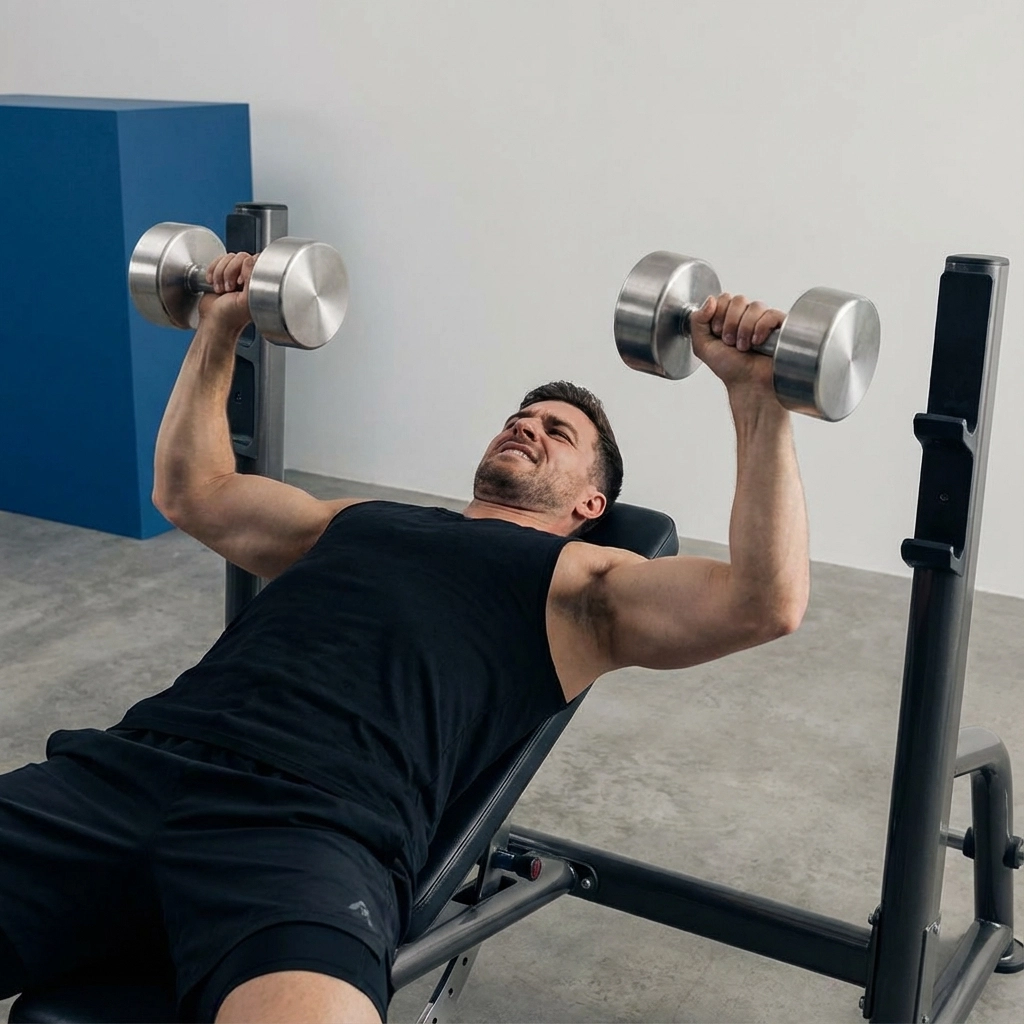
True muscular failure occurs when your muscles physically cannot produce enough force to complete another rep with proper form, despite maximum effort. Your muscle fibres have reached their absolute limit: think of the final rep of a chest press where your arms simply won't push the weight up anymore.
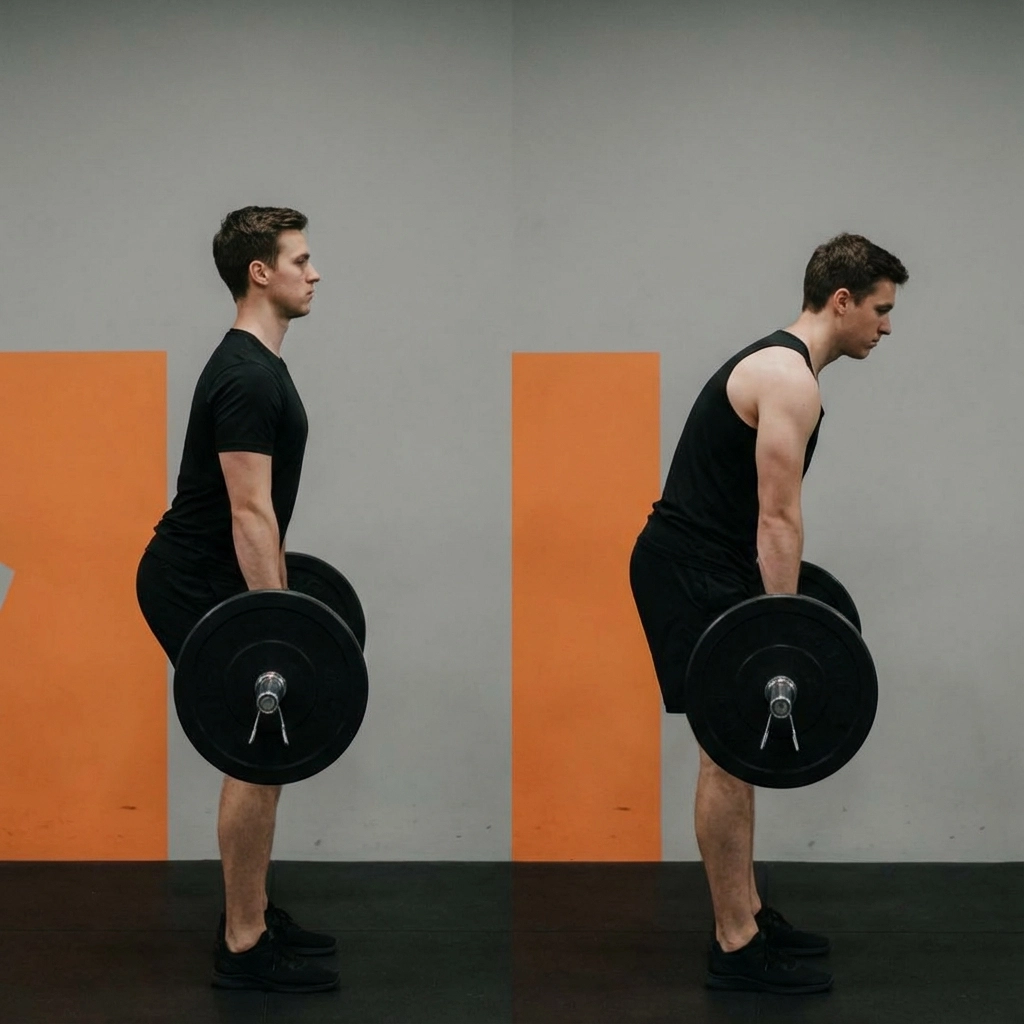
Technical failure happens when your form breaks down before your muscles are truly exhausted. This might look like your back rounding during deadlifts, your knees caving during squats, or your shoulders rolling forward during rows. Your muscles might still have juice left, but your movement pattern has deteriorated to an unsafe level.
Here's the crucial distinction: technical failure should always end your set, while true muscular failure should only be reached strategically.
I learned this lesson the hard way with Marcus, a former rugby player who came to me with chronic lower back pain. He'd been "training to failure" on deadlifts for months, but what he was actually doing was repeatedly lifting with terrible form as fatigue set in. Once we focused on stopping at technical failure and only occasionally pushing to true muscular failure on safer exercises, his back pain disappeared and his strength shot up.
The Research on Failure Training
The science around training to failure reveals a more nuanced picture than most gym folklore suggests.
For muscle growth, training to failure can provide benefits: but only for experienced lifters and only when used selectively. A comprehensive review found that pushing sets to complete muscular failure increased muscle fiber recruitment and metabolic stress, contributing to hypertrophy in rep ranges of 5-15 reps.
However, here's where it gets interesting: the same research shows that for strength development, training to failure offers no significant advantage over stopping 1-3 reps short of failure. In fact, one study found athletes who trained to failure made 80% less progress in upper body power compared to those training with moderate intensity, despite performing nearly twice as many repetitions.
The key finding? Groups that strategically used failure training: maybe one set per exercise, once or twice per week: often outperformed those who pushed every set to complete failure.
The Hidden Costs of Constant Failure Training
When I first started training clients, I believed more intensity always meant better results. Then I started noticing patterns among my hardest-working clients: they were often the ones making the slowest progress.
Neural Fatigue: The 72-Hour Recovery Rule
Your nervous system needs approximately 72 hours to fully recover from high-exertion training to failure. This isn't just muscle soreness we're talking about: it's your brain's ability to fire motor units efficiently and coordinate movement patterns.
Take James, a 42-year-old accountant who was training to failure on every exercise, three times per week. He couldn't understand why his lifts were stagnating despite his dedication. When we reduced his failure training to just one set per session on selected exercises, his strength increased by 15% within six weeks.
Injury Risk: When Form Goes Out the Window
As fatigue accumulates during those final reps to failure, form inevitably breaks down. This is particularly dangerous with compound movements involving heavy weights. The risk-to-reward ratio becomes heavily skewed toward risk.
I've seen too many clients suffer setbacks from injuries that occurred during those "grind it out" final reps. Sarah's shoulder impingement, Marcus's back strain, and countless others: all from chasing that last rep when their bodies were screaming to stop.
Recovery Demands That Sabotage Progress
Training to failure creates a recovery debt that many people underestimate. Extended soreness, reduced training capacity in subsequent sessions, and increased risk of overtraining can actually slow your long-term progress.
One of my most successful transformations was with Claire, a 38-year-old teacher who'd been stuck in a cycle of intense training followed by forced rest days due to exhaustion. When we implemented strategic failure training: limiting it to isolation exercises and final sets only: she finally achieved consistent progress week after week.
Strategic Application: When and How to Use Failure Training
The secret isn't avoiding failure training entirely: it's knowing when and how to use it strategically.
Safe Exercise Selection for Failure Training
Certain exercises are much safer for training to failure than others:
Good choices for failure training:
- Machine exercises (leg press, lat pulldown, chest press)
- Cable movements (tricep pushdowns, cable rows)
- Dumbbell isolation exercises (bicep curls, lateral raises)
- Bodyweight exercises (push-ups, pull-ups)
Avoid failure training with:
- Heavy barbell squats or deadlifts
- Overhead pressing movements
- Any exercise requiring complex coordination
- Movements where failure could trap you under weight
Programming Failure Training Through Training Phases
Your training phase should dictate your approach to failure:
Strength-focused phases: Rarely train to failure. Stop 2-3 reps short of maximum to maintain power output and technique.
Hypertrophy phases: Use failure training selectively: perhaps the final set of isolation exercises or once per week on compound movements.
Deload weeks: Avoid failure training entirely to allow full recovery.
Individual Indicators for Failure Training
Not everyone responds the same way to failure training. Here are the signs that someone might benefit from strategic failure training:
- Training experience of at least 2-3 years
- Excellent form under fatigue
- Good recovery capacity (sleeping 7+ hours, managing stress)
- No current injuries or movement limitations
- Plateau in muscle growth despite consistent training
Practical Implementation: The 80/20 Rule
After years of trial and error with clients, I've developed what I call the 80/20 rule for failure training:
80% of your sets should stop 1-3 reps short of failure. This allows you to maintain high training volume with good form while avoiding excessive fatigue.
20% of your sets can go to true muscular failure. Use this strategically on the final set of isolation exercises or occasionally on your strongest compound movements.
For Sarah, implementing this rule transformed her training. Instead of leaving every session completely wiped out, she started finishing workouts feeling challenged but energized. Her strength increased consistently, and she finally started seeing the muscle definition she'd been chasing.
Busting the Common Myths
Let me address some persistent myths about failure training:
Myth: "If you don't train to failure, you're not working hard enough." Reality: Effort and intensity aren't measured solely by reaching muscular failure. Training with proper form at high intensities while stopping short of failure often produces better results.
Myth: "You need to train to failure to build muscle." Reality: Research shows muscles can grow effectively when stopping 1-3 reps short of failure, with significantly less fatigue and injury risk.
Myth: "The burn means it's working." Reality: While metabolic stress contributes to muscle growth, the intense burning sensation of failure training isn't necessary for progress and can actually hinder your next training session.
Monitoring and Adjusting Your Approach
Pay attention to these warning signs that you might be overdoing failure training:
- Strength decreasing over multiple sessions
- Persistent fatigue or mood changes
- Increased minor aches and pains
- Dreading workouts instead of looking forward to them
- Sleep quality declining
When I see these signs in clients, we immediately scale back failure training and focus on consistent, high-quality training volumes.
The Bottom Line: Quality Over Intensity
After training hundreds of clients, the most successful transformations come from those who master the art of strategic intensity. It's not about how hard you can push in one session: it's about how consistently you can train at a high level week after week, month after month.
Remember James, who was stuck despite training to failure constantly? Eighteen months later, he's stronger than he's ever been, rarely gets injured, and actually enjoys his training again. The key was learning when to push and when to hold back.
Training to failure is a tool in your toolkit: a valuable one when used correctly, but potentially destructive when overused. Master the strategy, respect the science, and watch your long-term progress accelerate.
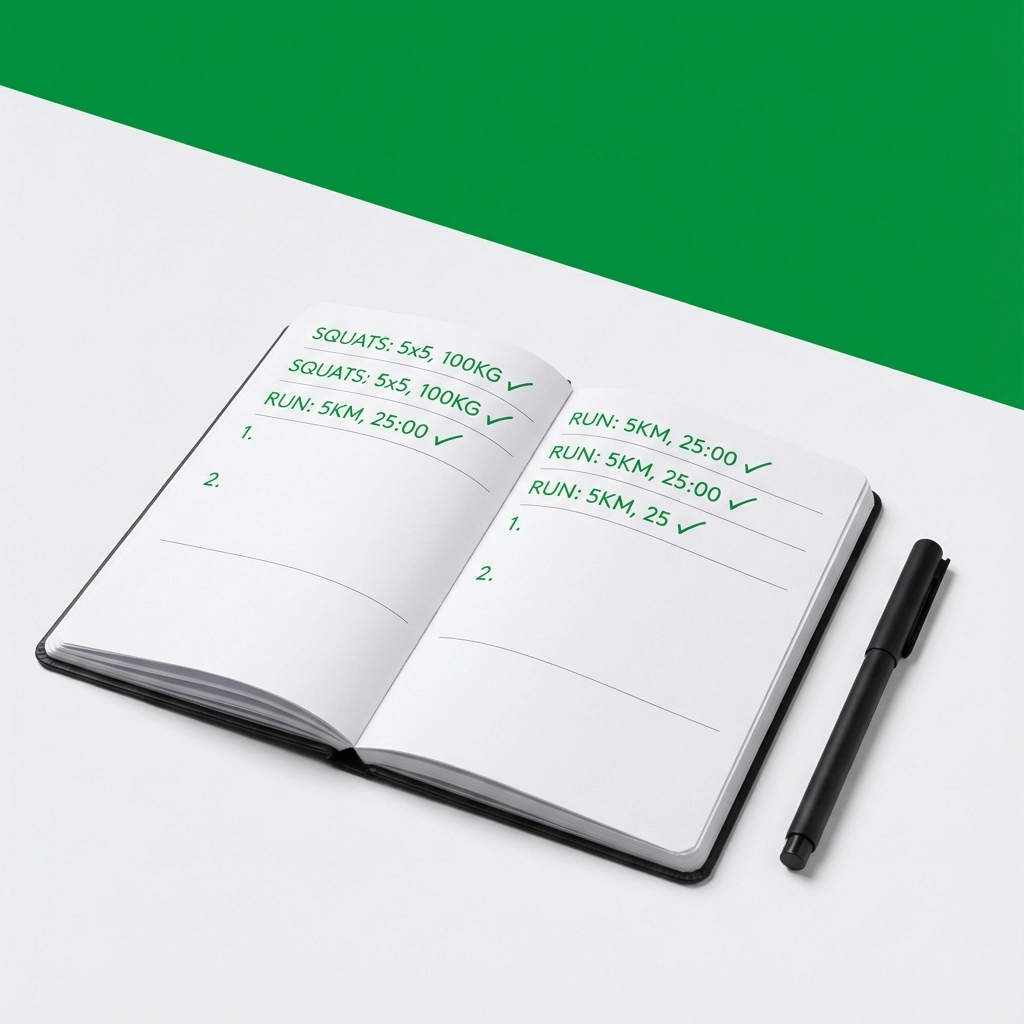
Ready to transform your approach to training intensity? Start with the 80/20 rule this week. Choose one exercise per session for strategic failure training while keeping everything else 1-3 reps in reserve. Track your energy levels, strength progression, and recovery quality over the next month. Your future self will thank you for making the switch from grinding every set to training strategically.
Your journey to sustainable strength and muscle growth starts with knowing when to push and when to hold back. Make that distinction, and you'll unlock progress you never thought possible.