Stiffness is often the silent thief of athletic performance. Whether it is the nagging ache in your shoulders after a long day at a desk or the tightness in your hips that limits your squat depth, restricted mobility affects everyone from professional athletes to weekend warriors. While traditional static stretching has its place, resistance bands offer a more dynamic, effective way to "bulletproof" your joints.
At Fitness Health, we prioritize educational resources that empower you to take control of your physical longevity. Using resistance bands for recovery isn't just about feeling better in the moment; it is about changing the way your joints function under load. By using variable tension, you can improve joint distraction, increase blood flow, and strengthen the stabilizing muscles that keep you injury-free.
Why Resistance Bands are Superior for Mobility
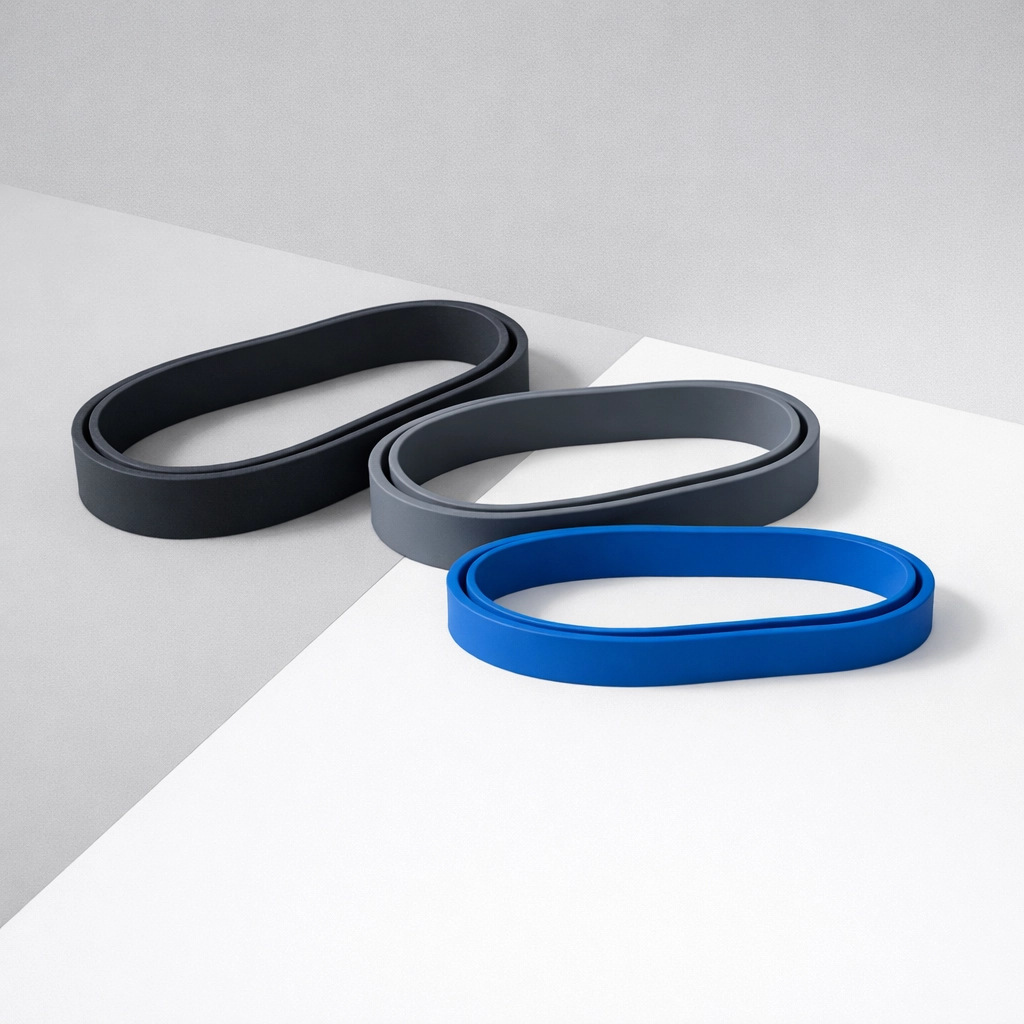
Most people think of resistance bands solely as a tool for building muscle, but their unique mechanical properties make them ideal for joint health. Unlike free weights, which rely on gravity and provide a constant downward force, bands provide "variable resistance." This means the tension increases as the band stretches.
1. Joint Distraction
One of the most effective techniques for beating stiffness is joint distraction. This involves using a heavy resistance band to pull the joint surfaces slightly apart. This "gapping" allows for a greater range of motion and helps the synovial fluid: the joint’s natural lubricant: to circulate more effectively. This is particularly useful for "stiff" joints like the hips and ankles.
2. Neuromuscular Feedback
Bands provide constant feedback to your nervous system. When you use a band during a mobility drill, your brain receives signals about where your limb is in space (proprioception). This helps you "reset" your movement patterns and ensures that your muscles are firing correctly to support the joint.
3. Safety and Control
Because you control the tension by simply moving closer to or further from the anchor point, the risk of overstretching or causing an acute injury is significantly lower than when using heavy weights or aggressive manual therapy.
Upper Body Bulletproofing: Shoulders and Thoracic Spine
The shoulder is the most mobile joint in the body, which also makes it the most unstable. Most shoulder pain stems from a lack of stability in the scapula (shoulder blade) or stiffness in the thoracic spine (upper back).
Banded Pass-Throughs (Dislocates)
This is a foundational movement for opening up the chest and improving shoulder overhead mobility.
- How to do it: Grip a light-to-medium long loop band with a wide overhand grip. Keeping your arms straight, slowly lift the band over your head and behind your back until it touches your lower back/glutes. Bring it back over to the front.
- Why it works: It forces the shoulder through its full range of motion while maintaining tension, which "wakes up" the rotator cuff.
- Dosage: 2 sets of 15 reps.
Banded Face Pulls
Standard face pulls are great for strength, but when done with a light band for high reps, they are excellent for postural recovery.
- How to do it: Anchor a band at eye level. Pull the band towards your forehead, pulling the ends apart and focusing on squeezing your shoulder blades together.
- Why it works: It targets the rear deltoids and rhomboids, reversing the "hunched" posture associated with modern life.
- Dosage: 3 sets of 20 reps.
For those looking to integrate these movements into a broader routine, understanding the difference between compound vs. isolation exercises can help you decide where to place your mobility work.
Lower Body Mobility: Hips, Knees, and Ankles
Lower body stiffness is often the culprit behind lower back pain. If your hips don't move, your spine has to compensate.
Banded Hip Distraction
This is the "gold standard" for anyone with tight hip flexors.
- How to do it: Loop a heavy band around a sturdy post and step one leg through, placing the band high up into the crease of your hip. Step back until there is significant tension pulling your hip forward. Drop the banded leg's knee to the floor into a lunge position. Squeeze your glute and push your hip forward.
- Why it works: The band pulls the femur (thigh bone) forward within the hip socket, creating space and allowing for a deeper stretch of the psoas and hip capsule.
- Dosage: Hold for 90 seconds per side.
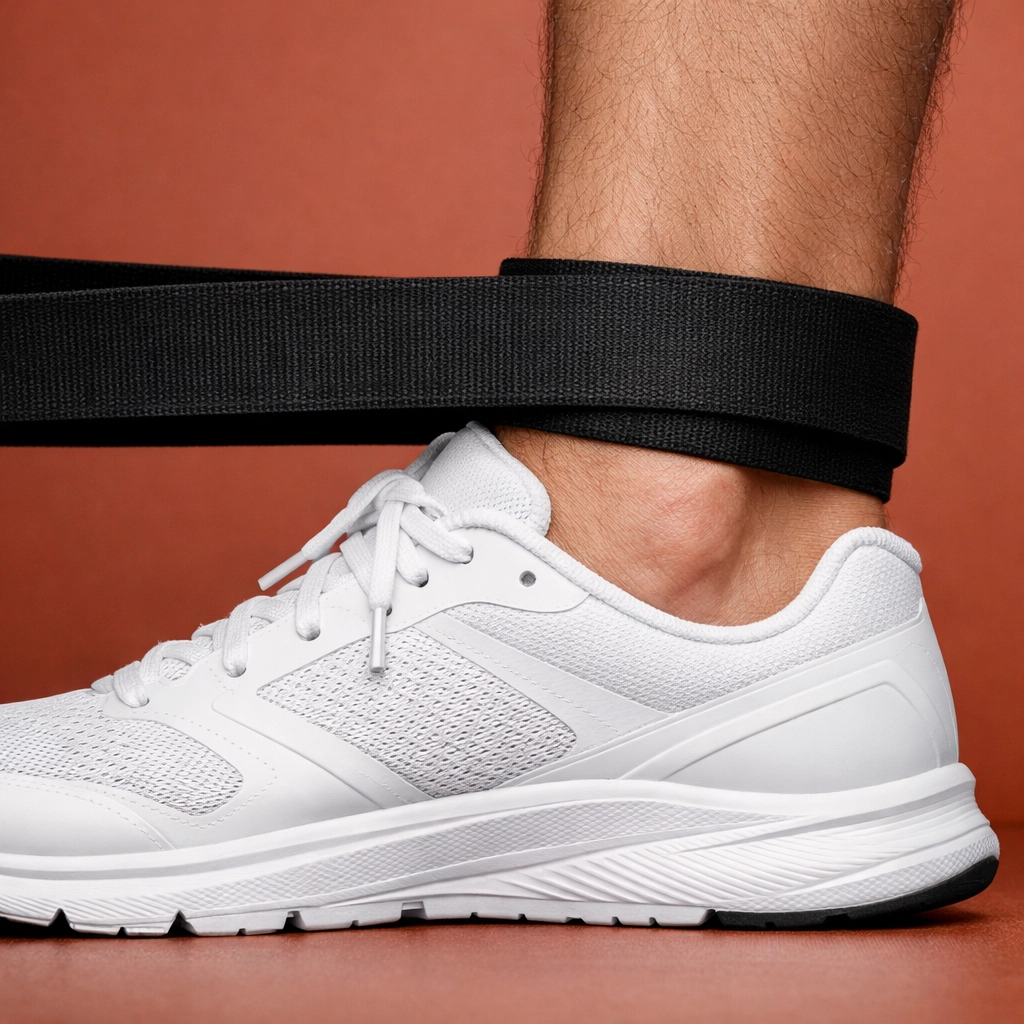
Ankle Mobilization (Combatting "Stiff Ankles")
Poor ankle dorsiflexion (the ability to pull your toes toward your shin) is a primary cause of knee pain during squats and lunges.
- How to do it: Anchor a band low and loop it around the front of your ankle (just below the bony protrusions). Place your foot on a box or step forward so the band pulls backward. Drive your knee forward over your toes while keeping your heel on the ground.
- Why it works: It clears the "impingement" sensation in the front of the ankle by pulling the talus bone back.
- Dosage: 20 oscillations per side.
If you are currently experiencing significant joint discomfort while performing these moves, you may want to explore our joint health collection for supplements that support cartilage and inflammation management.
Recovery Techniques for Daily Stiffness
You don't need a full gym session to see the benefits of bands. Incorporating these into your daily routine can prevent the "accumulation" of stiffness.
| Technique | Goal | Best Time |
|---|---|---|
| Banded Pull-Aparts | Postural Reset | Every 2 hours at a desk |
| Hamstring Flossing | Nerve Gliding | Post-workout |
| Lat Distraction | Spinal Decompression | After waking up |
The "Flossing" Technique
Nerve "flossing" with a band is a powerful tool for recovery. By looping a band around your foot while lying on your back, you can gently move your leg through a range of motion. Unlike a static stretch, this movement encourages the sciatic nerve to slide through the surrounding tissues, reducing "tightness" that is actually neural tension rather than muscle length.
Safety and Best Practices
To effectively "bulletproof" your joints, you must respect the equipment and your body’s limits.
- Inspect Your Bands: Before every session, check for small nicks or "cloudy" patches in the latex. A band snapping under high tension can cause injury.
- Control the Eccentric: Never let the band "snap" your limb back into position. The most therapeutic part of the movement is the controlled return to the starting point.
- Consistency Over Intensity: Mobility is won through frequency. Performing 10 minutes of banded work daily is significantly more effective than doing 70 minutes once a week.
- Listen to Sharp Pain: Mobility work should feel like a "deep stretch" or "dull pressure." If you feel sharp, electric, or stabbing pains, stop immediately and consult a professional via our help page.
Building a Resilient Body
At Fitness Health, we believe that strength is useless without the mobility to use it. Resistance bands are the bridge between being "strong" and being "functional." By integrating banded distractions, pass-throughs, and flossing into your routine, you aren't just stretching; you are changing the structural integrity of your joints.
Whether you are looking to improve your athletic performance or simply want to walk up the stairs without knee pain, the tools are simple. Start with a light set of bands and focus on the quality of movement.
For more information on how to optimize your training and recovery, check out our FAQs or browse our strength and fitness collection to find the right gear for your journey.
Key Takeaways
- Bands provide joint distraction that static stretching cannot replicate.
- Upper body focus should be on scapular stability and thoracic opening.
- Lower body focus should target the hip capsule and ankle dorsiflexion.
- Frequency is key: short, daily sessions beat long, infrequent ones.
- Safety first: Always inspect bands for wear and tear before use.
Bulletproofing your joints is a long-term investment. Start today, and your future self will thank you for the lack of stiffness and the freedom of movement. If you have specific questions about which bands are right for your recovery needs, feel free to contact us or use our chat service for personalized advice.