As we move through 2026, the fitness landscape has shifted significantly. The "no pain, no gain" mantra of previous decades is being replaced by a more sophisticated goal: longevity. People are no longer just training for aesthetics or short-term performance; they are training to ensure their bodies remain functional, pain-free, and resilient well into their 80s and 90s. Central to this movement is the rise of elastic resistance training (ERT).
While once relegated to physical therapy clinics or travel bags, resistance bands have become the primary tool for those prioritizing joint health. This shift isn't just a trend; it is backed by a growing body of biomechanical research highlighting how variable resistance protects the body while building functional strength.
The Biomechanics of Elastic Resistance
To understand why elastic resistance is superior for longevity, one must understand the difference between constant and variable resistance. Traditional weights, such as dumbbells and barbells, provide a constant load. Gravity pulls the weight down with the same force regardless of where you are in the movement.
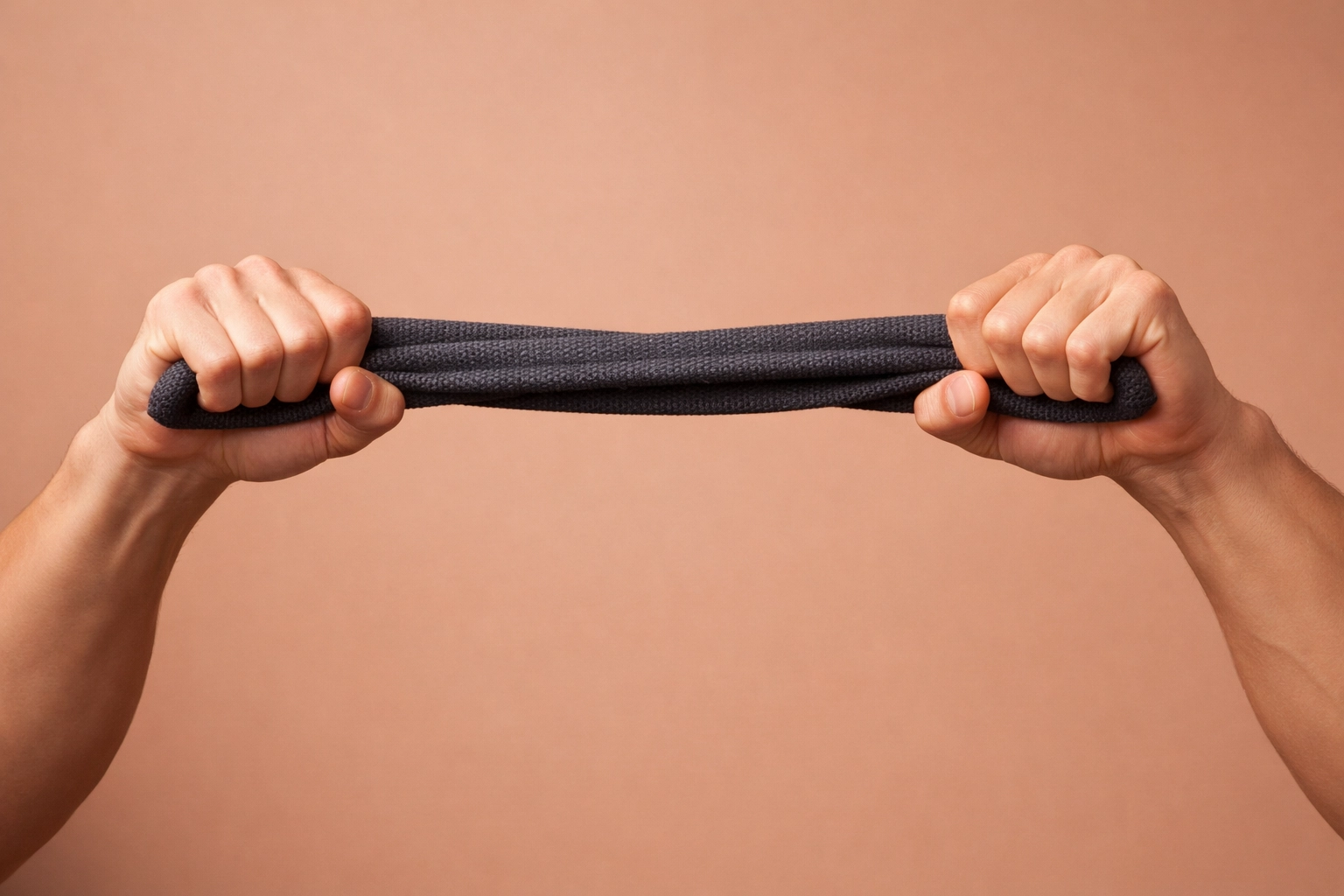
Elastic resistance, however, provides variable resistance. As the band stretches, the tension increases. This creates a resistance profile that often mimics the human strength curve: the natural points in a movement where your muscles are strongest and weakest.
1. Reducing Joint Compression
When using heavy free weights, the highest amount of stress is often placed on the joints at the "bottom" of a lift (the eccentric-to-concentric transition), where the muscle is most elongated and the joint is often in its most vulnerable position. Resistance bands provide less tension at this starting point and maximum tension at the "top" of the movement, where the muscle is fully contracted. This significantly reduces the compressive forces on the shoulder, elbow, and knee joints.
2. Eliminating Momentum
One of the leading causes of injury in weightlifting is the use of momentum to "cheat" through a difficult range of motion. Because resistance bands require constant tension to stay stretched, they eliminate the ability to use momentum. This forces the muscle to work through the entire range of motion, leading to better muscle fiber recruitment without the jarring impact associated with swinging heavy weights.
Why 2026 is the Turning Point for Longevity Training
The year 2026 marks a cultural pivot toward "Prehab": the practice of strengthening the body to prevent injury before it happens. Several factors have converged to make elastic resistance the gold standard for this approach.
The Aging Population and Sarcopenia
As the global population ages, the focus on preventing sarcopenia (age-related muscle loss) has intensified. Research indicated that for older adults, elastic band training significantly reduces fall risk by improving balance and lower limb strength. These are the two most critical factors for maintaining independence. Unlike heavy iron, which can be intimidating or physically prohibitive for those with existing bone density issues, bands offer a safe entry point.
Neural Adaptations
Longevity isn't just about muscle size; it’s about the nervous system’s ability to communicate with those muscles. Studies have shown that ERT drives strength gains primarily through neural adaptations. This means the brain becomes more efficient at firing the correct motor units. For long-term health, a highly responsive nervous system is just as important as muscular force.
For those looking to balance their routines, understanding how these bands complement other movements is key. You can read more about balancing different training styles in our guide on compound vs. isolation exercises.
Specific Benefits for Joint Health
For individuals dealing with chronic inflammation or recovering from past injuries, the joint health collection at Fitness Health often works in tandem with low-impact exercise. Elastic resistance provides specific physiological benefits that weights cannot replicate:
- Increased Synovial Fluid Circulation: The smooth, controlled nature of band movements helps circulate synovial fluid within the joint capsule. This fluid acts as a lubricant and nutrient delivery system for cartilage.
- Connective Tissue Strengthening: Because bands allow for high-repetition, low-impact movements, they are ideal for strengthening tendons and ligaments. These tissues have less blood flow than muscles and respond better to the consistent, gentle tension provided by ERT.
- Multi-Planar Movement: Free weights generally limit you to vertical planes of motion (up and down). Resistance bands allow you to move laterally, rotationally, and diagonally with consistent tension. This "3D" training is essential for real-world longevity, where injuries often occur during twisting or reaching movements.
Implementing a Longevity-Focused Band Routine
To see the benefits of elastic resistance, consistency and progression are required. It is a misconception that bands cannot provide "progressive overload." To build strength and protect joints, you must gradually increase the tension over time.
The 12-Week Rule
Systematic evidence suggests that for optimal lower limb strength improvements, ERT programs should extend to 12 weeks or longer. While balance improvements can be seen in as little as 4 weeks, the structural changes in muscle and connective tissue take longer to solidify.
Suggested Weekly Structure
For a longevity-focused approach, we recommend three full-body resistance band sessions per week, focusing on:
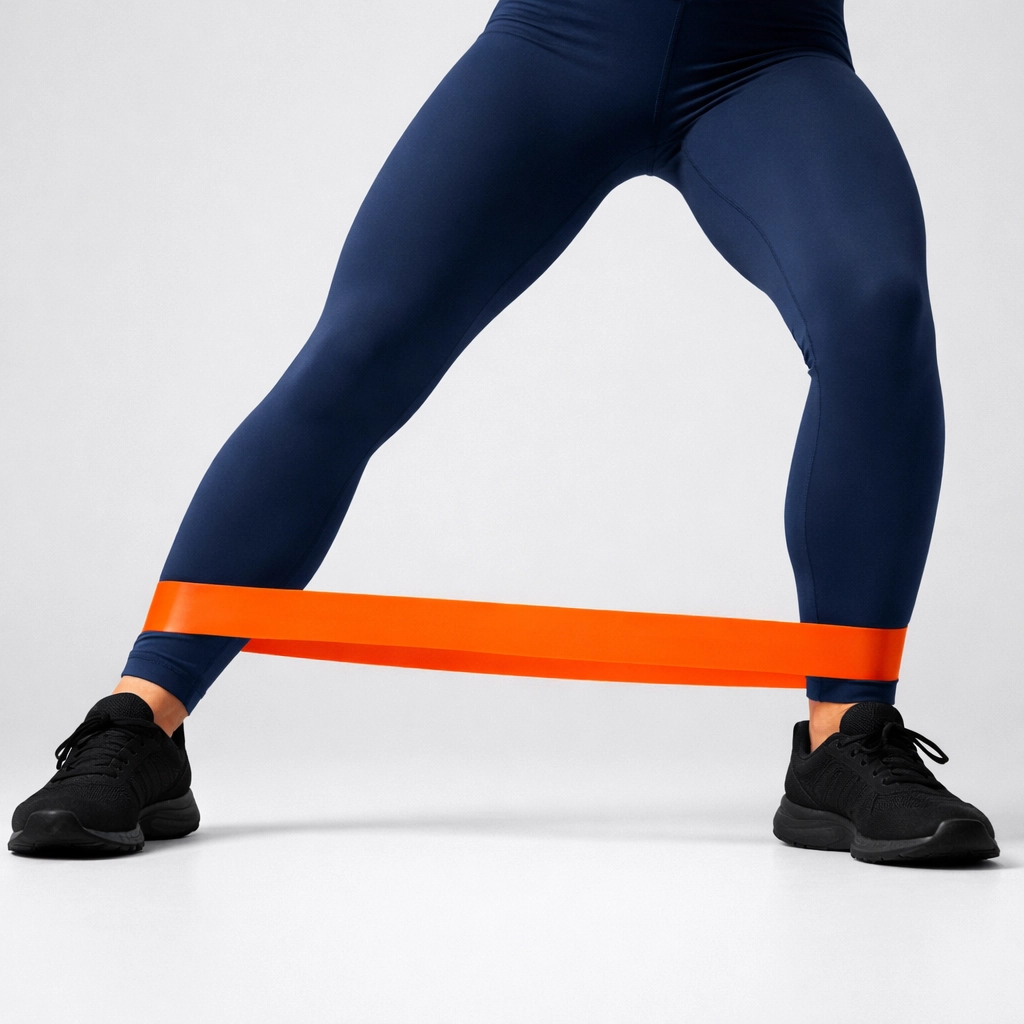
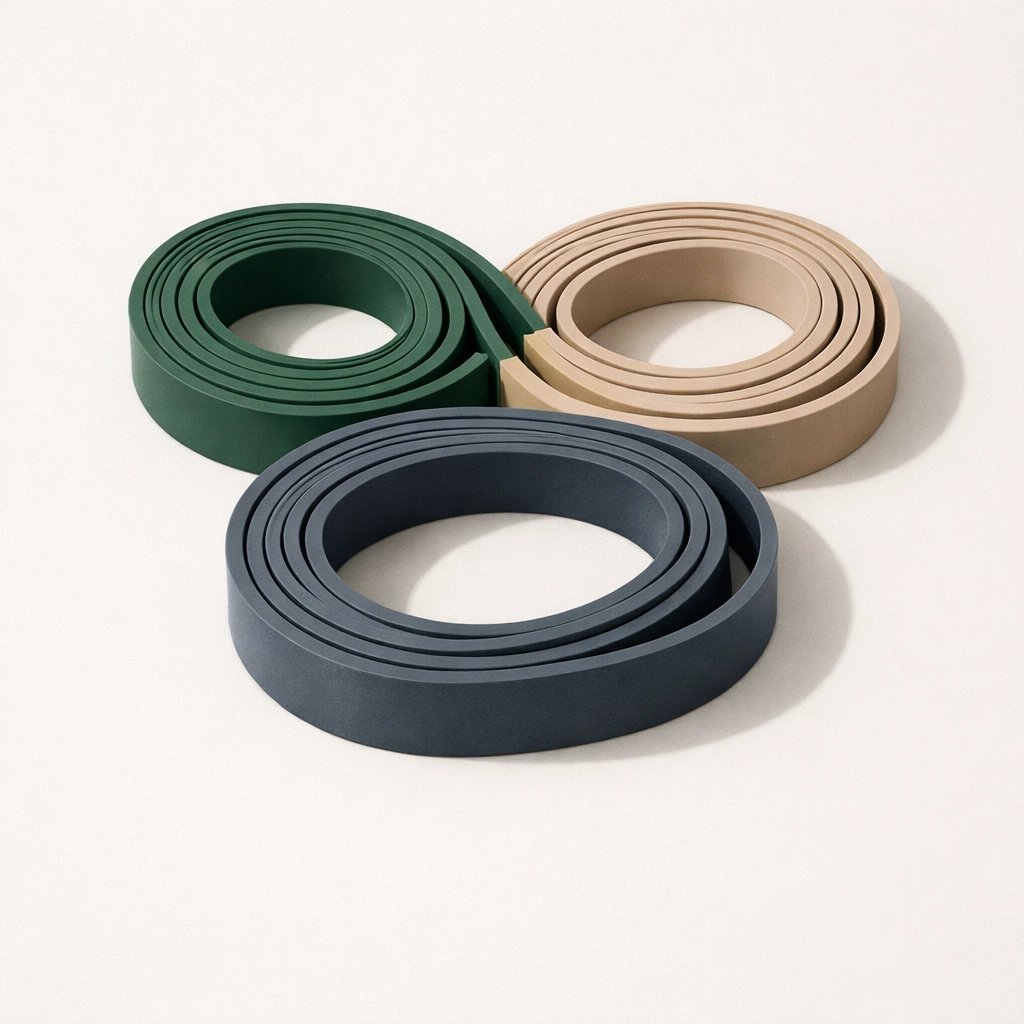
- Squats or Lunges (with a long loop band): To build bone density in the hips and spine.
- Rows or Pull-aparts: To counteract the "hunched" posture associated with aging and desk work.
- Chest Press or Push-ups (band-resisted): To maintain upper body pushing power and shoulder stability.
- Lateral Walks (with mini-bands): To strengthen the gluteus medius, which is essential for pelvic stability and preventing knee pain.
For more specialized equipment to support these goals, visit our strength and fitness collection.
Safety and Practicality in 2026
One of the reasons resistance bands have dominated 2026 is their accessibility. They are affordable, portable, and require zero dedicated floor space. However, safety is paramount.
Inspection Protocols
Before every session, you must inspect your bands for "micro-tears" or discoloration. Because bands store potential energy, a snap can cause significant injury. Replacing your bands every 6-12 months, depending on usage, is a standard safety protocol for any longevity-focused athlete.
Progressive Resistance Levels
Don't just stick to the lightest band. To achieve the neural and muscular adaptations mentioned earlier, you must use a band that makes the final 2-3 repetitions of a set challenging. Most sets should fall in the 12-15 repetition range to maximize the "time under tension" without overloading the joint structure.
The Role of Supplementation in Longevity
While exercise is the foundation, supporting your joints from the inside out is equally important. In 2026, the integration of targeted nutrition and resistance training has become the standard for health optimization. Ensuring you have the right building blocks for collagen repair and inflammation management can accelerate the benefits of your band training. Explore our antioxidants and immunity collections to support your body's recovery processes.
Conclusion: The Path Forward
The rise of elastic resistance in 2026 represents a shift toward a more intelligent, sustainable form of fitness. By prioritizing joint health and neural adaptations over raw weight totals, we are able to build bodies that are not only strong today but capable for decades to come.
Whether you are an elite athlete looking to take a break from heavy loading or an older adult looking to maintain your independence, resistance bands offer a scientifically-backed solution. They are the "joint-friendly secret" that has finally gone mainstream, proving that the most effective tools for longevity are often the simplest.
Key Takeaways:
- Elastic resistance provides variable tension that matches the natural strength curve of human muscles.
- Bands reduce joint compression at vulnerable ranges of motion compared to free weights.
- A minimum of 12 weeks of consistent training is required for significant strength and structural adaptations.
- Resistance bands are a primary tool for reducing fall risk and maintaining functional independence in older adults.
- Regular safety inspections of equipment are mandatory to prevent injury from band failure.
For any questions about incorporating resistance training into your lifestyle or choosing the right support products, feel free to visit our FAQ page or contact us directly.