As the fitness industry grows, so does its environmental footprint. From the electricity used to power rows of treadmills to the microplastics shed by synthetic activewear, our pursuit of health can sometimes come at a cost to the planet. Sustainable fitness is the practice of aligning your physical health goals with environmental responsibility. This means choosing low-impact workouts, investing in long-lasting gear, and selecting supplements that prioritize eco-friendly sourcing and packaging.
In this guide, you will learn how to transition to a greener fitness routine without sacrificing your results.
1. Embrace "Green Exercise"
Green exercise refers to any physical activity performed in a natural environment. By moving your workout outdoors, you eliminate the need for air conditioning, artificial lighting, and high-energy gym machinery.
Benefits of Outdoor Training
- Reduced Carbon Footprint: Parks and trails require no electricity to operate.
- Vitamin D Synthesis: Sunlight exposure aids in bone health and immune function. Explore our Immunity Collection for further support.
- Improved Mental Wellbeing: Research consistently shows that exercising in nature reduces cortisol levels more effectively than indoor training.
Practical Tips for Outdoor Workouts
- Utilize Local Parks: Use park benches for step-ups, tricep dips, and incline push-ups.
- Trail Running: Replace the motorized treadmill with natural terrain to challenge your stabilizer muscles.
- Calisthenics: Focus on bodyweight movements like pull-ups and lunges. This removes the need for heavy, carbon-intensive gym equipment.

2. Plogging: Fitness with a Purpose
Plogging is a Swedish fitness trend that combines jogging with picking up litter. It is a highly effective form of interval training because it requires constant bending, squatting, and stopping, which engages different muscle groups than a steady-state run.
How to Start Plogging
- Gear Up: Carry a biodegradable bag and wear protective gloves.
- Vary Your Movement: When you spot litter, perform a deep squat or a lunge to pick it up. This turns a simple run into a full-body functional workout.
- Track Your Impact: Measure your "haul" at the end of each session. It provides a sense of community contribution alongside your physical progress.
3. Sustainable Activewear and Equipment
The "fast fashion" segment of the fitness industry produces significant waste. Most gym leggings and shirts are made from virgin polyester, which is derived from petroleum and takes hundreds of years to decompose.
Choosing Eco-Friendly Gear
- Recycled Materials: Look for brands that use rPET (recycled polyester) made from ocean plastics or recycled bottles.
- Natural Fibers: Bamboo, organic cotton, and Tencel are biodegradable alternatives that offer excellent moisture-wicking properties.
- Longevity Over Price: Buy high-quality items that last years rather than months. Reducing consumption is the most effective way to protect the planet.
- Sustainable Mats: Replace PVC yoga mats with those made from natural cork or sustainably harvested rubber. Cork is naturally antimicrobial and requires no harsh chemicals for cleaning.
4. Eco-Conscious Supplementation
The supplement industry often relies on single-use plastic tubs that are difficult to recycle. Furthermore, the sourcing of ingredients can impact local ecosystems.
Refillable and Plastic-Free Packaging
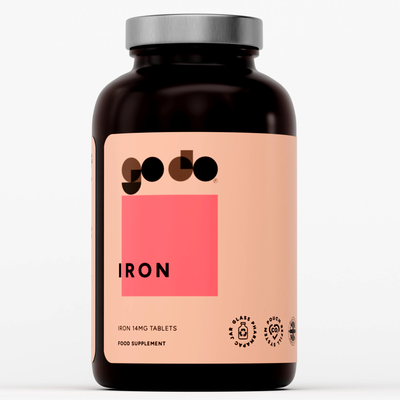
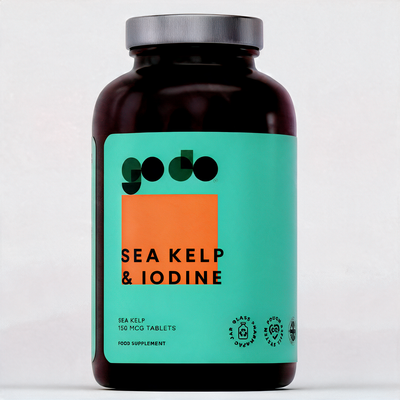
Transitioning to brands that offer refillable glass bottles or compostable pouches significantly reduces landfill waste.

When selecting vitamins, look for:
- Third-Party Sourcing Certifications: Ensure ingredients are harvested without destroying natural habitats.
- Glass or Refill Systems: Use a durable glass bottle for storage and order refill pouches to minimize plastic use. Explore our Vitamins & Minerals Collection to find high-quality options for your routine.
- Plant-Based Options: Plant-derived supplements typically have a lower carbon footprint than those derived from animal products.
5. Optimize Your Recovery Sustainably
Recovery is a critical component of any fitness program. However, many recovery tools, such as electric massage guns or plastic foam rollers, have an environmental cost.
Sustainable Recovery Methods
- Manual Mobility Work: Use a cork massage ball to target trigger points. Cork is a renewable resource harvested from the bark of trees without harming them.
- Cold Water Immersion: If you live near a safe, clean body of natural water, wild swimming is a zero-energy way to reduce inflammation.
- Natural Anti-Inflammatories: Support your body’s recovery through nutrition. Antioxidants play a vital role in reducing oxidative stress caused by intense exercise. View our Antioxidants Collection for natural support.
For those focusing on joint health after high-impact outdoor runs, consider targeted support from our Joint Health Collection.

6. Sustainable Nutrition and Hydration
What you put into your body is just as important as how you move it. The "convenience" of fitness nutrition: such as plastic-wrapped protein bars and bottled energy drinks: creates a massive amount of waste.
The Zero-Waste Athlete Checklist
- Stainless Steel Bottles: Eliminate single-use plastic water bottles. A high-quality insulated bottle can last a lifetime.
- Bulk Buying: Purchase staples like oats, nuts, and protein powders in bulk to reduce packaging.
- Homemade Energy: Instead of pre-packaged gels, make your own using dates, sea salt, and honey.
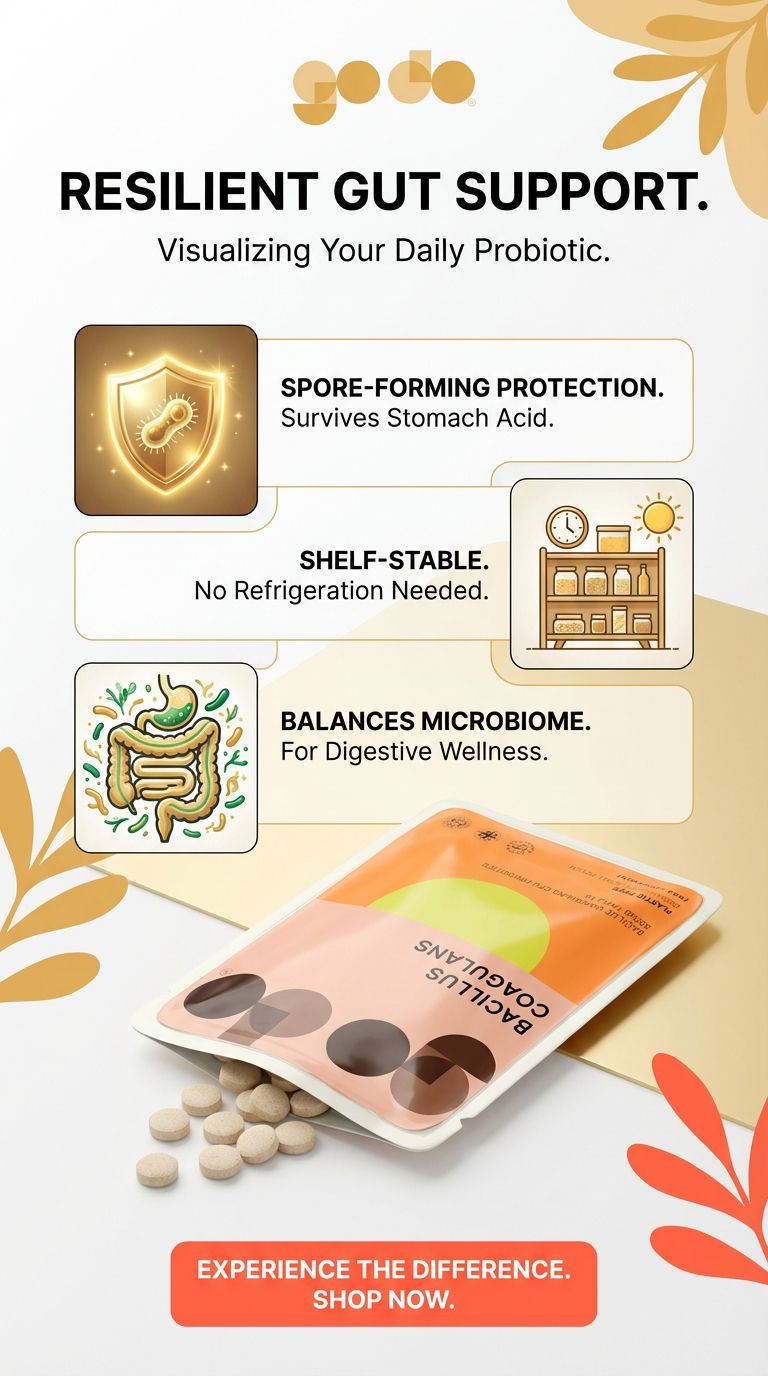
- Gut Health Focus: A healthy gut allows for better nutrient absorption, meaning you can get more out of the food you eat. Check out our Gut Health Collection for sustainable probiotic options.
7. Energy-Efficient Home Gyms
If you prefer working out at home, you can still maintain a sustainable approach by choosing non-electric equipment.
Low-Impact, High-Result Equipment
- Steel Kettlebells: These are virtually indestructible and do not require power. They are perfect for Strength and Fitness routines.
- Manual Treadmills: If you must run indoors, choose a curved manual treadmill powered entirely by your own movement.
- Resistance Bands: These are lightweight, portable, and require minimal resources to manufacture compared to large multi-gym machines.
When building your strength, remember to focus on progressive overload rather than just adding more equipment. Using what you have more effectively is the ultimate form of sustainability.
Key Takeaways for Sustainable Fitness
- Move Outdoors: Reduce electricity consumption by utilizing natural spaces for your workouts.
- Prioritize Durability: Choose high-quality gear made from recycled or natural materials that will not need frequent replacement.
- Reduce Plastic Waste: Opt for supplements with refillable packaging and use stainless steel water bottles.
- Eat Mindfully: Support your fitness with whole foods and sustainably sourced supplements.
- Give Back: Incorporate activities like plogging to improve your local environment while improving your cardiovascular health.
Sustainable fitness is not about perfection; it is about making intentional choices. By modifying your gear, your environment, and your nutrition, you can ensure that your health journey contributes to the health of the planet. For more ways to optimize your performance naturally, browse our Best Sellers to see what the community is using to stay fit and eco-conscious.