For a long time, we’ve been told that if we want to get healthy or lose a bit of weight, we should just "move more and eat less." Usually, that leads people straight to the treadmill for hours of cardio. Don't get me wrong, a good walk or a run is fantastic for your heart, but there is a massive piece of the puzzle that often gets ignored: your muscles. It turns out that skeletal muscle is so much more than just a way to lift heavy things or look good in a t-shirt. Scientists now recognize muscle as a powerhouse that controls your blood sugar, regulates your hormones, and even "talks" to your brain and liver. According to research highlighted by Harvard Health, preserving muscle mass is one of the most important things you can do for your long-term health and vitality.
I remember when I first started my own fitness journey, I was obsessed with the number on the scale. I thought that if I just did enough cardio and ate like a bird, I’d finally reach peak health. But I ended up feeling "skinny-fat": tired, weak, and strangely, I found it harder and harder to maintain my weight. It wasn't until I started focusing on building muscle that everything shifted. My energy levels soared, my "hunger swings" disappeared, and I felt like my body finally had a high-performance engine instead of a sputtering one. That's because muscle is your body's ultimate metabolic organ.
Table of Contents
- The Engine Under the Hood: Why Muscle Mass Matters
- Muscle and Insulin Sensitivity: Your Body’s Sugar Sponge
- The Endocrine Powerhouse: How Muscles "Talk" to You
- Building Muscle for Long-Term Health and Longevity
- Evidence-Based Benefits of Building Muscle
- Safety First: Training and Supplementing Right
- Recommended Reads
The Engine Under the Hood: Why Muscle Mass Matters
Think of your metabolism like a fire. Most people think the "size" of the fire is determined solely by how much they move during the day. While movement helps, the real secret is the size of the logs you have on that fire. Muscle tissue is incredibly "expensive" for your body to maintain. It requires a lot of energy just to sit there. This is what we call your Basal Metabolic Rate (BMR).
In fact, skeletal muscle is the largest metabolic tissue in your body, making up about 40% of your total body weight. Because it’s so large and so active, even small increases in your muscle mass can lead to significant changes in how many calories you burn while you're sleeping, watching TV, or working at your desk. When you have more muscle, your "engine" is bigger, and you naturally burn more fuel. This is one of the primary metabolic benefits of skeletal muscle; it turns your body into a more efficient, calorie-burning machine, making weight management feel much more effortless.

Muscle and Insulin Sensitivity: Your Body’s Sugar Sponge
One of the coolest things about muscle is how it handles the food you eat, especially carbohydrates. When you eat carbs, they get broken down into glucose (sugar) in your blood. Your body then releases insulin to help move that sugar out of your blood and into your cells for energy. Muscle and insulin sensitivity are basically best friends. Muscle is responsible for a whopping 70% to 90% of all insulin-mediated glucose disposal.
Imagine your muscles are like a giant sponge. When you have healthy, active muscle tissue, that sponge is thirsty and ready to soak up any extra sugar in your blood. This keeps your blood sugar stable and prevents those afternoon energy crashes we all dread. If you don't have enough muscle, or if your muscles aren't being "wrung out" through exercise, that sponge gets full and stiff. This is what leads to insulin resistance, which is a major factor in metabolic issues and type 2 diabetes. By building muscle for long-term health, you’re essentially giving your body a massive, high-capacity storage tank for glucose, protecting you from the "sugar spikes" of modern life.
The Endocrine Powerhouse: How Muscles "Talk" to You
For a long time, we thought muscles were just dumb cables that pulled on bones. We were so wrong! We now know that muscle is actually an endocrine organ: which is just a fancy way of saying it produces hormones. When you contract your muscles during a workout, they release special signaling molecules called myokines.
These myokines travel through your bloodstream and communicate with your brain, your liver, and your fat cells. One specific myokine, called IL-6, helps your body burn fat and improves how your liver handles glucose. Another one, called irisin, can even help turn "bad" white fat into "good" brown fat, which burns even more energy. This is why you often feel a "glow" or a sense of mental clarity after a good strength session; your muscles are literally sending "happy and healthy" signals to the rest of your body. It’s a beautiful, internal conversation that keeps your entire system in balance.

Building Muscle for Long-Term Health and Longevity
As we get older, we naturally start to lose muscle mass: a process called sarcopenia. If we aren't careful, we can lose up to 3-5% of our muscle mass every decade after the age of 30. This isn't just about losing your "beach body"; it’s a direct threat to your metabolic health. When you lose muscle, your metabolism slows down, your blood sugar becomes harder to manage, and your risk of falls and fractures goes up.
The good news is that you can fight back! Resistance training is the "fountain of youth" for your metabolism. Whether it’s lifting weights, using resistance bands, or even doing bodyweight exercises like squats and push-ups, you are telling your body that this muscle is necessary. When you combine this with the right nutrients: like high-quality protein and minerals: you give your body the building blocks it needs to repair and grow. This is why we are so passionate about things like Creatine and Magnesium, which provide that extra support for muscle function and recovery.
Evidence-Based Benefits of Building Muscle
If you're still on the fence about picking up those dumbbells, here is a quick look at what the science says about the benefits of muscle:
- Increased Resting Metabolism: Muscle burns more calories at rest than fat tissue does.
- Improved Glucose Control: Better muscle mass leads to more stable blood sugar levels.
- Enhanced Bone Density: Strength training doesn't just build muscle; it makes your bones stronger and denser, too.
- Hormonal Balance: Regular muscle contraction helps regulate insulin, cortisol, and growth hormones.
- Better Cardiovascular Health: More muscle is linked to lower blood pressure and improved cholesterol profiles.
- Cognitive Support: Myokines released during exercise have been shown to support brain health and mood.
Safety First: Training and Supplementing Right
While building muscle is one of the best things you can do for your health, it’s important to do it safely. "More" isn't always "better" if it leads to injury or burnout.
- Start Slow: If you're new to resistance training, start with bodyweight or light weights to master your form.
- Listen to Your Body: A little muscle soreness is normal, but sharp pain is a signal to stop and rest.
- Hydration is Key: Muscles are about 75% water, so stay hydrated to keep them functioning well.
- Consult a Pro: If you have pre-existing heart conditions, joint issues, or metabolic disorders, always chat with your doctor before starting a new intense lifting program.
- Supplement Wisely: Supplements are meant to supplement a good diet. For example, while Magnesium is great for muscle cramps and recovery, don't rely on it to fix a poor sleep schedule or a lack of protein.
Fuel Your Metabolic Engine
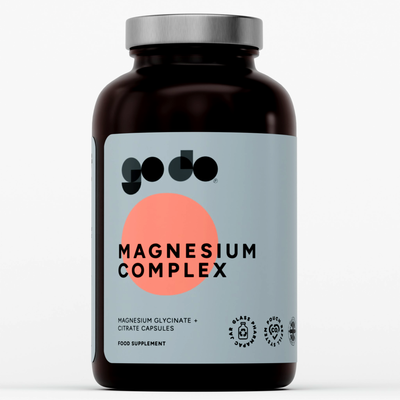
At Fitness Health, we believe that quality nutrition shouldn't cost a fortune. Whether you're looking to support your muscle growth with pure Creatine or ensure your muscles have the minerals they need with our Magnesium Complex, we've got you covered with eco-friendly, UK-made supplements that actually work.

Explore our full range of health-boosting supplements here!
Recommended Reads
If you enjoyed learning about how muscle improves metabolism, you might find these other guides helpful for your journey:
- How to Support Your Joints as You Get Stronger
- The Role of Nutrition in Healthy Weight Loss
- Why Gut Health is the Secret to Better Energy