Bloating is one of those symptoms that can turn a perfectly good day into a battle with your waistband. I have had those evenings too: one normal-looking meal, followed by a stomach that feels unusually full and uncomfortable. The tricky part is that bloating can come from several different causes, so the best supplements for bloating depend on what is happening underneath. The NHS explains that gas, constipation, food intolerance, coeliac disease and IBS are common causes, while hormonal changes can also make some people feel more swollen around their period.
Table of contents
- Why bloating happens
- The best supplements for bloating by cause
- Probiotics and prebiotics
- Digestive enzymes for food-related bloating
- Ginger, peppermint, fennel and artichoke
- Fibre and magnesium for constipation-related bloating
- What to be careful with
- When bloating needs medical attention
- Support your digestion with Fitness Health
- Recommended reading
Why bloating happens
Bloating usually means your abdomen feels full, tight or larger than usual. Sometimes there is visible distension. Sometimes the main problem is trapped wind, rumbling or discomfort.
Common causes include:
- Gas produced when gut bacteria ferment certain carbohydrates
- Swallowing air while eating, drinking or chewing gum
- Constipation, which can trap gas behind slow-moving stool
- Food intolerances, such as lactose intolerance
- IBS and other functional digestive problems
- Eating large meals quickly
- Fluid retention around hormonal changes, including menstruation
- Slow stomach emptying or indigestion
This is why there is no single “bloating pill” that works for everyone. A probiotic may be useful for one person but make another person feel gassier. Fibre may help constipation-related bloating but worsen symptoms if it is increased too quickly.

The best supplements for bloating by cause
The most useful approach is to match the supplement to the likely trigger.
For IBS-type bloating with cramps, enteric-coated peppermint oil has some of the strongest evidence among herbal options. For constipation-related symptoms, soluble fibre such as psyllium may be more appropriate. If bloating happens after dairy or beans, a targeted digestive enzyme can make more sense than a general digestive blend.
For ongoing symptoms, it is worth speaking with a GP or registered dietitian. The NICE guidance for IBS recommends looking at food patterns, fibre type, lifestyle and symptom-specific treatment rather than treating every digestive complaint in the same way.
Probiotics and prebiotics
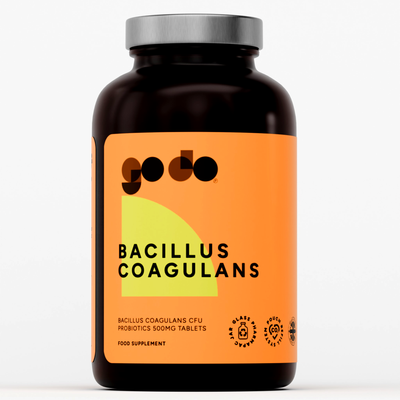
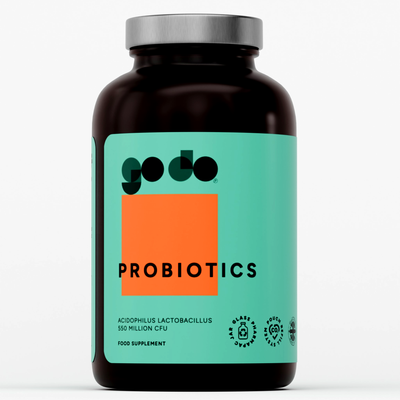
Probiotics are live microorganisms found in fermented foods and supplements. They may influence the balance and activity of bacteria in the gut. Research suggests that some probiotics can modestly improve overall IBS symptoms, including bloating and gas, but the results are mixed.
The important detail is that probiotic effects are strain-specific. A product containing one strain cannot automatically be expected to work like another. Even multi-strain products can differ in their dose, storage requirements and evidence.
The National Center for Complementary and Integrative Health notes that probiotics may help some people with IBS, but the evidence is not definitive for every product. A sensible approach is to try one reputable product for around four weeks, monitor symptoms and stop if bloating clearly gets worse.
Prebiotics are fibres that feed certain gut bacteria. Inulin is a common example. It can be useful for supporting beneficial bacteria, but it is also fermentable. That means it may cause extra gas during the adjustment period, especially in people with IBS or sensitivity to high-FODMAP foods.
So, probiotics and prebiotics are not automatically the best natural supplements for bloating. They may help, but more is not always better.
Digestive enzymes for food-related bloating
Digestive enzymes are most useful when you can connect your symptoms to a particular food.
- Lactase helps digest lactose, the natural sugar in milk. It may reduce bloating, gas and discomfort for people with lactose intolerance.
- Alpha-galactosidase helps break down certain carbohydrates in beans, lentils and some vegetables. It may reduce gas after these foods.
- Protease helps break down protein.
- Lipase helps digest fat.
That does not mean a high-strength enzyme blend is necessary after every meal. Protease and lipase supplements are not a universal solution for ordinary bloating. Prescription pancreatic enzymes are used for diagnosed pancreatic insufficiency, which is a medical condition requiring professional assessment.
For food-specific bloating, a targeted enzyme is usually more logical than a broad “detox” or “digestive cleanse” product. Keep a simple food and symptom diary so you can look for patterns rather than cutting out large food groups without guidance.
Ginger, peppermint, fennel and artichoke
Peppermint oil
Enteric-coated peppermint oil is one of the better-supported bloating relief supplements, particularly for IBS-type bloating with cramping or abdominal discomfort. It appears to relax intestinal smooth muscle and may help gas move through the digestive tract.
The NCCIH summary of peppermint oil research describes modest short-term benefits for IBS symptoms, including bloating and gas. Enteric coating matters because it helps the capsule pass through the stomach before releasing the oil.
Peppermint oil can worsen heartburn and reflux. Avoid it or ask a pharmacist or doctor first if you have gastro-oesophageal reflux disease, a hiatus hernia, gallbladder problems, are pregnant or take regular medication.
Ginger
Ginger may help with nausea, upper-abdominal discomfort and slow stomach emptying. It can be a useful gentle option when bloating feels more like fullness or indigestion after meals.
The evidence is promising but smaller than the evidence for peppermint oil and soluble fibre. Ginger tea is generally milder than concentrated capsules, although supplements may be more consistent in dose.
Fennel and cumin
Fennel and cumin have traditional uses as carminative herbs, meaning they are traditionally used to ease gas and digestive spasms. Small studies and combination formulas suggest possible benefits, but the evidence is not as strong or consistent as it is for peppermint oil.
They can be considered optional natural supplements for bloating, not replacements for investigating persistent symptoms.
Artichoke leaf extract
Artichoke leaf extract has been studied for indigestion and post-meal discomfort. Some combination products containing artichoke and ginger have shown improvements in digestive symptoms, but the research is still limited.
Be cautious if you have gallstones or bile duct problems. Check with a healthcare professional before using concentrated herbal products if you take medication or have a diagnosed digestive condition.

Fibre and magnesium for constipation-related bloating
If you are bloated because bowel movements are infrequent or difficult, improving regularity may help more than taking a general gas supplement.
Soluble fibre, particularly psyllium or ispaghula, absorbs water and forms a gel that can help regulate stool. It is usually better tolerated than large amounts of wheat bran or other coarse insoluble fibre in people with IBS. The NICE IBS recommendations specifically favour soluble fibre when fibre is increased.
Start with a small amount, drink enough fluid and allow your body time to adjust. Increasing fibre quickly can create more gas and discomfort.
Magnesium can have a laxative effect, particularly in forms such as magnesium citrate. It may be useful when constipation is clearly contributing to bloating, but it can also cause diarrhoea and abdominal cramping. The NIH Office of Dietary Supplements warns that the risk of magnesium toxicity is higher in people with impaired kidney function.
Do not use magnesium laxatives without medical advice if you have kidney disease, significant heart problems or take medicines that interact with magnesium.
What to be careful with
The supplement market is full of products promising a flat stomach overnight. Most of these claims are much stronger than the evidence.
Be cautious with:
- “Detox” teas that act as stimulant laxatives
- Large doses of inulin or other fermentable prebiotic fibres
- Unspecified digestive enzyme blends
- Products that promise to remove all bloating permanently
- Long-term elimination diets without professional support
- Stacking several new supplements at once
Introduce one product at a time. Otherwise, you will not know what is helping or causing extra gas. Supplements should support a sensible diet and medical care, not disguise a symptom that needs investigation.
When bloating needs medical attention
Occasional bloating after a large meal is common. Persistent or severe bloating should not simply be managed with supplements.
Speak with a doctor if bloating is regular, does not go away or is getting worse. You should also seek medical advice if it occurs with:
- Unexplained weight loss
- Blood in your stool or black stools
- Persistent diarrhoea or constipation
- Severe or worsening abdominal pain
- Vomiting or fever
- A lump or swelling in your abdomen
- An inability to pass stool or gas
- Loss of appetite, marked tiredness or suspected anaemia
The NHS bloating guidance provides further advice on when to contact a GP, NHS 111 or emergency services. If symptoms are sudden and severe, seek urgent help.
Support your digestion with Fitness Health
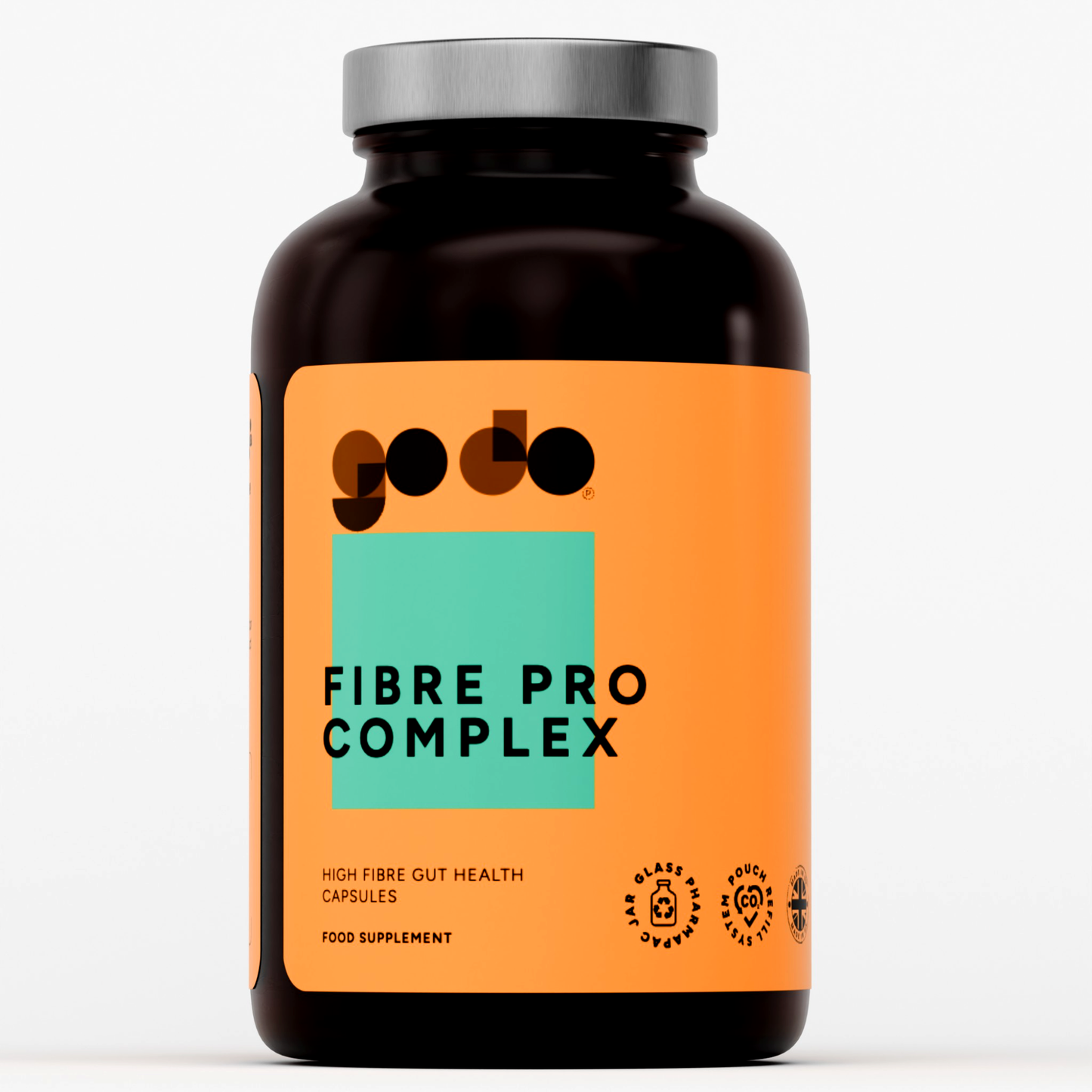
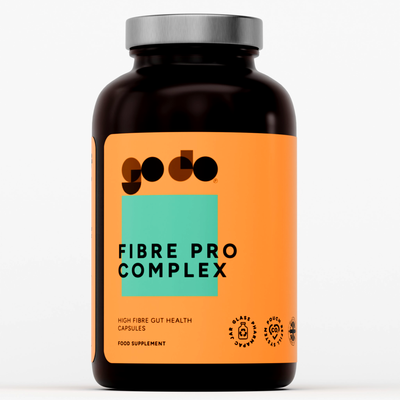
If your goal is to support regularity and everyday gut health, take a look at Fitness Health Fibre Pro Capsules. The formula combines inulin, psyllium husk and Lactobacillus acidophilus in a vegan capsule.
Because inulin and fibre can initially cause gas in some people, begin carefully and follow the product directions. Take it with plenty of water, and stop or speak with a healthcare professional if symptoms become uncomfortable or persistent.
Fitness Health focuses on practical, affordable nutritional support, with UK-made formulas and refill options designed to reduce unnecessary plastic packaging.
Recommended reading
- Explore the Fitness Health Gut Health collection for digestive support products.
- Read Periodization for Your Plate: How to Eat in Training Blocks.
- Learn more about hormonal balance and how it can affect health.
- Try a more flexible approach to eating with The 80/20 Nutrition Rule for Real Life.
Meta description: The Best Supplements for Bloating: What Actually Helps (and What Doesn't). Learn which probiotics, digestive enzymes, fibre, magnesium and herbal supplements may help, plus safety advice and red flags.