Training hydration is easy to underestimate. You finish a workout, take a few sips, and assume you are sorted. But a hard session can cost far more fluid than you notice, especially in warm weather. The NHS hydration guide recommends drinking regularly throughout the day, while also recognising that active people may need more. The tricky part is working out what “more” means for you.
Meta description: The Hydration Blind Spot: How Much Water Your Training Actually Costs You : learn how to estimate sweat rate, replace fluids safely, understand electrolytes, and hydrate around workouts.
Table of Contents
- Why hydration is easy to underestimate
- How much fluid do you need each day?
- How to calculate your personal sweat rate
- Electrolytes: sodium, potassium and magnesium
- Signs you may be dehydrated
- How to hydrate before, during and after training
- Evidence-based benefits of good hydration
- Safety warnings and contraindications
- Support your wider training routine with Fitness Health
- Recommended reading
Why hydration is easy to underestimate
I used to think hydration was mainly about remembering a bottle on long runs. Short gym sessions did not seem to count. Then I started weighing myself before and after a warm strength workout. The scale showed a noticeable drop, even though I had not felt particularly thirsty.
That is the blind spot. Sweat loss is not always obvious. Some people sweat heavily but do not feel thirsty until late in a session. Others train in air-conditioned gyms and lose less fluid than they would outdoors. Exercise intensity, body size, clothing, humidity, heat acclimatisation and session length can all change your fluid needs.
Research published in Nutrients explains that both dehydration and overhydration can create problems during endurance exercise. The goal is not to drink as much as possible. It is to find a sensible middle ground between losing too much fluid and forcing down more than your body can use.
For many people, a workout may cost around 0.5 to 2 litres of sweat per hour. That is a broad estimate, not a target. Your own sweat rate may be much lower or higher.
How much fluid do you need each day?
There is no single perfect water target for every adult. The NHS gives 6 to 8 cups or glasses of fluid per day as a general guide. This includes water, milk, sugar-free drinks, tea and coffee. Food also contributes fluid.
Your needs may rise when you:
- Train for long periods.
- Exercise in hot or humid conditions.
- Wear heavy or restrictive clothing.
- Sweat heavily.
- Have a fever, vomiting or diarrhoea.
- Are pregnant or breastfeeding.
A useful everyday check is urine colour. Pale yellow urine usually suggests reasonable hydration. Darker urine can be a sign that you need more fluid, although urine colour can also change because of supplements, food, medication and first-morning concentration.
Try not to turn hydration into another rigid fitness rule. You do not need to carry a huge bottle everywhere or force yourself to drink beyond comfort. Instead, drink regularly and pay attention to how your body responds before, during and after training.

How to calculate your personal sweat rate
If you want a better answer than “drink more water”, measure what your training actually costs.
Use a normal training session that reflects the type of exercise you usually do. Weigh yourself shortly before the session, ideally in minimal dry clothing. Record how much you drink. After training, towel off and weigh yourself again in similar conditions.
A simple calculation is:
Sweat loss in litres = body-weight loss in kilograms + fluid consumed in litres
Then divide your sweat loss by the session length in hours.
For example, imagine you weigh 75 kg before a 90-minute run and 73.8 kg afterwards. You drank 600 ml during the run.
- Body-weight loss: 1.2 kg
- Fluid consumed: 0.6 litres
- Estimated sweat loss: 1.8 litres
- Session length: 1.5 hours
- Estimated sweat rate: 1.2 litres per hour
That gives you a useful starting point for future sessions in similar conditions.
The result will not be perfect. Food, urine, respiratory water loss and scale accuracy can affect it. Still, repeating the test in cool weather, warm weather and during different types of training can reveal a helpful pattern.
The National Athletic Trainers’ Association position statement also supports individualising fluid replacement rather than relying on one fixed number for everyone.
Electrolytes: sodium, potassium and magnesium
Sweat is not just water. It also contains electrolytes, with sodium and chloride generally making up the largest losses. The amount varies considerably between people.
Sodium
Sodium helps regulate fluid balance and nerve and muscle function. It becomes more relevant during long, hot or very sweaty sessions. You may notice white salt marks on dark clothing after training. That can suggest you lose a higher amount of sodium in sweat, although it is not a precise test.
For a typical short gym session, normal meals are often enough. For prolonged endurance training, especially in heat, a drink or food containing sodium may be useful. The exact amount depends on your sweat rate, sweat sodium concentration, diet and medical history.
Do not assume that taking more salt automatically solves every hydration problem. Sodium supplements cannot compensate for drinking far more fluid than you lose.
Potassium
Potassium is involved in muscle contraction, nerve signalling and fluid balance. Sweat contains potassium, but usually in smaller amounts than sodium. Most active people can replace everyday potassium losses through foods such as potatoes, bananas, beans, yoghurt, leafy greens and fruit.
A varied diet is usually a better foundation than reaching straight for a high-dose potassium supplement.
Magnesium
Magnesium supports normal muscle and nervous system function and contributes to energy metabolism. Foods such as nuts, seeds, whole grains, beans and leafy greens are useful sources.
Magnesium is not a substitute for the sodium and fluid lost during a sweaty workout. It is also not a guaranteed quick fix for cramps. If you use a magnesium supplement, treat it as part of your wider nutrition routine rather than as an emergency rehydration product.
Signs you may be dehydrated
Common signs of dehydration during or after training can include:
- Strong thirst or a dry mouth.
- Darker urine or urinating less often.
- Headache.
- Unusual tiredness.
- Dizziness or light-headedness.
- Reduced concentration.
- A higher-than-usual heart rate.
- Feeling that a familiar workout is suddenly much harder.
- Reduced exercise performance.
These symptoms are not unique to dehydration. Poor sleep, low energy intake, illness and excessive training can feel similar. That is why it helps to look at the full picture.
During exercise, a sudden drop in pace, coordination or concentration is a reason to slow down and cool off. Do not try to “push through” confusion, faintness or severe weakness.
How to hydrate before, during and after training
Before training, arrive normally hydrated rather than trying to flood yourself with water at the last minute. Drink with meals and sip fluids during the few hours before exercise. The NHS recommends drinking extra fluids after sweating from physical activity, with water as a simple option.
For sessions under an hour in mild conditions, drinking to thirst may be enough for many people. Bring water if you prefer, but you may not need a special sports drink.
For longer or harder sessions, a practical starting range is often around 400 to 800 ml per hour. Adjust this based on your sweat-rate test, the weather and how your stomach feels. Smaller, regular sips are often more comfortable than drinking a large amount at once.
During long, hot workouts, consider combining fluids with sodium-containing food or a suitable electrolyte drink. This can be especially useful if you sweat heavily or train for more than two hours.
After training, replace fluids gradually rather than trying to empty a large bottle in one go. If you lost 1 kg during exercise, replacing roughly 1.25 to 1.5 litres over the following hours is a common sports nutrition approach. Include a normal meal or snack containing some sodium and carbohydrate, particularly after a long session.
Most importantly, do not aim to gain weight during exercise by drinking beyond thirst. The exercise rehydration review in Nutrients highlights the risk of exercise-associated hyponatremia when people consume excessive amounts of dilute fluid.
Evidence-based benefits of good hydration
Matching fluid intake to your personal needs may help support:
- Normal temperature regulation during exercise.
- Cardiovascular function and circulation.
- Comfortable movement and normal muscle function.
- Concentration and decision-making during longer sessions.
- Perceived effort, particularly in warm conditions.
- Recovery of fluid balance after heavy sweating.
- Better training consistency from day to day.
Hydration is not a performance shortcut. It cannot replace adequate calories, carbohydrate, protein, sleep or sensible programming. It simply removes one avoidable obstacle.

Safety warnings and contraindications
Avoid forcing down large amounts of plain water before, during or after exercise. Overhydration can dilute blood sodium and may cause exercise-associated hyponatremia. Warning signs can include headache, nausea, vomiting, bloating, puffiness, confusion, unusual drowsiness and difficulty breathing.
Confusion, seizures, collapse or severe breathing problems require urgent emergency medical care. Do not assume these symptoms are ordinary dehydration.
Speak with a healthcare professional before making major changes to fluid or electrolyte intake if you have kidney disease, heart failure, liver disease, uncontrolled high blood pressure or a condition requiring fluid restriction. Also ask for professional advice if you take diuretics or medicines that affect kidney function or electrolyte levels.
Be cautious with potassium or magnesium supplements if you have impaired kidney function. High doses can be harmful. Check labels carefully if you use several supplements, as ingredients can overlap.
Support your wider training routine with Fitness Health
Hydration works best as part of a complete routine. Fitness Health offers UK-made supplements designed to complement everyday nutrition, including vegan-friendly and plastic-free refill options.
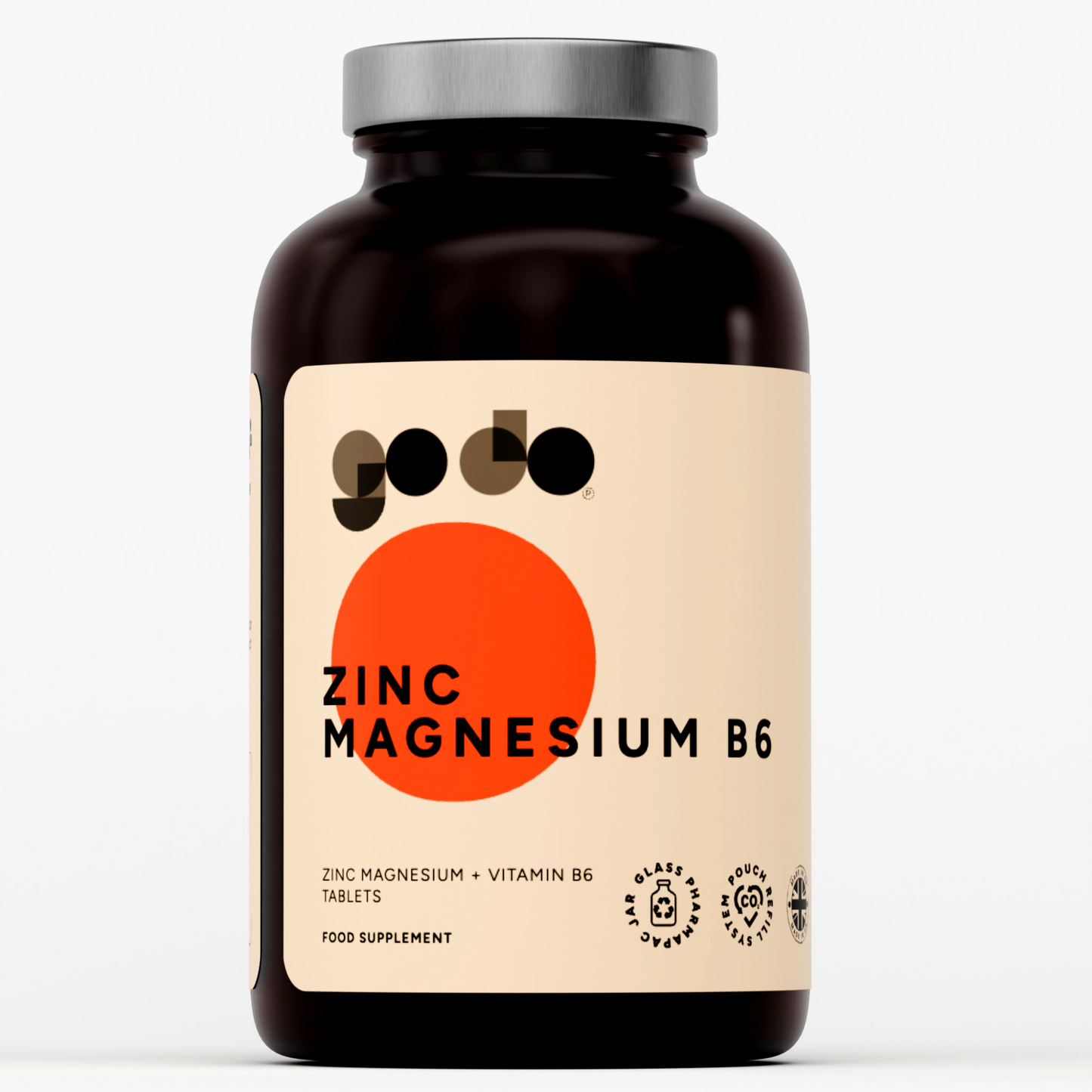
Our Zinc Magnesium & Vitamin B6 Tablets provide magnesium, zinc and vitamin B6 for people who want convenient support for their wider muscle, recovery and sleep routine. Take them with water as directed on the product page. They are not a replacement for fluids or sodium during training, but they can fit neatly alongside a balanced diet and sensible hydration plan.
Recommended reading
Want to build a more complete wellness routine? Explore:
- Strength & Fitness supplements
- Energy support
- Sleep supplements
- Vitamins & Minerals
- Gut Health supplements
- The Vegan Athlete’s Guide to Essential Nutrients
The big hydration lesson is simple: your training has a fluid cost, but that cost is personal. Start with regular drinks throughout the day, measure your sweat rate for key sessions, add electrolytes when the conditions call for them, and avoid both extremes. You do not need a complicated plan. You just need one that matches the workout in front of you.