You know the routine. The alarm goes off at 7:00 AM. You stumble into the kitchen, bleary-eyed, and head straight for the kettle or the espresso machine. By 8:00 AM, you’ve had your first dose of liquid gold. You feel invincible for about three hours. Then, 2:00 PM hits.
The "afternoon slump" isn't just a lack of willpower; it’s a physiological debt you’ve been racking up since the moment you woke up. If you find yourself reaching for a third cup of coffee just to survive your afternoon meetings, the problem isn't the coffee: it's the timing.
In the world of biohacking and high performance, we talk a lot about what we put in our bodies. But when we put it there is often more important. If you want to master your energy levels, you need to understand the relationship between caffeine, a molecule called adenosine, and your natural cortisol spike.
The Science of the "Sleep Debt" Molecule: Adenosine
To understand why your early morning coffee is sabotaging you, we have to look at how caffeine actually works. Most people think caffeine is like "fuel" for the brain. It’s not. It doesn't actually give you energy; it just prevents you from feeling tired.
Throughout the day, your brain produces a chemical called adenosine. Think of adenosine as a "sleep pressure" molecule. The longer you are awake, the more adenosine builds up in your system. By the time evening rolls around, your adenosine levels are high, signaling to your brain that it’s time to sleep.
When you drink coffee, caffeine travels to your brain and fits into the same receptors that adenosine normally occupies. It essentially "plugs" the hole so the sleep-inducing molecules can't get in. You feel alert because the "tired" signal is being blocked.

The Adenosine Rebound
Here is the catch: while caffeine is blocking those receptors, your body doesn't stop producing adenosine. It keeps building up in the background like water behind a dam. Once the caffeine is metabolized and leaves the receptors: usually 4 to 6 hours later: all that stored-up adenosine rushes in at once.
This is the "adenosine rebound." If you drink coffee at 8:00 AM, the caffeine starts wearing off right around 1:00 PM or 2:00 PM. That sudden flood of sleep pressure is exactly what causes the mid-afternoon crash.
The Cortisol Conflict: Why 8 AM is the Worst Time to Drink Coffee
When you wake up, your body is already doing the work for you. Within the first 30 to 45 minutes of waking, your body experiences a natural spike in cortisol. This is often called the "Cortisol Awakening Response."
Cortisol is your body’s natural alertness hormone. It’s designed to get you moving, increase your blood sugar, and prepare you for the day. When you consume caffeine during this natural peak, two things happen:
- Diminished Returns: You’re adding a stimulant to a system that is already at its peak natural alertness. You don't get as much "bang for your buck" from the caffeine.
- Tolerance Build-up: Because you’re overriding a natural process, your body begins to rely on the external stimulant rather than its own internal rhythm. Over time, this leads to caffeine tolerance, meaning you need more and more coffee just to feel "normal."
By delaying your caffeine intake, you allow your body's natural cortisol levels to do their job first. This preserves the "kick" of the caffeine for when your natural energy starts to dip.
The 90-Minute Rule: A Biohacker’s Secret
If you want to avoid the crash and maximize your focus, the golden rule is to delay your first cup of coffee by 90 to 120 minutes after waking.
Why 90 minutes? This window allows your system to clear out the residual adenosine left over from the night before. If you mask that leftover adenosine with caffeine immediately, it never leaves your system; it just sits there waiting to haunt you in the afternoon.
By waiting 90 minutes, you allow that "sleep pressure" to dissipate naturally. When you finally do have your coffee, you’re starting from a clean slate. The result? A smoother energy curve that lasts well into the afternoon without the jagged "up and down" feeling.
What to do during those first 90 minutes:
- Hydrate: You lose a significant amount of water through respiration while you sleep. Drink 500ml of water (perhaps with a pinch of sea salt) before anything else.
- Sunlight: Get natural light in your eyes. This signals your brain to stop producing melatonin and reinforces your circadian rhythm.
- Movement: A quick 5-minute walk or some light stretching can stimulate blood flow and natural alertness.
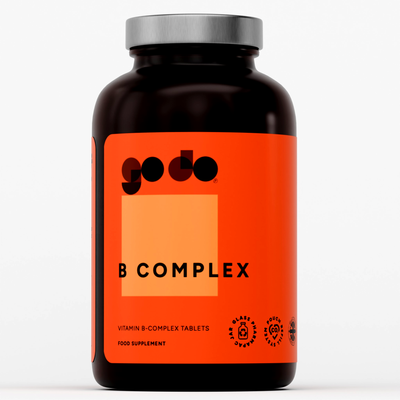
- Support your Micronutrients: Instead of reaching for a stimulant, reach for cellular support. Taking a Vitamin B Complex in the morning helps your body convert food into fuel naturally, providing a steady baseline of energy that caffeine can't replicate.

Strategic Supplementation: Bridging the Gap
If you’re worried about feeling sluggish during that 90-minute wait, or if you want to further optimize your cognitive performance, there are better ways to prime your brain than just hammering the espresso button.
1. Nootropics for Focus
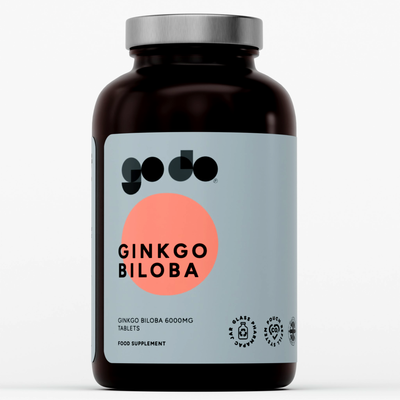
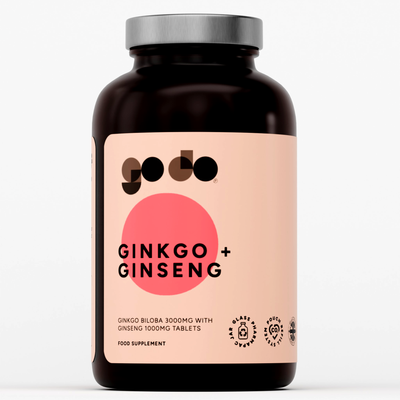
If your goal is mental clarity rather than just "staying awake," consider nootropics. Ingredients like Ginkgo Biloba and Ginseng help with blood circulation to the brain and cognitive endurance. Unlike caffeine, which can cause jitters and anxiety, these herbs support the brain’s ability to handle stress and stay focused.
2. The Iron Connection
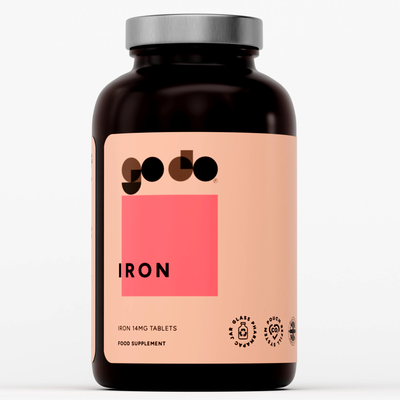
Persistent fatigue often isn't a caffeine issue: it's an oxygen issue. Iron is essential for the production of hemoglobin, which carries oxygen to your cells. If you’re constantly feeling "heavy" or tired regardless of how much coffee you drink, you might need an Iron supplement to support your blood health and natural energy levels.
3. Magnesium and Zinc for Recovery
Your energy levels tomorrow are determined by how you recover tonight. If you’re using caffeine to mask a lack of quality sleep, you’re fighting a losing battle. Using a Zinc and Magnesium supplement before bed can improve sleep quality, ensuring you wake up with lower adenosine levels to begin with.
How to Transition (Without the Headache)
If you’re used to drinking coffee the second your eyes open, jumping straight to a 90-minute delay might result in a withdrawal headache. Here is how to transition like a pro:
- Day 1-3: Delay your coffee by just 15 minutes.
- Day 4-7: Move to 30-45 minutes. Focus on drinking a large glass of water during this time.
- Week 2: Push for 60 minutes. Introduce light movement or a high-protein breakfast.
- Week 3: Hit the 90-minute mark.
During this transition, you can use Creatine Monohydrate. While usually associated with the gym, Creatine is also a powerful cognitive enhancer that supports ATP (energy) production in the brain, helping you stay sharp without the caffeine jitters.

The Quarter-Life Rule: Caffeine Timing for Sleep
Biohacking your caffeine isn't just about the morning; it’s about the evening too. Caffeine has a half-life of about 5 to 6 hours. This means if you have a cup of coffee at 4:00 PM, half of that caffeine is still in your brain at 10:00 PM.
Even worse is the quarter-life. 10 to 12 hours after your last cup, about 25% of the caffeine is still active. Even if you can fall asleep with caffeine in your system, it drastically reduces the amount of "Deep Sleep" (REMS) you get. You wake up feeling unrefreshed, which makes you reach for that 8:00 AM coffee, and the cycle repeats.
The Strategy: Aim for a "caffeine cutoff" at least 10 hours before you plan to go to bed. If you need a mid-afternoon pick-me-up, try an Apple Cider Vinegar capsule to stabilize blood sugar and energy instead.
Summary: Your New Energy Protocol
Stop being a slave to the morning coffee pot. By understanding the biohacking principles of adenosine management and cortisol rhythms, you can reclaim your energy and delete the afternoon crash from your life.
- Wait 90-120 minutes after waking before your first caffeinated drink.
- Hydrate first with 500ml of water and electrolytes.
- Get sunlight to set your circadian clock.
- Support your baseline with a Vitamin B Complex and Iron.
- Cut off caffeine 10 hours before bed to protect your sleep quality.

Key Takeaways
| Action | Benefit |
|---|---|
| 90-Min Delay | Clears adenosine, prevents the 2 PM crash. |
| Morning Hydration | Rehydrates the brain and flushes toxins. |
| B-Vitamins | Provides natural energy without the jitters. |
| 10-Hour Cutoff | Ensures deep, restorative sleep. |
Changing your coffee habit is one of the simplest, highest-ROI shifts you can make for your health. Give it a week: your brain (and your afternoon self) will thank you. For more ways to optimize your performance, explore our full range of energy-supporting supplements at Fitness Health.