If you’ve spent any time in a commercial gym lately, you’ve probably heard the mantra: "No pain, no gain." We are conditioned to believe that if we aren’t gasping for air, drenched in sweat, and seeing stars by the end of a workout, we haven’t worked hard enough. High-Intensity Interval Training (HIIT) and heavy lifting have taken center stage, leaving steady-state cardio in the dust.
But what if the key to unlocking your next personal best in the squat rack, and living a longer, healthier life, is actually... slowing down?
Welcome to the world of Zone 2 training. It’s often called "boring" because, frankly, it is. You aren’t sprinting. You aren’t collapsing. You’re moving at a pace that feels almost too easy. Yet, this "boring" intensity is the secret weapon used by elite endurance athletes and longevity experts to build a bulletproof aerobic base.
What is Zone 2 Training?
Technically speaking, Zone 2 is a level of intensity where you are exercising at roughly 60–70% of your maximum heart rate. At this level, your body is primarily using fat oxidation (burning fat) and oxygen to create ATP (energy) within your mitochondria.
Think of it as the "steady state" sweet spot. You’re moving fast enough that your heart rate is elevated, but slow enough that you aren't producing significant amounts of lactate.
The "Talk Test" Method
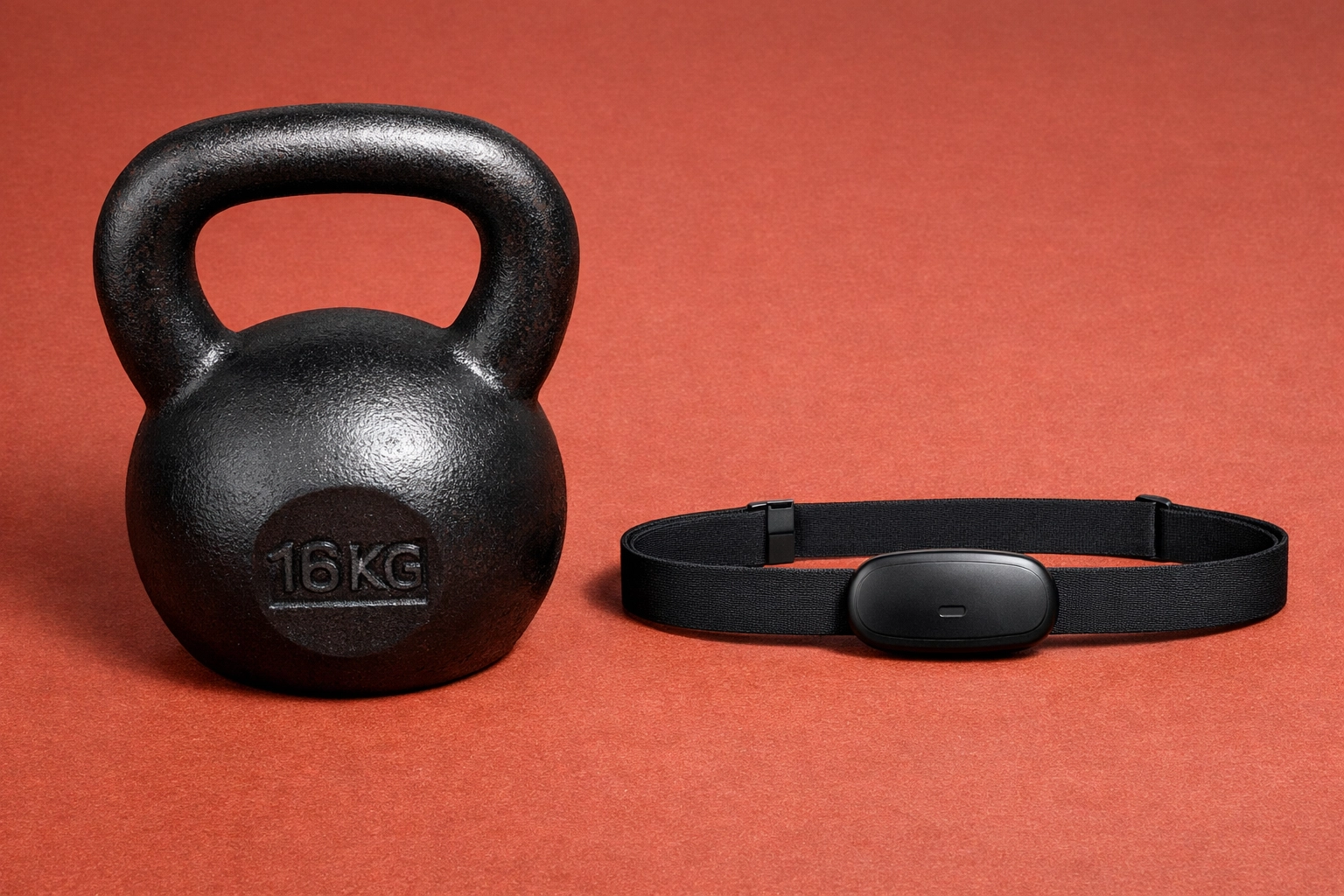
You don't necessarily need a high-tech chest strap to find your Zone 2, though they help. A simple way to gauge it is the "Talk Test." If you can hold a full conversation without gasping for air, but the person on the other end of the phone can tell you are exercising, you’re likely in Zone 2. If you have to stop speaking to take a breath every few words, you’ve drifted into Zone 3.
Why Zone 2 Feels "Boring" But Works
The reason many people skip Zone 2 is that it doesn't provide the immediate "ego boost" of a hard workout. In a world of fitness trackers and calorie counting, a 45-minute Zone 2 session looks less "productive" than a 20-minute HIIT circuit.
However, the physiological adaptations happening under the hood are profound. While high-intensity work improves your peak power, Zone 2 builds the foundation that allows that power to exist. Research shows that a polarized training approach, where about 80% of your work is low intensity (Zone 2) and 20% is high intensity, results in the greatest improvements in VO2 max and time-to-exhaustion.
Essentially, you have to go slow to go fast.
The Cellular Magic: Mitochondrial Health
The biggest benefit of Zone 2 training is what it does for your mitochondria, the "powerhouses" of your cells.
When you train at high intensities, your body switches from burning fat to burning glucose (sugar) through anaerobic pathways. While this is great for short bursts of speed, it’s not very efficient for long-term health. Zone 2 training, however, specifically targets and stresses the mitochondria to become more efficient at burning fat for fuel.
Regular Zone 2 sessions can:
- Increase Mitochondrial Density: You actually grow more mitochondria in your muscle cells.
- Improve Metabolic Flexibility: Your body becomes better at switching between burning fat and burning carbs.
- Clear Lactate Faster: By improving your aerobic base, you become better at clearing the "burn" out of your muscles during high-intensity efforts.
For those interested in longevity, this is the holy grail. Efficient mitochondria are linked to lower risks of metabolic diseases, better brain health, and more stable energy levels throughout the day. If you struggle with mid-afternoon crashes, a lack of Zone 2 might be the culprit. To support this cellular energy production, many athletes supplement with a Vitamin B Complex to ensure the metabolic pathways have the co-factors they need to run smoothly.
The Secret Weapon for Heavy Lifters
You might be thinking, "I’m a powerlifter, why do I care about aerobic base?"
Here is the truth: Your recovery between sets is an aerobic process. If you’ve ever finished a heavy set of five squats and felt like you couldn't catch your breath for ten minutes, your aerobic base is likely the bottleneck.
By improving your Zone 2 fitness, you improve your body's ability to regenerate ATP during your rest periods. This means:
- More Volume: You can handle more sets per workout because you recover faster between them.
- Better Work Capacity: You won't gas out halfway through a long leg day.
- Enhanced Parasympathetic Tone: Zone 2 helps shift your nervous system out of "fight or flight" (sympathetic) and into "rest and digest" (parasympathetic). This is crucial for muscle growth and avoiding burnout.
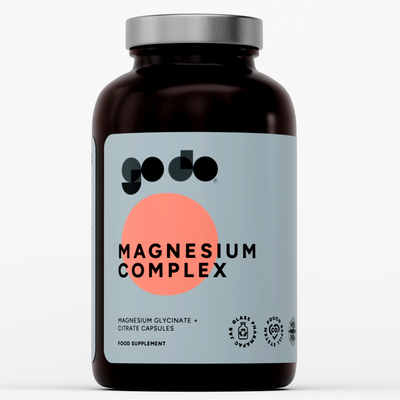
To further support muscle recovery after these sessions, incorporating Creatine Monohydrate and ensuring adequate mineral intake with Zinc and Magnesium (ZMA) can help bridge the gap between training stress and physical adaptation.
How to Start Zone 2 Training This Week
Ready to embrace the "boring" gains? Here is how to integrate Zone 2 into your current routine without overcomplicating things.
1. Choose Your Activity
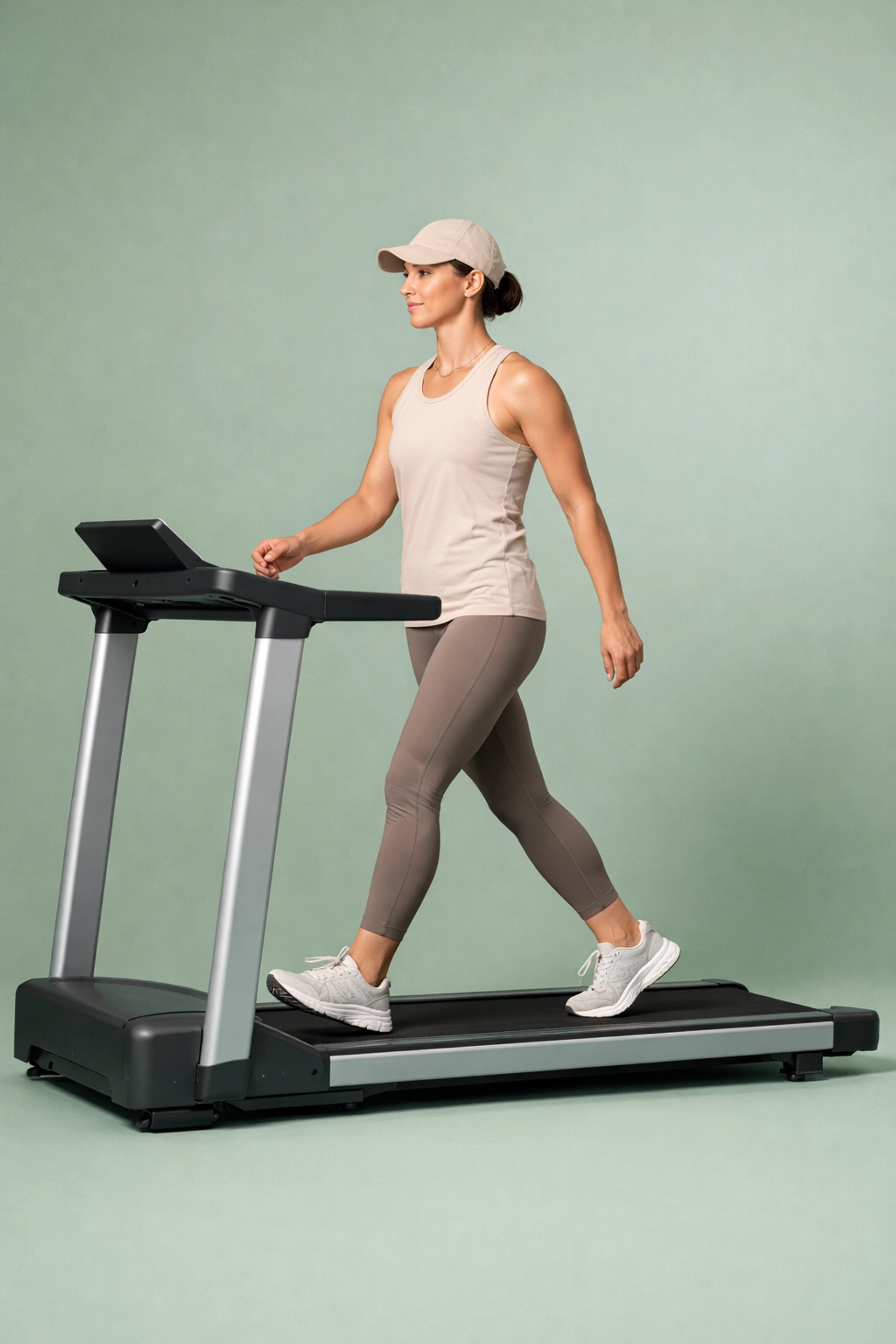
Anything that keeps your heart rate steady works. Running is the most common, but for many, running keeps the heart rate too high. Cycling, brisk walking on an incline, or using an elliptical are often better for staying in the zone. If you prefer a more structured walking approach, check out our guide on Japanese Walking.
2. Aim for 150 Minutes a Week
The general recommendation for significant mitochondrial health benefits is 150 to 180 minutes per week. This can be broken down into three 50-minute sessions or four 40-minute sessions.
3. Keep It Consistent
Consistency is more important than duration. Even a 20-minute daily Zone 2 walk is better than one long session once every two weeks. The goal is to keep the stimulus regular to force the mitochondria to adapt.
4. Monitor Your Heart Rate
If you want to be precise, use the 180 Formula (180 minus your age) as a rough ceiling for your Zone 2 heart rate. For example, if you are 30 years old, aim to keep your heart rate around 150 bpm. If you find yourself creeping up to 160 or 170, slow down. Yes, even if it feels like you're walking.
Supporting Your Engine: Nutrition and Supplements
Because Zone 2 training is a high-volume, "low-stress" activity, it doesn't require the same aggressive fueling as a heavy lifting session. However, supporting your cardiovascular system and energy metabolism is key.
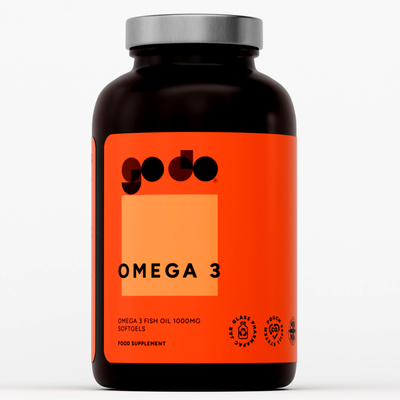
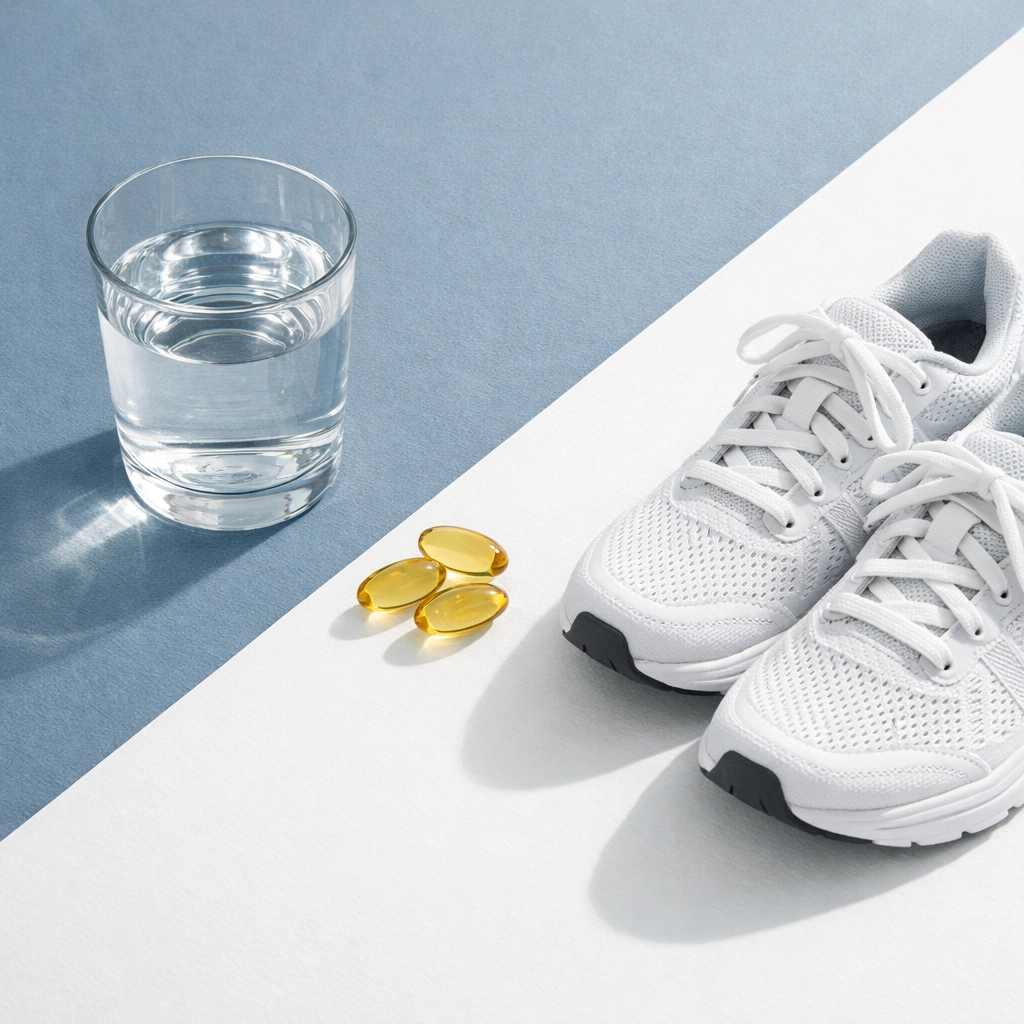
- Heart Health: Since Zone 2 is all about the heart and circulation, Omega-3 Fish Oil is a staple for maintaining healthy blood flow and reducing systemic inflammation.
- Circulation: Supplements like Ginkgo Biloba can assist with peripheral circulation, ensuring oxygen reaches the working muscles efficiently.
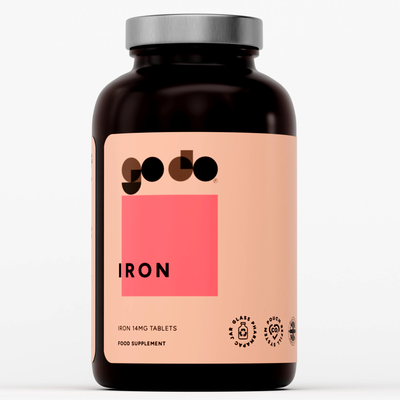
- Iron Levels: Aerobic training increases the demand for oxygen transport. If your iron levels are low, you’ll find Zone 2 feels much harder than it should. An Iron supplement can be helpful if you aren't getting enough from your diet.
Common Pitfalls to Avoid
The most common mistake people make with Zone 2 is going too fast.
In the fitness world, we are taught that "more is better." If Zone 2 is good, Zone 3 must be better, right? Wrong. Once you cross into Zone 3, you begin to produce more lactate and shift away from pure fat oxidation. You end up in "No Man's Land": too hard to be a recovery/aerobic session, but too easy to be a true high-intensity session.
Don't be afraid to be the slowest person on the trail or the treadmill. Remember, you aren't training for a 5k sprint in that moment; you are training your cells to be more efficient.
Summary: The Long-Game Strategy
Zone 2 training isn't flashy. It won't make for a "hardcore" Instagram story, and you won't feel like a warrior when you're finished. But if you want to be the person who is still hitting the gym at 80, or the lifter who never seems to hit a plateau, you cannot ignore your aerobic base.
Key Takeaways:
- Target Intensity: 60-70% of max HR (or the "Talk Test").
- Main Benefit: Improved mitochondrial function and metabolic flexibility.
- Lifting Connection: Faster recovery between sets and higher overall work capacity.
- Volume: Aim for 150+ minutes per week for the best results.
- Support: Use supplements like Omega-3, B-Complex, and Magnesium to fuel the aerobic engine.
Stop chasing the "burn" every single day. Give your body the "boring" work it needs to build a foundation that lasts a lifetime. Your future self (and your mitochondria) will thank you.
Disclaimer: Always consult with a healthcare professional before starting a new exercise regime, especially one involving heart rate targets, if you have underlying health conditions.