If you spend more time in the pool than on dry land, you know the drill. That lingering scent of chlorine follows you into meetings, your hair starts feeling like straw, and your skin is perpetually dry. But for competitive swimmers in 2026, we’re realizing that the impact of chlorine goes much deeper than just aesthetic annoyances.
While chlorine is essential for keeping public pools safe from bacteria, it’s a double-edged sword for high-performance athletes. Recent research shows that chlorine and its byproducts can actually throttle your performance from the inside out, affecting everything from your lung capacity to how your muscles produce energy.
Here is how chlorine affects your system and, more importantly, how you can protect yourself to keep your training on track.
The Performance Cost: Beyond the Surface
When we talk about chlorine in swimming, we are usually talking about chloramines. These are the chemical compounds formed when chlorine reacts with organic matter (like sweat or skin cells). If a pool has a strong "chlorine smell," it’s actually the smell of chloramines, and that’s a sign of poor air quality.
1. Respiratory Roadblocks
Chloramines hover just above the water's surface: exactly where you take your most aggressive breaths. Research has shown that these compounds can alter your airway mucosa metabolism. This means your lungs become less efficient at exchanging oxygen and carbon dioxide.
For a competitive swimmer, even a 1% drop in respiratory efficiency is the difference between a podium finish and a personal best. Long-term exposure is also linked to "swimmer’s asthma" or bronchial hyperactivity. In fact, up to 65% of competitive swimmers develop sensitivities to common allergens because their airways are constantly being "primed" by these chemicals.
2. Metabolic Disruption
This is the part that surprises most athletes. Chlorine exposure can actually inhibit the TCA cycle (the Krebs cycle) and oxidative phosphorylation. These are the primary pathways your body uses to create energy. When these pathways are stressed, your skeletal muscles have to work harder to recover. You might feel "flat" during a set not because you lack fitness, but because your cellular energy production is being suppressed by your environment.

Protecting Your External Barrier: Skin and Hair
Your skin is your body’s largest organ, and it acts like a sponge. If you jump into a chlorinated pool with dry skin, you’re essentially inviting the chemicals to soak in.
The Pre-Swim Ritual
The best defense is a proactive one.
- The Saturate Method: Always shower with fresh water before entering the pool. By saturating your skin and hair with fresh water first, you limit how much chlorinated water they can absorb.
- Barrier Creams: Use a thin layer of specialized pre-swim lotion or natural oils (like coconut oil) to create a hydrophobic barrier on the skin.
- The Cap Rule: Wet your hair thoroughly and apply a leave-in conditioner before putting on your silicone cap. This prevents the "straw" texture and protects the scalp from absorbing chemicals.
The Post-Swim Cleanse
Don't let the chlorine sit. As soon as you finish your set, you need to neutralize the chemicals.
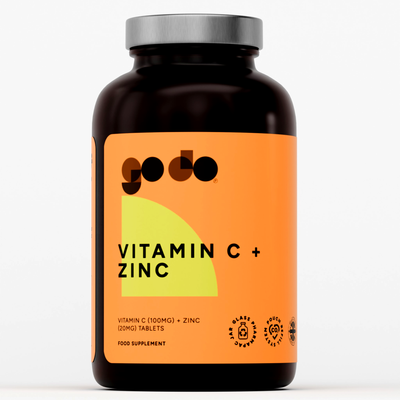
- Vitamin C Sprays: Vitamin C (ascorbic acid) effectively neutralizes chlorine. You can buy specialized sprays or make your own to mist over your skin before using soap.
- Chelating Shampoos: Use a shampoo specifically designed to remove pool chemicals. Regular soap often isn't enough to break the bond between the chlorine and your hair proteins.
Internal Recovery: Nutrition for the Swimmer
Since we know chlorine impacts metabolic pathways and causes oxidative stress, your nutrition needs to be geared toward cellular repair and respiratory support.
Fighting Oxidative Stress
To combat the metabolic disruption mentioned earlier, focus on antioxidants and minerals that support muscle recovery.
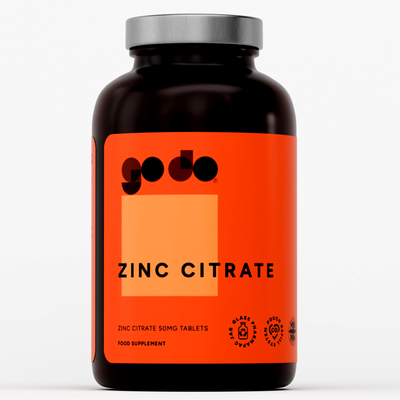
- Zinc and Magnesium: These are essential for muscle function and immune health, both of which take a hit during heavy training blocks. Our Zinc, Magnesium, and Vitamin B6 tablets are designed specifically to support muscle recovery and sleep, which is when your body repairs the damage from chemical exposure.
- Omega-3 Fatty Acids: Chronic inflammation in the lungs can be mitigated by high-quality fats. Omega-3s help maintain the integrity of cell membranes. Check out our Omega-3 Fish Oil to help keep your system resilient.
Managing the TCA Cycle
Since chlorine can inhibit energy-producing pathways, supplementing with compounds that support mitochondrial health is a smart move for the competitive swimmer. Creatine Monohydrate isn't just for bodybuilders; it helps provide the quick-access energy your muscles need when oxidative pathways are under stress.
Environmental Factors: Choosing the Right Facility
In 2026, more facilities are moving toward eco-conscious and "biologically friendly" water treatment. If you have the choice, look for pools that use:
- UV Filtration: UV light breaks down chloramines more effectively than chemical additives alone.
- Ozone Systems: Ozone is a powerful oxidizer that reduces the amount of chlorine needed to keep the water sterile.
- Saltwater Systems: While they still use chlorine (generated from the salt), these pools generally have lower levels of chloramines and are much gentler on the skin and eyes.
If you train in an indoor facility, ventilation is your best friend. If the air feels "heavy" or smells strongly, the ventilation is likely inadequate. Suggesting a simple upgrade to the facility's airflow can drastically improve the performance of every athlete in the water.
Your 5-Step Protection Checklist
To keep your performance high and your health intact, follow this protocol every time you train:
- Hydrate the Barrier: Shower for at least 2 minutes before getting in the water to saturate your skin and hair with fresh water.
- External Defense: Apply a pre-swim barrier or leave-in conditioner under a high-quality silicone cap.
- Neutralize Immediately: Use a Vitamin C-based rinse or specialized swim soap immediately after your session.
- Support the Lungs: Focus on nasal breathing during your warm-up and cool-down to filter air more effectively and reduce direct chemical inhalation.
- Supplement for Recovery: Prioritize Zinc and Magnesium and Omega-3s to fix the internal oxidative damage caused by chlorine byproducts.
Summary: Training Smarter
Swimming is one of the most demanding sports in the world, and you shouldn't let the training environment hold you back. By understanding that chlorine is an internal metabolic stressor: not just a skin irritant: you can adjust your recovery and preparation to gain a competitive edge.
If you're noticing that your recovery is lagging or you're feeling unusually fatigued after long pool sessions, it might be time to look at your "chemical load." Protecting your system allows you to train harder, recover faster, and ultimately, swim faster.
For more tips on optimizing your training and recovery, check out our guide on Compound vs. Isolation Exercises to help build the dry-land strength needed for a more powerful stroke.
Key Takeaways:
- Chloramines are the real enemy, causing respiratory and metabolic slowdowns.
- Pre-saturation with fresh water is your most effective skin and hair defense.
- Vitamin C is the gold standard for neutralizing chlorine on the body.
- Internal support via antioxidants and minerals (Zinc, Magnesium, Omega-3) is crucial for maintaining energy pathways.
- Facility quality matters: prioritize UV or Ozone-treated pools whenever possible.
Need more advice on tailoring your supplement stack for your specific sport? Reach out to us via our Contact Page or check out our FAQs for more info on how we support athlete wellness.