If you have ever watched an athlete explode off the ground for a dunk or sprint out of the blocks with incredible speed, you are witnessing plyometrics in action. Often referred to simply as "jump training," plyometrics are exercises in which muscles exert maximum force in short intervals of time.
While these movements are a staple for professional athletes, they are not exclusive to the elite. For the average fitness enthusiast, incorporating plyometric training into a routine can bridge the gap between "gym strength" and "functional power." This guide covers the science of explosive movement, how to stay safe, and how to start your own plyometric progression.
What Are Plyometrics?
Plyometrics is a training method designed to increase muscular power and explosiveness. Unlike traditional resistance training, which often focuses on slow, controlled movements to build muscle size (hypertrophy), plyometrics focuses on the speed of force production.
The goal is to train your central nervous system to react more quickly. When you perform a plyometric movement, you are teaching your muscles to transition from an extension to a contraction in the shortest time possible. This specific phase: the transition between the landing and the takeoff: is known as the Stretch-Shortening Cycle (SSC).
The Three Phases of the Stretch-Shortening Cycle
To understand how to get the most out of jump training, you need to understand the three distinct phases of the SSC:
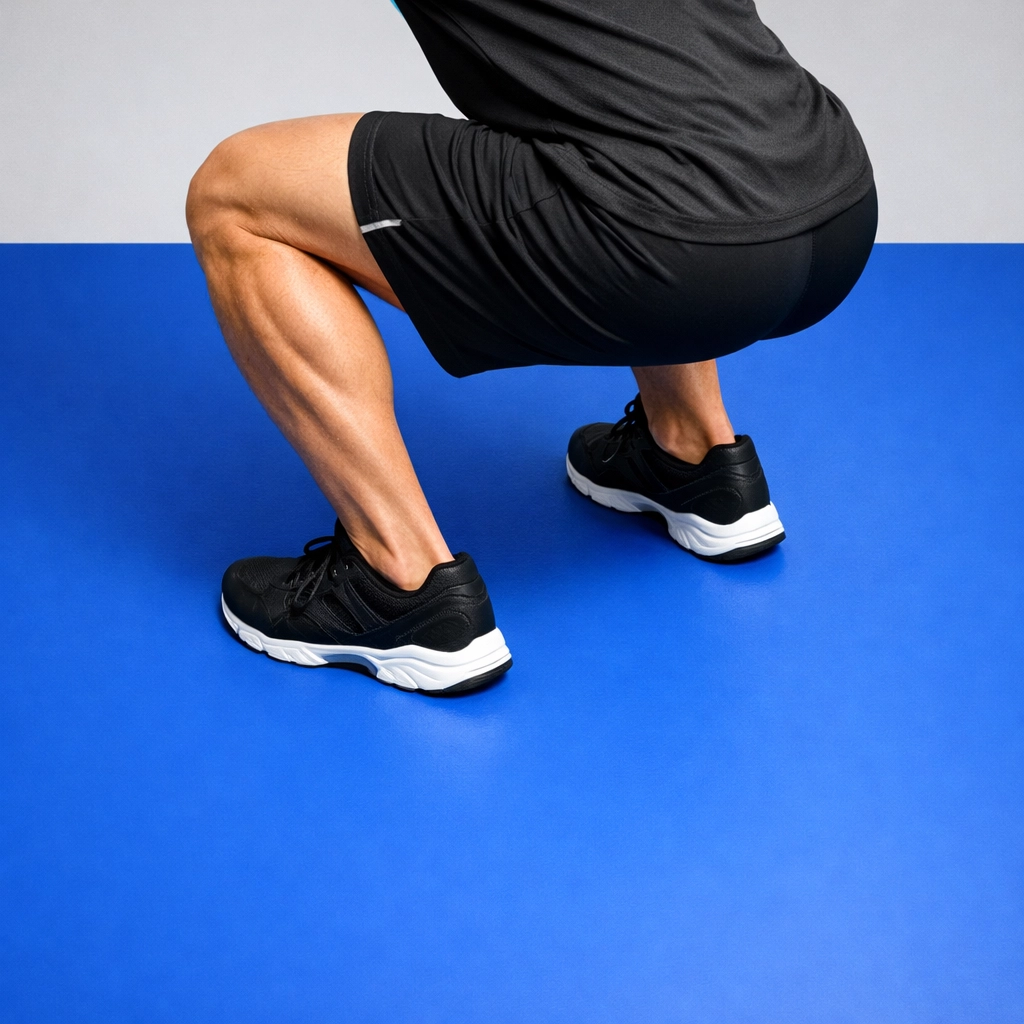
- The Eccentric Phase: This is the "loading" phase. Think of it as stretching a rubber band. As you squat down to prepare for a jump, your muscles (like your glutes and quads) lengthen under tension, storing elastic energy.
- The Amortization Phase: This is the brief transition period between landing and taking off. The shorter this phase is, the more powerful the subsequent movement will be. If you pause too long at the bottom of a jump, the stored energy dissipates as heat, and the "spring" effect is lost.
- The Concentric Phase: This is the "explosion." The stored energy is released, combining with a forceful muscle contraction to propel you upward or forward.
Why You Should Add Power Training to Your Routine
Most people spend their gym time working on endurance or absolute strength. While these are important, they don't always translate to better movement in daily life or sports. Here is why plyometrics should be part of your Strength and Fitness regimen:
- Improved Reactive Power: You will become faster and more "springy." This helps in everything from recreational sports like tennis or football to catching yourself if you trip on a curb.
- Bone Density: High-impact movements like jumping place a healthy stress on the skeletal system, which signals the body to increase bone mineral density.
- Increased Metabolic Rate: Explosive movements require a massive amount of energy. Adding plyometric circuits can significantly increase your calorie burn both during and after the workout.
- Injury Prevention: By training your body to handle landing forces and maintain joint alignment under pressure, you strengthen the tendons and ligaments, particularly around the knees and ankles.
Safety and Prerequisites: Read This First
Plyometrics are high-intensity and high-impact. Because they involve significant force, you must ensure your body is prepared before you start jumping off high boxes.
1. Build a Strength Base
You should have a baseline of strength before starting intensive plyometrics. A common rule of thumb is being able to squat 1.5 times your body weight, though for beginners, simply having a consistent history of lunges, squats, and calf raises is a good start. Check out our Strength Fitness collection for tools to help build that foundational strength.
2. Focus on Landing Mechanics
The most dangerous part of plyometrics isn't the jump; it's the landing. You must master the "quiet landing." If your feet slap the ground loudly, your joints are absorbing too much shock.
- Land mid-foot to heel: Do not land strictly on your toes or flat-footed.
- Absorb the shock: Hips, knees, and ankles should all bend slightly upon impact.
- Alignment: Your knees should stay in line with your toes. Do not let your knees "cave in" (valgus collapse) when you land.
3. Surface Selection
Avoid jumping on concrete or tile. Use a rubber gym floor, grass, or a firm track. This provides a small amount of "give" that protects your joints.
The Progressive Pathway: From Beginner to Advanced
Do not jump straight into advanced drills. Follow this three-stage progression to allow your tendons and nervous system to adapt.
Stage 1: Plyometric Stabilization
The goal here is to learn how to land. You perform a jump, land softly, and hold the landing position for 3 to 5 seconds to demonstrate total control.
- Exercise: Box Jump-Up with Stabilization.
- Instruction: Jump onto a low box, land softly in a quarter-squat, and hold still. Do not "wobble."
Stage 2: Plyometric Strength
Once you have mastered the landing, you can increase the speed. In this stage, you spend less time on the ground.
- Exercise: Repeated Squat Jumps.
- Instruction: Perform a jump, and as soon as you land, immediately go into the next jump. The focus is on rhythmic, fluid movement.
Stage 3: Plyometric Power
This is for experienced trainees. These movements involve maximum velocity and force.
- Exercise: Depth Jumps.
- Instruction: Step off a box (usually 12–24 inches), land, and immediately explode upward as high as possible.

5 Essential Exercises for Beginners
If you are ready to start, incorporate these five movements into your routine twice a week. Ensure you are well-rested and have fueled properly. For an extra boost, you might consider something from our Energy collection.
1. Two-Foot Ankle Hops (Pogo Jumps)
This is the best "entry-level" move to build tendon stiffness in the lower legs.
- How: Keep your legs mostly straight with just a slight bend in the knee. Jump using only your ankles and calves. Minimize ground contact time.
- Volume: 3 sets of 20 seconds.
2. Squat Jumps
This targets the glutes and quads for vertical power.
- How: Stand with feet shoulder-width apart. Drop into a half-squat and explode upward, reaching for the ceiling. Land softly.
- Volume: 3 sets of 8–10 reps.
3. Lateral Bounds (Heidens)
Most people only move forward and backward. Lateral bounds build side-to-side power and ankle stability.
- How: Leap sideways from your right foot to your left foot, landing in a balanced, single-leg squat position. Push back to the starting side.
- Volume: 3 sets of 6 reps per side.
4. Box Jumps
This is a classic for a reason: it builds power while reducing the impact on landing since you land on an elevated surface.
- How: Stand in front of a sturdy box. Swing your arms back, then drive them forward as you jump onto the box. Step down one foot at a time: never jump back down.
- Volume: 4 sets of 5 reps.
5. Medicine Ball Slams
Plyometrics aren't just for legs. Slams build explosive power in the core and upper body.
- How: Lift a non-bouncing medicine ball overhead, then slam it into the floor as hard as possible using your entire torso.
- Volume: 3 sets of 10 reps.

Managing Your Training Volume
Plyometrics are taxing on the central nervous system (CNS). You will feel "neurologically tired" before your muscles actually feel sore. To avoid overtraining:
- Frequency: Perform plyometrics 2 to 3 times per week at most.
- Placement: Always do these at the beginning of your workout, after a warm-up but before heavy lifting. You need to be fresh to produce maximum power.
- Rest: Take long rest periods. For power development, you want 2 to 3 minutes of rest between sets. This isn't cardio; it's power training.
- Quality over Quantity: If you notice your jump height decreasing or your landings getting "loud," stop the set. Poor quality reps do not build power; they build bad habits and injury risk.
Supporting Your Recovery
Because of the high impact on joints, supporting your connective tissue is vital. Collagen and specific nutrients can help maintain joint integrity. You can find targeted supplements in our Joint Health collection.
Furthermore, ensuring you have the mental focus to execute these movements with perfect form is essential. If you find your concentration lagging during high-intensity sessions, exploring our Focus collection might provide the support you need.

Summary Takeaways
- Speed is Key: Plyometrics isn't about how many reps you do; it's about how fast and explosively you do them.
- Master the Landing: Always prioritize a "quiet," controlled landing to protect your joints.
- Progress Slowly: Start with stabilization (Stage 1) before moving to reactive strength (Stage 2).
- Surface Matters: Only train on forgiving surfaces like rubber or grass.
- Rest Matters: Give your nervous system 2-3 minutes of rest between sets to ensure every jump is at 100% effort.
By incorporating these explosive movements into your routine, you’ll not only see improvements in your athletic performance but also build a more resilient, capable body for the long term. If you're looking for more ways to optimize your physical health, browse our sitemap to find the specific category that fits your current goals.