To the casual observer, swimming looks like a graceful glide through the water. For the athlete in the lane, it is a high-intensity, full-body demand that burns calories and depletes nutrient stores at an accelerated rate. Unlike land-based sports, swimmers face unique environmental challenges: such as training indoors under artificial lights and the constant resistance of water: that change their nutritional requirements.
Achieving peak performance in the pool isn't just about your stroke technique or your aerobic capacity; it is about the micronutrients that fuel your cells. If your vitamin levels are sub-optimal, you will struggle with fatigue, slow recovery, and increased injury risk.
This guide breaks down the essential vitamins and minerals every swimmer needs to maintain high-level performance and long-term health.
1. Vitamin D: The "Indoor Athlete" Essential
Vitamin D is arguably the most critical nutrient for competitive swimmers. Research indicates that up to one-third of high-performance swimmers suffer from low serum levels of Vitamin D. This is primarily because most competitive swimming takes place in indoor facilities, often starting before sunrise and ending after sunset, leaving athletes with minimal exposure to natural UVB rays.
Why Swimmers Need It
Vitamin D is not just a vitamin; it acts as a pro-hormone that regulates over 200 genes in the body. For a swimmer, it is essential for:
- Muscle Force Production: Vitamin D influences the growth and development of fast-twitch muscle fibers, which are responsible for explosive power during starts and turns.
- Immune Regulation: Intensive training schedules can suppress the immune system. Vitamin D helps keep your immunity strong, preventing missed training days due to illness.
- Bone Density: Swimming is a non-weight-bearing sport. Because you aren't putting "impact" stress on your bones like a runner, your bone density can actually be lower than that of other athletes. Vitamin D ensures your body absorbs the calcium necessary to keep your skeletal system robust.
How to Get It
The recommended daily intake for athletes is often higher than the standard RDA. Aim for at least 1,000 to 4,000 IU daily, depending on your current blood levels. While you can find Vitamin D in oily fish and fortified cereals, supplementation is often necessary for indoor athletes during the winter months.

2. B-Vitamin Complex: The Energy Engine
If you feel like you’re "hitting a wall" halfway through a set, your B-vitamin levels might be the culprit. The B-vitamin complex (B1, B2, B3, B5, B6, B7, B9, and B12) acts as the spark plug for your metabolism.
The Role of B-Vitamins in the Pool
- B12 and B6: These are vital for the production of red blood cells. Red blood cells carry oxygen to your working muscles. For an endurance swimmer, better oxygen transport means you can maintain a faster pace for a longer duration before the onset of lactic acid.
- B1 (Thiamine) and B2 (Riboflavin): These vitamins help your body convert carbohydrates: the primary fuel source for high-intensity swimming: into usable energy (ATP).
- Neurological Function: B-vitamins support the nervous system, which is responsible for the precision and timing of your stroke.
Dietary Sources
Focus on lean proteins, eggs, dairy, and leafy greens. If you follow a vegan or vegetarian diet, B12 supplementation is mandatory, as this nutrient is primarily found in animal products.
3. Magnesium: Preventing the Mid-Set Cramp
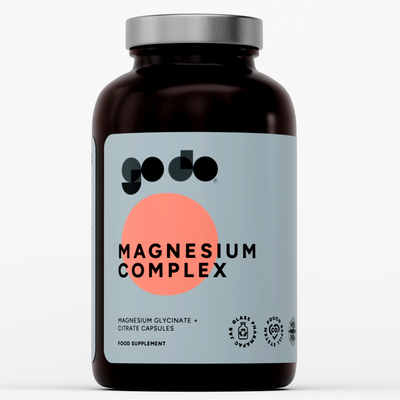
While not a vitamin, magnesium is a mineral that works in tandem with B-vitamins to regulate energy and muscle function. It is one of the most common deficiencies found in athletes because it is lost through sweat: even in the pool where you might not realize you are sweating.
Benefits for Swimmers
- Muscle Relaxation: Magnesium helps muscles relax after contraction. A deficiency often leads to the dreaded calf or foot cramps that can ruin a workout.
- Improved Sleep Quality: Recovery happens while you sleep. Magnesium supports the parasympathetic nervous system, helping you drift off after a late-evening training session.
- Electrolyte Balance: It helps maintain the balance of sodium and potassium within your cells, which is crucial for nerve signaling and muscle movement.
How to Optimize Magnesium
You can find magnesium in pumpkin seeds, spinach, almonds, and dark chocolate. Many swimmers also benefit from magnesium flakes in a warm bath to aid joint health and muscle recovery after a grueling long-course session.
4. Iron: The Oxygen Carrier
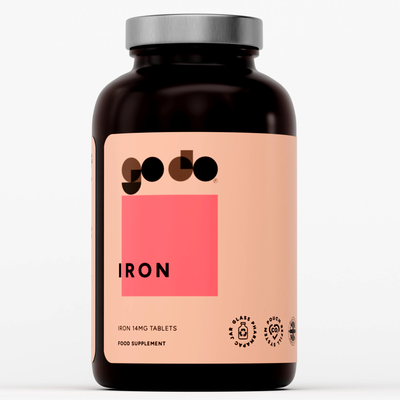
Iron deficiency, or anemia, is a common issue among swimmers, particularly female athletes. Iron is a key component of hemoglobin, the protein in red blood cells that carries oxygen from your lungs to your muscles.
Signs of Low Iron
If you find yourself breathless during warm-ups or unable to recover between intervals, your iron levels might be low. Because swimming is an aerobic-heavy sport, your demand for oxygen is constant. Without sufficient iron, your heart has to work harder to deliver the same amount of oxygen, leading to premature exhaustion.
Actionable Advice
- Pair with Vitamin C: To increase iron absorption from plant-based sources (like spinach or lentils), always eat them with a source of Vitamin C (like oranges or bell peppers).
- Testing: Athletes should have their ferritin levels checked annually to ensure they aren't trending toward a deficiency.
5. Vitamin C and E: Managing Oxidative Stress
High-volume swimming creates a significant amount of oxidative stress in the body. This "internal rust" can damage cells and slow down the repair process.
The Antioxidant Defense
Vitamins C and E are powerful antioxidants. Vitamin C is also essential for the synthesis of collagen, which keeps your tendons and ligaments: especially in the high-stress shoulder area: healthy and resilient.
- Vitamin C: Found in citrus, kiwis, and berries.
- Vitamin E: Found in sunflower seeds, almonds, and avocado.
6. Omega-3 Fatty Acids: The Natural Anti-Inflammatory
Swimmers are prone to repetitive strain injuries, most notably "Swimmer’s Shoulder." Constant internal rotation of the arm can lead to inflammation in the rotator cuff and surrounding tendons.
Why Omega-3s Matter
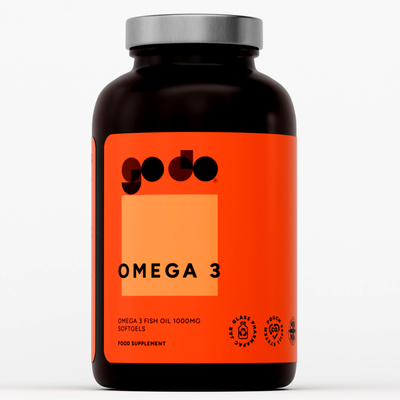
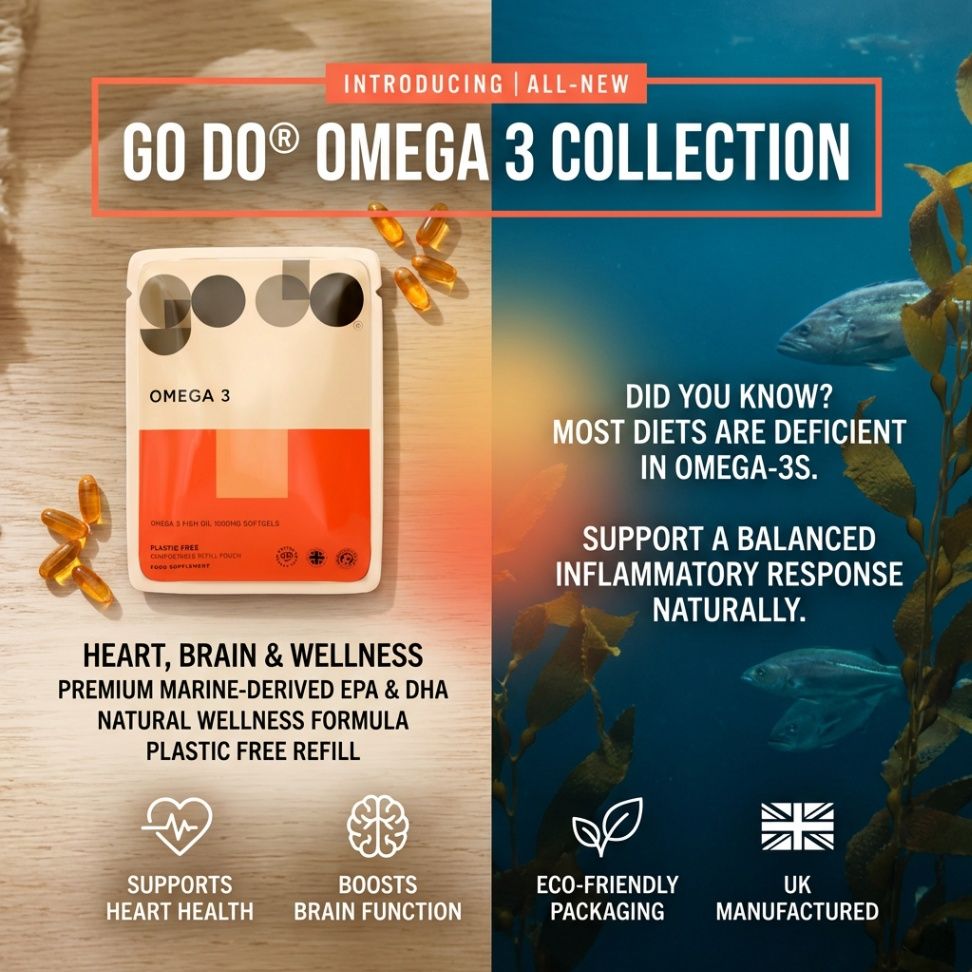
Omega-3 fatty acids, found in fish oil, are potent anti-inflammatories. They help reduce the systemic inflammation caused by heavy yardage, allowing you to get back in the pool the next day with less stiffness. Recent studies have also suggested that Omega-3s can improve lung function and respiratory efficiency in elite athletes.
https://cdn.marblism.com/MvpABW2bbc6.jpg
Check out our Omega-3 collection to support your joint health and recovery.
Practical Supplementation Strategy for Swimmers
While a "food first" approach is always the goal, the reality of a swimmer's schedule: early mornings, school or work, and double sessions: often makes it difficult to hit every nutritional target.
Morning Routine
- With Breakfast: Take your Vitamin D and B-Complex. These are best taken in the morning to support energy levels throughout the day.
- The Meal: Include eggs (high in choline and B-vitamins) and whole-grain toast.
Post-Workout Recovery
- Within 30 Minutes: Rehydrate with electrolytes that include magnesium and potassium.
- With Lunch/Dinner: Take your Omega-3 supplement. Fat-soluble vitamins and oils are better absorbed when taken with a meal containing healthy fats.
Summary Checklist for Peak Performance
To ensure you are fueling your body for the fastest possible times, follow this micronutrient checklist:
- Monitor Vitamin D: Especially if you train indoors. Aim for consistent levels year-round.
- Fuel the Engine: Ensure B-vitamin intake through lean proteins and greens to keep energy metabolism high.
- Prevent Cramps: Use magnesium to support muscle relaxation and better sleep.
- Check Iron: Maintain oxygen transport efficiency by monitoring iron levels, particularly during high-volume blocks.
- Reduce Inflammation: Incorporate Omega-3s to protect your shoulders and joints from repetitive strain.
By treating your nutrition with the same discipline you apply to your sets and reps, you provide your body with the tools it needs to recover faster, train harder, and touch the wall first. For more information on specific health needs, visit our FAQ page or reach out to us via chat.