For many, the swimming pool is a place for physical conditioning, calorie burning, and cardiovascular endurance. However, those who swim regularly understand that the true transformation happens beneath the surface, within the mind. The "psychology of the lane" refers to the unique mental state achieved through repetitive lap swimming: a combination of sensory deprivation, rhythmic movement, and controlled breathing that serves as a powerful antidote to the stresses of modern life.
Understanding the psychological mechanisms at play can help you leverage your time in the water for more than just physical fitness. This guide explores the neurological and psychological benefits of lap swimming and how you can optimize your routine for mental clarity.
The Science of Submersion: Neurological Responses
The moment you submerge your body in water, your physiology undergoes a significant shift. This is not just a feeling; it is a documented biological response. Water immersion triggers the parasympathetic nervous system, responsible for the "rest and digest" state. This counteracts the sympathetic nervous system’s "fight or flight" response, which is often chronically overactive in high-stress environments.
When you swim, your body activates specific neurological pathways:
- Vagus Nerve Stimulation: The pressure of the water against the body and the cool temperature can stimulate the vagus nerve, which helps regulate heart rate and promotes a sense of calm.
- Blood Flow to the Brain: Research indicates that being submerged in water up to the chest increases blood flow to the brain, specifically to the cerebral arteries. This enhanced circulation provides the brain with more oxygen and nutrients, which can improve cognitive function and mood.
- The Mammalian Dive Reflex: Even simple lap swimming can trigger a mild version of this reflex, which optimizes respiration and heart rate, leading to an immediate reduction in physiological anxiety.

Neurotransmitters: The Chemistry of the Lane
The psychological benefits of swimming are rooted in the release of key neurotransmitters. Regular physical exertion in the water acts as a natural pharmacy for your brain.
- Endorphins: Often called the body’s natural painkillers, endorphins are released during sustained aerobic exercise. They interact with receptors in the brain to reduce the perception of pain and trigger a positive feeling in the body, often referred to as a "swimmer's high."
- Dopamine: This chemical is linked to the brain's reward system. Completing a set of laps or reaching a distance goal releases dopamine, reinforcing the habit and boosting your sense of accomplishment.
- Serotonin: Swimming helps regulate serotonin levels, which are crucial for mood stabilization, sleep, and appetite. Proper serotonin levels are essential for warding off symptoms of depression and anxiety.
To support the production and regulation of these essential chemicals, maintaining overall brain health is vital. You can explore our Nootropics collection to find supplements designed to support cognitive function and mental performance.
Moving Meditation: The Power of Rhythm
One of the most profound mental benefits of lap swimming is its similarity to mindfulness meditation. Unlike running or cycling, where external distractions like traffic or changing scenery are constant, swimming offers a controlled, repetitive environment.
The Hypnotic Effect of the Stroke
The repetitive nature of the freestyle or breaststroke creates a hypnotic rhythm. Your brain begins to sync with the steady pattern of reach, pull, push, recover. This repetition allows the mind to enter a state of "moving meditation," where the focus shifts away from external worries and settles into the physical sensation of the movement.
Sensory Deprivation
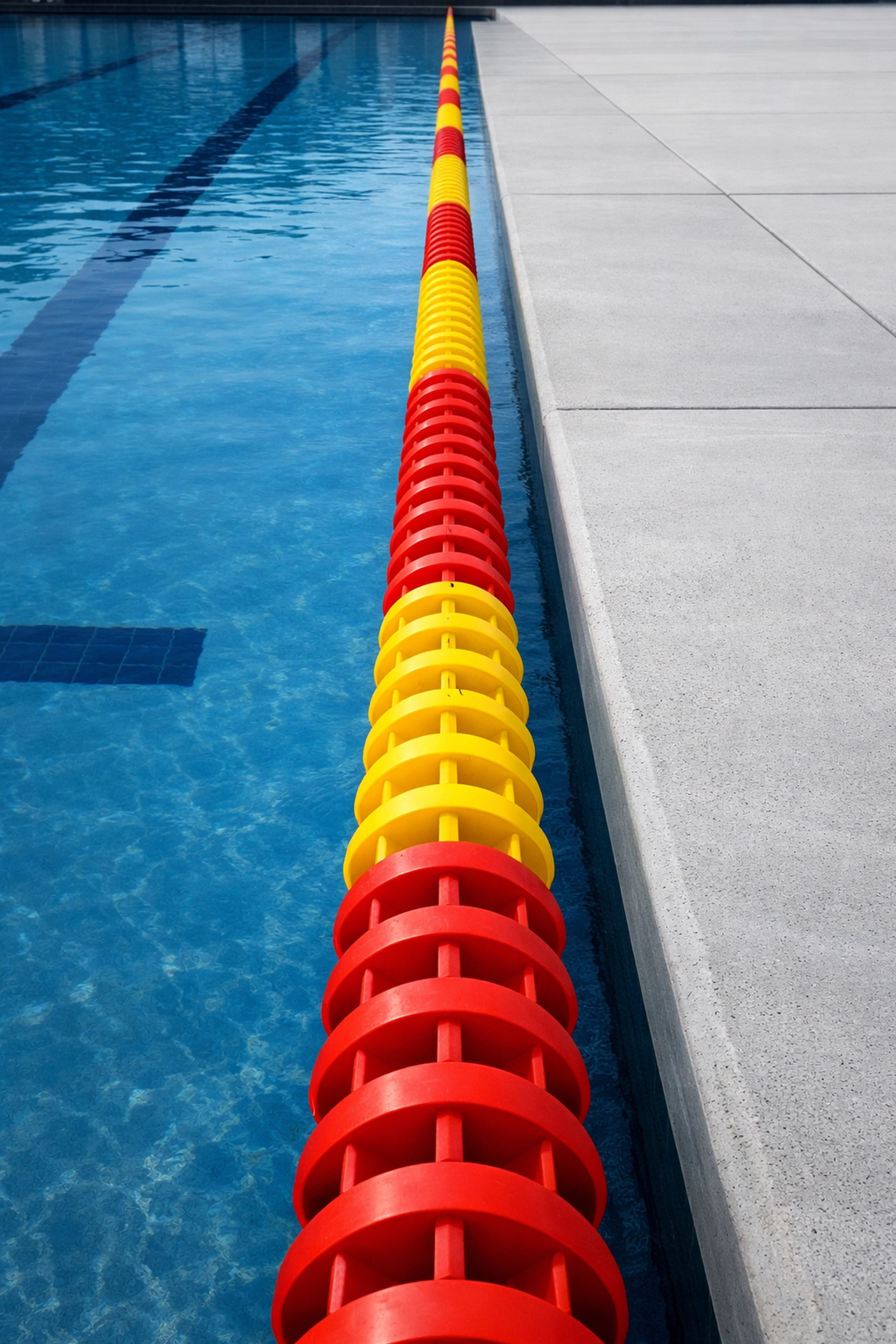
The pool environment provides a form of gentle sensory deprivation. The sound of the world is muffled by the water, and your vision is restricted to the blue tiles of the lane line. This reduction in external stimuli allows the brain to "unplug" from the constant digital and social noise of the day, facilitating a deeper level of introspection and mental rest.
Blue Mind Theory and Mental Health
Marine biologist Wallace J. Nichols coined the term "Blue Mind" to describe the mildly meditative state we enter when we are near, in, on, or under water. According to this theory, humans have a biological connection to water that triggers an immediate neurochemical shift toward calm and happiness.
Swimming laps allows you to fully embody the Blue Mind state. The visual of the water, the tactile sensation of buoyancy, and the rhythmic sound of splashing all contribute to a significant reduction in cortisol (the stress hormone). For individuals struggling with chronic stress, the pool serves as a sanctuary where the physical properties of the water actively work to lower blood pressure and heart rate.

Entering the Flow State
In psychology, a "flow state": also known as being "in the zone": is a mental state where a person is fully immersed in an activity, experiencing a loss of self-consciousness and a distorted sense of time. Swimming is one of the most effective ways to achieve this state.
Because swimming requires a specific level of technical focus (maintaining body position, timing the breath, and executing turns), it occupies the mind enough to prevent wandering thoughts but is repetitive enough to become intuitive. When your skill level matches the challenge of the workout, you enter flow. This state is highly correlated with increased life satisfaction and emotional resilience.
Stress Management and Cortisol Reduction
Chronic stress leads to elevated levels of cortisol, which can impair cognitive function, disrupt sleep, and weaken the immune system. Swimming is particularly effective at "burning off" excess cortisol.
The physical demand of the exercise uses up the energy that the stress response has mobilized, while the cooling effect of the water prevents the body from overheating, which can sometimes happen in high-intensity land-based sports. This makes swimming a unique tool for stress management: it provides the benefits of intense exercise without the jarring impact on the joints or the excessive heat production that can sometimes trigger further stress responses.
For those focusing on physical recovery alongside mental health, maintaining joint integrity is essential. Consider viewing our Joint Health collection to support your body as you increase your time in the pool.
Cognitive Performance and Focus
Beyond emotional regulation, lap swimming offers tangible benefits for cognitive performance. The focused environment of the pool forces you to practice "single-tasking" in a world of multi-tasking.
- Improved Executive Function: The coordination required to synchronize limbs and breath strengthens the brain's executive functions, such as planning and problem-solving.
- Memory Enhancement: Aerobic exercise like swimming stimulates the release of brain-derived neurotrophic factor (BDNF), a protein that supports the growth and survival of neurons, particularly in the hippocampus: the area of the brain responsible for memory.
- Enhanced Creativity: Many swimmers report that their best ideas come to them in the middle of a long set. This occurs because the "default mode network" of the brain is activated when we are engaged in a repetitive, low-impact task, allowing the subconscious to make creative connections.

Supporting your cognitive health with high-quality nutrients, such as Omega-3 fatty acids, can further enhance these brain-boosting benefits.
Social Connectivity vs. Solitude
The psychology of the lane offers a unique balance between solitude and community. While the act of swimming is solitary, the environment of the pool is often social.
- Parallel Play for Adults: Even if you aren't talking to the person in the next lane, the shared experience of the workout provides a sense of belonging and community. This "parallel play" reduces feelings of isolation without the pressure of direct social interaction.
- The Discipline of the Routine: The commitment to a swim schedule builds self-discipline and self-efficacy. Knowing you can complete a challenging workout builds a "mental muscle" that translates to confidence in other areas of your life.
Practical Tips for Maximizing Mental Benefits
To get the most psychological "bang for your buck" during your laps, consider the following strategies:
- Focus on the Breath: Instead of thinking about your to-do list, focus entirely on the sensation of air entering and leaving your lungs. Aim for a consistent breathing pattern (e.g., every three strokes).
- Count Your Strokes: Counting is a simple way to keep the mind present. Try to maintain the same number of strokes per length to build focus and consistency.
- Leave the Tech Behind: While waterproof fitness trackers are useful, try at least one session a week without tech. Rely on your internal clock and the feel of the water to reconnect with your body.
- Set a Transition Ritual: Use the shower before your swim as a mental "gate." Visualize yourself washing away the day's stress before you even enter the pool.
Conclusion
Lap swimming is a powerful psychological tool that offers more than just a lean physique. By tapping into the neurological benefits of water, the meditative power of rhythm, and the chemistry of the "swimmer's high," you can transform your workout into a vital practice for mental health. Whether you are looking to reduce anxiety, boost creativity, or simply find a moment of peace, the lane is waiting.
For more information on how to support your overall health and wellness journey, visit Fitness Health or check out our FAQs for product guidance.
Key Takeaways
- Neurological Shift: Swimming activates the parasympathetic nervous system, inducing immediate calm.
- Mental Clarity: The sensory deprivation of the water allows for a "reset" of the brain's processing.
- Chemical Balance: Regular swimming regulates endorphins, dopamine, and serotonin.
- Flow State: The technical yet repetitive nature of the sport makes it ideal for achieving peak mental focus.