For decades, the fitness world was divided into two distinct camps: the lifters and the runners. The lifters feared that any form of cardiovascular exercise would "melt" their hard-earned muscle, while the runners avoided the weight room to prevent "bulking up" and slowing down.
In 2026, we know better. Hybrid training is the methodology of developing multiple physical qualities: specifically strength and cardiovascular endurance: simultaneously. It is the pursuit of being able to squat twice your body weight and run a sub-25-minute 5k in the same week. This guide explains how to balance these two physiological extremes without compromising your progress.
What is Hybrid Training?
Hybrid training is a programming strategy that prioritizes high-level performance in both resistance training and aerobic conditioning. Unlike "cross-training," which often involves varied but random activity, hybrid training is structured and intentional. It treats both strength and endurance as primary goals rather than one being a "warm-up" for the other.
Research indicates that this multifaceted approach is often superior for overall health. A 2022 meta-analysis of over 80 trials found that hybrid training outperformed pure weight lifting or steady-state jogging for improving cardiorespiratory health and metabolic markers like blood sugar and blood pressure.

The Interference Effect: Fact vs. Fiction
The most common concern for athletes moving toward a hybrid model is the "interference effect." This is the physiological theory that the cellular signaling for endurance (AMPK pathway) inhibits the signaling for muscle protein synthesis and strength (mTOR pathway).
While the interference effect is real at a cellular level, its impact on the average trainee is often overstated. You can minimize interference by following these three rules:
- Prioritize Recovery Time: If possible, separate your strength and cardio sessions by at least 6–24 hours. This allows the acute signaling from one session to subside before you start the next.
- Manage Volume: You cannot perform high-volume "pro-bodybuilder" splits and high-volume "marathon-prep" running simultaneously. You must choose a maintenance volume for one while pushing the other, or find a middle ground for both.
- Choose Low-Impact Cardio: To preserve your joints for heavy lifting, consider "low-impact" endurance work like cycling, rowing, or swimming. These modalities provide the same aerobic benefits as running without the eccentric loading that can interfere with leg day recovery.
The Benefits of Being a Hybrid Athlete
Building a body that is both strong and aerobically fit offers benefits that go far beyond aesthetics.
- Heart Health: Strength training increases the thickness of the heart’s ventricular walls, while cardio increases the heart's internal volume. Together, they create a highly efficient cardiovascular system.
- Work Capacity: A higher "gas tank" allows you to recover faster between sets in the weight room. If you find yourself gasping for air after a set of ten squats, your cardiovascular system is likely the limiting factor in your muscle growth.
- Metabolic Flexibility: Hybrid athletes are typically better at switching between burning carbohydrates and fats for fuel, leading to better body composition and sustained energy levels.
- Injury Prevention: Resistance training strengthens connective tissues and bones, which protects runners from common overuse injuries. Conversely, the increased blood flow from cardio aids in the delivery of nutrients to recovering muscles.

How to Structure Your Hybrid Week
Designing a hybrid program requires a "give and take" approach. You cannot simply add five days of running to a five-day lifting split without risking burnout. Use the following frameworks to build your schedule:
The Concurrent Split
This is the most balanced approach, where both qualities are trained equally.
- Monday: Lower Body Strength (Squats, Deadlifts)
- Tuesday: Zone 2 Cardio (45–60 mins easy run or cycle)
- Wednesday: Upper Body Strength (Push/Pull)
- Thursday: Rest or Active Recovery (Mobility)
- Friday: Full Body Strength (Functional movements)
- Saturday: Long Duration Endurance (90+ mins easy pace)
- Sunday: Rest
The Strength-Biased Hybrid
Ideal for those who want to maintain muscle mass while improving lung capacity.
- Lifting: 3–4 days per week (focusing on compound movements).
- Cardio: 2 days per week (one HIIT session, one Zone 2 session).
The Endurance-Biased Hybrid
Ideal for runners or cyclists who need to build a "bulletproof" frame.
- Endurance: 3–4 days per week (running, cycling, or swimming).
- Lifting: 2 days per week (focusing on heavy, low-rep strength to minimize soreness).
Nutrition for the Hybrid Athlete
Fueling a hybrid body requires more precision than a single-mode approach. Because you are taxing multiple energy systems, your caloric and macronutrient needs will be higher.
- Protein is Non-Negotiable: Aim for 1.6g to 2.2g of protein per kilogram of body weight. This is essential to prevent muscle wasting during high-volume endurance phases.
- Carbohydrates are Your Battery: Many people make the mistake of going "low carb" while training for endurance. This is a recipe for failure. Carbohydrates fuel your high-intensity lifting sessions and keep your glycogen stores topped up for long runs.
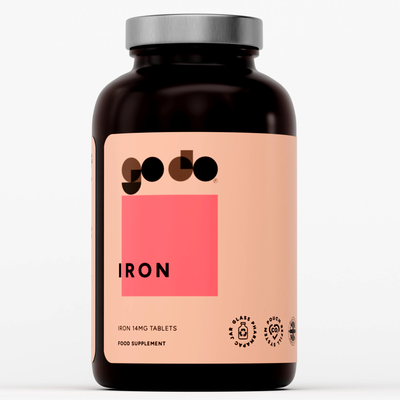
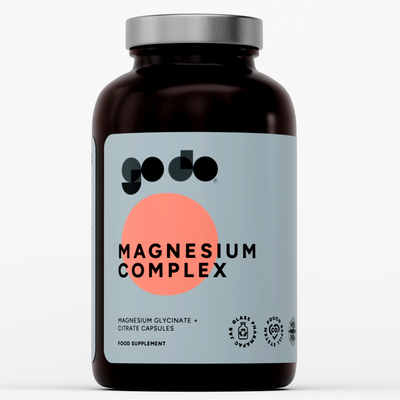
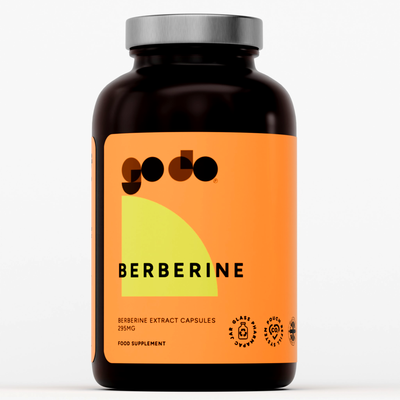
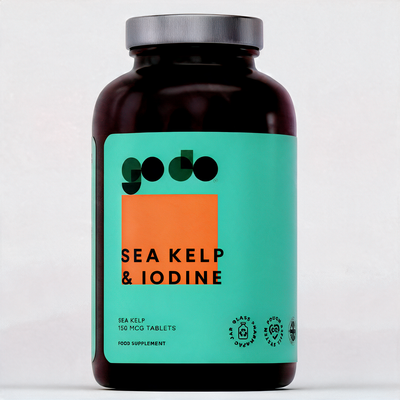
- Micronutrients and Antioxidants: The oxidative stress from double the training volume can take a toll. Ensure you are eating a variety of colorful vegetables or consider targeted supplementation to support recovery. You can find specialized options in the Fitness Health antioxidants collection.

Practical Tips for Success
To succeed in hybrid training long-term, you must be disciplined about the "small things":
- Monitor Heart Rate: Use a wearable to ensure your "easy" runs are actually easy (Zone 2). If you run too hard on your cardio days, you will be too fatigued to lift heavy on your strength days.
- Invest in Gear: If you are serious about running and lifting, you need the right tools. Do not run in flat-soled lifting shoes, and do not squat in cushioned running shoes.
- Listen to Your CNS: Central Nervous System fatigue is real. If your grip strength suddenly drops or your resting heart rate is 10 beats higher than usual, take a de-load week.
- Focus on Mobility: Being strong and fit is useless if you are too stiff to move. Dedicate 10 minutes a day to dynamic stretching and joint health.

Summary and Key Takeaways
Hybrid training is the ultimate expression of physical readiness. By ignoring the myth that cardio and strength are mutually exclusive, you can build a body that is as capable as it is resilient.
- Balance is key: Don't try to be an elite powerlifter and an elite marathoner at the same time. Choose your priorities for each training block.
- Separate your sessions: Give your body at least 6 hours between different types of training to minimize the interference effect.
- Fuel the work: Increase your carbohydrate and protein intake to match your increased energy expenditure.
- Respect recovery: Use rest days and sleep as your primary performance enhancers.
If you have specific questions about how to supplement your hybrid journey or need gear to get started, visit our FAQs page or browse our full range at Fitness Health.
Building a body that is both strong and enduring takes time, but the result: true physical freedom: is worth the effort. Stay consistent, fuel properly, and enjoy the process of becoming a more capable version of yourself. For further assistance, feel free to contact us or use our chat service for expert advice.