For decades, the fitness industry focused almost exclusively on the "work" side of the equation. We tracked every calorie burned, every kilogram lifted, and every mile run. However, as we move into 2026, the focus has shifted. The most significant gains are no longer happening during the workout itself, but in the hours following it.
The philosophy of "no pain, no gain" has been replaced by a more scientific approach: recovery is the workout. With the advent of AI-powered robotic massage and advanced biometric recovery tools, we are entering an era where rest is as data-driven and precise as a high-intensity interval session.
The Rise of AI-Powered Robotic Massage
The most visible shift in recovery technology is the introduction of AI massage systems, such as Aescape. Historically, high-quality massage therapy was a luxury limited by cost, therapist availability, and time. AI-driven systems are changing this by making professional-grade recovery accessible to anyone with 30 minutes to spare.
These systems do not simply vibrate or roll like the massage chairs of the past. They utilize dual synchronized robotic arms equipped with high-fidelity force sensors. When you lie down, the system performs a comprehensive scan of your body, mapping over 1.2 million data points to create a precise 3D model of your musculoskeletal structure.
How AI Customizes Your Recovery
The real "intelligence" in AI massage lies in its real-time adaptation. As the robotic arms move, the AI adjusts the pressure and technique based on how your body responds. It can detect areas of high tension and adjust its approach instantly.
One of the most significant advantages of this technology is bilateral pressure. A human therapist can typically only work on one side of the body or one muscle group effectively at a time. A robotic system can apply equal pressure to both sides of the body simultaneously. This efficiency allows a robotic system to deliver the physiological benefits of a 60-minute manual massage in just 30 minutes.

Redefining Convenience: Clothed and On-Demand
One of the primary barriers to traditional massage therapy is the "spa environment," which many find time-consuming or uncomfortable. AI massage centers are designed for the modern schedule.
Sessions are typically performed while you are fully clothed in specialized spandex wear. There is no need for oils, showering, or awkward transitions. You maintain complete control via a touchscreen interface, allowing you to:
- Adjust pressure levels on the fly.
- Select specific focus areas (e.g., lower back, hamstrings, or calves).
- Choose between recovery modes like "Rapid Recovery" for post-workout soreness or "Power Flow" for invigorating the muscles before an event.
This level of control ensures that the treatment is always aligned with your specific needs for that day, and your preferences are saved for every future visit.
Compression Tech and Lymphatic Drainage
While AI massage handles the structural and muscular tension, other tech-driven tools are focusing on the circulatory and lymphatic systems. Pneumatic compression boots, once reserved for elite athletes, are now a staple in home recovery setups and modern gyms.
These devices use air chambers that inflate and deflate in a specific sequence, starting from the feet and moving up the legs. This process, known as intermittent pneumatic compression, mimics the body's natural "muscle pump" to move metabolic waste products: like lactic acid: out of the limbs.
Key benefits of compression technology include:
- Reduced Edema: Helps move excess fluid out of the tissues.
- Improved Blood Flow: Enhances the delivery of oxygenated blood to recovering muscles.
- Decreased Muscle Soreness (DOMS): Speeds up the timeline between a hard workout and feeling "fresh" again.
Integrating 15-20 minutes of compression therapy after a session on an AI massage table creates a comprehensive recovery protocol that addresses both muscle knots and metabolic clearance.

The Chemical Component: Supplements for Structural Recovery
Technology provides the mechanical stimulus for recovery, but your body requires the biological building blocks to actually repair the tissue. Even the most advanced AI massage cannot fix a muscle that lacks the necessary nutrients to rebuild.
At Fitness Health, we emphasize that recovery is a two-part process: mechanical (tech) and chemical (nutrition).
Magnesium: The Recovery Mineral
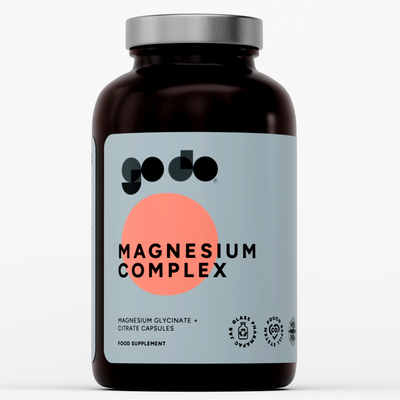
If you are using data-driven recovery tools, your magnesium levels should be your top priority. Magnesium is responsible for over 300 biochemical reactions in the body, including muscle contraction and relaxation.
When you use high-pressure recovery tools like AI massage or percussion guns, you are stimulating the nervous system. Magnesium helps regulate the central nervous system, ensuring that your muscles can fully release tension. It also aids in the synthesis of proteins, which is essential for repairing the micro-tears caused by resistance training.
Joint and Tissue Support
Recovery isn't just about the muscles; it involves the tendons, ligaments, and cartilage. High-impact sports and heavy lifting put significant stress on these structures. While tech tools like compression boots can help with inflammation, supplements like Glucosamine, Chondroitin, and high-quality antioxidants provide the raw materials needed for joint health.
Managing inflammation is a balancing act. You need some inflammation to trigger the repair process, but chronic inflammation hinders performance. Utilizing immunity-boosting supplements and antioxidants helps keep oxidative stress in check, allowing the tech-driven recovery to work more effectively.

Creating Your 2026 Recovery Protocol
To get the most out of these advancements, you should treat your recovery with the same structure as your training. Here is an example of a modern, tech-integrated recovery routine:
- Immediate Post-Workout: 10 minutes of light movement and hydration.
- Mechanical Recovery: 30 minutes of AI-powered massage (Focusing on the muscle groups trained that day).
- Circulatory Recovery: 20 minutes in pneumatic compression boots to flush metabolic waste.
- Nutritional Support: Take a high-quality Magnesium supplement and a serving of joint-support nutrients.
- Biometric Monitoring: Check your wearable device (like an Oura ring or Whoop) the following morning to see how your Heart Rate Variability (HRV) responded to the recovery session.
The Importance of Consistency
The most common mistake in fitness is viewing recovery as a "fix" for an injury rather than a preventative measure. Tech-driven recovery tools are most effective when used consistently. By incorporating AI massage and compression into your weekly routine: rather than just when you are in pain: you maintain higher levels of tissue quality and reduce the risk of overuse injuries.
The Future of Rest
As we continue through 2026, the line between "resting" and "recovering" will continue to blur. Resting is passive; recovery is active. Through the use of AI, robotics, and targeted supplementation, we are finally able to give the body exactly what it needs, when it needs it.
If you are ready to upgrade your recovery routine, start by assessing your current "chemical" foundation. You can explore our full range of health-focused products at Fitness Health to ensure your body has the nutrients it needs to keep up with the latest in recovery technology.
For more information on how to optimize your health, visit our FAQs or contact us for personalized guidance on choosing the right supplements for your goals.
Summary Takeaways:
- AI Massage: Uses 3D scanning and bilateral pressure to provide a 60-minute massage experience in 30 minutes.
- Compression Tech: Focuses on lymphatic drainage and blood flow to reduce soreness.
- Supplements: Magnesium and joint support are essential "fuel" for the mechanical recovery process.
- Data-Driven: Use wearables to track how different recovery technologies affect your HRV and sleep quality.
Recovery is no longer a luxury: it is a measurable, programmable part of the modern athlete's lifestyle. Embrace the tech, support it with the right nutrition, and redefine what your body is capable of.