For over a decade, "hustle culture" dominated the professional and fitness landscapes. The mantra was simple: work harder, sleep less, and out-train everyone. Rising from the 2008 financial crisis and fueled by social media, this movement romanticized the 16-hour workday and the "no days off" gym mentality.
However, by 2026, the data has caught up with the hype. We are witnessing a fundamental shift. High performers are no longer bragging about how little they sleep; they are bragging about their Heart Rate Variability (HRV) scores and their deep sleep cycles.
At Fitness Health, we’ve seen this transition firsthand. The most successful athletes and professionals aren't the ones redlining their engines every day: they are the ones who have mastered the art of the "strategic pause." Recovery is no longer a sign of weakness; it is the new competitive advantage.
The Decline of the "Grind" Mentality
The collapse of hustle culture wasn't an overnight event. It was a slow realization that relentless output without input leads to a diminishing rate of return. Research indicates that burnout is more than just feeling tired; it is a systemic failure of the body’s stress-management systems.
Statistics show the stark reality of the "grind":
- Sick Days: Burned-out individuals are 63% more likely to take sick days.
- Emergency Care: They are 23% more likely to visit an emergency room due to stress-related complications.
- Retention: Employees experiencing burnout are 2.6 times more likely to be actively seeking a new job.
In the fitness world, this manifests as "overtraining syndrome." When you push your central nervous system (CNS) too hard for too long, your strength plateaus, your hormone levels (like cortisol and testosterone) dysregulate, and your risk of injury skyrockets.
The Science of Why We Need to Rest
To understand why recovery is essential, we have to look at how the human body actually improves. Whether you are lifting weights or learning a new professional skill, the "stressor" is only half of the equation.
1. The Principle of Supercompensation
When you train, you aren't actually getting stronger in the gym. You are breaking down muscle tissue and stressing your nervous system. Your body only adapts and becomes "better" during the recovery period. This is called supercompensation. If you apply a new stressor before the body has recovered, you bypass the growth phase and head straight into a deficit.
2. Cognitive Restoration
The brain functions similarly to a muscle. Constant high-beta wave activity (the "hustle" state) consumes massive amounts of glucose and oxygen. Without periods of alpha or theta wave activity: achieved through rest and meditation: creativity and complex decision-making abilities decline sharply. Leading organizations like Google have already integrated mindfulness programs because they recognize that a rested brain makes fewer million-dollar mistakes.
Are You Sympathetic Dominant?
The primary reason recovery has become the "new hustle" is the prevalence of Sympathetic Dominance. Your Autonomic Nervous System has two main branches:
- Sympathetic: Fight-or-flight (the hustle).
- Parasympathetic: Rest-and-digest (the recovery).
Most modern professionals are stuck in a sympathetic loop. High-intensity workouts, constant notifications, and caffeine abuse keep the body in a state of perceived emergency.
Signs you are stuck in Sympathetic Dominance:
- Waking up tired despite 8 hours of sleep.
- An inability to sit still without checking your phone.
- Digestive issues or bloating.
- A resting heart rate that is trending upward.
- Irritability over minor inconveniences.
Transitioning to a recovery-first mindset involves consciously forcing the body back into a parasympathetic state. This isn't "lazy": it is a physiological necessity for peak performance.
The Pillars of Modern Recovery
If recovery is the new hustle, how do you do it effectively? It isn't just about lying on the couch. Effective recovery is an active, disciplined process.
1. Sleep Architecture
Sleep is the ultimate performance enhancer. By 2026, we’ve moved past just "tracking hours." We now focus on sleep architecture: the balance between REM (cognitive recovery) and Deep Sleep (physical recovery).
- The Protocol: Aim for five 90-minute sleep cycles. Keep your room at 18°C (64°F) and eliminate all blue light 60 minutes before bed.
2. Metabolic Recovery and Nutrition
What you put into your body dictates how fast you bounce back. High-protein diets are standard, but the focus has shifted toward reducing systemic inflammation.
- Anti-Inflammatory Focus: Utilizing antioxidants and specific micronutrients can accelerate tissue repair. You can explore our range of Antioxidants to support this process.
- The Post-Meal Walk: A 10-minute walk after eating stabilizes blood glucose, preventing the energy crashes that tempt people to reach for more caffeine.
3. Active Recovery vs. Passive Rest
Passive rest is sleeping or sitting. Active recovery involves low-intensity movement that increases blood flow without adding stress.
- Zone 2 Cardio: Walking or light cycling at a pace where you can maintain a conversation. This flushes metabolic waste and strengthens the heart without taxing the CNS.
- Mobility Work: Focusing on joint health and tissue quality through foam rolling or yoga.
The Recovery Toolkit: Essential Protocols
To stay ahead in 2026, you need a recovery protocol that is as structured as your workout or your work calendar. Here is the "Gold Standard" recovery routine:
| Tool/Protocol | Frequency | Primary Benefit |
|---|---|---|
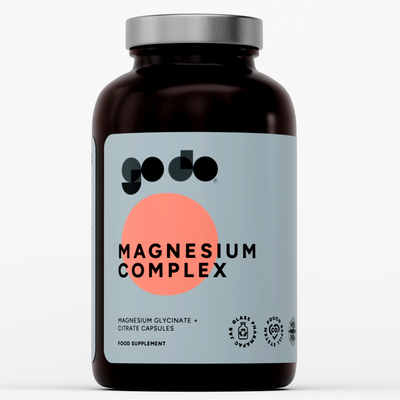
| Magnesium Supplementation | Daily (Evening) | Improves sleep quality and muscle relaxation. |
| Cold Exposure | 2-3x Weekly | Reduces inflammation and builds mental resilience. |
| Sauna / Heat | 3-4x Weekly | Increases growth hormone and cardiovascular health. |
| Digital Blackout | Daily (1 hour) | Lowers cortisol and resets the nervous system. |
| Breathwork | Daily (5-10 mins) | Switches the body from Sympathetic to Parasympathetic. |
For many, the hardest part of this shift is the mental hurdle. We have been conditioned to feel guilty when we aren't "doing something." But in the context of longevity and high performance, resting is doing something. It is the fuel for your next session of high-intensity output.
Why "Rest" is a Competitive Advantage in Business
The business case for recovery is undeniable. Companies that prioritize employee wellness aren't just being "nice": they are protecting their most valuable assets.
- Decision Quality: A rested executive makes better long-term decisions than one who is chronically sleep-deprived.
- Creativity: The "Aha!" moments rarely happen at a desk. They happen during walks, showers, or periods of boredom when the brain is allowed to wander.
- Longevity: Hustle culture leads to a 5-year peak followed by a total collapse. Recovery culture allows for a 30-year peak.
At Fitness Health, we align our organisation values with this sustainable approach. We believe that health care is about the long game, not the short-term sprint.
Summary: How to Start Your Recovery Hustle
If you want to transition from the "burnout track" to the "performance track," start with these three actionable steps:
- Track Your HRV: Use a wearable to monitor your Heart Rate Variability. When it’s low, reduce your training intensity or workload.
- Prioritize Magnesium: Most people are deficient in this critical mineral which governs over 300 biochemical reactions, including muscle and nerve function.
- Schedule Your Rest: Treat your recovery sessions (sauna, walks, sleep) with the same non-negotiable respect you give to a client meeting or a heavy leg day.
The "hustle" isn't dead: it's just evolved. In 2026, the hardest workers are the ones who work hardest at their recovery. By respecting the biological limits of your body and mind, you don't just avoid burnout; you unlock a level of performance that "grinders" will never reach.
Ready to optimize your recovery? Explore our FAQ section for more tips on integrating health protocols into your daily life.