Resistance bands have evolved from simple physical therapy tools into essential equipment for any modern fitness routine. By 2026, the variety of bands available can be overwhelming for those looking to build a home gym or supplement their studio workouts. Understanding the mechanical differences between mini bands, long loop bands, and flat therapy bands is crucial for targeting specific muscle groups and achieving measurable progress.
At Fitness Health, we prioritize functional movement and long-term wellness. Whether you are looking to increase explosive power, recover from a lingering injury, or maintain muscle mass while traveling, selecting the correct tool is the first step toward success. This guide breaks down the specifications, benefits, and best use cases for the three primary types of resistance bands.
1. Mini Bands: The Lower-Body Activation Specialist
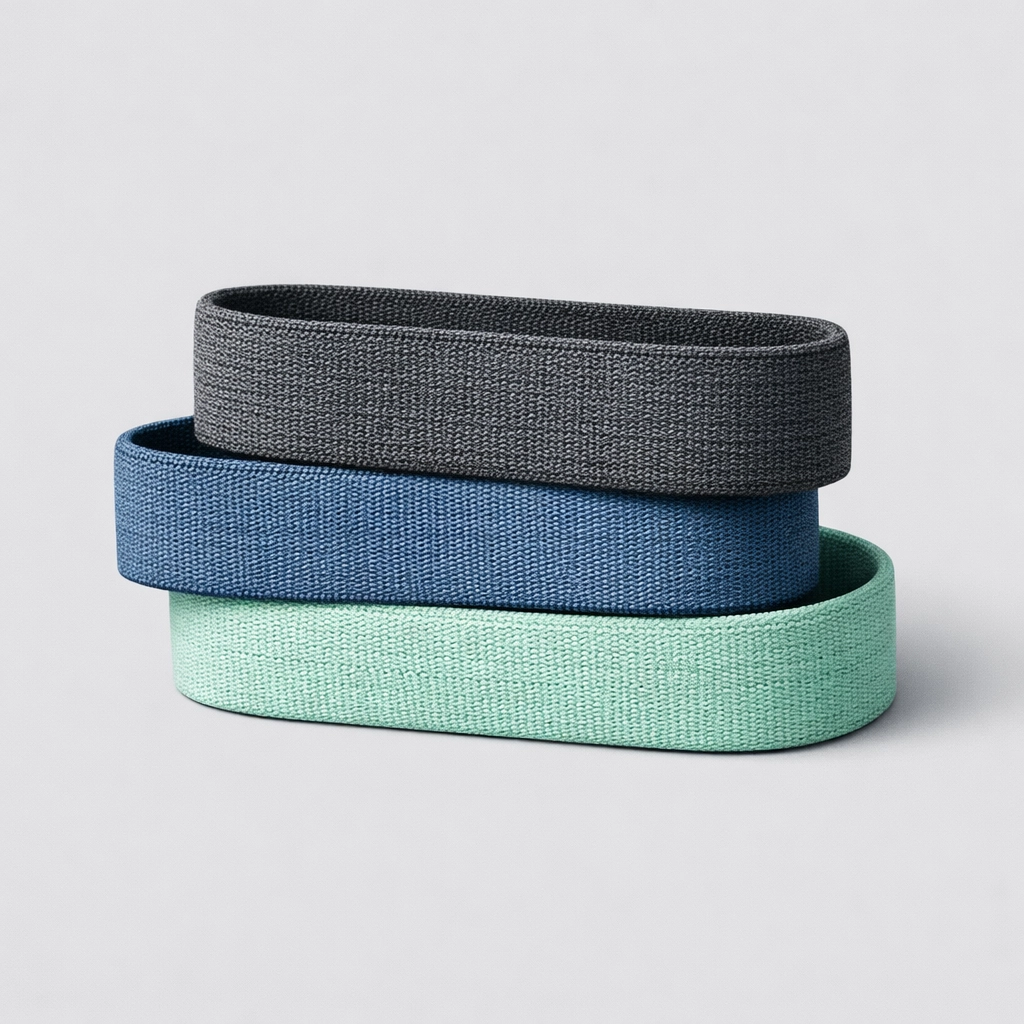
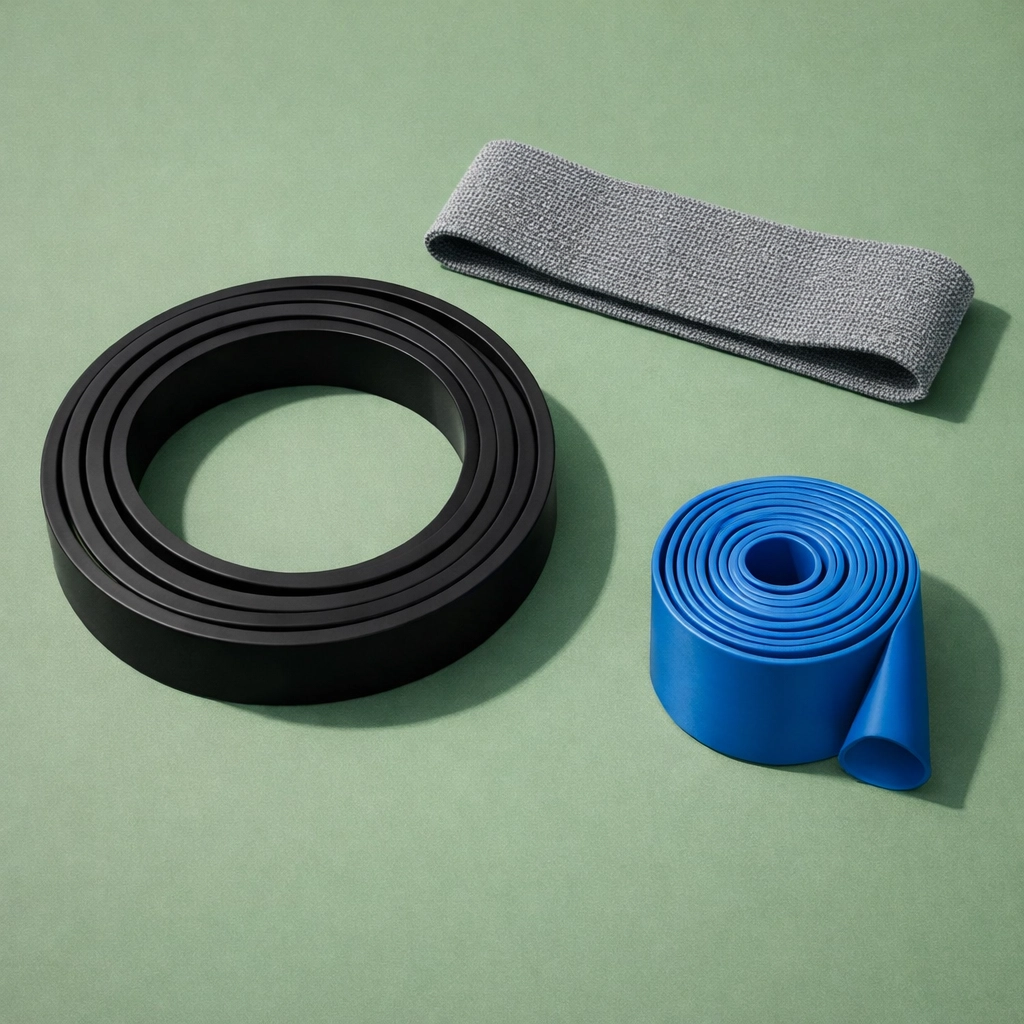
Mini bands, often referred to as "glute bands" or "hip circles," are small, continuous loops typically 9 to 12 inches in length. They are available in two primary materials: latex (or rubber) and fabric.
Best Uses for Mini Bands
Mini bands are designed primarily for "activation" exercises: movements that "wake up" specific muscles before a heavy lifting session. They are exceptionally effective for lateral movements and hip stability.
- Glute Activation: Movements like clamshells, glute bridges, and monster walks.
- Hip Abduction: Strengthening the smaller stabilizing muscles of the hip to prevent knee cave during squats.
- Upper Body Stability: Placing them around the wrists for scapular wall slides or "plank taps."
Material Differences
- Latex Mini Bands: These offer a high degree of stretch but can roll up or pinch the skin if used directly against the legs. They are better for upper body work where a thinner profile is needed.
- Fabric Mini Bands: Often wider and lined with non-slip grips, these are superior for lower body work. They do not roll and provide much higher resistance levels, making them ideal for those focusing on strength and fitness gains in the glutes and hamstrings.
Key Takeaway for Mini Bands
Choose mini bands if your primary goal is building a stronger posterior chain or improving hip mechanics. They are the most portable option, fitting easily into a pocket or small bag.
2. Long Loop Bands: The Full-Body Powerhouse
Long loop bands (usually 41 inches in length) are the most versatile tools in the resistance training world. These are thick, heavy-duty elastic circles that can provide anywhere from 5 lbs to over 170 lbs of resistance depending on their width.
Best Uses for Long Loop Bands
Because of their length, these bands can be anchored to stationary objects or looped around the body for complex movements.
- Pull-Up Assistance: Looping a heavy band over a pull-up bar helps offset body weight, allowing beginners to build the necessary back and arm strength.
- Compound Movement Overload: You can add these to barbells for squats or bench presses to create "accommodating resistance," where the weight gets heavier as you reach the top of the movement.
- Full-Body Strength: Exercises like banded overhead presses, deadlifts, and chest presses.
- Stretching: Using the band's tension to pull the limb into a deeper range of motion during hamstring or shoulder stretches.
How to Choose the Right Resistance Level
Loop bands are color-coded, but these codes vary by brand. Always check the tension rating in pounds or kilograms:
- Light (5-35 lbs): Best for shoulder rehabilitation, face pulls, and bicep curls.
- Medium (30-60 lbs): Ideal for bent-over rows, overhead presses, and light pull-up assistance.
- Heavy (60-150+ lbs): Necessary for heavy pull-up assistance, assisted dips, and powerlifting movements like banded squats.
Supporting your joints during high-intensity loop band training is essential. Consider checking our joint health collection to ensure your connective tissues are as resilient as your muscles.
3. Flat Therapy Bands: The Precision Tool for Rehab
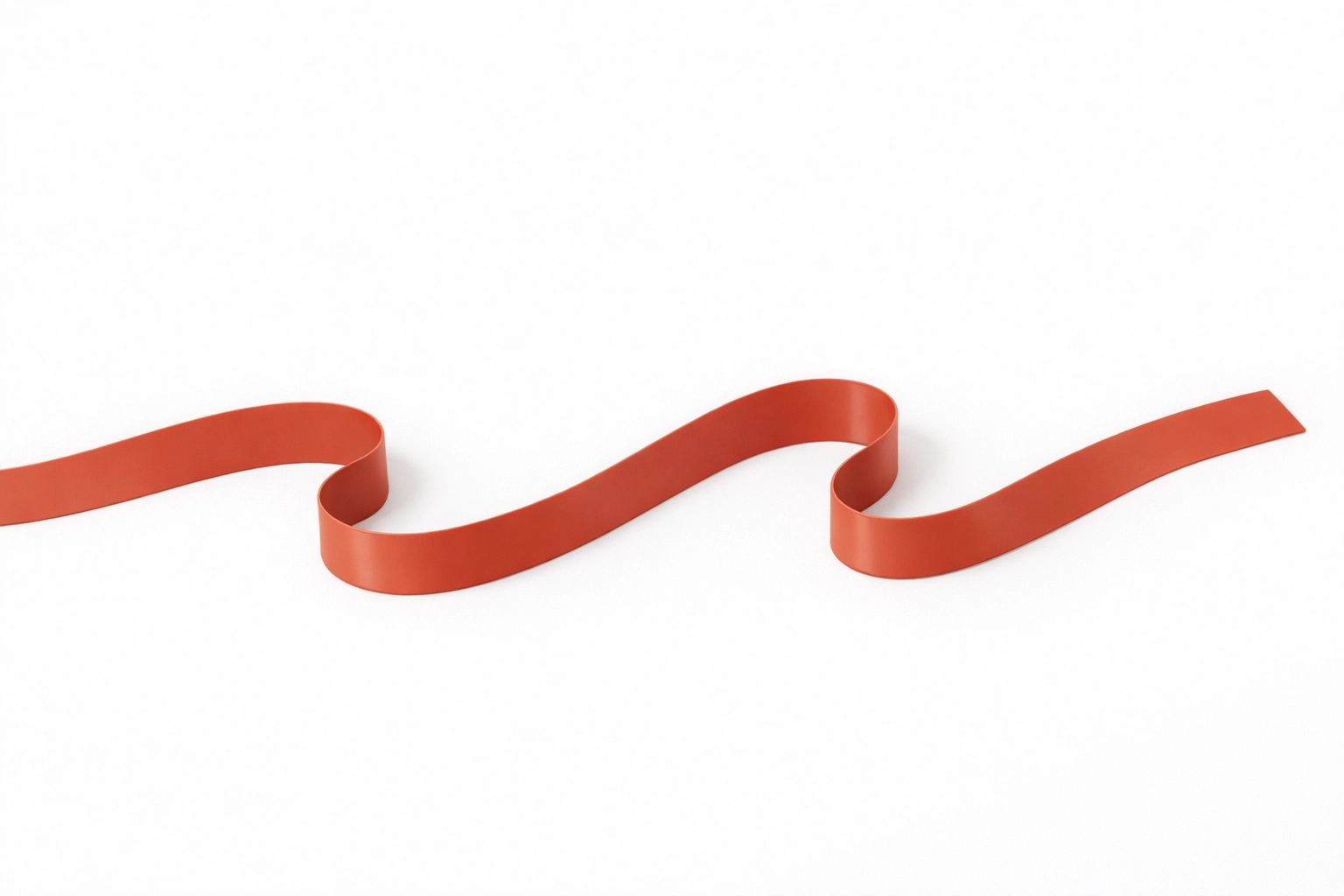
Therapy bands are long, thin, open-ended strips of latex or non-latex material. Unlike the other two types, they do not form a closed loop. They are the gold standard in clinical settings and physical therapy offices.
Best Uses for Therapy Bands
These bands provide a very linear and predictable increase in tension, which is safer for recovering tissues.
- Rehabilitation: Perfect for rotator cuff exercises (internal and external rotation) where high resistance could cause further injury.
- Controlled Mobility: Slow, deliberate movements to improve the range of motion in the ankles or wrists.
- Senior Fitness: The low resistance levels are excellent for maintaining muscle tone without putting excessive stress on the heart or joints.
Precision and Control
Therapy bands allow you to adjust the resistance mid-set simply by choking up on the band (holding it closer to the anchor point). This level of micro-adjustment is difficult to achieve with thicker loop bands.
Key Takeaway for Therapy Bands
If you are coming back from an injury or focusing on fine-tuning small stabilizer muscles, therapy bands are your best option. They are also useful for travel-based yoga or Pilates routines.
Comparative Guide: Which Band Fits Your Goal?
To simplify your decision, use the following criteria based on your specific fitness objectives:
| Goal | Primary Band Choice | Why? |
|---|---|---|
| Building Muscle Mass | Long Loop Bands | High resistance levels allow for progressive overload. |
| Better Squat Form | Fabric Mini Bands | Forces hip abduction and prevents knee collapse. |
| Pull-Up Progression | Long Loop Bands | Long enough to loop under the foot or knee for assistance. |
| Post-Surgery Rehab | Flat Therapy Bands | Lowest entry resistance and highest control. |
| Toning While Traveling | Mini Bands | Take up almost zero space and work for "burnout" sets. |
| Improving Flexibility | Long Loop or Therapy | Provides a "partner-like" pull to deepen stretches. |
Safety and Maintenance Protocols
Resistance bands are incredibly durable, but they are not indestructible. A snapped band can cause significant injury. Follow these maintenance steps to keep your equipment safe:
- Inspect for Nicks: Before every workout, run your fingers along the band to feel for small tears or "dry rot" (whitish, brittle areas). If you find a nick, discard the band immediately.
- Avoid Abrasive Anchors: Do not loop bands around sharp metal edges or rough wooden poles. This creates friction that leads to snapping. Use a dedicated door anchor or a smooth round pole.
- Clean Properly: Wipe bands down with a damp cloth after use. Avoid using harsh chemicals or leaving them in direct sunlight, as UV rays degrade the elastic material quickly.
- Store in Cool, Dry Places: High heat can cause the bands to become sticky or brittle.
Strategic Programming with Bands
You do not have to choose just one type of band. A comprehensive weight loss or strength program often utilizes all three.
- Warm-up: Start with a therapy band for shoulder circles and a mini band for lateral walks.
- Main Lift: Use long loop bands for resistance-supported push-ups or rows.
- Finisher: Use a fabric mini band for high-repetition glute bridges until failure.
If you find that your energy levels are dipping during these high-intensity banded sessions, ensuring you have the right vitamins and minerals can help bridge the gap and support recovery.
Summary of Selection
When choosing your bands, remember these three rules:
- Mini bands are for lateral movements and glute isolation.
- Loop bands are for full-body strength and assistance.
- Therapy bands are for mobility, rehab, and precision work.
By matching the right band to your specific goal, you ensure that your training is both effective and safe. Resistance bands provide a unique form of tension that free weights cannot replicate: constant tension throughout the entire range of motion. Incorporating them into your routine, whether at home or in the gym, is one of the most efficient ways to enhance your physical capabilities in 2026.