You've just crushed your workout. Sweat dripping, muscles burning, feeling absolutely brilliant. But here's the thing most people miss: what you do in the next hour can make or break your recovery. The difference between showing up sore and sluggish versus bouncing back stronger? It's all about post-workout supplement timing.
Let's cut through the confusion and get specific about when and how to fuel your recovery for maximum muscle repair.
The Golden Window of Recovery: Why 30-60 Minutes Matters
Your muscles don't recover on their own timeline: they follow your body's metabolic rhythm. After you finish training, your body enters a heightened state of nutrient absorption called the "anabolic window." This period, roughly 30 minutes to 1 hour post-exercise, is when your muscles are primed to soak up the nutrients they desperately need.
Research shows that immediate post-workout supplementation: compared to waiting 2-3 hours: dramatically speeds up muscle recovery, glycogen replenishment, and reduces fatigue. Your body essentially opens the floodgates, allowing nutrients to enter metabolic pathways that support muscle protein synthesis at peak efficiency.
The practical takeaway: Set a timer on your phone for 30 minutes after your last rep. That's your recovery deadline.

Protein: The Foundation of Post-Workout Recovery
When it comes to the best supplements for muscle recovery after exercise, protein sits at the top of the list. But it's not just about having protein: it's about having the right amount at the right time.
How Much Protein You Actually Need
Aim for 20-30 grams of high-quality protein within 30-60 minutes of finishing your workout. This amount provides enough amino acids to maximize muscle protein synthesis without overwhelming your digestive system.
For perspective, that's:
- One scoop of whey protein powder
- 150g of chicken breast
- 4 large eggs
- 200g of Greek yoghurt
Why Timing Trumps Total Daily Intake
You might hit your daily protein target of 1.6-2.2g per kilogram of body weight, but if you're delaying your post-workout protein by several hours, you're missing the window when your muscles are most receptive. Think of it like trying to water a plant: sure, it'll eventually get hydration, but watering it when it's thirsty gets better results.
The muscle protein synthesis rate peaks within the first hour post-exercise and gradually declines. By supplementing immediately, you're catching the wave at its highest point.
Magnesium: The Muscle Relaxation Mineral You're Probably Missing
Here's where things get interesting. While everyone bangs on about protein, Magnesium for post-workout muscle relaxation is criminally underrated. This mineral plays a crucial role in helping your muscles transition from contraction to relaxation.
What Magnesium Does for Recovery
Magnesium regulates calcium channels in muscle cells. After an intense workout, your muscles can remain in a semi-contracted state, leading to tightness, cramping, and that "locked up" feeling. Magnesium helps reverse this by:
- Reducing muscle tension and spasms
- Decreasing inflammation markers
- Supporting energy production at the cellular level
- Improving sleep quality (which is when most muscle repair happens)
Timing Your Magnesium Intake
Unlike protein, Magnesium doesn't need to be taken within the immediate post-workout window. In fact, taking it 1-2 hours after training: or even before bed: can be more beneficial. This timing allows your muscles to go through their initial recovery phase, then Magnesium steps in to facilitate relaxation and deep recovery during rest.
Recommended dose: 300-400mg of Magnesium citrate or glycinate (more bioavailable forms) either post-workout or before sleep.

Vitamin D: The Bone Health and Recovery Accelerator
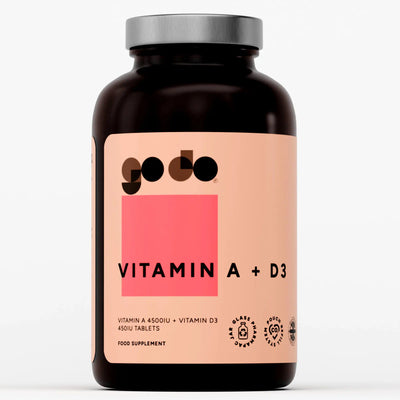
If you're training hard, you're not just breaking down muscle: you're placing stress on your skeletal system too. Vitamin D for bone health and muscle recovery is essential, especially if you're in the UK where sunlight is, let's be honest, a rare commodity from October to March.
The Dual Role of Vitamin D in Recovery
Vitamin D works on two fronts:
1. Bone Health and Structural Integrity
Intense training creates micro-stress on bones, which is actually beneficial: it's how bones get stronger. But this adaptation requires adequate Vitamin D to support calcium absorption and bone remodelling. Without it, you're at higher risk of stress fractures and compromised skeletal strength.
2. Muscle Protein Synthesis
Recent research shows Vitamin D receptors exist directly on muscle cells. Adequate levels support muscle function, reduce inflammation, and may improve strength gains over time.
When to Take Vitamin D
Vitamin D is fat-soluble, meaning it's best absorbed with dietary fat. Take it with a meal containing healthy fats: think avocado, nuts, olive oil, or fatty fish. Timing isn't as critical as consistency, but many people find taking it with breakfast works well.
Recommended dose: 2,000-4,000 IU daily, or as directed by your healthcare provider. Get your levels tested to determine your specific needs.
Creating Your Post-Workout Supplement Timing Strategy
Let's put this all together into a practical timeline you can actually follow:
Immediately post-workout (within 30 minutes):
- 20-30g of protein (whey, plant-based, or whole food)
- 30-60g of carbohydrates if your workout was high-intensity or endurance-focused
1-2 hours post-workout:
- 300-400mg Magnesium (or save for bedtime)
- Continue hydrating with electrolytes if needed
Daily (with breakfast or lunch):
- 2,000-4,000 IU Vitamin D with dietary fat

Common Post-Workout Supplement Timing Mistakes
Mistake 1: Waiting Too Long to Eat
"I'll shower first, then make food." By the time you prep, cook, and eat, 90 minutes have passed. Your recovery window has closed. Solution: Prepare a protein shake before your workout. Mix it immediately after your last set.
Mistake 2: Overcomplicating Your Stack
You don't need 12 different supplements within 15 minutes of finishing. Focus on the essentials: protein first, then support nutrients like Magnesium and Vitamin D on a consistent daily schedule.
Mistake 3: Ignoring Antioxidants Timing
If you're taking Vitamin C, Vitamin E, or other antioxidant supplements, delay them by 2-3 hours post-workout. While beneficial for overall health, immediate antioxidant supplementation can actually blunt the oxidative signals that trigger muscle adaptation and growth. Let your body do its work first, then support it.
Mistake 4: One-Size-Fits-All Approach
Your ideal post-workout supplement timing depends on several factors:
- Type of exercise (strength vs. endurance)
- Training intensity
- Your current diet (low-carb vs. balanced)
- Individual metabolism
- Training goals
Someone doing heavy resistance training needs different timing than an endurance runner. Experiment and track how you feel and perform.
Practical Recovery Fuel Combinations
For Strength Athletes:
- Whey protein shake (25g protein)
- Banana with almond butter (carbs + healthy fat)
- Magnesium supplement before bed
For Endurance Athletes:
- Protein smoothie with berries and oats (20g protein, 45g carbs)
- Electrolyte-enhanced water during the first hour
- Magnesium glycinate post-workout
For General Fitness:
- Greek yoghurt with granola and honey (20g protein, 35g carbs)
- Mixed nuts as a snack 1-2 hours later
- Daily Vitamin D with lunch

The Individual Variation Factor
Here's the truth that supplement companies don't want you to know: some research suggests that in certain populations: particularly those on low-carbohydrate diets: delayed supplementation produces similar results to immediate timing. Your mileage may vary.
What matters more than following rigid rules is:
- Consistency - Taking supplements regularly beats perfect timing inconsistently
- Quality - 20g of quality protein beats 40g of rubbish
- Total daily intake - Meeting your overall macros and micronutrients is non-negotiable
- Listening to your body - Recovery markers like energy, soreness, and performance tell the real story
Your Next Steps
Start with the basics: get 20-30g of protein within an hour of training. Once that's dialled in, add Magnesium in the evening and take Vitamin D daily with a meal. Track your recovery, sleep quality, and how you feel during your next workout.
Recovery isn't just about surviving your training: it's about showing up stronger each time. The right nutrients at the right time give your body exactly what it needs to rebuild, adapt, and come back better.
Your muscles put in the work during training. Give them the fuel they need to make that work count.