We’ve all been there: grinding away at the gym because we want to look a certain way for a holiday or a wedding. But lately, have you noticed the "vibe shift" happening in our workouts? In 2026, the conversation has moved away from just looking good in a mirror and toward making sure our bodies actually work well when we’re 80. It’s all about healthspan vs lifespan: not just living a long time, but living those years with strength and independence. According to experts at Harvard Health, strength training is one of the most effective ways to preserve your functional ability as you age, and honestly, that’s way sexier than a temporary six-pack.
Table of Contents
- The Big Shift: Why We’re Trading Six-Packs for Seventy-Year-Old Strength
- The Sweet Spot: How Much Should You Actually Lift?
- Functional Metrics: What Really Matters in 2026
- Evidence-Based Benefits of Lifting for Your Future Self
- Safety First: Keeping the Joints Happy
- Fueling the Long Game: Supplements and Nutrition
The Big Shift: Why We’re Trading Six-Packs for Seventy-Year-Old Strength
I remember back in the day, my gym sessions were purely about "the pump." I wanted bigger shoulders and a flatter stomach. If I woke up sore and couldn't walk, I thought that was a win. But as I’ve gotten older (and a bit wiser!), I realized that being able to carry my own groceries up three flights of stairs or play a game of footie without throwing my back out is the real goal.
In 2026, we’re seeing a massive trend toward strength training for longevity. People are realizing that muscle is basically "longevity currency." It’s a metabolically active organ that helps regulate your blood sugar and keeps your bones from becoming brittle. When we focus on exercises for healthspan vs aesthetics, we’re essentially investing in a "chassis upgrade" for our bodies. We’re not just lifting weights; we’re building a body that can handle whatever life throws at it decades from now.
The Sweet Spot: How Much Should You Actually Lift?
You might think you need to live in the gym to see these benefits, but the science says otherwise. Recent research suggests a "sweet spot" of about 90 to 120 minutes of resistance training per week. That’s just two or three solid sessions!
When you combine that with some light cardio: like walking or cycling: your risk of all-cause mortality drops significantly. The World Health Organization actually recommends at least two days a week of muscle-strengthening activities, and for good reason. It’s not about doing more; it’s about doing what’s effective. Sustainable fitness habits for aging mean finding a routine you can actually stick to for the next thirty years, not just the next thirty days.

Functional Metrics: What Really Matters in 2026
If we aren't measuring our progress by the size of our biceps, what are we looking at? In 2026, the "cool" stats are things like grip strength, gait speed, and your ability to get up off the floor without using your hands. These might sound a bit "grandma-ish," but they are actually some of the strongest predictors of how long you'll live independently.
I’ve started incorporating "exercise snacks" into my day: little bursts of movement like five minutes of bodyweight squats while the kettle boils. It’s about building functional strength that carries over into real life. Can you lift a heavy suitcase into an overhead bin? Can you pick up your toddler without a "grunt" of pain? Those are the wins we’re celebrating now.
Evidence-Based Benefits of Lifting for Your Future Self
If you need a bit more convincing to pick up those dumbbells, here’s a quick list of why lifting is a non-negotiable for aging well:
- Lifting weights for bone density: It puts stress on your bones, which signals them to get stronger and denser: crucial for avoiding osteoporosis.
- Metabolic Health: Muscle helps your body process glucose more efficiently, reducing the risk of type 2 diabetes.
- Brain Power: Strength training has been linked to lower risks of neurological diseases like Alzheimer’s.
- Balance and Fall Prevention: By strengthening your core and legs, you’re much less likely to have a nasty fall later in life.
- Improved Sleep: Honestly, nothing helps me conk out faster than a good lifting session.
Safety First: Keeping the Joints Happy
Now, we can't talk about lifting for longevity without talking about safety. If you blow out your knee trying to hit a personal best, you're not exactly helping your long-term healthspan.
Safety Warnings and Contraindications:
- Listen to your body: Sharp pain is a "stop" sign, not a "push through it" sign.
- Form over weight: Always. A 5kg bicep curl with perfect form beats a 20kg one with a swinging back any day.
- Warm up: As we age, our tendons and ligaments need a bit more time to get "greased up." Don't skip the dynamic stretches.
- Consult a pro: If you have pre-existing heart conditions or joint issues, chat with a physio or doctor before starting a heavy lifting program.
Fueling the Long Game: Supplements and Nutrition
Training for longevity isn't just about what you do in the gym; it's about how you recover. As we move toward more sustainable fitness habits, nutrition becomes our best friend. At Fitness Health, we’re all about high-quality, UK-made supplements that support these goals without breaking the bank.
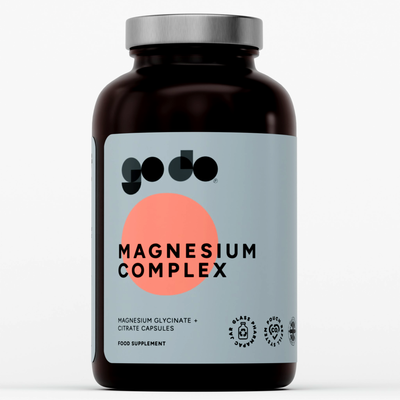
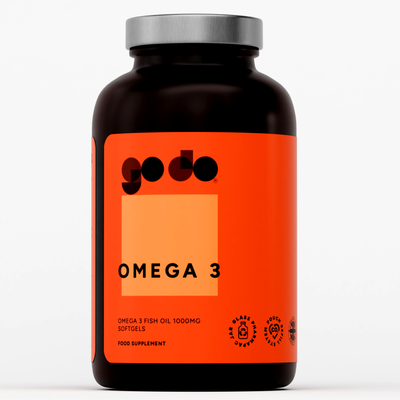
For instance, getting enough protein is vital to prevent age-related muscle loss (sarcopenia). We love our Creatine for that extra bit of power and cognitive support. If you're focusing on joint health (which you should be!), things like Omega-3s and Magnesium are total game-changers. And don't forget your gut! A healthy microbiome is the foundation of all wellness: check out our Gut Health collection for some pro-level support.

At the end of the day, 2026 is the year we finally stop punishing our bodies to look a certain way and start nourishing them so they last. Whether it's lifting a kettlebell or just taking a brisk walk, every bit of movement is a deposit into your future health bank. Let’s make it count!
Recommended Reading: