Your doctor measures your blood pressure. Your fitness tracker counts your steps. But there's one metric that outperforms nearly every other health marker when it comes to predicting how long you'll live: VO2 max.
Research published in JAMA has identified VO2 max as potentially "one of the most significant predictors of lifespan." The data is compelling: individuals with low VO2 max have nearly four times the mortality risk compared to those with high VO2 max. That's a bigger impact than smoking, diabetes, or high blood pressure.
So what exactly is VO2 max, and more importantly, what can you do about it?
What Is VO2 Max?
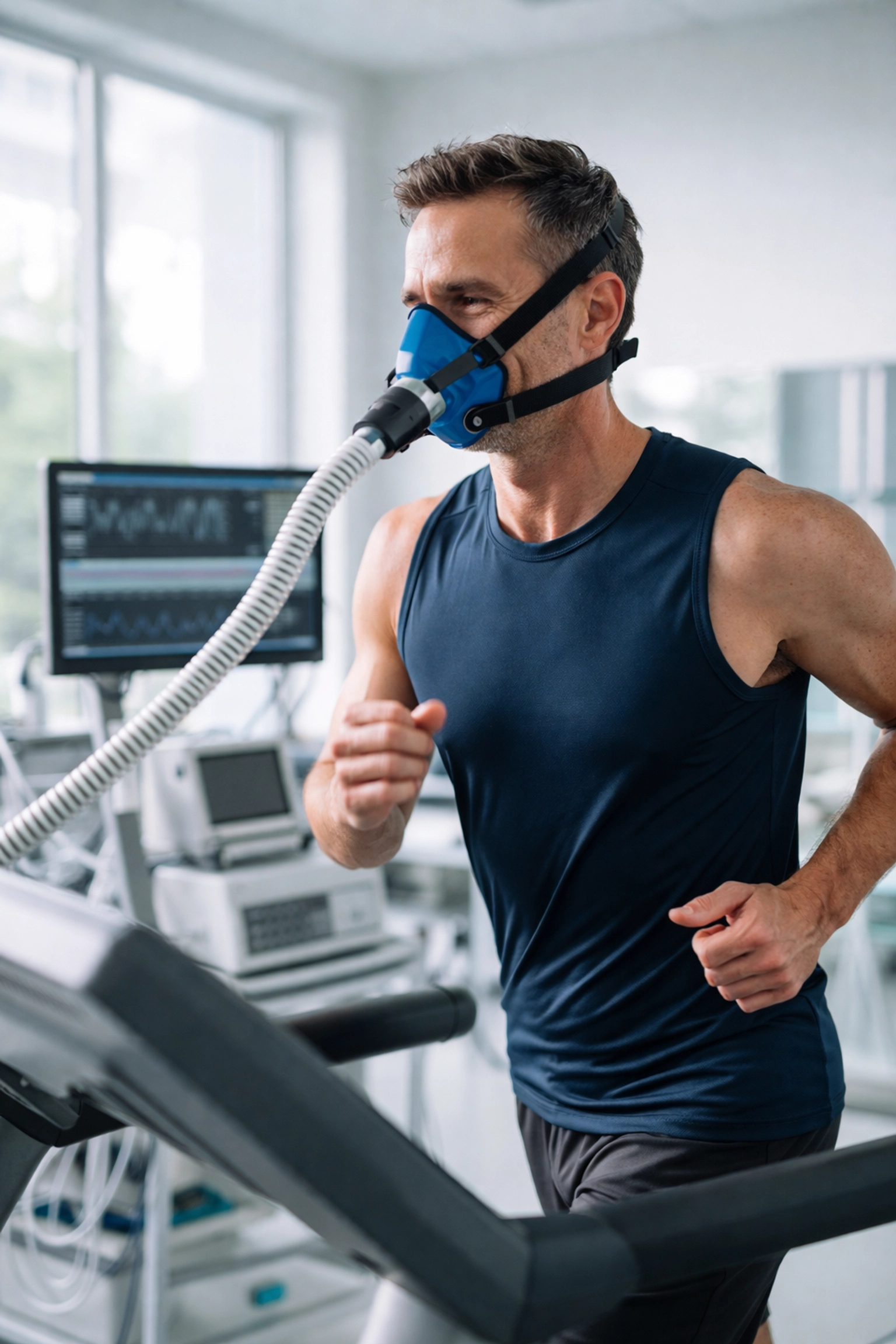
VO2 max measures your body's maximum capacity to transport and use oxygen during intense exercise. The "V" stands for volume, "O2" for oxygen, and "max" for maximum. It's expressed in millilitres of oxygen per kilogram of body weight per minute (ml/kg/min).
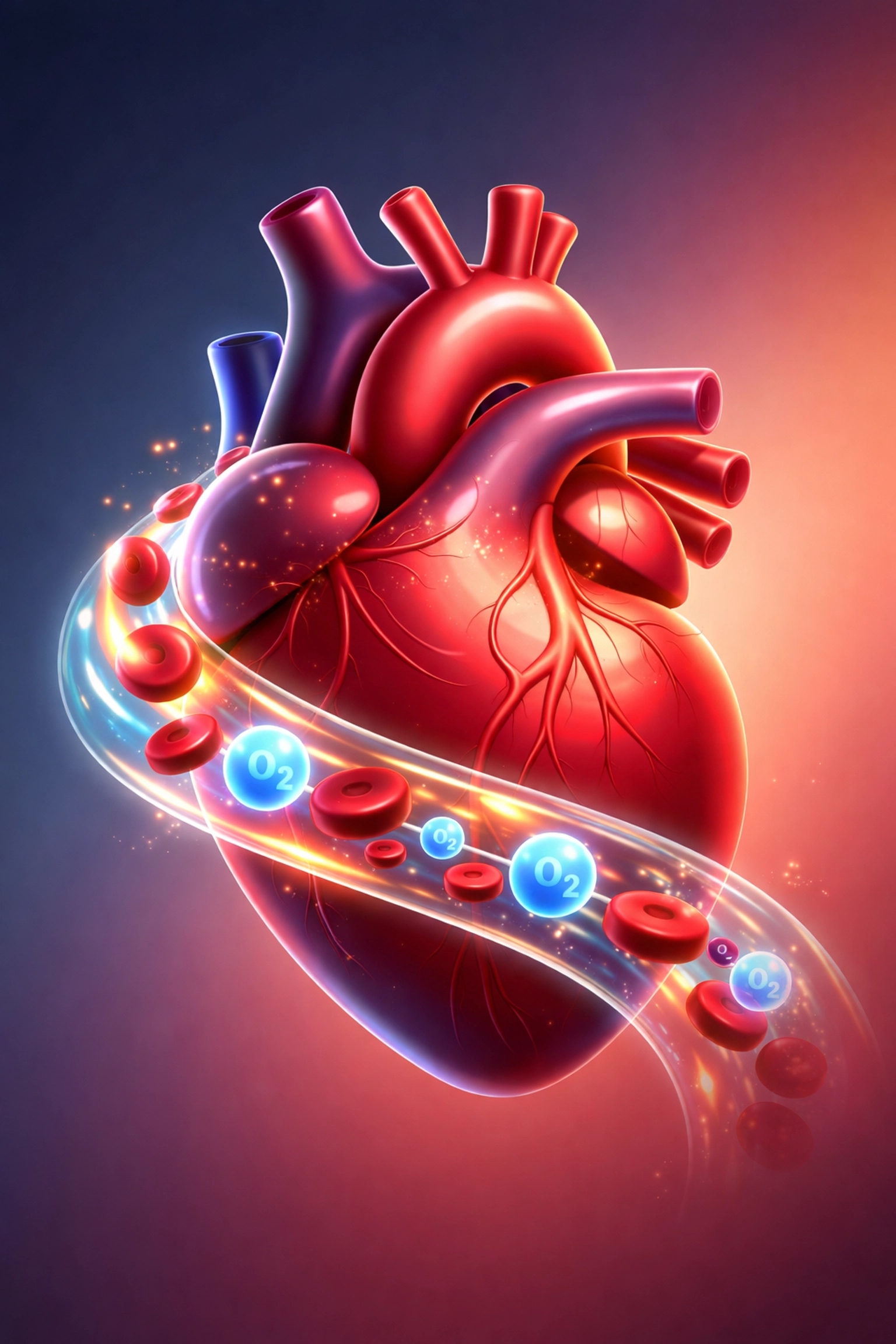
Think of it as your body's aerobic engine capacity. A higher VO2 max means your heart, lungs, and muscles work together more efficiently to deliver and utilise oxygen. This efficiency doesn't just make you better at running for the bus: it's a direct indicator of how well your cardiovascular system functions overall.
Typical VO2 max ranges for adults:
| Fitness Level | Men (ml/kg/min) | Women (ml/kg/min) |
|---|---|---|
| Poor | Below 35 | Below 27 |
| Average | 35-45 | 27-35 |
| Good | 45-55 | 35-45 |
| Excellent | 55-65 | 45-55 |
| Elite | Above 65 | Above 55 |
For context, elite endurance athletes often record values above 70-80 ml/kg/min. The average sedentary adult in the UK typically sits around 35-40 ml/kg/min for men and 27-35 ml/kg/min for women.
Why VO2 Max Predicts Longevity Better Than Almost Anything Else
The numbers are stark. Here's how the mortality risk increases associated with common health factors compare:
- Low VO2 max: 4x higher mortality risk
- Smoking: 41% increased mortality
- Type 2 diabetes: 40% increased mortality
- Coronary artery disease: 29% increased mortality
- High blood pressure: 21% increased mortality
VO2 max doesn't just edge out these factors: it substantially exceeds them as a predictor of all-cause mortality. The comparison between someone with low fitness and elite fitness reveals a five-fold difference in mortality risk.
Here's what makes this even more significant: VO2 max is a stronger predictor of cardiovascular health and longevity than BMI, regardless of your weight. You can be carrying extra pounds and still have excellent cardiorespiratory fitness: and that fitness matters more for your long-term survival prospects.
The protective effects extend beyond heart disease. High VO2 max is associated with reduced risk of:
- All-cause mortality
- Cancer diagnosis and mortality
- Alzheimer's disease and cognitive decline
- Metabolic disorders
- Depression and anxiety
The Decline Problem: What Happens as You Age
VO2 max naturally decreases as you get older. The typical decline is approximately 10% per decade in adults, accelerating to 20% per decade after age 70.
This decline isn't just about feeling more puffed during exercise. It represents a genuine reduction in your body's functional capacity. Someone with a VO2 max of 50 ml/kg/min at age 40 might drop to 40 ml/kg/min by age 50 and 32 ml/kg/min by age 60 without intervention.
The practical implications are significant. Activities that require a VO2 max of around 18-20 ml/kg/min include:
- Walking at a moderate pace
- Light gardening
- Climbing a flight of stairs
- Basic self-care activities
If your VO2 max drops too low, these everyday activities become exhausting. This is why building high fitness levels early in life provides the greatest survival benefit: you're essentially banking cardiovascular capacity for later years.
How to Measure Your VO2 Max
The gold standard measurement involves a graded exercise test in a laboratory, typically on a treadmill or cycle ergometer with breath analysis equipment. These tests are available through sports medicine clinics and some NHS facilities, usually costing £100-250 privately.
However, you don't necessarily need a lab test. Several practical alternatives exist:
Wearable devices: Modern fitness watches from Garmin, Apple, Polar, and others estimate VO2 max using heart rate data and workout performance. While not perfectly accurate, they're useful for tracking trends over time.
The Cooper Test: Run as far as possible in 12 minutes on a flat surface. Use this formula:
- VO2 max = (distance in metres - 504.9) ÷ 44.73
The Rockport Walk Test: Walk one mile (1.6km) as fast as possible on a flat surface, record your time and heart rate at the finish, then use an online calculator.
The step test: Various protocols exist using a standardised step height and measuring heart rate recovery.
How to Improve Your VO2 Max
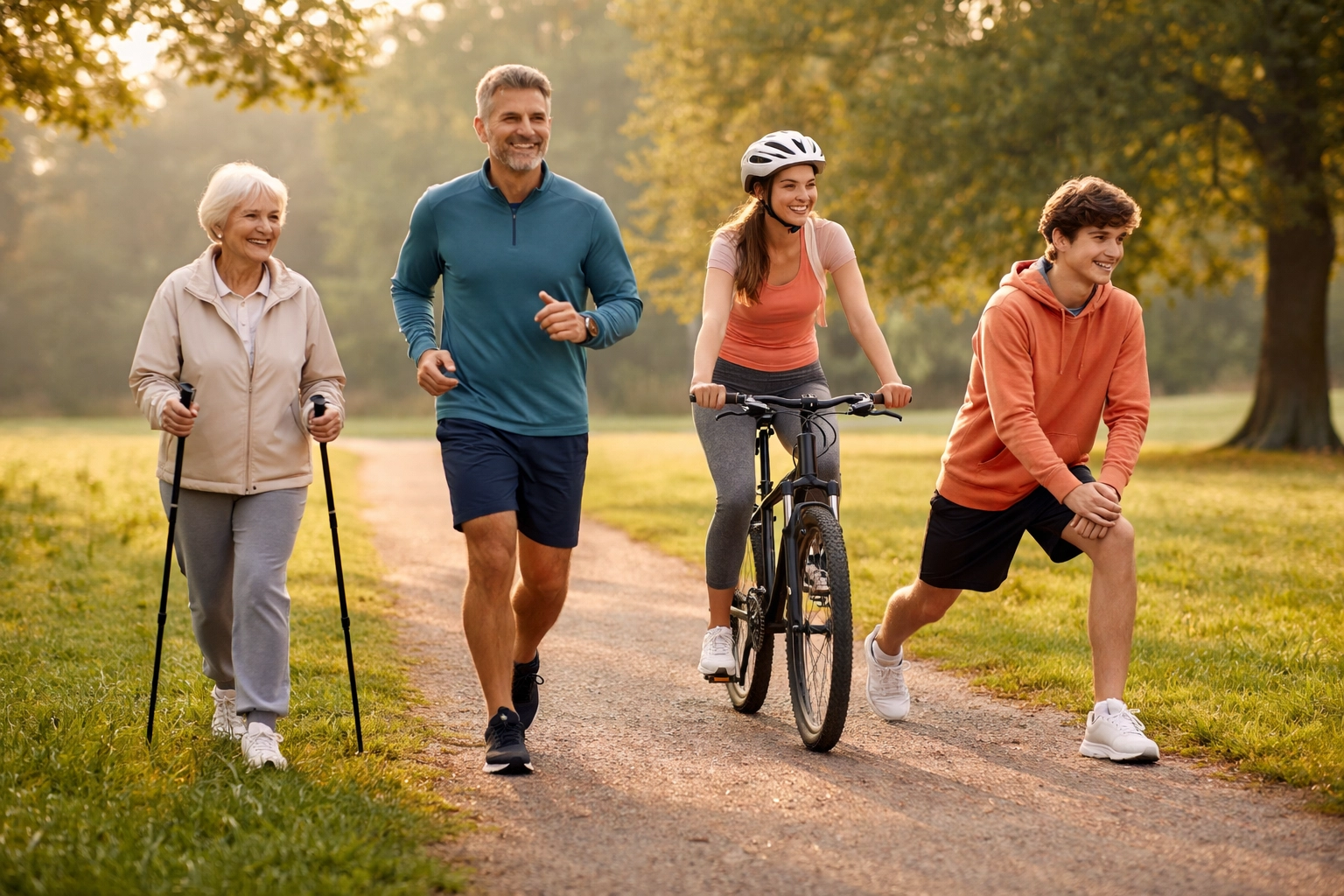
The good news: while VO2 max has substantial genetic influence, it's highly modifiable. Regular endurance training can improve VO2 max by 15-20% in sedentary or recreationally active individuals. Some people achieve gains of 30-40%.
Even small improvements matter enormously. A 1 ml/kg/min increase in VO2 max is associated with a 9-20% reduction in mortality risk.
Here's a practical approach to improving your cardiorespiratory fitness:
Zone 2 Training (60-70% of max heart rate)
This forms your aerobic base. Aim for 3-4 sessions per week, lasting 30-60 minutes each. You should be able to hold a conversation throughout.
Examples: Brisk walking, easy cycling, light jogging, swimming at a steady pace.
High-Intensity Interval Training (HIIT)
Add 1-2 HIIT sessions per week. These push your cardiovascular system to adapt and improve maximum oxygen uptake.
Example workout:
- 5-minute warm-up
- 4-6 intervals of 30-60 seconds at 85-95% max effort
- 1-2 minutes recovery between intervals
- 5-minute cool-down
Progressive Overload
Gradually increase duration, intensity, or frequency every 2-4 weeks. Your cardiovascular system adapts to demands placed upon it: so those demands need to increase over time.
Consistency Over Intensity
Moving from low to below average fitness reduces all-cause mortality by 50% over a decade. Moving from low to above average reduces it by 60-70%. The biggest gains come from simply becoming more active, not from achieving elite status.
Supporting Your Cardiovascular Training
Optimising your cardiorespiratory fitness requires more than just training. Several factors influence your body's ability to transport and utilise oxygen:
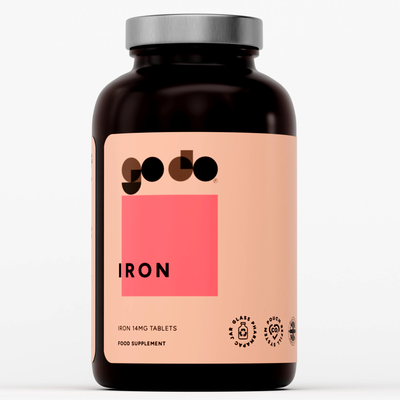
Iron status: Iron is essential for haemoglobin production, which carries oxygen in your blood. Low iron levels directly impair oxygen delivery to working muscles.
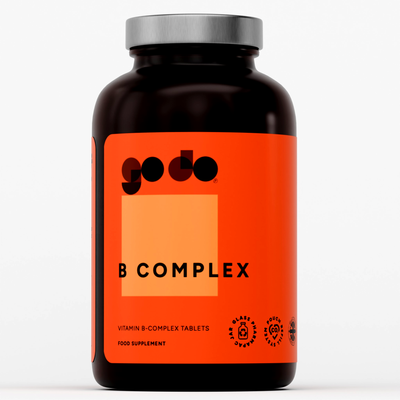
B vitamins: These support red blood cell production and energy metabolism during exercise.
CoQ10: This enzyme plays a crucial role in cellular energy production and has been studied for its effects on exercise performance and recovery.
Magnesium: Essential for muscle function, energy production, and cardiovascular health.
At Fitness Health, we've developed supplements specifically designed to support active individuals working on their cardiovascular fitness. Quality nutrition provides the building blocks your body needs to adapt to training demands.
For more information on supporting your health through supplementation, explore our nutrition resources.
Key Takeaways
-
VO2 max is the strongest predictor of longevity among modifiable health factors: stronger than blood pressure, cholesterol, or BMI.
-
Low fitness carries serious risk. Having low VO2 max increases mortality risk by 4x compared to high VO2 max.
-
Decline is inevitable but manageable. Expect roughly 10% decline per decade, accelerating after 70. Train to build reserves.
-
Improvement is achievable. Most people can improve VO2 max by 15-20% with consistent training. Some achieve 30-40%.
-
Small gains matter. Even a 1 ml/kg/min improvement reduces mortality risk by 9-20%.
-
Start now. The biggest survival benefit comes from building high fitness levels as early as possible.
Your VO2 max isn't just a number for elite athletes to obsess over. It's a direct window into your cardiovascular health and one of the most powerful predictors of how long and how well you'll live. The best part? Unlike your genetics or your age, it's something you can actually change.