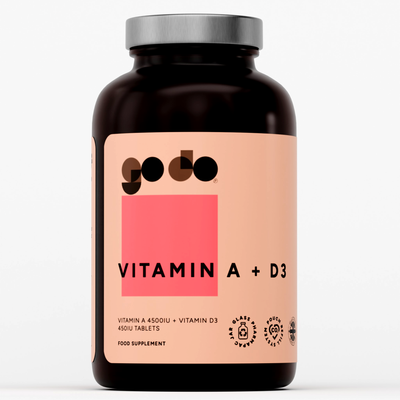
The fitness landscape in 2026 looks nothing like the "one-size-fits-all" gym culture of a decade ago. We have moved past generic PDF workout plans and static calorie counters. Today, fitness is driven by data, precision, and real-time adaptation. At the heart of this revolution is Artificial Intelligence (AI) and smart coaching.
Whether you are a professional athlete or someone just trying to stay active, AI tools are now capable of acting as a personal trainer, nutritionist, and recovery specialist: all rolled into one. Here is how smart coaching is redefining the way we move, eat, and recover.
The Death of the Static Workout Plan
In the past, you might have followed a 12-week strength program printed on a piece of paper or stored in a basic app. The problem with these plans was their rigidity. If you had a poor night’s sleep or felt a niggle in your shoulder, the plan didn't care; it told you to lift the same weight regardless.
In 2026, AI-driven platforms like JuggernautAI and Fitbod have evolved into "dynamic periodization" engines. These systems use machine learning to analyze your performance in real-time. If the AI detects that your bar speed is slowing down or that you aren't hitting your projected reps, it automatically scales back the intensity of your next set to prevent burnout.
Key Benefits of Dynamic Programming:
- Autoregulation: Workouts adjust based on your daily "readiness" score.
- Injury Prevention: AI identifies patterns of overtraining before they lead to physical strain.
- Progressive Overload: The system ensures you are always doing just enough to improve, without hitting a plateau.
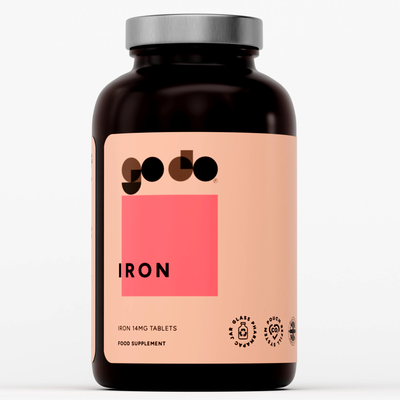
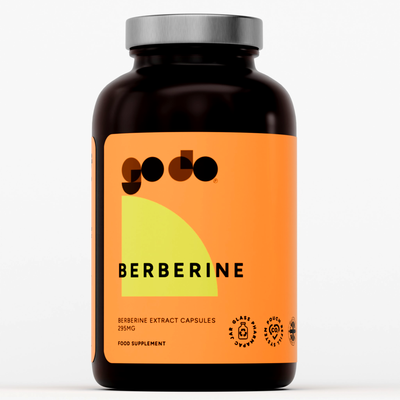
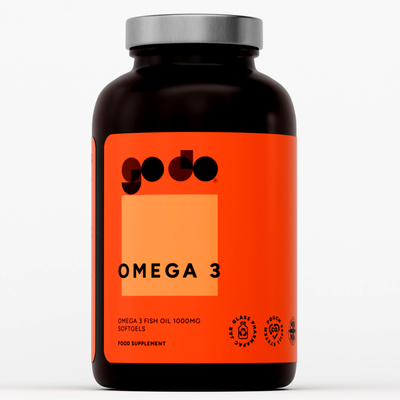
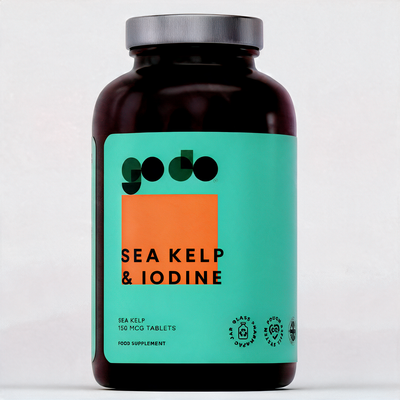
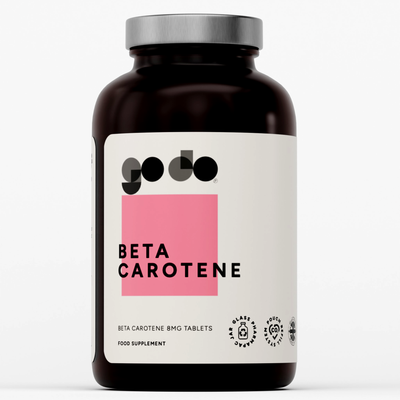
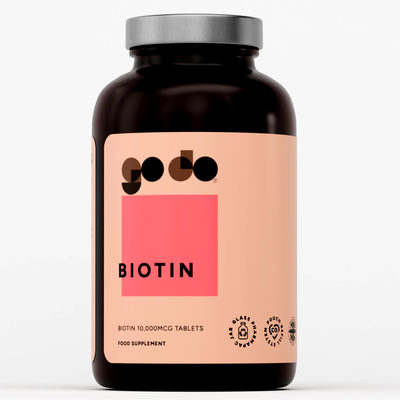
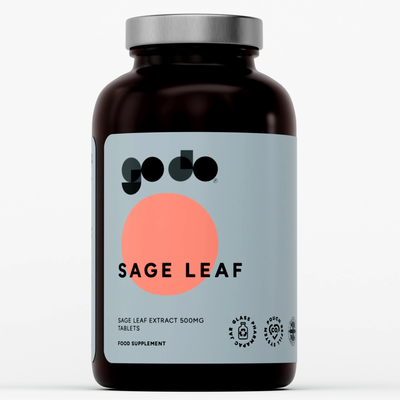
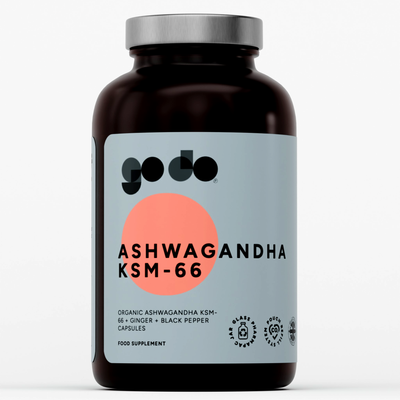
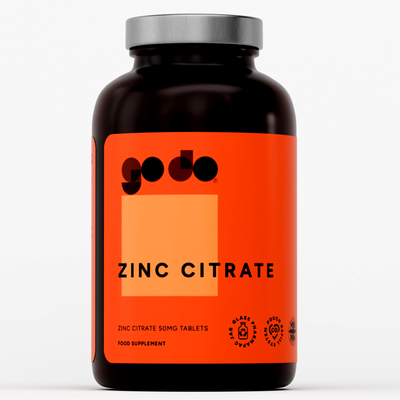
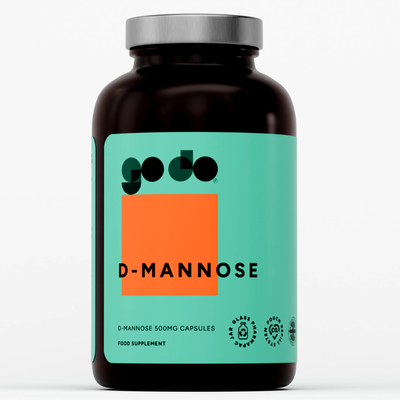
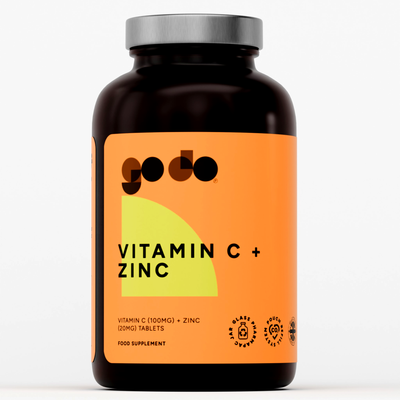
To support this high-intensity, precision-based training, many users are turning to strength and fitness supplements to ensure their bodies can keep up with the data-driven demands of their AI coach.
Real-Time Feedback via Computer Vision
One of the biggest hurdles for home-based fitness used to be the lack of form correction. Without a trainer watching you, it was easy to perform squats or deadlifts with poor posture, increasing the risk of injury.
Now, computer vision technology has solved this. Using the camera on your smartphone or a dedicated smart mirror, AI software can track dozens of "keypoints" on your body. It analyzes your joint angles, depth, and tempo in real-time, providing immediate verbal feedback.
Imagine performing a set of lunges and having a voice tell you, "Keep your chest up" or "Your right knee is caving in." These systems provide a "form score" out of 100, allowing you to gamify your technique. This level of precision ensures that every rep counts toward your goals.
The Integration of Wearable Biometrics
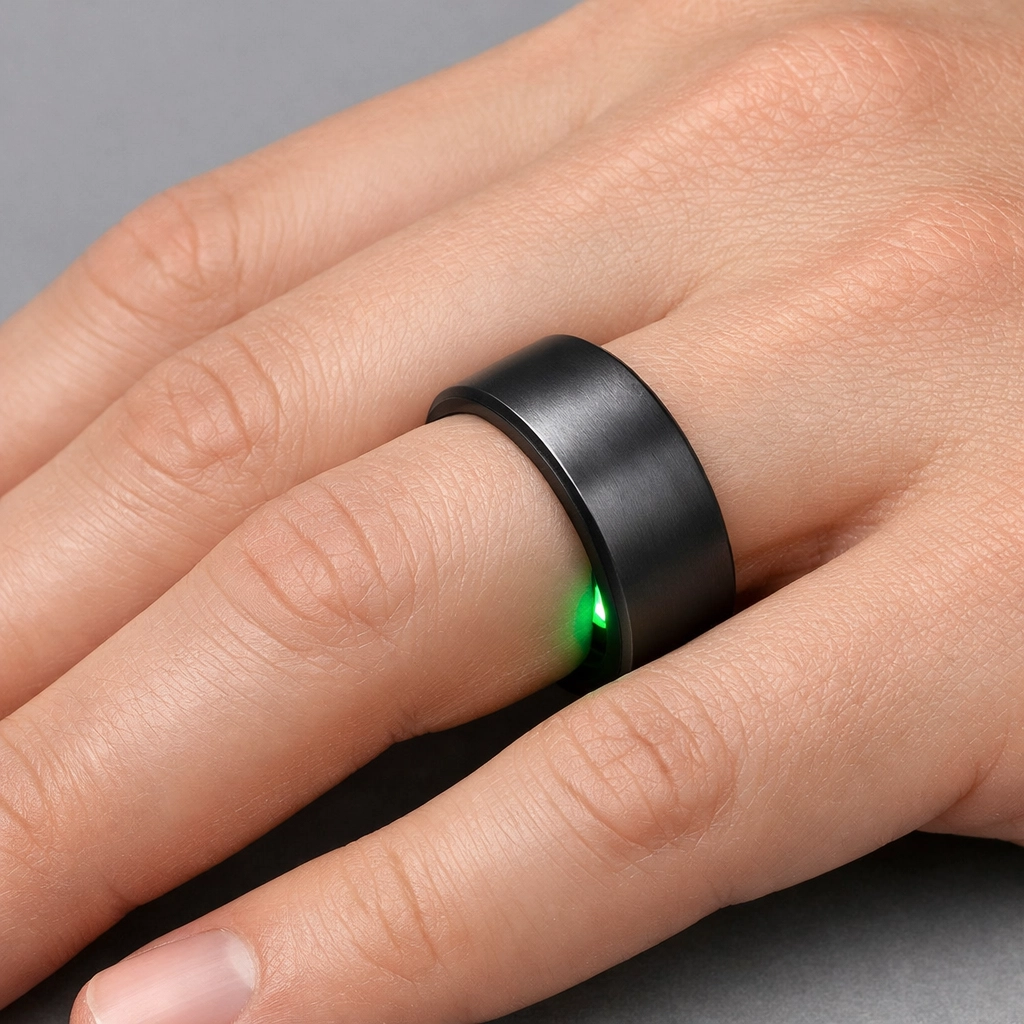
In 2026, your fitness tracker does more than count steps. It is the primary data source for your AI coach. By stacking signals like Heart Rate Variability (HRV), resting heart rate, and sleep cycles, AI platforms can predict your physical capacity for the day.
Systems like SensAI now use these stacked signals to decide your training load. If your HRV is low and your sleep was fragmented, your AI coach might proactively suggest a mobility session instead of the heavy lifting session you had planned. This shift from "pushing through the pain" to "training with the data" is a hallmark of modern fitness.
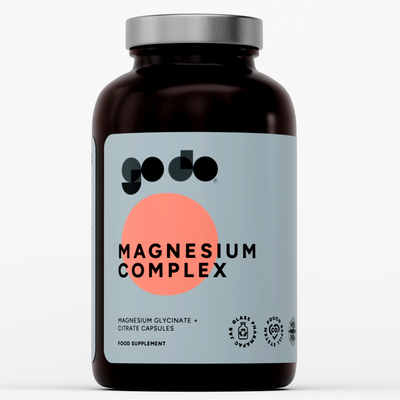
For those whose data shows consistent stress or poor recovery, incorporating magnesium or specific vitamins can help stabilize those biometric markers, allowing the AI to give you the "green light" for harder sessions more often.
AI-Driven Nutrition and Supplement Optimization
Training is only half the battle. In 2026, the real edge comes from how AI handles your internal chemistry. We are seeing a massive shift toward AI-powered nutrition coaching that syncs directly with your workout data.
Apps like Fitia now calculate exactly how many grams of protein, carbs, and fats you need based on the intensity of the workout you just finished. But it goes deeper than just macros. AI is now being used to time supplement intake for maximum efficacy.
Timing Your Stack
If your wearable data indicates a high level of oxidative stress after a marathon training session, your AI coach might recommend increasing your intake of antioxidants to assist with cellular repair.
Similarly, if the AI detects that your focus is dipping during afternoon training sessions, it might suggest a nootropic supplement to bridge the cognitive gap. This level of personalized, data-backed advice ensures you aren't just taking supplements blindly, but using them as surgical tools to improve performance.
The Rise of the "Coach in Your Ear"
Voice-guided AI coaching has become the standard for runners and cyclists. Instead of looking at a watch, an AI voice provides coaching cues based on your live biometrics. If your heart rate enters a zone that is too high for your "Zone 2" endurance walk, the AI will tell you to slow down instantly.
This is particularly useful for trends like Japanese Walking: an interval-based walking technique backed by science that requires strict adherence to specific speeds. The AI acts as a pacer, ensuring you stay within the optimal scientific parameters to see results.
Bridging the Gap Between Health and Tech
The goal of AI in 2026 isn't to replace human intuition, but to enhance it. By removing the guesswork, these tools allow us to focus on the effort itself. However, even the smartest AI cannot fix a body that lacks the fundamental building blocks of health.
High-tech training requires high-quality fuel. As AI helps you push your limits, it becomes even more important to support your physical foundation. This includes:
- Gut Health: Essential for nutrient absorption. An AI coach is only as good as the fuel you can actually digest. Check out our gut health collection for support.
- Joint Support: As AI pushes you toward progressive overload, your joints need to stay resilient. Explore joint health options to stay mobile.
- Recovery: Use data to know when to rest, and use sleep-specific supplements to make that rest count.

Summary of the AI Fitness Revolution
To stay ahead of the curve in 2026, you should look to integrate at least one form of AI coaching into your routine. Here is a quick checklist to get started:
- Select an AI Strength App: Choose a platform that uses "Dynamic Periodization" to adjust your weights based on daily performance.
- Sync Your Wearables: Ensure your heart rate and sleep data are feeding into your coaching app to allow for autoregulation.
- Utilize Form Correction: Use camera-based AI tools at least once a week to audit your lifting technique.
- Optimize Supplementation: Use your data to identify gaps in your recovery or energy and fill them with targeted health care products.
The future of fitness is no longer about working harder; it is about working smarter. By leveraging AI and smart coaching, you can optimize your healthspan, prevent injury, and reach your goals faster than ever before.
Ready to fuel your high-tech fitness journey? Explore our best sellers to find the perfect match for your AI-optimized lifestyle.