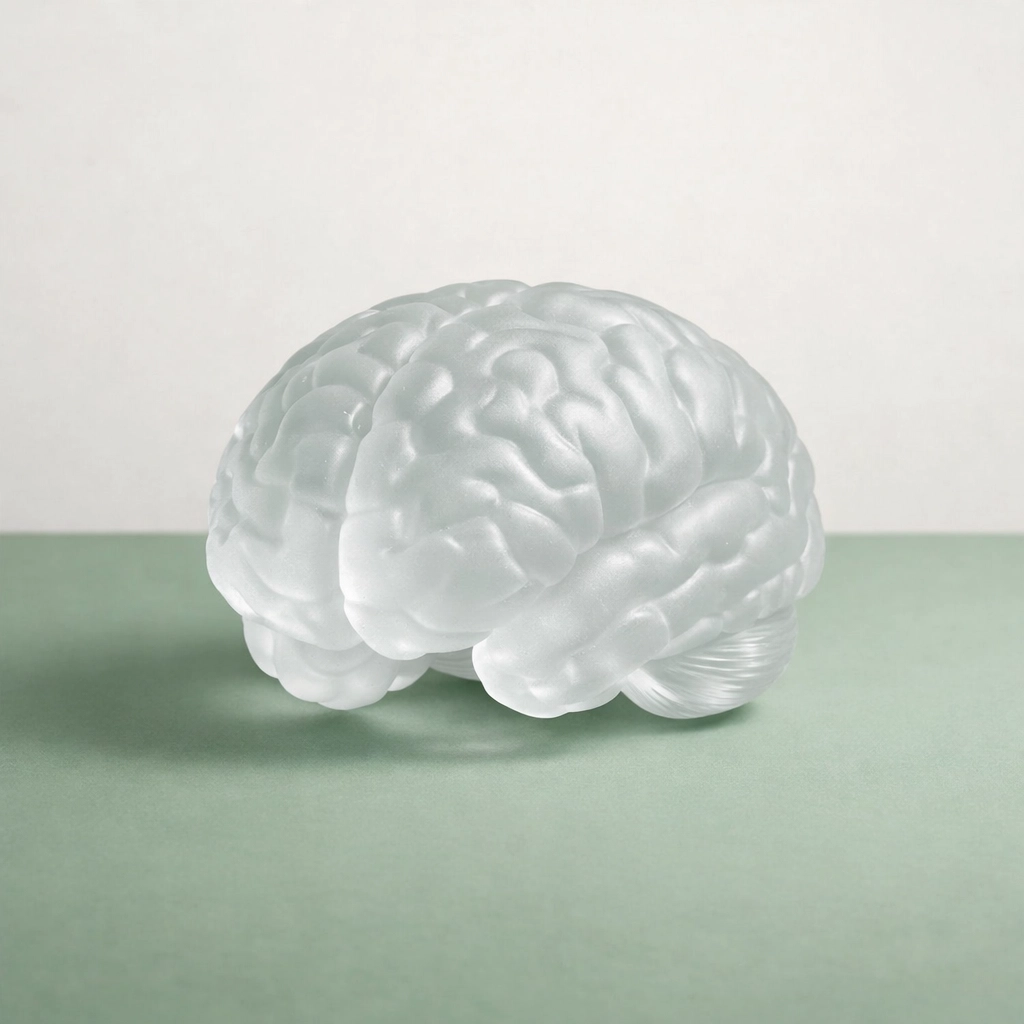
For decades, the fitness industry focused almost exclusively on the neck down. Progress was measured in kilograms lifted, miles run, and inches lost. However, as we move through 2026, the industry is witnessing a paradigm shift. The most important muscle you can train is no longer your bicep: it is your brain.
This shift is known as "neurowellness." It represents a holistic approach to health that prioritizes the state of the brain across cognitive, emotional, and physiological domains. With the integration of Artificial Intelligence (AI) into wearable technology, your fitness tracker is no longer just counting steps; it is monitoring your nervous system's readiness, your stress levels, and your cognitive recovery.
What is Neurowellness?
Neurowellness is the optimization of brain function to allow an individual to realize their full potential. According to the World Health Organization, brain health encompasses cognitive, sensory, social-emotional, behavioural, and motor domains. In the context of modern fitness, neurowellness means moving beyond "physical exhaustion" and focusing on "neurological recovery."
If your brain is fatigued, your body cannot perform. Whether you are an athlete looking for a competitive edge or a professional seeking better focus, understanding your brain’s data is the key to sustainable health.
The Five Pillars of Neurowellness
To understand how to track and improve this metric, we must break it down into five core elements:
- Emotional Neurowellness: The ability to manage automatic emotional responses through self-regulation.
- Psychological Neurowellness: Living mindfully and having the self-awareness to adapt behaviors and thoughts.
- Physiological Neurowellness: Supporting the physical brain through exercise, sleep, and environmental factors.
- Nutritional Neurowellness: Providing the specific nutrients the brain requires, such as antioxidants and specialized minerals.
- Spiritual Neurowellness: Finding purpose and meaning, which reduces chronic stress and promotes cognitive longevity.
How Fitness Trackers are Measuring Your Brain
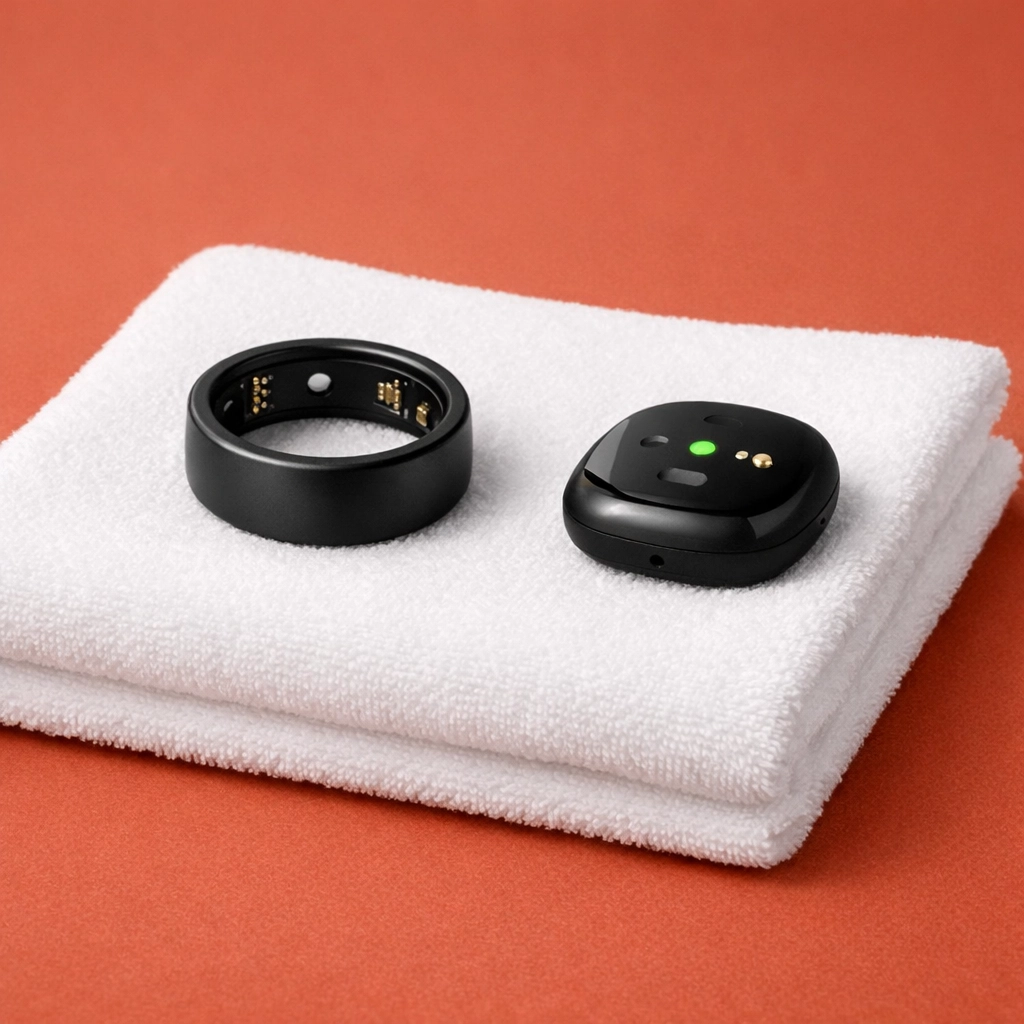
Modern wearables have evolved. They now use high-frequency sensors and AI algorithms to provide a "Readiness Score" or "Body Battery." These metrics are essentially a proxy for your neurological state.
Heart Rate Variability (HRV)
HRV is the most significant neurowellness metric available today. It measures the variation in time between each heartbeat. This variation is controlled by your autonomic nervous system (ANS).
- High HRV: Indicates that your body is in a "rest and digest" state (parasympathetic). Your brain is recovered and ready for stress.
- Low HRV: Indicates a "fight or flight" state (sympathetic). This is a sign of neurological fatigue, even if your muscles don't feel sore yet.
Sleep Architecture
Fitness trackers now distinguish between light, deep, and REM (Rapid Eye Movement) sleep. While deep sleep is essential for physical repair, REM sleep is where neurowellness happens. During REM, your brain processes emotions, clears metabolic waste, and consolidates memories. If your tracker shows a lack of REM sleep, your cognitive health is at risk, leading to brain fog and irritability.
Stress Monitoring and EDA Sensors
Some high-end trackers now include Electrodermal Activity (EDA) sensors. These detect tiny electrical changes on your skin caused by sweat, which is a direct response to adrenal activation. AI then correlates this with your heart rate to tell you exactly when your brain is under high cognitive load.
The Role of Nootropics and Supplements in Neurowellness
Tracking your data is only the first step. The second step is taking action. Nutritional neurowellness focuses on "biohacking" the brain's environment to ensure it has the raw materials needed for focus and recovery.
1. Nootropics for Cognitive Edge
Nootropics are substances that improve cognitive function, particularly executive functions, memory, creativity, or motivation. In a world where mental fatigue is the leading cause of skipped workouts, nootropics have become a staple in the fitness community. They help bridge the gap between "feeling tired" and "getting it done."
2. Ashwagandha for Cortisol Control
Chronic stress is the enemy of neurowellness. When cortisol remains elevated, it creates neuroinflammation and hinders muscle growth. Ashwagandha is an adaptogen that has been scientifically shown to lower cortisol levels. By supporting the adrenal system, it helps maintain a higher HRV, allowing you to stay in a "performance zone" for longer.
3. Magnesium for Nervous System Relaxation
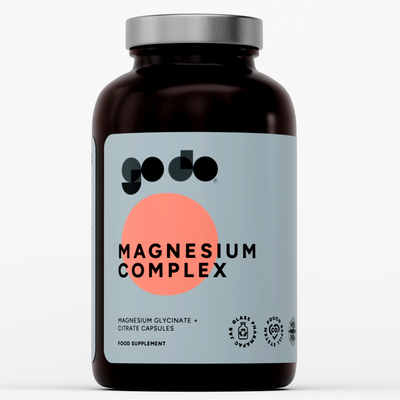
Magnesium is involved in over 300 biochemical reactions, but its role in the nervous system is paramount. It regulates neurotransmitters that send signals throughout the brain and nervous system. Taking magnesium before bed can improve sleep quality by helping the brain "shut down," moving you from a sympathetic to a parasympathetic state.

Optimizing Focus and Mental Performance
Fitness is no longer just about the gym; it is about performance in all areas of life. This is why many are turning to supplements specifically designed for focus. Ingredients like Caffeine (in moderate doses), L-Theanine, and Bacopa Monnieri help the brain maintain concentration without the "jittery" side effects of traditional stimulants.
Key Takeaways for Supplementation:
- Morning: Use Nootropics or focus-based supplements to align with high-demand cognitive tasks.
- Post-Workout: Focus on antioxidants to reduce systemic inflammation.
- Evening: Use Magnesium and Ashwagandha to signal to the brain that the "work" phase is over and the "recovery" phase has begun.
Why Your Training Plan Needs to Be "Brain-First"
If you ignore your neurowellness metrics, you risk burnout and injury. AI-driven fitness apps now recommend "Deload Weeks" not based on your calendar, but based on your nervous system data.
If your tracker shows a low HRV and poor REM sleep for three consecutive days, a high-intensity interval training (HIIT) session will likely do more harm than good. In this state, your brain cannot efficiently recruit motor units, leading to poor form and potential injury. Instead, neurowellness-focused training would suggest low-impact movement, meditation, or extra sleep to allow the nervous system to reset.
Practical Steps to Improve Your Neurowellness
To begin prioritizing your brain health, follow these actionable steps:
- Monitor Your HRV Trends: Don't obsess over a single day's score. Look at your weekly average. If it is trending downward, increase your recovery time.
- Prioritize REM Sleep: Avoid blue light and alcohol before bed, as these are the two biggest inhibitors of REM sleep. Consider a sleep-supporting supplement if your REM cycles are consistently low.
- Practice Tactical Breathing: Use 4-7-8 breathing or box breathing for two minutes when your tracker alerts you to high stress. This manually "hacks" your nervous system to switch from sympathetic to parasympathetic mode.
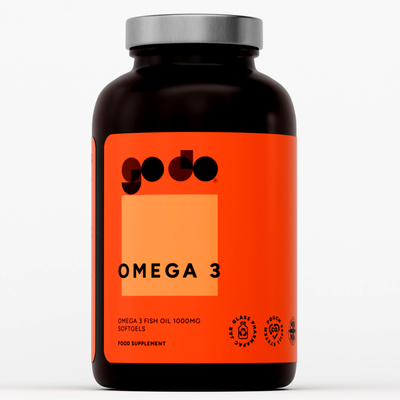
- Fuel Your Brain: Ensure your diet includes Omega-3 fatty acids, which make up a large portion of brain tissue, and antioxidants to protect against oxidative stress.
The Future of Fitness is Cognitive
The integration of AI and neurowellness is just the beginning. We are moving toward a future where our devices will predict illness before we feel symptoms and suggest specific nutrients based on our real-time neurotransmitter depletion.
By focusing on your brain health today, you aren't just improving your workout; you are protecting your cognitive longevity. Fitness is a lifelong journey, and your brain is the driver. Treat it with the same discipline you apply to your physical training.
For more information on how to support your journey, visit our FAQs or explore our organisation values to see how we prioritize science-backed health.
Safety Disclaimer: Always consult with a healthcare professional before starting a new supplement regimen, especially if you have pre-existing neurological conditions or are taking medication. For more details, see our Warranty and Disclaimer.