Maintaining a consistent exercise routine is one of the primary drivers of long-term physiological adaptation and health. However, data suggests that a significant percentage of individuals fail to maintain their training frequency beyond the initial six months of a new program. Research published by the National Institutes of Health (NIH) indicates that exercise adherence is not merely a matter of willpower but is governed by complex behavioral mechanisms, including habit loops, environmental cues, and psychological barriers. Understanding these scientific principles is the first step toward transforming sporadic workouts into a sustainable lifestyle.
Table of Contents
- Reason 1: Relying on Fluctuating Motivation
- Reason 2: Setting Unrealistic, Oversized Goals
- Reason 3: The "All-or-Nothing" Cognitive Bias
- Reason 4: Overreliance on Finite Willpower
- Reason 5: High Environmental Friction
- Reason 6: Lack of Context-Stable Cues
- Reason 7: Delayed Reward Feedback Loops
- Reason 8: Poor Program Specificity and Variety
- Reason 9: Neglecting Objective Progress Tracking
- Reason 10: Missing Identity-Based Habits
- Key Takeaways Summary
- The 4-Step Adherence Framework
- Real-World View: Grind Culture vs. Science
- FAQ
Key Takeaways
| Feature | Impact on Consistency | Science-Based Fix |
|---|---|---|
| Motivation | High Volatility | Build automated systems and cues. |
| Goal Size | High Barrier to Entry | Scale down to "tiny" baseline habits. |
| Environment | Increases Friction | Optimize your space for easy access. |
| Tracking | Lack of Visibility | Use objective logs for dopamine feedback. |
| Mindset | Perfectionism Paralyzes | Adopt a "Never Miss Twice" rule. |
1. Relying on Fluctuating Motivation
Many trainees wait until they "feel like it" to go to the gym. From a neurobiological perspective, motivation is driven by dopamine spikes which are inherently temporary and reactive to external stimuli like music or social media. Relying on this surge means your consistency is at the mercy of your mood.
The Fix: Transition from a motivation-based model to a systems-based model. Use "Implementation Intentions", pre-determined plans that specify exactly when, where, and how you will train.
"Habits are the compound interest of self-improvement." , James Clear, Behavioral Expert.
2. Setting Unrealistic, Oversized Goals
When we start a new fitness journey, we often design a schedule for our "ideal self" rather than our "actual self." Attempting a 6-day-a-week, 90-minute high-intensity program when you currently do zero minutes of exercise creates a massive psychological barrier.
The Fix: Implement the "2-Minute Rule." Make your starting habit so small it is impossible to fail. Even a 5-minute walk maintains the neural pathway of the habit.

Pro Tip: The Minimum Baseline
Always define a "Minimum Baseline" workout. This is a 10-minute routine you do on your worst, busiest days. It preserves the habit of showing up even when intensity is impossible.
3. The "All-or-Nothing" Cognitive Bias
Commonly known as the "What-the-Hell Effect," this occurs when a small lapse (missing one session) leads to a total abandonment of the program. Scientific literature suggests that perfectionism is a significant predictor of exercise dropout.
The Fix: Shift your focus from perfection to "volume of adherence." One missed day in a month is a 96% success rate. Treat lapses as data points, not failures.
4. Overreliance on Finite Willpower
Executive function and willpower are localized in the prefrontal cortex and can be depleted by daily stress, decision fatigue, and work. If your training requires massive willpower every evening, you will eventually run out of "fuel."
The Fix: Reduce the number of decisions you have to make. Pack your bag the night before, pre-write your workout, and choose a gym on your commute home.
5. High Environmental Friction
Friction is any obstacle that stands between you and the desired behavior. If your gym is 30 minutes away or your workout gear is buried in a cluttered closet, the "activation energy" required to start is too high.
The Fix: Optimize your environment. Layout your clothes. Keep your equipment visible. Choose a strength and fitness environment that is convenient and welcoming.
6. Lack of Context-Stable Cues
Habits are triggered by cues (time, location, or preceding actions). If your workout time changes every day, your brain never develops the automatic "trigger" that tells it it’s time to move.
The Fix: Use "Habit Stacking." Link your training to an existing, rock-solid habit. For example: "After I close my work laptop (Cue), I will immediately put on my training shoes (Action)."

7. Delayed Reward Feedback Loops
The primary benefits of exercise, muscle growth, fat loss, and improved cardiovascular health, take weeks or months to manifest. The human brain is evolutionarily wired for immediate rewards.
The Fix: Create immediate "micro-rewards." This could be the satisfaction of checking a box on a tracker or listening to a specific favorite podcast only while training.
8. Poor Program Specificity and Variety
Program hopping, changing your routine every week, prevents you from seeing the progress that comes with progressive overload. Conversely, doing the exact same thing for a year leads to boredom and plateaus.
The Fix: Follow a structured program for 8-12 weeks. Use a "same but different" approach where the core movements stay the same, but you vary intensity, volume, or minor accessories to maintain engagement.
9. Neglecting Objective Progress Tracking
Subjective feelings are unreliable. You might feel like you aren't progressing even when you are. Without data, it is easy to lose interest when the "newness" of the routine wears off.
The Fix: Use a training log. Track your weights, reps, and sets. Seeing a 5lb increase in your squat over time provides a powerful psychological boost.

10. Missing Identity-Based Habits
Most people focus on outcomes (losing 10 lbs) rather than identity (becoming an active person). When you hit the goal, or the goal feels too far away, you stop.
The Fix: Change your self-narrative. Instead of saying "I am trying to work out," say "I am the type of person who never misses a Monday."
Comparison: Motivation vs. Habit Systems
| Feature | Motivation-Driven Training | Systems-Driven Training |
|---|---|---|
| Trigger | Feeling "inspired" | Specific time/location cue |
| Sustainability | Low (days to weeks) | High (months to years) |
| Willpower Required | High | Low (after 66 days avg.) |
| Effect of Stress | Training stops | Training is the anchor |
The 4-Step Adherence Framework
To fix your consistency once and for all, apply this practical framework:
- Audit the Friction: Identify the top 3 things that make it hard to start your workout (e.g., commute, clothes, lack of plan).
- Design the Cue: Choose a specific habit anchor (e.g., "After my morning coffee...").
- Execute the "Tiny" Version: For the first 14 days, commit to just 15 minutes of movement.
- Log and Reward: Record the session immediately and acknowledge the "win."
Real-World View: Grind Culture vs. Science
The fitness industry often promotes a "No Excuses" or "Grind 24/7" mentality. While this sounds inspiring in a 30-second clip, it is biologically unsustainable for the average person.
The Scientific Reality: The body and brain require periods of deloading and recovery. True consistency isn't about training through a 40-degree fever or a major injury; it's about having the flexibility to adjust your intensity without quitting. Research into joint health and recovery shows that longevity is built on smart moderation, not perpetual exhaustion.
:::info
Pro Tip: The "Never Miss Twice" Rule
Life happens. If you miss a workout, don't sweat it. Just make sure you never miss two in a row. This prevents the lapse from becoming a new habit of inactivity.
:::
Elevate Your Health with Fitness Health
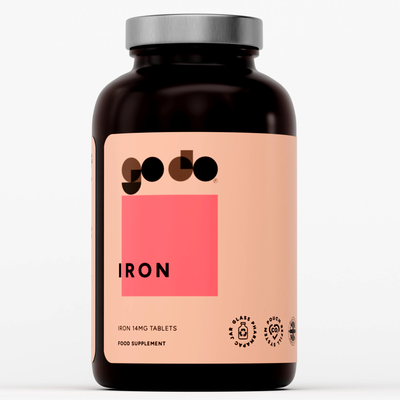
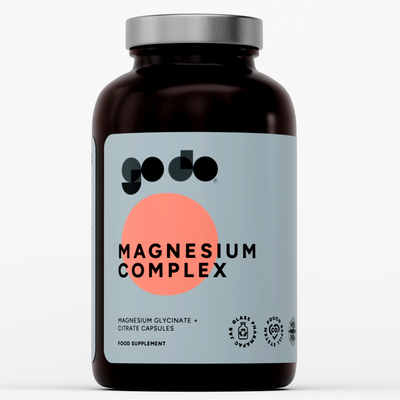
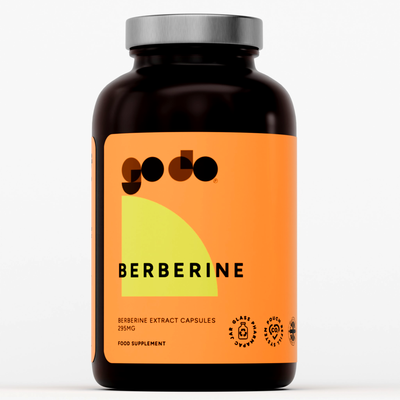
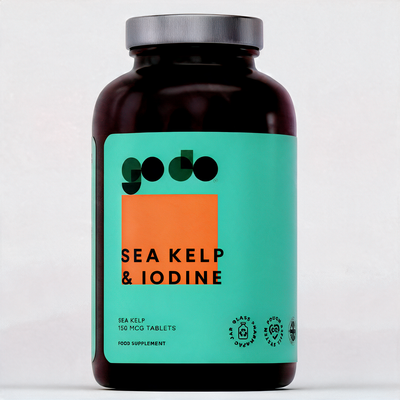
At Fitness Health, we believe that peak performance is built on a foundation of consistent habits and premium nutrition. While consistency starts with your mindset, supporting your body with the right nutrients ensures you have the energy and focus to show up every day. Our eco-friendly, UK-made solutions are designed for those who value quality and sustainability.

FAQ
How long does it actually take to form a fitness habit?
While the "21 days" myth is popular, a study from University College London suggests it takes an average of 66 days for a new behavior to become automatic, though it can range from 18 to 254 days.
Should I workout even when I’m tired?
If it's mental fatigue from work, a light workout often improves energy levels. If it's physical exhaustion or lack of sleep, a recovery-focused session like stretching is more beneficial than high-intensity training.
Can I build consistency at home vs. the gym?
Yes. The best environment is the one with the lowest friction. If the gym is too far, home workouts with a minimalist setup can be highly effective for building the consistency habit.
Recommended Reading
- Understanding Muscle Recovery Science
- The Role of Mobility in Long-term Training
- How to Manage Stress for Better Gains