We’ve all been there: standing in front of the mirror, wondering why those bicep peaks aren't peaking yet despite months of hard work. It’s the age-old gym debate that has sparked countless late-night forum threads and locker-room chats: should you lift heavier weights (intensity) or do more work (volume)? While staying active is a massive win for your longevity, as highlighted by Harvard Health, the specific path to building muscle requires a bit more nuance. If you're an intermediate lifter who has hit a wall, understanding the dance between volume and intensity is your ticket to a new personal best.
Table of Contents
- The Volume vs. Intensity Debate: Which Wins?
- What Exactly is Training Volume? (Sets and Reps)
- The Power of Intensity: How Heavy Should You Go?
- Volume vs. Intensity: The Perfect Synergy
- Breaking Through Your Plateau (Practical Guide for Intermediates)
- Safety and Recovery: The Often-Overlooked Drivers
The Volume vs. Intensity Debate: Which Wins?
When we talk about volume vs. intensity for muscle growth, it's easy to think of them as two rival teams. On one side, you have the "High Volume" crowd, doing 20+ sets per muscle group and spending hours chasing the pump. On the other, the "High Intensity" crew, who swear by a few heavy, bone-crushing sets taken to absolute failure.
The truth is, they aren't enemies: they're more like coffee and cream. You need both to get the best result. For intermediates, the real question isn't "which is better," but rather "how do I balance them to keep progress moving?" Research suggests that while intensity acts as the trigger for growth, volume is the fuel that keeps the fire burning.
What Exactly is Training Volume? (Sets and Reps)
In the world of hypertrophy (that’s just a fancy word for muscle growth), we usually define training volume for hypertrophy as the number of "hard sets" you perform for a muscle group per week. A hard set is one that gets you close to the point where you can't do another rep with good form.
Imagine you're doing bicep curls. If you do 3 sets of 10 reps and each set feels like a genuine struggle by the end, your volume for that session is 3 sets. If you do this twice a week, your weekly volume is 6 sets. Science shows a clear "dose-response" relationship here: generally, more volume leads to more growth, up to a certain point.
The Benefits of Optimizing Volume:
- Steady Progress: Gradually increasing your weekly sets is one of the most reliable ways to spark new growth.
- Improved Work Capacity: You’ll get better at handling more stress, which translates to longer-term gains.
- Muscle Endurance: Higher volume ranges often improve the metabolic efficiency of your muscles.
- Versatility: You can accumulate volume with various exercises, keeping your workouts fresh.
The Power of Intensity: How Heavy Should You Go?
Now, let's talk about training intensity for muscle growth. In lifting circles, "intensity" usually refers to one of two things: the percentage of your one-rep max (how heavy the weight is) or your "relative effort" (how close you get to failing).
For building muscle, the actual weight on the bar matters less than you might think: as long as the set is hard. You can grow muscle using sets of 5 reps or sets of 30 reps, provided you're pushing yourself. This is where many intermediates go wrong; they stop their sets far too early. If you're consistently leaving 5 or 6 reps "in the tank," you're not providing enough intensity to signal the body to grow.
The Benefits of High-Intensity Training:
- Time Efficiency: You can get a massive stimulus in fewer sets if those sets are truly high-effort.
- Central Nervous System Adaptation: Heavier loads help your brain get better at "recruiting" muscle fibers.
- Mental Toughness: There's something uniquely rewarding about pushing through a set that feels impossible.
- Functional Strength: Higher intensity loads (lower reps, heavier weights) are superior for building raw strength.

High-quality nutrients help you maintain the intensity needed for those tough sessions.
Volume vs. Intensity: The Perfect Synergy
The magic happens when you combine optimal sets and reps for muscle mass with the right level of effort. Think of intensity as the quality of your work and volume as the quantity. If you do a ton of low-quality sets, you're just doing "junk volume": you'll get tired, but you won't grow. If you do one high-quality set and go home, you might not be giving your body enough of a reason to change.
A common sweet spot for intermediate lifters is the 10–20 set range per muscle group per week. Within those sets, you should aim to be within 1–3 reps of failure. This ensures that every set you do is an "effective" set.
Breaking Through Your Plateau (Practical Guide for Intermediates)
If you've been stuck at the same weight and size for months, it’s time to look at progressive overload for intermediates. You don't always need to add weight to the bar. Here’s how to troubleshoot your plateau:
- Check Your Intensity: Are you actually training hard? Try taking one set of an exercise to absolute failure (safely, of course). If you get 5 more reps than you usually do, your normal intensity is too low.
- Slowly Bump the Volume: If your intensity is on point, try adding 1–2 sets per muscle group per week. See how your body responds over the next month.
- Use RPE Training: Start rating your sets on a scale of 1 to 10 (Rate of Perceived Exertion). Aim for an 8 or 9 on your working sets. RPE training for muscle growth is a game-changer for staying consistent without burning out.
- Switch Your Rep Ranges: If you always do 8–10 reps, try a block of 12–15 reps or 5–7 reps. A new stimulus can often kickstart growth.
Safety and Recovery: The Often-Overlooked Drivers
More isn't always better. If you ramp up your volume but your sleep and nutrition are a mess, you're just digging a hole you can't climb out of. Muscle doesn't grow in the gym; it grows while you're resting and refueling.
Safety Warnings and Contraindications:
- Joint Pain: If a specific exercise or volume level causes persistent joint pain, stop and re-evaluate your form or load.
- Overtraining Signs: Watch out for persistent fatigue, irritability, and a lack of motivation to train. These are signs you need a deload.
- Form Over Weight: Never sacrifice technique for the sake of adding intensity. An injury is the fastest way to lose all your gains.
- Medical Consultation: If you have underlying health conditions, always consult a professional before drastically changing your exercise intensity.
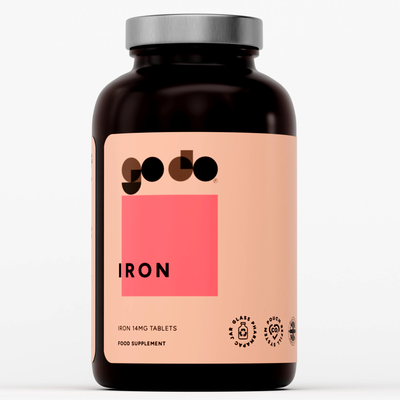
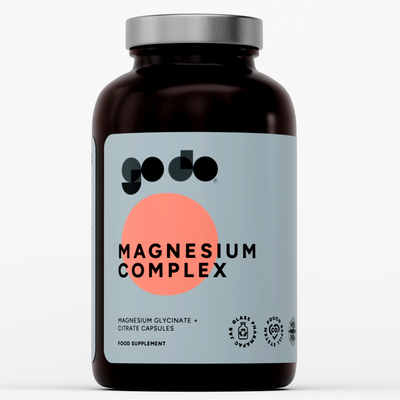
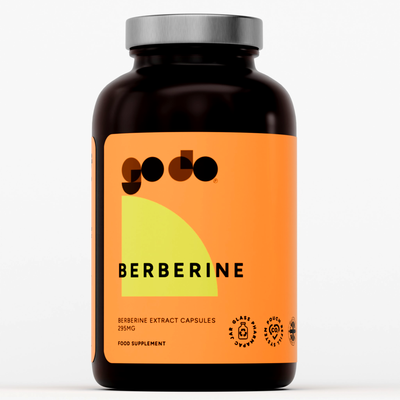
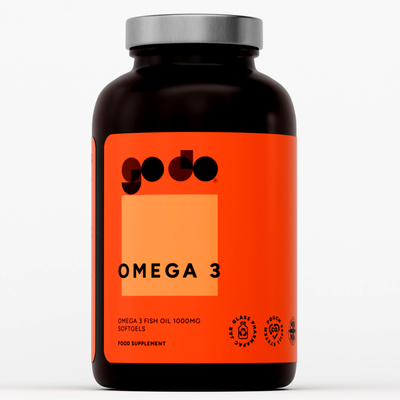
At Fitness Health, we believe that the right support can make all the difference in your recovery. Whether it’s supporting your joints or ensuring your body has the micronutrients it needs to repair muscle tissue, we’ve got your back.
Support Your Gains with Fitness Health
Ready to take your training to the next level? Our premium supplements are designed to help you push harder and recover faster. Check out our full range of Health and Fitness Solutions and find the perfect partner for your muscle-building journey.
Recommended for you: