I used to be that person who thought a day away from the gym was a day lost. I’d wear my exhaustion like a badge of honor, dragging myself to the squat rack even when my legs felt like they were made of lead and my brain was in a thick fog. I truly believed that "no days off" was the only way to reach my goals. But then, the plateau hit. My lifts stalled, my mood soured, and a nagging shoulder injury finally forced me to sit on the sidelines. It was only then, while I was literally forced to rest, that I realized I hadn't been training like a warrior, I’d just been being stubborn.
The truth is, your body doesn't actually get stronger while you're lifting heavy weights or running miles. It gets stronger in the hours and days after you finish. According to research from the National Center for Biotechnology Information, muscle protein synthesis and tissue repair happen during periods of rest, not during the stress of the workout itself. Learning to "rest harder" was the single best thing I ever did for my fitness, and it’s time we start looking at recovery as a performance tool rather than a sign of weakness.
Table of Contents
- The Myth of the "No Days Off" Grind
- Supercompensation: The Science of the Rebound
- Active vs. Passive Recovery: Know the Difference
- The Top 5 Benefits of Prioritizing Your Rest
- Red Flags: Signs You’re Pushing Too Hard
- Level Up Your Recovery with Fitness Health
The Myth of the "No Days Off" Grind
We live in a culture that glorifies the hustle. We’re told that if we aren't grinding 24/7, someone else is outworking us. In the fitness world, this often translates to a fear of the importance of rest days for muscle growth. We worry that a single day off will cause our hard-earned gains to vanish into thin air. But this mindset is actually counterproductive. When we train, we are essentially breaking our bodies down. We create micro-tears in our muscle fibers and stress our central nervous system.
If we don't give our bodies the chance to patch things back up, we’re just stacking stress on top of stress. This leads to chronic inflammation, hormonal imbalances, and eventually, burnout. I’ve seen so many people, myself included, hit a wall because they refused to listen to their bodies. Shifting your perspective to see rest as a "performance multiplier" changes the game. It’s not about doing less; it’s about doing what is necessary to ensure the work you do put in actually counts.

Supercompensation: The Science of the Rebound
If you want to understand why rest is so vital, you need to know about a concept called supercompensation. Think of your body like a rubber band. When you train hard, you’re stretching that band. You’re creating fatigue and temporarily lowering your performance capacity. This is the initial "stress" phase. Once the workout is over, your body enters the recovery phase, where it works to return to its original state (homeostasis).
The magic happens in the next phase. If you give your body enough time, nutrition, and sleep, it doesn't just return to where it was, it overshoots it. It builds back a little bit stronger and more resilient than before to handle that same stress more easily next time. This is the supercompensation window. If you train again too soon, you cut that window short and never get the benefit of the "rebound." If you wait too long, the adaptation fades. Getting the timing right is the secret sauce to long-term progress. Sites like Healthline often highlight that without this window, you’re just spinning your wheels.
Active vs. Passive Recovery: Know the Difference
Not all rest days have to involve sitting on the couch for twelve hours (though sometimes, that’s exactly what the doctor ordered!). There’s a big difference between active recovery vs passive recovery, and both have their place in a well-rounded program. Passive recovery is total rest, no exercise, just relaxing and letting your body do its thing. This is usually best after a very intense training block or when you’re feeling genuinely exhausted.
Active recovery, on the other hand, involves low-intensity movement that gets the blood flowing without adding significant stress. Think of a light walk, some gentle yoga, or a very easy swim. The goal isn't to burn calories or build strength; it’s to help clear out metabolic waste products and keep your joints moving. I personally love a 20-minute walk on my "off" days. It keeps me in the habit of moving while giving my nervous system a much-needed break. It's a great way to stay focused without the high-impact stress of a gym session.

The Top 5 Benefits of Prioritizing Your Rest
When you start taking your recovery as seriously as your training, you’ll notice some pretty amazing changes. It’s not just about avoiding injury; it’s about optimizing every system in your body. Here are some of the most significant evidence-based benefits:
- Increased Muscle Protein Synthesis: Rest allows your body to repair those micro-tears, which is the primary driver of muscle growth.
- Hormonal Balance: Chronic overtraining spikes cortisol (the stress hormone), which can lead to fat storage and muscle loss. Rest keeps your hormones in a healthy range.
- Better Mental Clarity: Your brain needs a break from the "fight or flight" state of intense exercise. You’ll find you’re more focused and less irritable when you’re well-rested.
- Improved Sleep Quality: Knowing how to improve sleep for fitness performance is key. Overtraining actually makes it harder to fall asleep, while a balanced routine leads to deeper, more restorative rest.
- Long-Term Consistency: You’re much less likely to quit your fitness journey if you aren't constantly tired and sore. Recovery makes the process sustainable and fun.
Red Flags: Signs You’re Pushing Too Hard
It can be hard to know when you've crossed the line from "hard work" to "too much." Learning to spot the signs of overtraining in athletes is a vital skill. If you’re experiencing several of the following, it’s a loud and clear message from your body that you need to scale back and prioritize recovery immediately.
- Persistent Fatigue: You feel tired even after a full night’s sleep.
- Performance Decline: You’re struggling to hit weights or times that were previously easy for you.
- Mood Changes: Feeling unusually grumpy, anxious, or losing your motivation to train.
- Sleep Disturbances: Having trouble falling asleep or waking up frequently during the night.
- Frequent Illness: Catching every cold that goes around because your immune system is compromised.
- Increased Resting Heart Rate: If your morning pulse is significantly higher than usual, your heart is working overtime to recover.
Note: If you are experiencing chronic pain or severe symptoms, please consult a healthcare professional. These supplements are designed to support a healthy lifestyle and are not a replacement for medical advice.

Level Up Your Recovery with Fitness Health
Recovery isn't just about what you don't do; it’s also about what you give your body to work with. At Fitness Health, we’re all about high-quality formulations that won't break the bank. Most of our supplements are just $13-15 because we believe everyone deserves access to top-tier wellness.
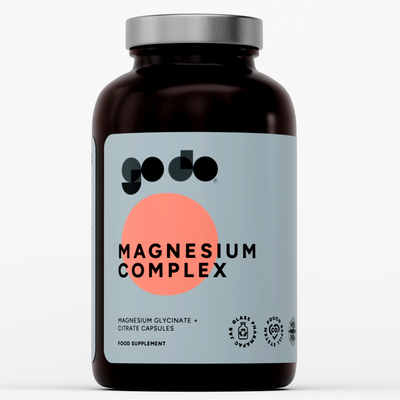
One of our absolute favorites for the recovery process is our Zinc, Magnesium & Vitamin B6 Tablets. This trio is a powerhouse for supporting muscle function and better sleep quality. Magnesium helps your muscles relax, while Zinc supports the immune system, and B6 helps with energy metabolism. It’s the perfect bedside companion for anyone looking to wake up feeling refreshed and ready to crush their next session.

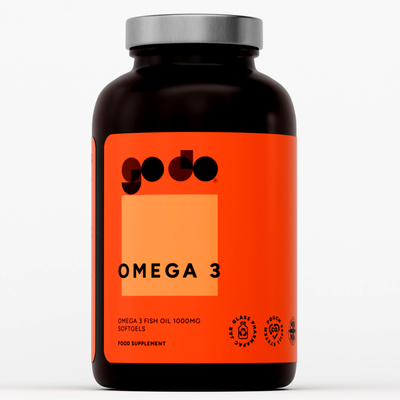
We also recommend checking out our Creatine Monohydrate to help with muscle energy and our Omega-3 Fish Oil to help manage inflammation naturally. Remember, your body is a high-performance machine: treat it with the respect it deserves!
Recommended
Meta Description: Why Recovery Is a Performance Multiplier (Not a Weakness) - Learn why rest is the ultimate tool for muscle growth and performance. Discover the science of supercompensation and how to optimize your recovery today.