Most adults who care about their heart health hit the same wall: a shelf full of supplements, zero clarity on what actually works, and a nagging suspicion they’re wasting money. A well-designed heart health supplement regimen isn’t about taking more. It’s about taking the right things, at the right doses, based on what your body actually needs. This guide cuts through the noise with an evidence-based approach grounded in current research, so you can build a cardiovascular supplement routine that genuinely supports your heart without guesswork.
Table of Contents
- Key takeaways
- Your heart health supplement regimen starts here
- Core supplements with proven cardiovascular benefits
- Building a sustainable daily regimen
- Monitoring whether your regimen is working
- Pitfalls and cautions in heart supplementation
- My take on building a heart supplement regimen
- Support your heart with Fitnesshealth
- FAQ
Key takeaways
| Point | Details |
|---|---|
| Get bloodwork first | Baseline biomarkers tell you which deficiencies to target before spending money on supplements. |
| Dose and form matter most | Choosing the wrong form of a supplement (like magnesium oxide) can make it nearly useless for heart benefits. |
| Give it 8-12 weeks | Measurable changes in blood markers take time; expect at least two to three months of consistent use. |
| Personalization beats stacking | A targeted regimen based on your specific gaps outperforms a generic multi-supplement stack every time. |
| Supplements support, not replace | No supplement replaces a heart-healthy diet, regular exercise, or prescribed medication. |
Your heart health supplement regimen starts here
Before you order anything, you need to know where you actually stand. Skipping this step is the single biggest mistake people make when starting a cardiovascular supplement routine. Walking into a supplement protocol without baseline data is like trying to fix a car without running a diagnostic.
The first step is a conversation with your doctor. This matters especially if you take blood pressure medications, statins, blood thinners, or have a diagnosed cardiovascular condition. Several heart wellness supplements interact with common medications. Berberine, for example, can amplify the glucose-lowering effect of metformin. Fish oil at therapeutic doses can affect bleeding time. These aren’t reasons to avoid supplements. They are reasons to have an informed conversation before starting.
After clearing it with your provider, get the right tests. A standard lipid panel is a starting point, but it doesn’t tell the whole story. Ask for:
- Fasting triglycerides and LDL particle size
- hs-CRP (high-sensitivity C-reactive protein) for inflammation
- Fasting glucose and HbA1c
- Serum magnesium (often low even in people who eat well)
- Omega-3 index (measures EPA+DHA in red blood cell membranes)
The omega-3 index is one most people have never heard of, yet it’s one of the most predictive markers for cardiovascular risk. Getting it measured before you start fish oil supplementation gives you a true before-and-after comparison.
Pro Tip: Ask your doctor specifically for an omega-3 index test rather than a general fatty acid panel. Standard panels often miss this marker, and it’s the one that tells you whether your current fish intake is actually reaching therapeutic levels in your tissues.
Baseline and follow-up bloodwork is the most reliable method for assessing whether your regimen is working. Getting these numbers before you start gives you something concrete to measure against in three months.
Core supplements with proven cardiovascular benefits
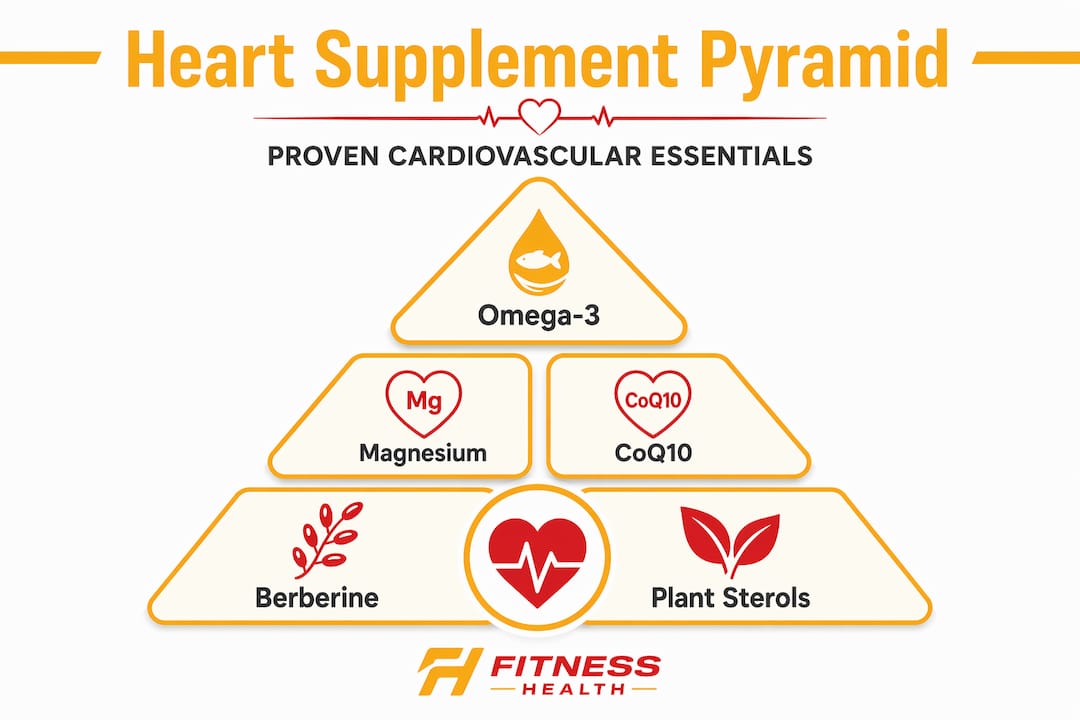
Not every supplement on the market deserves a place in your regimen. These four have the strongest evidence behind them, and each one comes with specific dosage and formulation guidance that makes a real difference in outcomes.
Omega-3 fatty acids
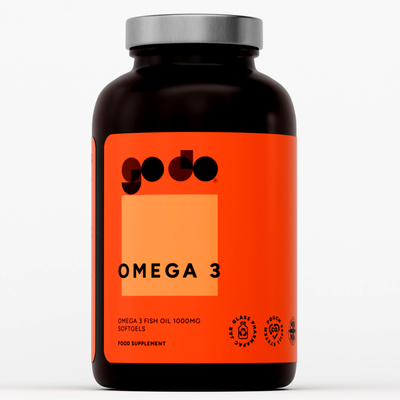
This is the cornerstone of most evidence-based cardiovascular supplement routines. The key word is dose. Omega-3 supplementation at 2-4g EPA+DHA daily reduces cardiovascular events by roughly 25% in high-risk populations, based on a meta-analysis of 13 trials. That’s a therapeutic dose, not the 300mg you get from a standard fish oil softgel.
Most fish oil capsules are low dose. Concentrated EPA+DHA products deliver the therapeutic amount with far fewer pills daily, which also improves compliance. Look for a product that lists the actual EPA and DHA content per serving, not just total fish oil. A 1,000mg fish oil capsule might contain only 300mg of combined EPA+DHA.
Magnesium
Magnesium deficiency is widespread, and it directly affects blood pressure regulation, heart rhythm, and arterial flexibility. The form you choose matters enormously. Magnesium glycinate is more bioavailable than magnesium oxide and causes far fewer gastrointestinal side effects. A typical effective dose for cardiovascular support is 200-400mg of elemental magnesium daily, taken with food. You can find more on how specific vitamins and minerals interact with heart function in the Fitnesshealth resource library.

Coenzyme Q10
CoQ10 is produced naturally in the body and plays a direct role in cellular energy production in heart muscle. Production declines with age, and statins reduce it further. CoQ10 supplementation reduces mortality and hospitalizations in heart failure patients, based on a 2024 meta-analysis of 33 randomized controlled trials. For statin users specifically, statins deplete endogenous CoQ10, and supplementing at 100-200mg daily can reduce the muscle fatigue and weakness that often accompany statin therapy. Choose ubiquinol over ubiquinone if you’re over 50, as the body converts it more efficiently.
Berberine and plant sterols
These two work through different mechanisms but both address cholesterol and blood sugar, two major cardiovascular risk factors. Plant sterols at 2g daily reduce LDL cholesterol by 10-15% by blocking intestinal absorption of dietary cholesterol. Berberine activates AMPK, the same pathway targeted by metformin, which helps regulate both glucose and lipid metabolism.
| Supplement | Target dose | Best form | Primary benefit |
|---|---|---|---|
| Omega-3 (EPA+DHA) | 2-4g daily | Concentrated fish oil | Triglycerides, inflammation |
| Magnesium | 200-400mg elemental | Glycinate | Blood pressure, heart rhythm |
| CoQ10 | 100-200mg daily | Ubiquinol | Cardiac energy, statin support |
| Plant sterols | 2g daily | Food-fortified or capsule | LDL reduction |
| Berberine | 500mg 2-3x daily | Berberine HCl | Glucose, lipid metabolism |
Pro Tip: Dose and formulation quality influence supplement effectiveness more than brand name alone. A well-dosed generic product will outperform an underdosed premium one every time. Always check the supplement facts panel, not the front label.
Building a sustainable daily regimen
Knowing which supplements to take is only half the equation. How you structure your daily heart health supplement regimen determines whether you actually stick to it and whether it works.
Here’s a practical, step-by-step approach to setting up your routine:
- Address deficiencies first. Use your bloodwork to prioritize. If your omega-3 index is low, that’s your starting point. If serum magnesium is low, add that before anything else. Don’t start with a full stack on day one.
- Introduce one supplement at a time. Start with your highest-priority supplement for two weeks before adding the next. This way, if something causes a side effect or interaction, you know exactly what’s responsible.
- Set consistent timing. Omega-3s and fat-soluble nutrients like CoQ10 absorb better with meals that contain fat. Magnesium glycinate taken in the evening can also support sleep quality, which is itself a cardiovascular benefit.
- Pair supplementation with lifestyle anchors. Supplements work best alongside a diet rich in vegetables, lean proteins, and whole grains. Regular aerobic exercise amplifies the effects of omega-3s and CoQ10 on cardiac function. Fitnesshealth covers the connection between strength and cardiovascular fitness in detail.
- Track your regimen in writing. Use a simple log or app to record what you take, when, and how you feel. This becomes invaluable when you go back for follow-up bloodwork.
- Commit to at least 12 weeks before evaluating. Expecting results in two weeks leads to abandoning regimens that would have worked given time.
The most common mistake people make is underdosing. They buy a product, take half the recommended amount to “be safe,” and then conclude supplements don’t work. If your provider has cleared a therapeutic dose, take it as directed.
Pro Tip: Pair your supplement routine with a specific daily habit you already have, like morning coffee or an evening meal. Habit stacking dramatically improves long-term adherence compared to setting a separate reminder.
Monitoring whether your regimen is working
You’ve started your regimen. Now what? Tracking progress is where most people fall short, and it’s the step that separates a regimen that actually improves your health from one that just costs you money.
Cardiovascular supplements typically require 8-12 weeks of consistent daily use before they show up meaningfully in blood tests for markers like triglycerides, LDL, or blood pressure. Schedule a follow-up appointment with your provider at the 12-week mark and repeat the same tests you ran at baseline.
Here’s what to track and watch for during that window:
- Blood pressure trends. If you have a home monitor, check weekly and log the readings. Magnesium and omega-3s can both produce modest but real reductions over time.
- Energy and exercise tolerance. CoQ10 users on statins often notice improved muscle endurance within four to six weeks, before blood markers shift.
- Digestive tolerance. Fish oil can cause reflux if taken on an empty stomach. Magnesium oxide (if you accidentally bought it) causes loose stools. These are formulation issues, not supplement failures.
- Unexpected symptoms. Unusual bruising, increased bleeding, or significant GI distress warrants a call to your provider. These can signal interactions, especially with blood thinners.
- Mood and sleep quality. Not primary cardiovascular markers, but magnesium and omega-3s both have documented effects on sleep and mood that often show up before the blood work changes.
After your 12-week retest, compare results to your baseline. If triglycerides dropped and your omega-3 index improved, your regimen is working. If LDL hasn’t budged despite plant sterols and dietary changes, that’s a conversation to have with your doctor about next steps.
Pitfalls and cautions in heart supplementation
The supplement market moves faster than the research, and that creates real risks for people trying to build an effective regimen. A few specific cautions deserve attention.
One that’s gotten recent attention: sodium nitrate supplements may blunt cardiac benefits of aerobic exercise in women, according to a 2026 study on sex differences in supplement-exercise interactions. If you’re a woman who exercises regularly and takes a nitrate-based pre-workout, this is worth discussing with your provider. The interaction between supplements and exercise physiology is more complex than most product labels acknowledge.
Calcium is another example. Many people take calcium supplements assuming they’re protecting their bones and heart. But excess calcium without vitamin D may actually increase cardiovascular inflammation and arterial calcification, particularly in postmenopausal women. The nutrient context matters as much as the nutrient itself.
“The shift from general wellness supplementation to precise, biomarker-driven approaches represents the most significant change in cardiovascular nutrition in the past decade.”
High-dose universal supplementation without biochemical profiling can be harmful or ineffective. The 2026 Frontiers review makes clear that personalized, biomarker-driven protocols outperform one-size-fits-all stacks. This isn’t a reason to be afraid of supplements. It’s a reason to be precise about them.
Pro Tip: Bookmark the Frontiers in Molecular Biosciences cardiovascular supplement review and check it annually. The evidence base for heart wellness supplements is evolving fast, and what’s recommended today may be refined or reversed within a few years.
My take on building a heart supplement regimen
I’ve spent years watching people approach cardiovascular supplementation the same way they approach a clearance sale: grab everything that looks useful and figure it out later. In my experience, that approach doesn’t just waste money. It makes it impossible to know what’s actually helping.
What I’ve found works is the opposite: start with data, add one thing at a time, and give it real time to show results. The people who see the most meaningful changes in their blood markers are almost always the ones who treated their regimen like a controlled experiment rather than a shopping list.
I’ll also say this plainly: supplements play a preventive and adjunct role, not a curative one. If you have diagnosed heart disease, hypertension on medication, or a significant lipid disorder, supplements are not going to replace what your cardiologist prescribes. The readers I’ve seen get into trouble are the ones who swap out medication for supplements without telling their doctor.
The most exciting development I’ve tracked in this space is the move toward precision cardiovascular nutrition. Biomarker-driven regimens tailored to your specific deficiencies consistently outperform generic stacks. That’s where the field is going, and it’s where your thinking should go too. Work with your provider, get the tests, and build something specific to you. That’s the only version of this that actually works.
— Rene
Support your heart with Fitnesshealth

If you’re ready to move from confusion to a clear, structured cardiovascular supplement routine, Fitnesshealth has the resources to help you get there. The Fitnesshealth platform offers a curated range of heart health supplements and programs formulated with quality and dosage precision in mind, so you’re not guessing at what’s inside the bottle. Whether you’re starting from scratch or refining an existing regimen, the educational content at Fitnesshealth heart health gives you science-backed guidance tailored to active, health-conscious adults. Explore the full range and take the next step toward a regimen that’s built around your actual needs.
FAQ
What supplements are most effective for heart health?
Omega-3 fatty acids, magnesium glycinate, CoQ10, plant sterols, and berberine have the strongest clinical evidence for cardiovascular support. Effective dosing and the right formulation are as important as the supplement itself.
How long before heart supplements show results in blood tests?
Most cardiovascular supplements require 8-12 weeks of consistent daily use before producing measurable changes in markers like triglycerides, LDL, or blood pressure. Schedule follow-up bloodwork at the 12-week mark.
Do I need a doctor’s approval before starting heart health supplements?
Yes, especially if you take medications like statins, blood thinners, or blood pressure drugs. Several heart wellness supplements interact with common prescriptions, so a conversation with your provider protects both safety and effectiveness.
What is the omega-3 index and why does it matter?
The omega-3 index measures EPA and DHA levels in your red blood cell membranes and is one of the most predictive cardiovascular risk markers available. Testing it before starting fish oil supplementation gives you a true baseline to measure progress against.
Can supplements replace heart medication?
No. Supplements serve a preventive or adjunct role and do not replace prescribed cardiovascular medications. If you have a diagnosed heart condition, work with your cardiologist before making any changes to your treatment plan.