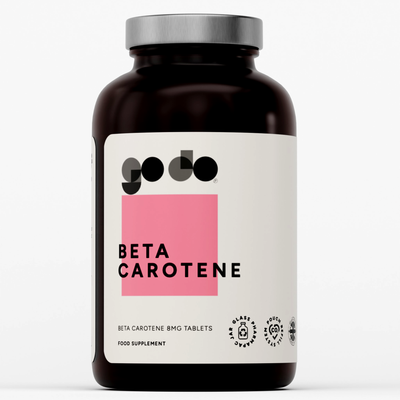
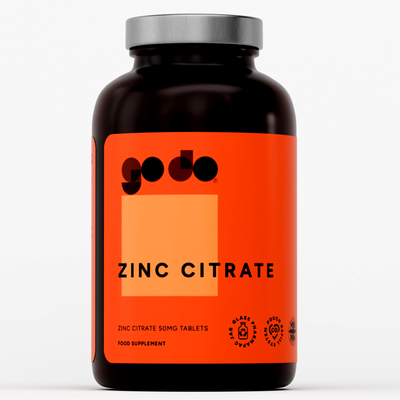
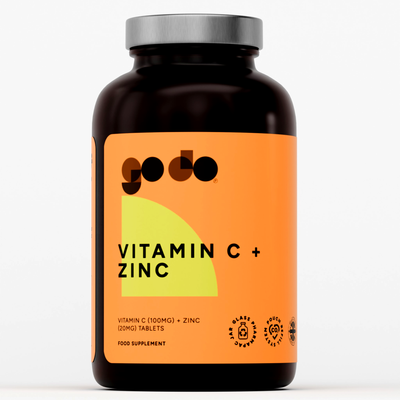
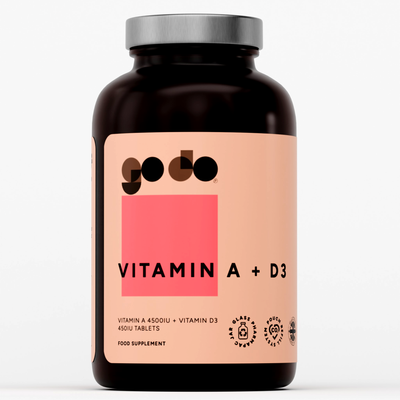
The most important vitamins for pregnancy are folate/folic acid, iron, calcium, vitamin D, iodine, choline, DHA/omega-3, and vitamin B12. Start a daily prenatal vitamin containing folic acid and iron at least three months before you try to conceive, confirm the label includes iodine and DHA (or plan to supplement separately), and avoid any product with high doses of preformed vitamin A (retinol). The NIH Office of Dietary Supplements, ACOG, and the Mayo Clinic all point to the same starting framework: a quality prenatal plus a clinician conversation before or early in pregnancy.
Your 48–72 hour action plan:
- Buy a prenatal vitamin that lists folic acid, iron, iodine, and vitamin D on the label.
- Take it daily with food, starting today if you are pregnant or planning to conceive.
- Book a preconception visit or bring your current supplement bottles to your next OB-GYN or midwife appointment.
Why the timing matters:
- The fetal neural tube closes in the first 28 days of pregnancy, often before you know you are pregnant.
- Starting folic acid at least three months before conception gives your body time to build adequate folate stores.
- Iron, calcium, and vitamin D needs climb steadily across all three trimesters.
One safety note: Preformed vitamin A (retinol) is teratogenic at high doses. Check every supplement label, including fish oil and multivitamins, and confirm that vitamin A is listed as beta-carotene, not retinol.
Table of Contents
- What vitamins do you need during pregnancy?
- How to choose a prenatal vitamin that actually covers your needs
- When should you start prenatal vitamins, and how does dosing change?
- What are the safety risks and interactions you need to know?
- When do your needs change? Special situations that require more
- Why starting before conception is backed by strong evidence
- Key Takeaways
- Why evidence-based prenatal supplementation matters more than the marketing
- Fitnesshealth prenatal supplements: what to look for and where to start
- Authoritative sources for further reading
What vitamins do you need during pregnancy?
The answer is not one nutrient but a coordinated set, each with a specific role and a specific recommended amount. Here is the full breakdown, organized by nutrient, with U.S. Dietary Reference Intake (DRI) values from the NIH/ODS pregnancy fact sheet.

Folate and folic acid
Folate is the naturally occurring form found in food; folic acid is the synthetic form used in supplements and fortified foods. Both prevent neural tube defects, but folic acid is more bioavailable and is the only form with proven clinical trial evidence for NTD prevention.
- Preconception intake recommendation: folate sufficient for health
- Pregnancy intake recommendation: folate sufficient for pregnancy support
- Avoid excessive synthetic folic acid doses above safe limits
- Food sources: Dark leafy greens (spinach, romaine), lentils, black beans, fortified cereals, asparagus, avocado
- Supplementation note: Most standard prenatals supply 400–800 mcg folic acid. People with a prior neural tube defect pregnancy or certain medical conditions (diabetes, epilepsy medications) need 4 mg (4,000 mcg) per day, which requires a prescription-level dose.
Some people carry MTHFR gene variants that reduce their ability to convert folic acid to its active form. For confirmed variants, methylated folate (5-MTHF) is often recommended by clinicians, though folic acid remains the gold standard for NTD prevention in clinical trials.
Iron
Pregnancy nearly doubles iron requirements. The expanded blood volume, placenta, and fetal red blood cell production all draw on maternal iron stores.
- Pregnancy iron intake recommendation: increased to support maternal and fetal needs
- Upper intake limits: avoid excessive iron to prevent adverse effects
- Food sources: Lean red meat, chicken, turkey, lentils, fortified cereals, tofu, pumpkin seeds
- Supplementation note: Most prenatals include 27 mg. Pair iron-rich foods or supplements with vitamin C to boost absorption. Avoid taking iron at the same time as calcium supplements or dairy, since calcium competes for the same absorption pathway.
Common side effect: Iron causes constipation in many people. Strategies include taking iron with food (slightly reduces absorption but improves tolerance), staying well hydrated, increasing dietary fiber, and asking your clinician about a stool softener if needed.
Calcium
Calcium builds fetal bones and teeth and may reduce the risk of preeclampsia. If your diet is low in calcium, your body will pull it from your own bones to supply the fetus.
- Calcium recommended intake: higher during pregnancy to support fetal bone development
- Avoid excessive intake beyond upper safe limit
- Food sources: Dairy (milk, yogurt, cheese), fortified plant milks, sardines, kale, bok choy, white beans
- Supplementation note: Most prenatals contain only 150–300 mg of calcium because a full 1,000 mg dose would make the tablet too large. You will likely need to meet the rest through diet or a separate calcium supplement, timed away from iron.
Vitamin D
Vitamin D works alongside calcium to support fetal bone development and immune function. Deficiency is common, especially in people with limited sun exposure or darker skin tones.
- Vitamin D recommended intake: supports fetal bone development
- Stay within safe dosage limits to avoid harm
- Food sources: Fatty fish (salmon, tuna), fortified milk and orange juice, egg yolks, mushrooms
- Supplementation note: Many clinicians test vitamin D levels early in pregnancy and prescribe higher doses (1,000–2,000 IU) when deficiency is confirmed. Standard prenatals typically include 400–1,000 IU.
Iodine
Iodine is critical for fetal thyroid development and brain growth. Severe deficiency causes cretinism; even mild deficiency can affect cognitive development.
- Iodine intake recommendation: essential for fetal thyroid and brain development
- Avoid excessive iodine intake
- Food sources: Iodized salt, dairy, seafood, eggs
- Supplementation note: ACOG recommends that prenatal vitamins contain 150 mcg of iodine. Surprisingly, many brands omit it entirely. Check the label specifically for potassium iodide, not just “iodine.”
Choline
Choline supports fetal brain development and neural tube closure, yet it is one of the most overlooked nutrients in prenatal care. Less than half of U.S. prenatal supplements contain choline, and when they do, the amounts are often well below the recommended level.
- Choline adequate intake: 450 mg per day during pregnancy (AI per NIH/ODS)
- Avoid excessive choline doses
- Food sources: Eggs (especially yolks), beef liver, salmon, chicken breast, soybeans, shiitake mushrooms
- Supplementation note: If your prenatal does not list choline, or lists less than 450 mg, consider adding a separate choline supplement or eating two eggs daily.
DHA (omega-3 fatty acid)
DHA accumulates in the fetal brain and retina during the third trimester. Low maternal DHA is associated with preterm birth risk and reduced visual acuity in newborns.
- Recommended intake: Approximately 200 mg DHA per day during pregnancy
- Food sources: Salmon, sardines, herring, trout, DHA-fortified eggs
- Supplementation note: Many prenatals do not include DHA. If yours does not, or if you eat little fatty fish, add a separate algae-based or fish oil omega-3 supplement. The FDA advises limiting certain fish (shark, swordfish, king mackerel, tilefish) due to mercury; salmon and sardines are low-mercury options.
Vitamin B12
B12 is needed for neurological development and red blood cell formation. Deficiency is most common in vegans and vegetarians, since B12 is found almost exclusively in animal products.
- Vitamin B12 recommended intake: supports neurological development and red blood cells
- Food sources: Meat, fish, dairy, eggs, fortified plant milks and cereals
- Supplementation note: Most prenatals include adequate B12. Vegans should confirm the form is methylcobalamin or cyanocobalamin and that the dose is sufficient.
Vitamin B6, magnesium, zinc, and vitamin C
These four nutrients round out the prenatal picture without requiring separate supplements in most cases.

| Nutrient | Pregnancy intake recommendations | Key Role |
|---|---|---|
| Vitamin B6 | supports metabolism and may ease nausea | |
| Magnesium | important for muscle function and bone development | |
| Zinc | supports cell division and immune function | |
| Vitamin C | aids collagen synthesis and iron absorption |
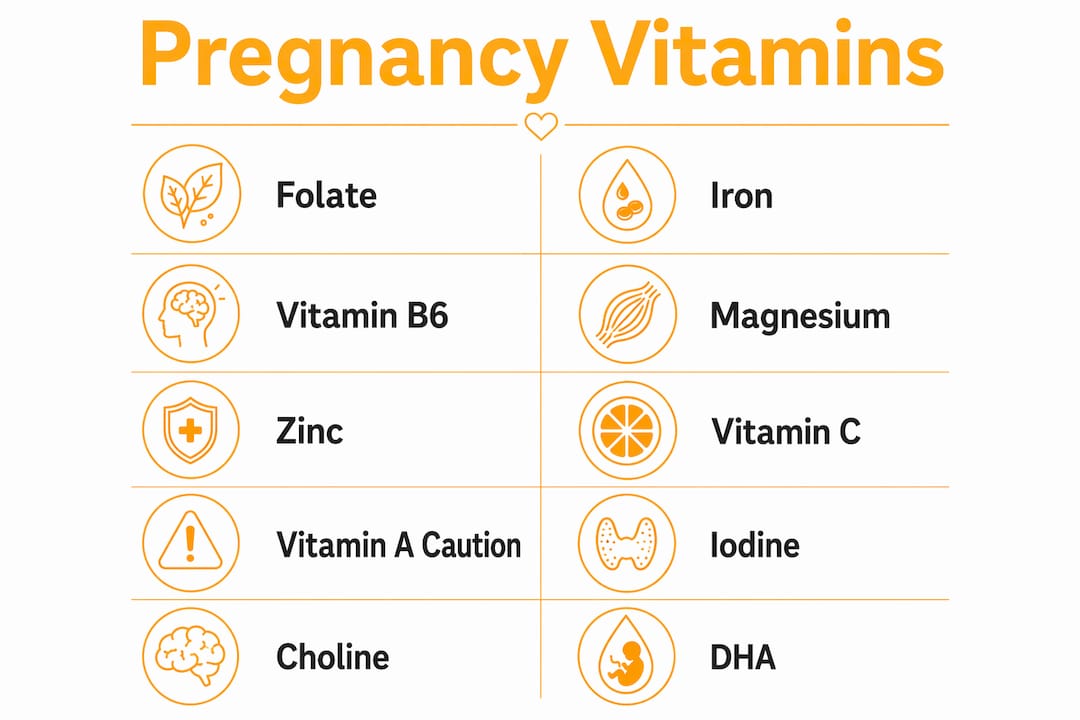
Most standard prenatals cover these at or near the RDA. Vitamin B6 (10–25 mg) is sometimes recommended separately for pregnancy nausea, but discuss the dose with your clinician first.
Vitamin A: the important caution
Preformed vitamin A (retinol) is teratogenic at high doses. The UL during pregnancy is 3,000 mcg RAE (10,000 IU) per day. Many prenatal vitamins contain some preformed vitamin A, which is fine within the UL, but stacking a prenatal with a separate multivitamin or cod liver oil can push you over. Beta-carotene (the plant-derived precursor) does not carry the same risk because the body converts it to vitamin A only as needed.
Pro Tip: Check every supplement you take, not just the prenatal, for retinol or “vitamin A palmitate.” Add up the totals across all products before adding anything new.
How to choose a prenatal vitamin that actually covers your needs
The prenatal supplement aisle is crowded, and label claims vary wildly. Here is what to look for and what to skip.
The buying checklist
A quality prenatal should include:
- Key prenatal vitamin components include folic acid or methylated folate, iron, iodine as potassium iodide, vitamin D, DHA (or plan to supplement), choline where possible, calcium to complement the diet, and third-party certification for quality.
ACOG and the NIH/ODS both frame prenatal vitamins as a safety net for dietary gaps, not a replacement for eating well. A certified prenatal does not give you license to skip vegetables, but it does protect you on the days your diet falls short.
How to decode the label
The % Daily Value (DV) on a supplement label is based on a 2,000-calorie adult diet, not pregnancy-specific needs. For folate, the DV is 400 mcg DFE, so a prenatal listing “150% DV” provides 600 mcg, which matches the pregnancy RDA.
Watch for these specific label distinctions:
- Folate vs. folic acid vs. 5-MTHF: All three can appear on labels. Folic acid and 5-MTHF are both synthetic; 5-MTHF is the active form and may be preferable for people with MTHFR variants. Either is acceptable for most people.
- Vitamin A source: Look for “beta-carotene” rather than “retinol,” “retinyl palmitate,” or “retinyl acetate.” If retinol is listed, confirm the total amount stays well below 3,000 mcg RAE per day across all your supplements.
- Iodine source: “Kelp” is not a reliable iodine source because the amount varies. Potassium iodide is the standardized form.
Red flags to avoid
- Any product listing mega-doses of preformed vitamin A (retinol) above 1,500 mcg RAE
- Proprietary blends that list ingredients without individual amounts
- Products that omit iron entirely without a clear clinical reason (e.g., a formula specifically designed for people with iron overload conditions)
- Supplements with no third-party verification mark
Pro Tip: Gummy prenatals improve adherence for people with nausea or swallowing difficulty, but they almost always omit iron. If a gummy is the only format you can tolerate, take it alongside a separate iron supplement, timed away from calcium-rich meals or dairy.
For people planning pregnancy who want to understand the full preconception supplement picture, fertility vitamins cover the additional nutrients worth considering before conception.
When should you start prenatal vitamins, and how does dosing change?
The preconception window
Start a prenatal at least three months before you plan to conceive. The neural tube closes by day 28 of pregnancy, often before a missed period, so waiting until a positive test is too late for optimal folate protection. Cleveland Clinic guidance reinforces starting one to three months before conception at minimum.
Trimester-by-trimester priorities
- Preconception through first trimester: Folic acid is the priority. Confirm you are getting 400–800 mcg daily. If you have a prior NTD pregnancy, diabetes, or take certain medications (antiepileptics, metformin), your clinician may prescribe 4 mg per day.
- Second trimester: Iron needs increase as blood volume expands. If you have not had a CBC and ferritin drawn, this is a good time to ask.
- Third trimester: DHA accumulation in the fetal brain peaks. Confirm your DHA source (food or supplement) is consistent.
- Postpartum and breastfeeding: Continue your prenatal or a comparable supplement. Breastfeeding raises the RDA for iodine to 290 mcg and for choline to 550 mg per day.
Blood tests worth requesting
- Complete blood count (CBC): Screens for anemia; typically done at the first prenatal visit and again around 28 weeks.
- Serum ferritin: More sensitive than hemoglobin alone for catching early iron depletion.
- 25-hydroxyvitamin D: Identifies deficiency before it affects fetal bone development.
- Thyroid function (TSH): Relevant if iodine status or thyroid history is a concern.
Practical dosing notes
Iron is better absorbed on an empty stomach, but GI side effects are worse that way. A reasonable compromise is taking your prenatal with a small amount of food and a glass of orange juice (vitamin C boosts iron absorption). If you are taking a separate calcium supplement, space it at least two hours from your iron dose, since calcium competes with iron for absorption. For guidance on timing supplements around meals and activity, supplement timing strategies offer a practical framework.
Statistic: About 83.8% of pregnant people have iron intakes below the Estimated Average Requirement from diet alone, making supplementation the rule rather than the exception.
What are the safety risks and interactions you need to know?
Excess intake risks
The nutrients most likely to cause harm when taken in excess are vitamin A, iron, and vitamin D.
- Vitamin A (retinol): Doses above 3,000 mcg RAE per day during pregnancy are associated with birth defects affecting the heart, skull, and nervous system. This is the clearest teratogenic risk in prenatal supplementation.
- Iron: The UL is 45 mg per day. Doses above this can cause nausea, vomiting, constipation, and in severe cases, iron toxicity. Never take extra iron beyond your prenatal without a clinician confirming deficiency via blood test.
- Vitamin D: The UL is 4,000 IU per day. Chronic excess causes hypercalcemia, which can affect fetal kidney development. Therapeutic doses above 2,000 IU should be supervised.
Drug and nutrient interactions
- Calcium and iron: Take them at least two hours apart. Calcium significantly reduces iron absorption when taken together.
- Vitamin K and anticoagulants: If you are taking warfarin or another anticoagulant (rare in pregnancy but possible), discuss vitamin K intake with your clinician before changing your prenatal.
- Folate and methotrexate or antiepileptics: Some medications deplete folate or interfere with its metabolism. This is exactly why the 4 mg prescription dose exists for high-risk groups.
- Iron and fiber: Very high fiber intake can reduce iron absorption. This does not mean avoiding fiber, but it is worth knowing if your ferritin is low despite supplementing.
Red flags that need prompt medical attention
- Severe abdominal pain after starting a new supplement
- Signs of an allergic reaction (hives, swelling, difficulty breathing)
- Symptoms of iron overload: joint pain, fatigue, bronze skin discoloration (rare but possible with very high doses)
- Any neurological symptoms after starting high-dose B vitamins
Pro Tip: If iron constipation is a real problem, ask your clinician about switching to ferrous bisglycinate, a gentler form of iron that causes fewer GI side effects than ferrous sulfate, or about a slow-release iron formulation. Adding a daily stool softener like docusate sodium is also a standard clinical recommendation.
For readers managing GI tolerability while taking iron-containing prenatals, gut health strategies offer additional context on supporting digestive comfort.
When do your needs change? Special situations that require more
Most prenatal guidelines are written for a singleton pregnancy in a healthy adult. Several situations shift the math significantly.
| Situation | Key Nutrient Concerns | Recommended Clinician Actions |
|---|---|---|
| Vegan/vegetarian | B12, iron, DHA, zinc, iodine | Confirm B12 source; add algae-based DHA; check ferritin and zinc |
| Twin or higher-order multiples | Iron, folate, calories, DHA | Higher iron dose often prescribed; more frequent CBC monitoring |
| Prior neural tube defect pregnancy | Folate | Prescribe 4 mg folic acid daily starting preconception |
| Iron-deficiency anemia | Iron | Therapeutic iron doses; recheck ferritin in 4–6 weeks |
| Bariatric surgery history | B12, iron, calcium, vitamin D, folate | Malabsorption affects all fat-soluble vitamins; specialist co-management |
| Diabetes (type 1, type 2, or gestational) | Folate, vitamin D | Higher folic acid dose; monitor vitamin D closely |
| Inflammatory bowel disease | Iron, B12, vitamin D, folate | Absorption impaired; IV iron may be needed; refer to GI and MFM |
Vegan and vegetarian pregnancies
The biggest gaps are B12 (absent from plant foods), DHA (low in plant sources unless algae-based), and iron (plant-based non-heme iron is less bioavailable). Pair iron-rich plant foods with vitamin C at every meal to improve absorption. An algae-based DHA supplement bypasses the fish entirely and delivers the same active omega-3. For a deeper look at meeting micronutrient needs on a plant-based diet, plant-based nutrient strategies are worth reviewing.
Iodine and choline gaps in standard prenatals
Two nutrients that prenatal formulas routinely underdeliver are iodine and choline. Many brands skip iodine entirely or use kelp (unreliable dose) instead of potassium iodide. For choline, the gap is even wider: fewer than half of U.S. prenatals include it at all, and those that do often provide far less than the 450 mg AI recommended during pregnancy. If your prenatal does not cover these, either choose a formula that does or add targeted supplements after confirming with your clinician.
Why starting before conception is backed by strong evidence
The case for preconception supplementation is not theoretical. The neural tube closes between days 21 and 28 of embryonic development, which is before most people know they are pregnant. Waiting until a positive test to start folic acid means the most critical window has already passed.
Healthcare providers generally recommend starting a daily prenatal at least three months before conception to give folate stores time to build. The CDC has recommended that all women of reproductive age consume 400 mcg of folic acid daily precisely because pregnancy is often unplanned.
How common are nutrient gaps in the U.S.?
The NIH/ODS data on dietary intake during pregnancy is striking. Among pregnant people in the U.S.:
- About 83.8% have iron intakes below the Estimated Average Requirement from diet alone.
- About 35.8% have folate intakes below the EAR from diet alone.
- About 21.2% have calcium intakes below the EAR from diet alone.
These are not marginal gaps. They represent the majority of pregnant people falling short on iron, and more than a third falling short on folate, the two nutrients most directly linked to serious pregnancy complications.
Your preconception checklist
- Start a daily prenatal with folic acid (400–800 mcg) at least three months before trying to conceive.
- Schedule a preconception visit with your OB-GYN, midwife, or family physician.
- Review all current medications with your clinician for interactions with folate or iron.
- Request baseline labs: CBC, ferritin, vitamin D, and thyroid function if indicated.
- Confirm your prenatal includes iodine (as potassium iodide) and either DHA or a plan to supplement it separately.
ACOG, the CDC, and the NIH/ODS all support this framework. Any high-dose regimen, especially folic acid above 1 mg or iron above 45 mg, should be clinician-reviewed before you start.
For a broader look at healthy pregnancy habits beyond supplementation, including diet, activity, and sleep, that resource covers practical lifestyle strategies worth pairing with your supplement plan.
Key Takeaways
Starting a prenatal vitamin with folic acid and iron before conception, and choosing a formula that includes iodine, DHA, and choline, is strongly recommended for a healthy pregnancy. The neural tube closes early, so starting folic acid early matters. Iron insufficiency is common during pregnancy and supplementation is standard. Many prenatal vitamins omit iodine and choline, so checking labels is important. Avoid prenatal vitamins containing high doses of preformed vitamin A (retinol) due to safety risks. | Fitnesshealth prenatal support | Fitnesshealth offers evidence-aligned prenatal supplements with full label disclosure and third-party testing. |
Why evidence-based prenatal supplementation matters more than the marketing
There is a gap between what prenatal supplement marketing promises and what the clinical evidence actually supports. Most of the marketing focuses on what a product contains. The harder question, and the one that matters more, is whether the amounts match U.S. DRI guidance, whether the form is bioavailable, and whether the label is honest about what is missing.
Choline is the clearest example. It is arguably as important as folic acid for fetal brain development, yet it gets a fraction of the attention, and fewer than half of U.S. prenatals include a meaningful dose. The same is true for iodine: ACOG recommends 150 mcg in every prenatal, but many brands simply leave it out. A product with a long ingredient list is not automatically a good prenatal.
The other thing worth saying plainly: prenatal vitamins are a safety net, not a substitute for diet. The NIH/ODS and ACOG both frame them that way. A prenatal covers the gaps on the days your diet falls short. It does not replace the folate in lentils, the calcium in yogurt, or the DHA in salmon. The goal is a good diet plus a well-formulated supplement, not one or the other.
Third-party verification matters more than brand reputation. A USP Verified or NSF Certified mark means an independent lab confirmed the product contains what the label says, at the stated dose, without contaminants. That is a meaningful standard. Without it, you are taking the manufacturer’s word.
This article reflects general clinical guidance from NIH/ODS, ACOG, the CDC, and the Mayo Clinic. It is not a substitute for personalized medical advice. Confirm your supplement plan with your OB-GYN, midwife, or a registered dietitian before making changes, especially if you have a medical condition or take prescription medications.
Fitnesshealth prenatal supplements: what to look for and where to start
If you have read this far, you know exactly what a quality prenatal should contain. Fitnesshealth carries a range of prenatal and pregnancy-support supplements built around the same checklist: folic acid at the clinically recommended dose, iron at 27 mg, vitamin D, and full label transparency so you can see exactly what you are getting and what you may need to add separately.

What sets Fitnesshealth apart is the commitment to full-label disclosure. Every product lists individual ingredient amounts, not proprietary blends, so you can cross-reference against the DRI values in this article and confirm your total intake from food plus supplements stays within safe limits. Products are third-party tested for purity and potency.
What to look for in the Fitnesshealth range:
- Folic acid at 400–800 mcg per serving
- Iron at 27 mg (the pregnancy RDA)
- Vitamin D at 600–1,000 IU
- Choline at 450 mg (the pregnancy AI)
- Full label disclosure with no proprietary blends
Clinician caveat: Fitnesshealth supplements are designed to align with U.S. clinical guidance, but every pregnancy is different. Consult your OB-GYN, midwife, or registered dietitian before starting or changing any supplement regimen, particularly if you are in a high-risk category.
Browse the full prenatal and pregnancy supplement range at Fitnesshealth and bring the label to your next clinician visit to confirm it fits your individual plan.
Authoritative sources for further reading
These are the primary U.S. clinical and public health resources used to build this article. Each is worth bookmarking for your own reference.
| Source | What It Covers |
|---|---|
| NIH Office of Dietary Supplements (ODS) | Full DRI/UL tables for pregnancy; per-nutrient fact sheets; prevalence data on dietary gaps |
| ACOG (American College of Obstetricians and Gynecologists) | Clinical practice guidelines on prenatal nutrition, iodine, and supplement recommendations |
| CDC (Centers for Disease Control and Prevention) | Folic acid public health recommendations; preconception health guidance |
| Mayo Clinic | Patient-facing guidance on prenatal vitamins, timing, and what to look for on labels |
| MedlinePlus (NLM/NIH) | Plain-language summaries of pregnancy nutrition and nutrient requirements |
| Cleveland Clinic | DHA recommendations, prenatal vitamin essentials, and practical supplement guidance |
| ODPHP MyHealthfinder | Consumer-facing tips on eating well during pregnancy, including choline and iodine gaps |
-
NIH/ODS Pregnancy Fact Sheet: The most comprehensive U.S. source for DRI tables, ULs, and dietary gap prevalence data. Updated regularly; the health professional version includes full reference tables.
-
Mayo Clinic: Prenatal Vitamins: Practical patient guidance on when to start, what to look for, and which nutrients to watch. Covers vitamin A caution and timing recommendations.
-
Cleveland Clinic: Prenatal Vitamins: Covers DHA recommendations, the importance of starting preconception, and what most prenatals miss.
-
MedlinePlus: Pregnancy and Nutrition: Plain-language overview of nutrient needs in pregnancy, including calcium, folic acid, iron, and vitamin D, with links to Spanish-language resources.
-
ODPHP MyHealthfinder: Eat Healthy During Pregnancy: Consumer-facing tips on diet and supplementation, with specific notes on choline and iodine gaps in prenatal products.
-
Granavitalis: The Role of Micronutrients in Your Health: A useful companion guide explaining how specific vitamins and minerals function in the body, with food source breakdowns relevant to pregnancy nutrition planning.
This article provides general health information based on U.S. clinical guidance from NIH/ODS, ACOG, the CDC, and the Mayo Clinic. It is not medical advice. Always confirm your supplement plan with a qualified clinician for your specific situation.