If you’re trying to conceive, start here: methylfolate at a typical recommended preconception dose, vitamin D (test first, then 2,000–4,000 IU D3 if you’re low), omega-3s at doses shown to support reproductive health, and iron bisglycinate if your ferritin is low. For women 35 or older or those with diminished ovarian reserve, add CoQ10 as ubiquinol at 400–600 mg daily. These aren’t random picks. They address the most common deficiencies that affect egg quality, implantation, and early fetal development.
Folate carries the strongest population-level evidence of any preconception nutrient, specifically for preventing neural tube defects. The others have solid supportive data, particularly when correcting a confirmed deficiency, though live-birth outcome evidence is more mixed across the board.
For male partners: zinc, CoQ10 (ubiquinol), and omega-3s are the priority trio for sperm count, motility, and DNA integrity. Both partners benefit from starting at least three months before trying to conceive.

Pro Tip: The 90-day egg maturation window means the nutritional environment your eggs develop in right now determines their quality at ovulation. Start supplements at least three months out, not the week you decide to try.
Key priorities at a glance:
- Methylfolate (5-MTHF): neural tube protection, bioavailable for all MTHFR variants
- Vitamin D3 with K2: test first, supplement if below 30 ng/mL
- Omega-3 EPA+DHA: anti-inflammatory, supports membrane integrity
- Iron bisglycinate: only if ferritin is low, guided by testing
- CoQ10 ubiquinol: mitochondrial support, especially for women 35+
- Male partners: zinc, selenium, CoQ10, omega-3s, L-carnitine
Table of Contents
- At-a-glance: which fertility supplement is right for you?
- What does each fertility vitamin actually do?
- Which supplements support male fertility?
- Does inositol actually help with PCOS and fertility?
- How to choose a prenatal or fertility multivitamin
- When should you start taking fertility supplements?
- Safety, upper limits, and interactions to watch for
- What does the clinical evidence actually show?
- Key Takeaways
- The part most supplement guides won’t tell you
- Fitnesshealth supports your preconception supplement research
- Research sources and further reading
At-a-glance: which fertility supplement is right for you?
| Nutrient | Typical Study Dose | Preferred Form | Recommended For | Evidence Level | Safety Note |
|---|---|---|---|---|---|
| Folate | 400–800 mcg/day | Methylfolate (5-MTHF) | Female, Male | Strong | Higher doses for MTHFR or prior NTD history |
| Vitamin D3 | 2,000–4,000 IU/day for deficiency | D3 + K2 (MK-7) | Female, Male | Moderate | Test 25-OH vitamin D first; avoid mega-dosing |
| Omega-3 (EPA+DHA) | 1,000–2,000 mg/day | Fish oil or algae DHA | Female, Male | Moderate | Algae DHA for vegans; check mercury testing |
| Iron | Provider-guided | Bisglycinate | Female | Moderate | Test ferritin first; excess iron is harmful |
| CoQ10 | 400–600 mg/day | Ubiquinol | Female 35+, Male | Moderate | Discuss with clinician; may interact with blood thinners |
| Myo-inositol + D-chiro | 4 g myo-inositol + 100 mg D-chiro daily (40:1 ratio) | 40:1 ratio powder/capsule | Female (PCOS) | Moderate | GI side effects possible; coordinate if on metformin |
| Zinc | commonly used supplemental dose | Zinc picolinate or citrate | Male, Female | Moderate | High doses deplete copper; balance matters |
| Selenium | supplemental dosing range consistent with thyroid support | Selenomethionine | Male, Female | Limited–Moderate | Upper limit 400 mcg/day; Brazil nuts are a food source |
| Choline | 400–550 mg/day | CDP-choline or food | Female | Moderate | Often missing from prenatals; critical for fetal brain |
| Vitamins C & E | C: —; E: 400 IU | Ascorbic acid; mixed tocopherols | Male, Female | Limited | Antioxidant timing matters around IVF procedures |
| L-carnitine | 1,000–3,000 mg/day | L-carnitine or acetyl-L-carnitine | Male, Female 35+ | Limited | Generally well tolerated; GI upset at high doses |
Immediate next steps based on this table:
- Order a 25-OH vitamin D test and a ferritin panel before buying any iron supplement
- Choose methylfolate over folic acid if your MTHFR status is unknown
- Consult your provider before starting high-dose CoQ10 or therapeutic iron
What does each fertility vitamin actually do?
Folate and methylfolate
Folic acid is the synthetic form. Methylfolate (5-MTHF) is the bioactive form your body uses directly, which matters because a significant portion of the population carries MTHFR gene variants that reduce folic acid conversion. The standard preconception dose is 400–800 mcg daily, with higher doses recommended for people with a prior pregnancy affected by a neural tube defect or confirmed MTHFR mutations. The neural tube defect prevention evidence is among the most robust in all of nutrition science. Choosing methylfolate is simply the safer default.
Vitamin D
Low vitamin D is associated with impaired implantation and lower IVF success rates. The right test is 25-hydroxyvitamin D; a result below 30 ng/mL indicates deficiency. Most clinicians recommend 2,000–4,000 IU of D3 paired with K2 (MK-7) to support proper calcium metabolism alongside vitamin D correction. Don’t skip the test and assume you’re low. Some people are sufficient and don’t need therapeutic doses.

Iron
Ferritin, not serum iron, is the most useful single marker for iron stores relevant to fertility and menstrual blood loss. If ferritin is low, iron bisglycinate is the form to use. It absorbs well and causes far less GI distress than ferrous sulfate, which is what most cheap prenatals contain. Dosing should be guided by your provider based on ferritin levels, not a one-size number.
CoQ10 (ubiquinol)
CoQ10 supports mitochondrial energy production in eggs, and egg mitochondria are the primary energy source for early embryo development. Ubiquinol is significantly more bioavailable than ubiquinone, the cheaper form found in most supplements. Protocols studied in women over 35 or with diminished ovarian reserve commonly use 400–600 mg of ubiquinol daily. Some clinicians use higher doses in specific cases. This is one to discuss with your reproductive endocrinologist rather than self-prescribing.
Omega-3 (EPA+DHA)
Combined EPA+DHA at 1,000–2,000 mg daily reduces systemic inflammation and supports cell membrane integrity in eggs and the developing embryo, as explained in detail in what I eat to actually feel good during workouts. For vegetarians and vegans, algae-based DHA is the direct alternative to fish oil and avoids mercury concerns entirely. When choosing fish oil, look for third-party testing for heavy metals and oxidation levels. Rancid fish oil is worse than no fish oil.
Choline, selenium, zinc, vitamins C & E, and L-carnitine
Choline (400–550 mg/day) is critical for fetal brain development and is chronically under-supplied in most prenatals. Selenium (55–200 mcg/day as selenomethionine) supports thyroid function and antioxidant defense. Zinc (8–11 mg/day as picolinate or citrate) is involved in egg maturation and sperm production. Vitamins C and E provide antioxidant protection for both eggs and sperm, though RCT results are inconsistent. L-carnitine at 1,000–3,000 mg/day has been studied for sperm motility and egg quality in older patients, with limited but plausible evidence.
Evidence summary by nutrient:
- Strong: Methylfolate (neural tube defect prevention)
- Moderate: Vitamin D (implantation, IVF outcomes when deficient), iron (when ferritin is low), omega-3s (inflammation, membrane integrity), CoQ10 (age-related egg quality), myo-inositol (PCOS)
- Limited: Vitamins C & E, L-carnitine, selenium, choline (mechanistically sound, RCT results vary)
Which supplements support male fertility?
Sperm quality is half the equation, and it’s frequently overlooked until there’s a problem. The priority nutrients for men are zinc, selenium, CoQ10 (ubiquinol), omega-3s, and L-carnitine, each targeting a different aspect of sperm health.
Zinc and selenium are directly involved in sperm maturation and DNA integrity. Antioxidants like CoQ10 and vitamins C and E are associated with reduced sperm DNA fragmentation, which matters more than most couples realize. High DNA fragmentation can cause recurrent early losses even when sperm count looks normal on a basic semen analysis.
Sperm maturation takes roughly 74 days from start to finish. That means supplements started today won’t affect the sperm released for another two to three months. Start at least 90 days before you plan to conceive.
Pro Tip: Antioxidant supplementation works best alongside lifestyle changes. Smoking, excessive heat (hot tubs, laptops on laps), and heavy alcohol use all damage sperm DNA. Antioxidant support from CoQ10 and vitamin C/E can help, but it can’t fully offset those exposures.
Does inositol actually help with PCOS and fertility?
For people with PCOS, myo-inositol combined with D-chiro-inositol in a 40:1 ratio is one of the most clinically supported targeted interventions available without a prescription. The 40:1 ratio reflects the physiological ratio found in most tissues and is the formulation most commonly used in clinical trials.
Standard dosing is 4 g myo-inositol plus 100 mg D-chiro-inositol daily, typically split into two doses. Trials show improved ovulation rates, better cycle regularity, and markers of improved egg quality in people with PCOS. The mechanism runs through insulin sensitivity: inositol helps restore normal insulin signaling, which in PCOS is often disrupted and drives the hormonal cascade that suppresses ovulation.
Key points for PCOS supplementation:
- Powder formulations tend to be easier to dose accurately than capsules at these amounts
- GI side effects (nausea, loose stools) are possible, especially at the start; splitting the dose helps
- If you’re already on metformin or another insulin-sensitizing medication, coordinate with your provider before adding inositol to avoid compounding effects
- Results typically take 2–3 months of consistent use before ovulation improvements are measurable
How to choose a prenatal or fertility multivitamin
Most prenatals on the market are designed for pregnancy maintenance, not preconception optimization. They often contain folic acid instead of methylfolate, ferrous sulfate instead of iron bisglycinate, and inadequate vitamin D. Treating a prenatal as your complete fertility supplement plan is a common mistake.
What to look for on the label:
- Methylfolate (5-MTHF), not just folic acid
- Iron bisglycinate, not ferrous sulfate or ferrous fumarate
- At least 1,000 IU vitamin D3 (ideally with K2)
- Choline listed separately (most prenatals skip it entirely)
- DHA included, or a separate omega-3 supplement recommended
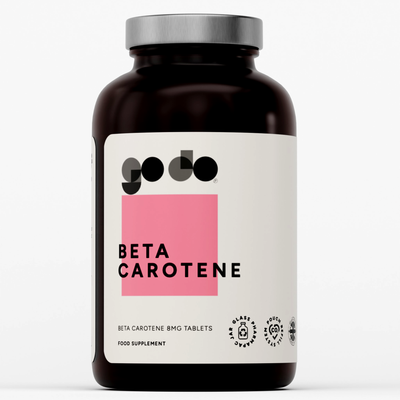
- No preformed vitamin A (retinol) above 770 mcg RAE; beta-carotene is the safer form
- Third-party certification: USP, NSF International, or Informed Sport
When a prenatal isn’t enough: CoQ10, therapeutic-dose inositol, and omega-3s at preconception doses are almost never included at meaningful levels in a standard prenatal. Treat the prenatal as a base layer for bioavailable forms and add targeted supplements based on your age, diagnosis, and test results.
Pro Tip: Third-party seals (USP, NSF) mean an independent lab verified the product contains what the label claims and isn’t contaminated. Without one, you’re trusting the manufacturer’s word.
When should you start taking fertility supplements?
The answer is almost always: earlier than you think. The 90-day egg maturation window means that the egg released at ovulation in month three was already in development when you started supplementing in month one. Nutritional status across that entire window shapes egg quality. For male partners, sperm maturation runs about 74 days, so the same logic applies.
Blood tests to order before you start:
- 25-OH vitamin D: identifies deficiency; guides D3 dosing
- Ferritin: the most useful single test for iron stores, especially with heavy periods
- CBC: flags anemia if ferritin alone doesn’t tell the full story
- Vitamin B12: relevant if you’re vegetarian, vegan, or have absorption concerns
- Thyroid panel (TSH, free T4): thyroid dysfunction directly affects ovulation and early pregnancy; test if symptomatic or at risk
How results change your plan:
- Low vitamin D (below 30 ng/mL): start 2,000–4,000 IU D3 with K2; recheck in 8–12 weeks
- Low ferritin: start iron bisglycinate under provider supervision; recheck after 8 weeks of therapy
- Normal results across the board: maintenance doses in a quality prenatal are sufficient; no need for high-dose iron or vitamin D
A simple 90-day timeline: start supplements at the three-month mark, recheck key labs at six weeks, adjust doses if needed, then continue through conception and into early pregnancy per your OB’s guidance.
Safety, upper limits, and interactions to watch for
The most commonly missed safety issue in preconception supplementation is preformed vitamin A (retinol). High doses of retinol are teratogenic, meaning they can cause birth defects in early pregnancy. Many older multivitamins contain retinol at levels that approach or exceed safe thresholds. Beta-carotene, the plant-derived precursor, does not carry this risk and is the preferred form in any prenatal or fertility supplement.
Other safety flags:
- Iron overload: supplementing iron without confirmed deficiency can cause GI damage and, in rare cases, systemic toxicity. Test ferritin first, always.
- Zinc and copper imbalance: zinc above 40 mg/day suppresses copper absorption. If you’re taking therapeutic zinc, consider a supplement that includes copper at a 10:1 zinc-to-copper ratio.
- Antioxidant timing around IVF: some clinicians advise pausing high-dose antioxidants (vitamins C and E, CoQ10) around egg retrieval. Ask your reproductive endocrinologist specifically about this.
- Drug interactions: high-dose iron can reduce absorption of certain antibiotics (tetracyclines, fluoroquinolones); take them at least two hours apart. CoQ10 may interact with warfarin. Always give your clinician a complete supplement list.
Pro Tip: Single-ingredient, third-party-tested supplements make it much easier to adjust or pause one nutrient without disrupting your entire stack. A prenatal plus individual add-ons beats an all-in-one “fertility blend” when precision matters.
What does the clinical evidence actually show?
The honest answer: the evidence base is uneven, and it’s worth knowing where the strong data ends and the plausible-but-unproven territory begins.
Strongest evidence: Folate for neural tube defect prevention is one of the most replicated findings in nutritional epidemiology. This is not a supplement category claim. It is a public health recommendation endorsed by the CDC and built into prenatal care guidelines.
Moderate evidence: Vitamin D correction in deficient individuals is associated with better IVF outcomes and implantation rates. Iron repletion when ferritin is low improves ovulatory function. Omega-3s have consistent mechanistic support and favorable safety profiles. Inositol for PCOS has solid trial data for ovulation and cycle regularity.
Condition-specific: CoQ10 has the most relevant evidence in women over 35 or with diminished ovarian reserve, where mitochondrial decline is a real factor. The evidence doesn’t extend cleanly to younger women with normal ovarian reserve.
Limited or mixed: Most antioxidant combinations, herbal fertility blends, and single-nutrient megadosing show plausible mechanisms but inconsistent results in randomized controlled trials. As a peer-reviewed synthesis of fertility supplement research notes, correcting deficiencies and providing antioxidant support are widely accepted low-risk strategies, but conclusive evidence for improved live birth rates is limited for many individual nutrients.
The practical takeaway: Correct what’s deficient. Add targeted support based on age and diagnosis. Don’t expect a supplement stack to compensate for significant underlying fertility issues that need medical evaluation.
Key Takeaways
The strongest preconception supplement strategy starts with methylfolate and tested deficiency correction, then layers in targeted nutrients based on age, diagnosis, and lab results.
| Point | Details |
|---|---|
| Start with methylfolate | Choose 5-MTHF over folic acid at 400–800 mcg/day regardless of MTHFR status. |
| Test before you supplement | Run 25-OH vitamin D and ferritin before adding vitamin D or iron to any protocol. |
| Begin 3 months out | The 90-day egg maturation window means supplements started today affect eggs released in month three. |
| Bioavailable forms matter | Prioritize methylfolate, iron bisglycinate, ubiquinol at 400–600 mg/day, and third-party-tested fish oil or algae DHA at 1,000–2,000 mg/day. |
| Fitnesshealth as your resource | Fitnesshealth offers curated supplement guidance and vetted product options for preconception planning. |
The part most supplement guides won’t tell you
The fertility supplement space is full of products marketed as complete solutions. They rarely are. What actually moves the needle is a much simpler idea: find out what you’re deficient in, fix it, and add targeted support for your specific situation.
The obsession with “fertility blends” and proprietary stacks often distracts from the basics. A person with normal vitamin D, adequate ferritin, and a solid methylfolate-containing prenatal is already ahead of most. The CoQ10, the inositol, the L-carnitine, the antioxidant combinations — those are meaningful additions for specific populations, not universal requirements.
What I find genuinely underappreciated is how much the male partner’s supplement protocol matters. Sperm DNA fragmentation rarely gets discussed until after multiple failed cycles, yet it’s addressable with zinc, selenium, and antioxidant support started three months before conception. That’s a low-cost, low-risk intervention with real mechanistic backing that most couples never hear about until something goes wrong.
Supplements are one piece of a broader fertility plan. They work best alongside a provider who can interpret your labs, adjust doses, and flag when something needs medical attention rather than a supplement.
Fitnesshealth supports your preconception supplement research
Sorting through preconception supplement options is genuinely time-consuming, especially when you’re trying to match bioavailable forms, third-party certifications, and dosing ranges to your specific situation.

Fitnesshealth publishes evidence-based guides on supplement quality, bioavailable nutrient forms, and preconception nutrition to help you make informed decisions before you buy. The editorial content is separate from product recommendations, and nothing here replaces personalized medical advice from your OB, midwife, or reproductive endocrinologist.
Ready to explore vetted supplement options and dig deeper into preconception nutrition? Visit Fitnesshealth to browse curated resources and products aligned with the guidance in this article.
This article is general health information, not medical advice. Confirm supplement choices and dosing with a qualified healthcare provider for your individual situation.
Research sources and further reading
A note on sources: The clinical and government sources below represent the strongest evidence base for preconception supplementation. Peer-reviewed PubMed and PMC articles are primary; the fertility clinic and product rationale pages are useful for applied dosing context but should be read alongside clinical guidance.
- Fertility supplement evidence synthesis (PMC) — peer-reviewed overview of supplement evidence and live-birth outcome limitations
- Vitamins and Nutrients for Fertility and Pregnancy, Shady Grove Fertility — clinical resource on preferred forms and testing recommendations
- Vitamins to Boost Fertility: Evvy — applied guidance on testing-first, individualized supplementation
- NIH Office of Dietary Supplements: Vitamin D — authoritative consumer fact sheet on vitamin D dosing and safety
- NIH Office of Dietary Supplements: L-Carnitine — evidence summary for carnitine in reproductive and metabolic health
- PubMed: Antioxidants and male fertility — peer-reviewed research on antioxidant supplementation and sperm parameters
- PMC: Omega-3 and reproductive outcomes — mechanistic and clinical data on EPA/DHA in fertility
- PMC: Inositol and PCOS — clinical trial data on myo-inositol and D-chiro-inositol in PCOS management
- CDC: Assisted Reproductive Technology — national data context for fertility treatment outcomes in the US
- Fitnesshealth: Why bioavailable supplement forms matter — educational resource on synthetic vs. whole-food nutrient forms