Glutamine is defined as a conditionally essential amino acid that becomes critical for gut integrity and immune function when athletes train under intense or heat-stressed conditions. The role of glutamine in gut health for athletes centers on one core mechanism: it serves as the primary fuel source for intestinal epithelial cells, called enterocytes, and for immune cells lining the gut wall. When exercise intensity rises, skeletal muscle releases glutamine to meet demand from the gut and immune system, creating a gut-muscle axis that links training load directly to digestive health. Without adequate glutamine, the intestinal barrier weakens, permeability increases, and recovery slows.
How does glutamine support intestinal barrier integrity in athletes?
Glutamine protects the gut wall by fueling enterocytes during periods of reduced blood flow. Hard training, especially in heat, cuts splanchnic circulation and starves intestinal cells of oxygen and nutrients. Glutamine steps in as the primary metabolic fuel for these cells, keeping them alive and functional when blood flow drops.
Beyond energy supply, glutamine directly regulates tight junction proteins, specifically claudins and occludins. These proteins act like the mortar between bricks in the gut wall. Exercise-induced ischemia, thermal stress, and oxidative stress alter the phosphorylation and expression of these proteins, causing gaps to form. Glutamine supports tight junction regulation and inflammatory signaling pathways that keep those gaps closed.
The immune side of this equation matters just as much. The gut houses a large portion of the body’s immune tissue, and immune cells there consume glutamine rapidly during stress. Depleted glutamine means compromised immune surveillance, which explains why hard training blocks often coincide with upper respiratory infections.
- Enterocyte fuel supply: Glutamine is the preferred energy substrate for intestinal cells, not glucose.
- Tight junction stability: It preserves claudin and occludin expression under ischemic and thermal stress.
- Immune cell support: Lymphocytes and macrophages in gut tissue depend on glutamine during inflammatory states.
- Biomarker reduction: Pre-exercise supplementation reduces I-FABP, a blood marker of intestinal cell damage.
Pro Tip: If you train in hot weather regularly, your gut permeability risk is higher than average. Glutamine’s protective effect is most pronounced in exactly that scenario.
When and how should athletes use glutamine for gut health?
Timing determines whether glutamine supplementation actually works. The evidence points clearly to acute, context-specific use rather than daily supplementation as a baseline habit.
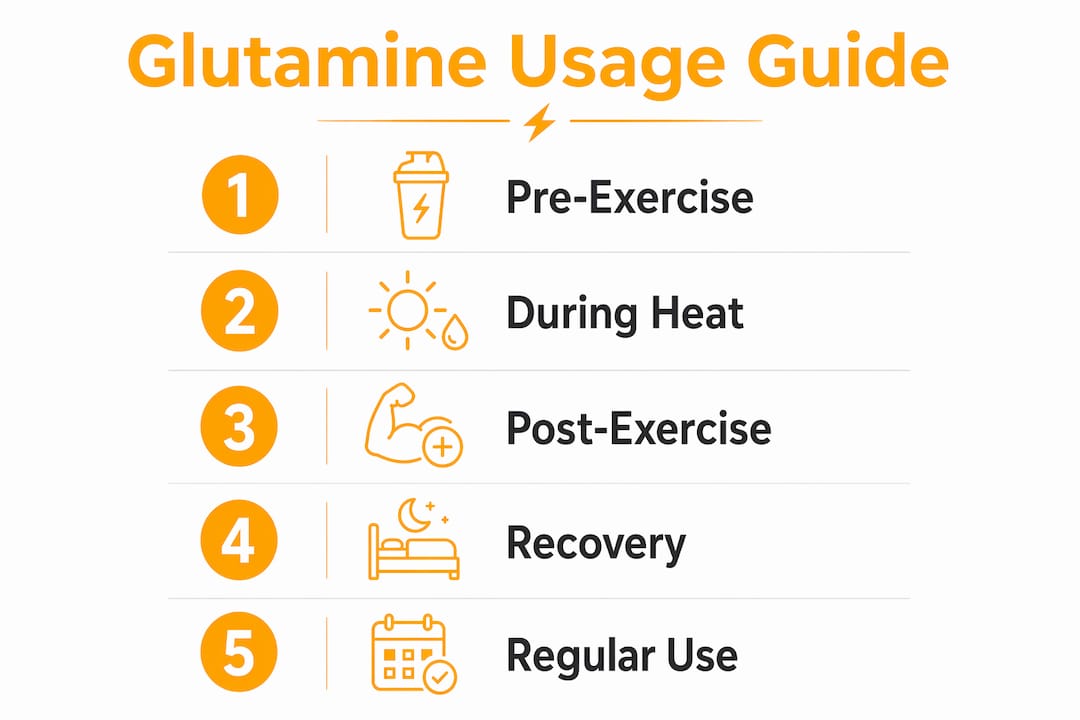
- Pre-exercise dosing for heat or endurance sessions. Supplementation before intense exercise in heat blunts gut permeability increases and reduces I-FABP biomarkers. This is the strongest evidence window for glutamine use in athletes.
- Post-exercise recovery support. After hard sessions, glutamine replenishes key metabolites, supports anabolic signaling, and aids gut mucosal integrity. Post-exercise supplementation may also reduce upper respiratory tract infection incidence, which is a real concern during heavy training blocks.
- Around endurance race events. Marathon runners, triathletes, and cyclists competing in heat are the athletes with the clearest documented need. Acute depletion during these events is well established.
- Individualized protocols. Athlete response varies. Factors like training volume, heat exposure, dietary protein intake, and gut sensitivity all affect how much benefit supplementation delivers.
Pro Tip: Never take glutamine for the first time on race day. Improper pre-exercise dosing can cause gastrointestinal discomfort that hurts performance. Test it during training sessions first.
Endogenous glutamine production meets the needs of healthy adults at rest. The case for supplementation builds only when training stress outpaces the body’s production capacity, which happens reliably during high-volume endurance work and heat exposure.
What are the limitations and misconceptions about glutamine for gut health?
Glutamine is not a universal fix for every athlete’s gut problems. Marketing often positions it as a broad immune booster and muscle recovery agent, but the clinical picture is more specific.
- Not a leaky gut cure-all. Glutamine addresses exercise-induced permeability under specific stress conditions. Chronic gut issues from diet, dysbiosis, or underlying conditions require different interventions.
- Performance benefits are inconsistent. Routine supplementation does not consistently improve exercise performance outcomes in clinical trials, despite the biological logic for recovery support.
- Research gaps remain significant. Clinical trials show variable results due to heterogeneous timing protocols, different participant profiles, and inconsistent endpoints. Female athlete data is particularly limited.
- Healthy athletes at rest don’t need it. Endogenous production usually meets demand for adults without intense training stress. Supplementing without a clear stress context adds cost without measurable benefit.
- Dose and form matter. Improperly timed or excessive doses cause GI distress, which is counterproductive when gut comfort is the goal.
The honest summary: glutamine works well in the right context and poorly when used indiscriminately. Athletes who train hard in heat or compete in endurance events have the strongest case for targeted use.
How does glutamine fit into a complete gut health strategy?
Glutamine’s role is adjunctive. It works best as part of a broader program, not as a standalone solution. Gut health for athletes depends on several interconnected factors working together.
| Strategy | Role in gut health | How glutamine fits |
|---|---|---|
| Hydration | Maintains gut blood flow and mucosal lining | Glutamine works better when hydration supports circulation |
| Fueling (carbohydrates) | Reduces splanchnic ischemia during exercise | Carb availability reduces the stress that depletes glutamine |
| Heat acclimation | Lowers thermal stress on gut epithelium | Acclimation reduces the severity of the problem glutamine addresses |
| Probiotics | Supports microbiome diversity and immune balance | Probiotics for athletes and glutamine address different gut layers |
| Dietary glutamine sources | Bone broth, meat, eggs provide natural glutamine | Food sources support baseline levels between training blocks |
Bone broth deserves a specific mention. It is one of the richest dietary sources of glutamine and collagen-supporting amino acids. Athletes who include it regularly maintain a higher baseline of gut-supportive nutrients without relying entirely on supplements.
When gut symptoms persist despite good nutrition, hydration, and training load management, consulting a sports dietitian or gastroenterologist is the right move. Persistent symptoms signal something beyond exercise-induced permeability.
Key takeaways
Glutamine protects gut integrity in athletes by fueling enterocytes and stabilizing tight junction proteins, with the strongest evidence for use before or after heat-stressed endurance training.
| Point | Details |
|---|---|
| Conditionally essential under stress | Glutamine becomes critical during intense or heat-stressed training when demand exceeds the body’s production. |
| Tight junction protection | It preserves claudin and occludin proteins that keep the gut wall sealed during exercise-induced stress. |
| Timing is everything | Pre-exercise dosing before heat or endurance sessions delivers the clearest gut protection benefit. |
| Not a universal supplement | Routine use without specific stress context produces inconsistent results and adds unnecessary cost. |
| Part of a broader strategy | Glutamine works best alongside hydration, carbohydrate fueling, heat acclimation, and probiotics. |
What I’ve learned from watching athletes use glutamine
The biggest mistake I see athletes make with glutamine is treating it like a daily vitamin. They take it every morning, feel nothing measurable, and either conclude it doesn’t work or keep buying it on faith. Neither response is grounded in how the amino acid actually functions.
The athletes who get real value from glutamine are the ones who use it deliberately. A marathoner taking it before a long run in July heat, or a cyclist supplementing post-stage during a multi-day event, these are the scenarios where the biochemistry lines up with the intervention. The L-glutamine benefits are real, but they are context-dependent.
Individual tolerance also varies more than most supplement guides admit. I’ve seen athletes handle pre-exercise doses without issue and others who experience enough GI discomfort to make the whole effort counterproductive. That variability is exactly why testing during training, not on race day, is non-negotiable advice.
Precision nutrition beats marketing hype every time. Use glutamine when the evidence says it helps, skip it when it doesn’t, and build the rest of your gut health program on the foundations that always matter: food quality, hydration, and smart training load management.
— Rene
Fitnesshealth resources for athlete gut health
Athletes serious about gut health need more than a single supplement. Fitnesshealth brings together evidence-based guidance on sports nutrition, gut health protocols, and targeted supplementation for athletes at every level.

The Fitnesshealth athlete nutrition guide covers fueling strategies that reduce gut stress during training, while the sports supplement protocol helps you build a stack that fits your specific training demands. Whether you are managing gut comfort during endurance blocks or supporting recovery between sessions, Fitnesshealth provides the research-backed context to make informed choices. Good gut health is built systematically, and the right information makes that process faster and more effective.
FAQ
What is the role of glutamine in gut health for athletes?
Glutamine fuels intestinal epithelial cells and stabilizes tight junction proteins that keep the gut wall sealed during exercise stress. Its role is most critical during high-intensity or heat-stressed training when the body cannot produce enough glutamine on its own.
When should athletes take glutamine for gut health?
Pre-exercise dosing before heat or endurance sessions and post-exercise supplementation for recovery are the two best-supported timing windows. Always test dosing during training before using it in competition.
Does glutamine improve athletic performance?
Routine glutamine supplementation does not consistently improve exercise performance in clinical trials. Its documented benefits focus on gut barrier protection and immune support under specific high-stress training conditions.
Can athletes get enough glutamine from food?
Dietary sources like bone broth, meat, and eggs provide meaningful glutamine and support baseline levels. Supplementation becomes relevant when training stress outpaces what food and endogenous production can supply.
Is glutamine safe for athletes to use daily?
Glutamine is generally well tolerated, but daily use without a specific stress context delivers limited measurable benefit. Improper pre-exercise dosing can cause GI discomfort, so testing tolerance during training sessions is the recommended approach.