

Gut microbiome health improvement is defined as the process of increasing the diversity and function of beneficial gut bacteria through targeted diet, fermented foods, probiotics, and lifestyle habits. The gut microbiome contains trillions of microorganisms that regulate digestion, immunity, and inflammation. Research from the American Gut Project, Stanford University, and Mayo Clinic confirms that what you eat and how you live are the most powerful levers for changing your microbiome. This gut microbiome health improvement guide gives you a practical, science-backed plan to act on starting today.
What dietary habits best boost gut microbiome diversity?
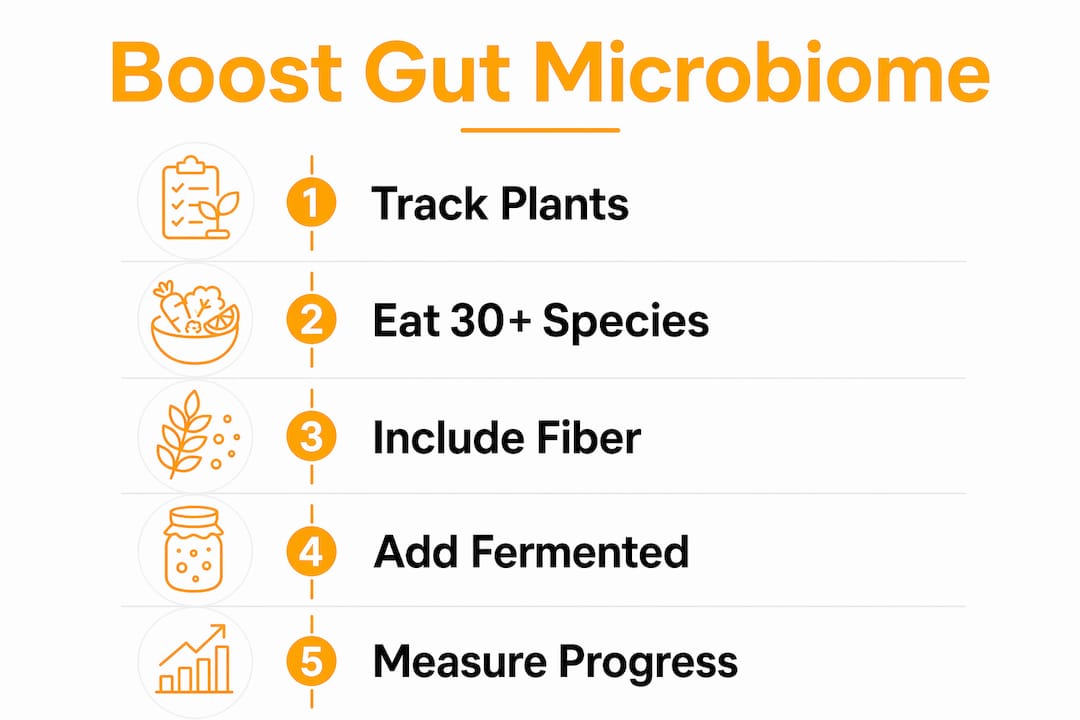
Plant variety is the single most effective dietary strategy for improving gut microbiome diversity. Eating 30+ plant species weekly produces significantly higher microbial diversity than eating 10 or fewer, regardless of whether you follow an omnivore, vegetarian, or vegan diet. More diverse bacteria means more short-chain fatty acids (SCFAs), which protect the gut lining and reduce inflammation.
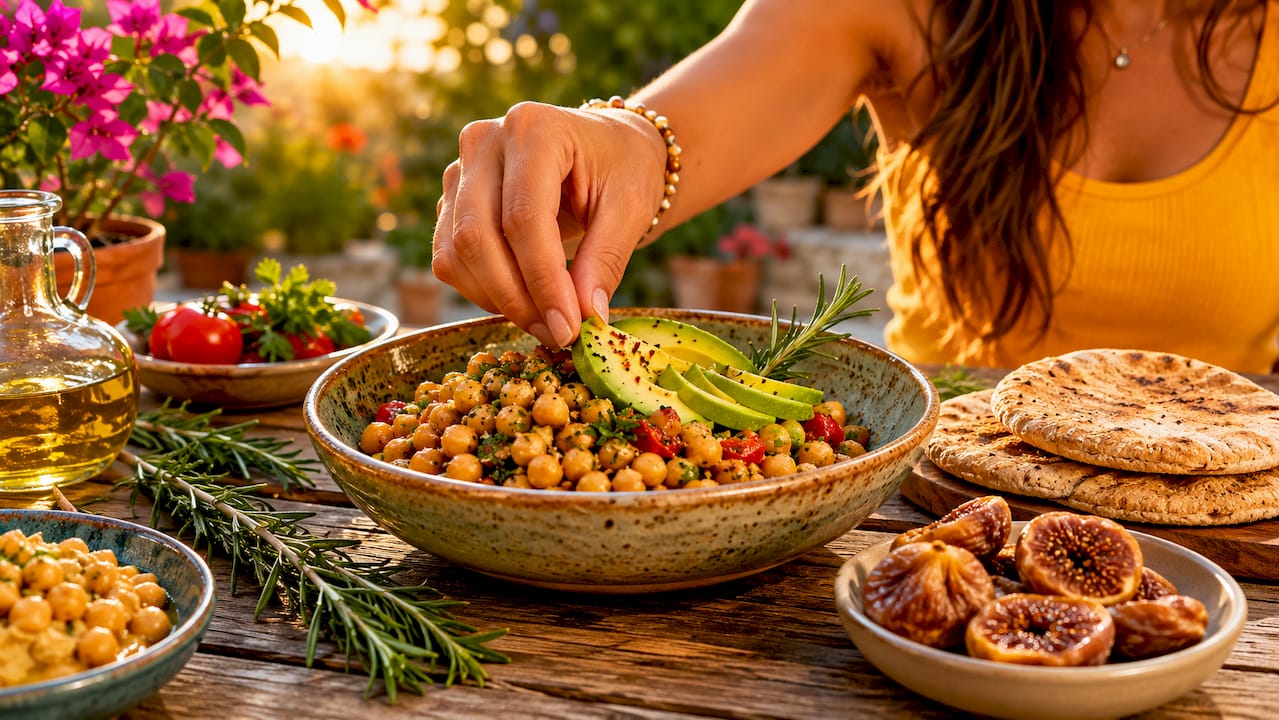
Dietary fiber, the primary fuel for beneficial gut bacteria, should reach 25–38 grams per day for adults. The Mediterranean diet pattern delivers this consistently through legumes, whole grains, vegetables, fruits, nuts, and seeds. Each plant type feeds different bacterial strains, which is why variety matters more than volume alone.
| Fiber Source | Fiber per Serving | Primary Benefit |
|---|---|---|
| Lentils (1 cup cooked) | 15.6g | Feeds Bifidobacterium and Lactobacillus |
| Oats (1 cup cooked) | 4g | Beta-glucan supports SCFA production |
| Broccoli (1 cup) | 5.1g | Prebiotic inulin feeds diverse bacteria |
| Chia seeds (2 tbsp) | 9.8g | Soluble fiber supports gut barrier |
| Black beans (1 cup) | 15g | Resistant starch feeds Akkermansia |
A diversified plant diet improves both the richness and evenness of gut microbiota, which the Shannon Diversity Index measures as the gold standard for gut health. Higher Shannon scores correlate strongly with reduced chronic disease risk.
Pro Tip: Keep a weekly plant tally using a simple notes app. Count every distinct plant: herbs, spices, and teas all qualify. Hitting 30 is easier than it sounds once you start tracking.
How do fermented foods and probiotics support gut bacteria?
Fermented foods are the fastest dietary tool for reducing gut inflammation. A Stanford trial found that 2–6 daily servings of fermented foods increase microbiome diversity and reduce 19 inflammatory markers, including IL-6 and IL-12p70. That result outperformed high-fiber diets alone in the same trial period.
The best fermented foods to include are:
- Kefir: High in Lactobacillus strains; one cup counts as a full serving
- Kimchi: Delivers Lactobacillus plantarum and prebiotic fiber together
- Kombucha: Provides organic acids and live cultures; choose low-sugar varieties
- Plain yogurt: Widely available and easy to add to meals or snacks
- Sauerkraut: Unpasteurized versions retain the most live bacteria
- Miso and tempeh: Fermented soy options that also supply protein
Most probiotic strains do not permanently colonize the gut. They pass through, interacting with the immune system and supporting existing bacteria along the way. This means consistency matters more than any single high-dose supplement. For more on probiotic best practices, Fitnesshealth covers the evidence in detail.
Pro Tip: Pair fermented foods with a fiber-rich meal. The fiber acts as a prebiotic, giving the live cultures something to feed on and extending their beneficial effects.
What lifestyle practices improve gut microbiome health?
Diet alone does not fully determine gut health. Exercise, hydration, sleep, and stress management each play a direct role in microbiome composition and gut barrier integrity.
Follow these four lifestyle steps to complement your healthy gut diet plan:
- Exercise regularly. 150–270 minutes per week of moderate-to-high intensity aerobic and resistance training positively shifts gut microbiota composition. Physical activity increases microbial diversity independently of diet.
- Stay hydrated. Water supports the mucosal lining of the intestines, which houses a large portion of your gut bacteria. Aim for at least 8 cups daily, more if you train hard.
- Prioritize sleep. Poor sleep disrupts the gut-brain axis and raises cortisol, which degrades the gut barrier over time. Seven to nine hours per night is the target.
- Manage stress actively. Chronic stress reduces beneficial Lactobacillus populations. Breathwork, mindful movement practices, and structured recovery all help.
“Physical activity complements dietary efforts to promote a healthy gut microbiome and overall systemic health.” — Harvard Health
Physical activity and dietary fiber work synergistically. Athletes who combine both show greater microbial diversity than sedentary individuals eating the same diet.
What foods and habits harm your gut microbiome?
Ultra-processed foods are the biggest threat to gut microbiome diversity. Professor Tim Spector’s research shows that ultra-processed foods reduce bacterial diversity and favor inflammatory Proteobacteria over beneficial Bifidobacterium and Lactobacillus. That shift correlates directly with increased gut permeability and systemic inflammation.
Limit or avoid the following to protect your microbiome:
- Ultra-processed snacks and fast food: Emulsifiers and additives disrupt the gut’s bacterial balance
- Excess added sugar: Feeds pathogenic bacteria and yeast at the expense of beneficial strains
- High-sodium processed foods: Reduce Lactobacillus populations and raise blood pressure
- Antibiotic overuse: Broad-spectrum antibiotics wipe out beneficial bacteria for weeks to months
- Chronic alcohol consumption: Damages the gut lining and reduces microbial diversity
Inadequate fiber intake causes gut bacteria to consume the intestinal mucus layer instead. Mayo Clinic gastroenterologists describe this as a direct pathway to gut barrier damage and increased inflammation throughout the body.
Pro Tip: Read ingredient lists, not just nutrition labels. If the first five ingredients include refined flour, added sugar, or hydrogenated oil, the product is likely ultra-processed. Swap it for a whole food alternative.
How do you measure and track gut microbiome progress?
At-home microbiome testing gives you a concrete baseline and lets you measure real change over time. Two main sequencing methods exist: 16S rRNA testing, which identifies bacterial species at a lower cost, and shotgun metagenomics, which maps the full genetic content of your microbiome with greater precision.
| Test Type | Approximate Cost | Data Provided |
|---|---|---|
| 16S rRNA (e.g., Viome, Thryve) | $100–$200 | Species-level diversity, basic recommendations |
| Shotgun Metagenomics (e.g., Biomesight) | $200–$400 | Full microbial genome, functional pathways |
| Clinical GI Map | $300–$500 | Pathogens, inflammation markers, gut function |
Key markers to watch include the Shannon Diversity Index, which measures species richness and evenness, and the presence of Akkermansia muciniphila and Faecalibacterium prausnitzii, both linked to gut barrier strength and reduced inflammation.
The good news: gut microbiome composition shifts detectably within 24–72 hours of significant dietary changes. That rapid response makes daily consistency the most important variable. Test at baseline, then retest after 8–12 weeks of consistent dietary and lifestyle changes to see meaningful shifts.
Pro Tip: Do not change multiple variables at once before retesting. Introduce fermented foods for four weeks, then add fiber increases, so you can attribute changes to specific interventions.
Key takeaways
Improving your gut microbiome requires consistent dietary diversity, regular fermented food intake, and lifestyle habits that protect the gut barrier every single day.
| Point | Details |
|---|---|
| Eat 30+ plant species weekly | Plant variety drives microbial diversity more than any single supplement or food. |
| Add 2–6 fermented food servings daily | Stanford research shows fermented foods reduce 19 inflammatory markers better than fiber alone. |
| Exercise 150–270 minutes per week | Aerobic and resistance training independently increase gut microbiota diversity. |
| Avoid ultra-processed foods | UPFs reduce beneficial Bifidobacterium and Lactobacillus while promoting inflammatory bacteria. |
| Track progress with microbiome testing | Use Shannon Diversity Index and Akkermansia levels as key markers after 8–12 weeks. |
What i’ve learned after years of tracking my own gut health
Most people expect gut health improvement to feel dramatic and fast. The reality is quieter and more gradual, but the changes are real. After tracking my own diet and microbiome markers for several years, the clearest lesson is this: consistency beats intensity every time.
I spent months chasing high-dose probiotic supplements before understanding that supporting existing microbiota matters far more than flooding the gut with transient strains. Shifting to 4–5 daily servings of fermented foods and hitting 30 plant species per week produced measurable Shannon Diversity improvements within two months. No expensive supplement stack came close.
The social challenge is real. Eating diversely at restaurants or during travel takes planning. My approach: default to legumes, whole grains, and vegetables as the base of every meal, then add fermented foods at home. That structure handles 80% of the work without requiring perfection.
Patience is the underrated variable. The microbiome responds fast to change, but lasting shifts take weeks. Commit to the process, measure your baseline, and let the data motivate you rather than relying on how you feel day to day.
— Rene
Support your gut health goals with Fitnesshealth
Knowing the science is only half the equation. Having the right products and programs behind you makes the difference between short-term effort and lasting results.

Fitnesshealth offers supplements and wellness programs designed specifically for gut microbiome support, including probiotic formulas, fiber-based nutrition products, and structured health programs that align with the dietary and lifestyle strategies in this guide. Whether you are starting your first microbiome reset or fine-tuning an existing routine, Fitnesshealth has resources built for health-conscious individuals who want results grounded in real science. Explore the full range at Fitnesshealth to find the right fit for your goals.
FAQ
How quickly can i improve my gut microbiome?
Gut microbiome composition shifts detectably within 24–72 hours of significant dietary changes. Lasting, measurable diversity improvements typically take 8–12 weeks of consistent effort.
How many plant species should i eat per week?
Eating 30 or more distinct plant species weekly produces significantly higher gut microbiome diversity than eating 10 or fewer. Herbs, spices, and teas all count toward your total.
Are probiotic supplements as effective as fermented foods?
Most probiotic strains are transient and do not permanently colonize the gut. Fermented foods like kefir, kimchi, and yogurt deliver live cultures alongside fiber and nutrients, making them more effective for sustained microbiome support than supplements alone.
What is the shannon diversity index in gut health?
The Shannon Diversity Index measures both the richness and evenness of bacterial species in your gut. A higher score correlates with reduced chronic disease risk and is the primary marker used in microbiome testing to evaluate gut health progress.
Does exercise really affect gut bacteria?
Yes. 150–270 minutes per week of moderate-to-high intensity exercise positively shifts gut microbiota composition, independent of diet. Combining exercise with a fiber-rich diet produces the greatest diversity gains.










