The supplements most commonly supported by human trials for stress relief include ashwagandha, rhodiola rosea, L-theanine, magnesium, lavender, passionflower, B-vitamins, chamomile, and CBD, although some like CBD and melatonin have mixed evidence. Before starting any of them, consult a clinician, especially if you take prescription medications, are pregnant, or are breastfeeding.
Here is a quick reference before diving into the details:
- Ashwagandha — adaptogen with multiple RCTs supporting cortisol reduction
- Rhodiola rosea — burnout and fatigue relief, with clinical trials reporting symptom improvements starting as early as one week
- L-theanine — fast-acting calming amino acid, often combined with caffeine
- Magnesium — widely deficient in U.S. adults; supports nervous system regulation
- Lavender — oral preparations (Silexan) have the strongest clinical data
- Passionflower — small but consistent trial evidence for anxiety symptoms
- B-vitamins — B6 and B12 support neurotransmitter synthesis; depletion worsens stress
- Chamomile — mild anxiolytic effect; weaker evidence than the adaptogens
- CBD — promising early data, but regulatory status and quality control are inconsistent
Mayo Clinic notes that some herbal remedies show promise for anxiety and stress, but evidence is limited and interactions are possible. That framing is the right starting point.
Key Takeaways
Ashwagandha, rhodiola, L-theanine, and magnesium have the strongest human-trial evidence for stress relief among natural supplements, but product quality and lifestyle integration determine whether any of them actually work for you.
| Point | Details |
|---|---|
| Start with the best-evidenced options | Ashwagandha, rhodiola, L-theanine, and magnesium have the most consistent human-trial support for stress relief. |
| Check for third-party testing seals | USP, NSF, or ConsumerLab seals confirm potency and purity; avoid proprietary blends without disclosed amounts. |
| Give each supplement its full trial window | Rhodiola needs 1–12 weeks; ashwagandha needs 4–8 weeks; L-theanine works acutely within 30–60 minutes. |
| Lifestyle comes before supplements | Sleep, movement, and breathing reduce stress reliably; supplements amplify a regulated nervous system, not a depleted one. |
| Fitnesshealth curated selection | Fitnesshealth stocks stress-support supplements with standardized extracts and transparent ingredient sourcing for U.S. customers. |
Table of Contents
- 1. Ashwagandha (Withania somnifera)
- 2. Rhodiola rosea
- 3. L-theanine
- 4. Magnesium
- 5. Lavender
- 6. Passionflower (Passiflora incarnata)
- 7. B-vitamins (B6 and B12)
- 8. Chamomile (Matricaria chamomilla)
- 9. CBD (Cannabidiol)
- Safety, drug interactions, and how the FDA regulates supplements
- How to choose a high-quality supplement
- How to integrate supplements into a broader stress-management plan
- How long do these supplements take to work?
- Supplements to avoid or use with caution
- What most stress supplement advice gets wrong
- Fitnesshealth carries curated, quality-focused stress-support supplements
- Sources
1. Ashwagandha (Withania somnifera)
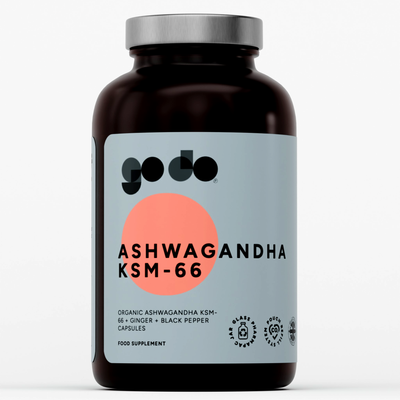
Ashwagandha is an Ayurvedic root extract classified as an adaptogen, meaning it is thought to help the body regulate its stress response rather than simply sedate it. The proposed mechanism involves modulating the hypothalamic-pituitary-adrenal (HPA) axis and reducing salivary cortisol levels.
A 2022 open-access review confirmed that ashwagandha, alongside rhodiola, passionflower, and lavender, shows clinical trial evidence for short-term benefit on stress-related symptoms, though longer-term and higher-quality trials are still needed. Multiple randomized controlled trials have used the KSM-66 and Sensoril extract forms, both standardized to withanolide content.
- Typical dose: 300–600 mg/day of a standardized extract (such as KSM-66 or Sensoril)
- Onset: Measurable reductions in cortisol and perceived stress typically develop after several weeks of use
- Delivery forms: Capsules, powders, tinctures
- Avoid if: Thyroid disorders (may affect thyroid hormone levels), autoimmune conditions, pregnancy, or if taking immunosuppressants or thyroid medications
Understanding how adaptogens balance hormones helps explain why ashwagandha’s effects build gradually rather than hitting immediately.
2. Rhodiola rosea
Rhodiola is the adaptogen with arguably the most compelling burnout-specific data. A 2017 randomized trial found that rhodiola rosea produced measurable reductions in burnout-related symptoms within one week, with continued improvement through 12 weeks. That one-week onset is faster than most adaptogens, which typically require four or more weeks of consistent use.
The active compounds, rosavins and salidroside, are thought to influence serotonin and dopamine pathways and reduce stress-induced fatigue rather than directly sedating the nervous system.
- Typical dose: 200–600 mg/day of a standardized extract (3% rosavins, 1% salidroside)
- Onset: Noticeable fatigue and mood improvements within 1–2 weeks; full benefit at 8–12 weeks
- Delivery forms: Capsules, tablets, tinctures
- Avoid if: Bipolar disorder (stimulating effect may be problematic), taking antidepressants or stimulants, or during pregnancy
3. L-theanine
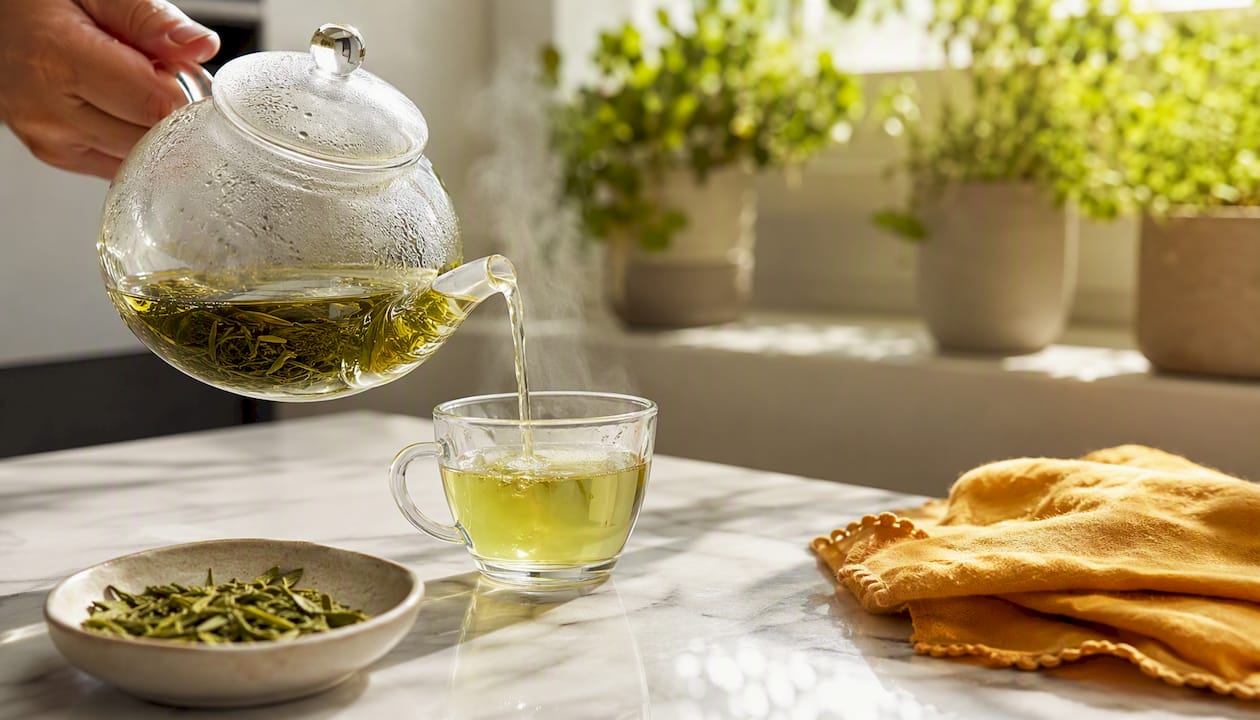
L-theanine is an amino acid found naturally in green tea. Unlike the adaptogens above, it works quickly. Within 30–60 minutes of a single dose, it tends to increase alpha brain wave activity, producing a state of calm alertness without sedation. That profile makes it one of the few natural stress relief remedies that can be used situationally, before a stressful meeting or a difficult conversation, rather than only as a daily cumulative supplement.
Clinical data on magnesium, L-theanine, and B-vitamins supports its inclusion as a lower-risk option for mild stress relief. It is frequently combined with caffeine (100 mg L-theanine to 50 mg caffeine) to smooth out caffeine’s jitteriness.
- Typical dose: 100–400 mg per dose
- Onset: 30–60 minutes for acute calming; no meaningful cumulative effect
- Delivery forms: Capsules, powder, green tea (though tea doses are much lower)
- Avoid if: Taking blood pressure medications (may have additive hypotensive effect)
4. Magnesium
Magnesium is not an herb, but it belongs in any honest list of stress management vitamins. It plays a direct role in regulating the nervous system, and deficiency is associated with heightened stress reactivity and poor sleep. Many U.S. adults consume less than the recommended daily amount through diet alone.
The glycinate and malate forms are generally better tolerated than magnesium oxide, which has poor bioavailability and tends to cause digestive upset. Evidence from clinical reviews supports magnesium’s role in supporting nervous system function and reducing subjective stress symptoms.
- Typical dose: 200–400 mg elemental magnesium daily (glycinate or malate preferred)
- Onset: Sleep and muscle-tension improvements often within days; mood effects over 2–4 weeks
- Delivery forms: Capsules, powder, topical (less evidence for transdermal absorption)
- Avoid if: Kidney disease (impaired magnesium excretion); check with a clinician before exceeding 350 mg/day from supplements
5. Lavender
Lavender’s clinical story splits into two distinct categories. Aromatherapy has some trial support for acute anxiety reduction, but the effect sizes are modest and studies are often small. Oral lavender, specifically the standardized preparation Silexan (80 mg/day), has a more convincing evidence base, with placebo-controlled trials showing reduced anxiety and improved sleep in some cohorts.
The 2022 PMC review also lists lavender among the botanicals with short-term clinical evidence for stress-related symptoms. Silexan is not widely available in the U.S. as a branded product, but standardized lavender oil capsules are sold by several supplement manufacturers.
- Typical dose: 80 mg/day of standardized lavender oil (oral); aromatherapy doses vary
- Onset: Aromatherapy effects within minutes; oral preparations show effects at 2–6 weeks
- Delivery forms: Capsules (oral), essential oil diffuser, topical (limited evidence)
- Avoid if: Prepubertal boys (lavender has shown weak estrogenic activity in some case reports); taking sedatives (additive effect possible)
6. Passionflower (Passiflora incarnata)
Passionflower is a calming herbal blend ingredient with a longer traditional use history than its clinical trial record. Small but consistent trials suggest it reduces anxiety symptoms comparably to low-dose benzodiazepines in some populations, though sample sizes are typically under 100 participants and trial durations are short.
The 2022 PMC review includes passionflower among botanicals with short-term evidence for stress-related symptoms. It is often combined with valerian or lemon balm in commercial calming herbal blends, which complicates isolating its specific contribution.
- Typical dose: 250–500 mg dried extract, or 1–2 cups of passionflower tea
- Onset: Acute calming effect within 30–90 minutes; consistent use over 1–4 weeks for sustained benefit
- Delivery forms: Capsules, tinctures, tea
- Avoid if: Pregnant or breastfeeding (limited safety data); taking sedatives or CNS depressants
7. B-vitamins (B6 and B12)
B-vitamins do not produce a calming effect the way adaptogens or anxiolytics do. Their role in stress is more foundational: B6 (pyridoxine) is a cofactor in serotonin and GABA synthesis, and B12 (cobalamin) supports myelin and neurological function. Depletion of either, which is common in people under chronic stress, worsens mood dysregulation and fatigue.
Clinical evidence supports B-vitamin supplementation as a lower-risk option for stress-related symptoms, particularly in people with dietary gaps (vegans and vegetarians are at higher B12 risk). A B-complex supplement covering the full range is usually more practical than isolated B6 or B12.
- Typical dose: B-complex covering 100% DV for B6 and B12; higher therapeutic doses of B6 (above 100 mg/day long-term) carry peripheral neuropathy risk
- Onset: Fatigue and mood improvements within 2–4 weeks in deficient individuals; minimal effect if levels are already adequate
- Delivery forms: Capsules, sublingual (B12 specifically), multivitamins
- Avoid if: High-dose B6 supplementation without monitoring; check with a clinician if on levodopa
The connection between micronutrients and recovery extends beyond stress, making B-vitamins a practical dual-purpose addition for active people.
8. Chamomile (Matricaria chamomilla)
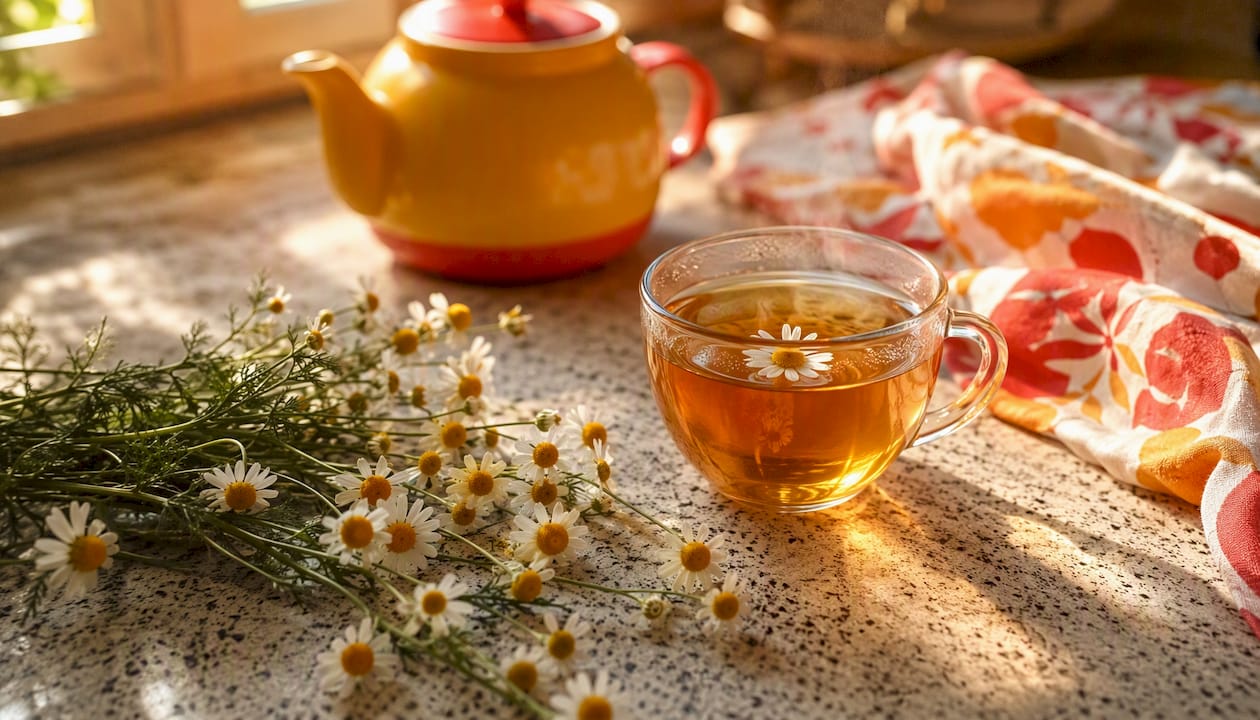
Chamomile is one of the most widely consumed calming herbal blends in the U.S., usually as tea. The evidence for anxiety reduction is real but modest.
Mayo Clinic’s guidance specifically names chamomile as showing promise for anxiety while cautioning that evidence is limited. Chamomile tea doses are much lower than trial doses, so the calming effect from a cup of tea is likely mild at best.
- Typical dose: 220–1,100 mg standardized extract (1.2% apigenin) for clinical effect; 1–3 cups of tea for mild relaxation
- Onset: Acute mild calming within 30–60 minutes; consistent use over 4–8 weeks for anxiety symptom reduction
- Delivery forms: Capsules, tea, tinctures
- Avoid if: Ragweed allergy (cross-reactivity possible); taking blood thinners (chamomile may increase bleeding risk)
9. CBD (Cannabidiol)
CBD sits in a different category from the herbs above. Early human trials and observational data suggest it may reduce anxiety and improve sleep, but the evidence base is less mature than for ashwagandha or rhodiola. Regulatory status adds complexity: the FDA has not approved CBD as a dietary supplement, and product quality varies widely across the U.S. market.
The AAFP review on supplements for anxiety disorders underscores that evidence quality varies significantly by product and that physician engagement is important for minimizing risk. That principle applies especially to CBD, where mislabeling and contamination are documented problems.
- Typical dose: 25–75 mg/day in trials; no established standard dose
- Onset: Acute anxiolytic effect possible within hours; sleep effects within days to weeks
- Delivery forms: Oils, capsules, gummies
- Avoid if: Taking medications metabolized by CYP450 enzymes (CBD inhibits this pathway); pregnant or breastfeeding; check with a clinician before use
Safety, drug interactions, and how the FDA regulates supplements
The FDA regulates dietary supplements as foods, not drugs. Manufacturers do not need premarket approval for safety, purity, or effectiveness. They are responsible for accurate labeling and post-market safety monitoring. That means a product can reach store shelves without any independent verification that it contains what the label claims or that it is free from contaminants.
This regulatory gap is why third-party testing matters so much, and why the supplements covered here are not interchangeable with pharmaceutical-grade medications.
Key drug interactions to know:
- Blood thinners (warfarin, aspirin): Chamomile, ginkgo, and high-dose fish oil can increase bleeding risk. Passionflower and valerian may also potentiate anticoagulant effects.
- SSRIs and SNRIs: St. John’s wort is the most documented risk here, capable of triggering serotonin syndrome. Rhodiola and ashwagandha have theoretical interactions with antidepressants but lower documented risk.
- Benzodiazepines and sedatives: Passionflower, valerian, lavender, and chamomile all have sedative properties. Combining them with prescription sedatives can amplify CNS depression.
- Thyroid medications: Ashwagandha may alter thyroid hormone levels; anyone on levothyroxine should discuss use with their prescriber.
Special populations:
- Pregnancy and breastfeeding: Most herbal supplements lack adequate safety data for pregnant or breastfeeding people. Passionflower and lemon balm have particularly limited data. Chamomile may increase bleeding risk. The safest default is to avoid herbal supplements during pregnancy unless a clinician specifically approves them.
- Older adults: Slower metabolism means longer drug half-lives and higher risk of sedative accumulation. Start at the lower end of any dose range.
- Children and adolescents: Evidence for most of these supplements in pediatric populations is essentially absent. Consult a pediatrician before use.
Pro Tip: If you experience new symptoms within the first two weeks of starting a supplement, including unusual fatigue, digestive changes, or mood shifts, stop the supplement and contact your clinician before restarting.
How to choose a high-quality supplement
The NCCIH recommends consulting a clinician before starting herbal supplements, partly because product quality varies so dramatically. Here is a practical checklist for evaluating any stress-support supplement before you buy.
1. Look for a third-party testing seal. USP (U.S. Pharmacopeia), NSF International, and ConsumerLab are the three most credible independent testing organizations in the U.S. A seal from any of them confirms the product was tested for identity, potency, and contaminants. Not every reputable product carries one, but its absence means you are relying entirely on the manufacturer’s word.
2. Check for standardized extracts. One that says “ashwagandha root powder 500 mg” tells you almost nothing about potency. Standardized extracts match what was used in clinical trials.
3. Avoid proprietary blends without disclosed amounts. A “Stress Support Blend 750 mg” that lists five ingredients without individual amounts makes it impossible to know whether any ingredient reaches a clinically relevant dose. This is a common tactic for underdosing expensive ingredients while listing them prominently on the label.
4. Check for allergen and additive transparency. The label should list all excipients (fillers, binders, coatings). Avoid products with undisclosed colorants, artificial sweeteners, or common allergens (gluten, soy, dairy) if you have sensitivities.
5. Verify the seller’s documentation policy. Reputable retailers can provide a Certificate of Analysis (COA) from a third-party lab on request. If a seller cannot or will not provide one, that is a red flag.
Red flags at a glance:
- No standardization listed on the label
- Proprietary blends with no per-ingredient amounts
- Kava-containing products without a liver-risk warning
- Claims that a supplement “treats” or “cures” anxiety (illegal under FDA rules for dietary supplements)
- No lot number or expiration date
Fitnesshealth’s approach to supplement selection reflects the same quality-first logic: prioritize products where the evidence, extract standardization, and testing documentation are transparent.
How to integrate supplements into a broader stress-management plan
Supplements work best as one layer in a broader strategy, not as a standalone fix. Here is a practical, stepwise approach.
Step 1: Establish your baseline. Before adding anything, spend one week tracking your stress using the Perceived Stress Scale (PSS-10), a free, validated 10-item questionnaire. This gives you a concrete starting score to measure against.
Step 2: Address the non-negotiables first. Sleep, movement, and breathing are the three lifestyle levers with the strongest evidence for stress reduction. Brief nature exposure has also been shown to reduce stress markers. No supplement compensates for chronic sleep deprivation or a completely sedentary lifestyle.
Step 3: Add one supplement at a time. Start with a single supplement at the low end of its evidence-based dose range. Run it for the full onset window before evaluating (2 weeks for rhodiola, 4–8 weeks for ashwagandha, 2–4 weeks for magnesium). Adding multiple supplements simultaneously makes it impossible to identify what is helping or causing side effects.
Step 4: Track and reassess. Recheck your PSS-10 score at the midpoint and end of the trial window. Keep a brief symptom journal noting sleep quality, energy, and mood. If there is no measurable improvement after the full trial window, discontinue and consider a different option or a clinician referral.
Step 5: Layer in lifestyle practices. Diaphragmatic breathing (4-7-8 technique or box breathing) takes under five minutes and has acute cortisol-lowering effects. Pairing it with a supplement like L-theanine or magnesium before bed creates a consistent wind-down signal.
A simple protocol for a commuter with daily work stress: Morning: 300 mg ashwagandha (KSM-66) with breakfast. Midday: 200 mg L-theanine before a high-pressure meeting. Evening: 200 mg magnesium glycinate with dinner, followed by 10 minutes of box breathing. Reassess PSS-10 at week 4 and week 8.
For a more structured supplement timing framework, recovery nutrition timing principles offer a useful model that translates well to stress-support protocols.
How long do these supplements take to work?
| Supplement | Typical onset | Trial duration for full assessment |
|---|---|---|
| L-theanine | 30–60 minutes (acute) | Single dose; no cumulative window needed |
| Magnesium | Days (sleep/tension); 2–4 weeks (mood) | 4 weeks |
| Lavender (oral) | 2–6 weeks | 6 weeks |
| Chamomile extract | 4–8 weeks | 8 weeks |
| Passionflower | 1–4 weeks | 4 weeks |
| Rhodiola rosea | 1–2 weeks (fatigue); 8–12 weeks (full) | 12 weeks |
| Ashwagandha | 4–8 weeks | 8 weeks |
| B-vitamins | 2–4 weeks (if deficient) | 4 weeks |
| CBD | Hours to days (acute); weeks (sustained) | 4–6 weeks |
Clinical trials typically measure outcomes using the Perceived Stress Scale (PSS), the Depression Anxiety Stress Scales (DASS-42), or salivary cortisol. A “statistically significant” result in a trial means the effect is unlikely to be due to chance, but it does not always mean the effect is large enough to be noticeable in daily life. Most of the supplements above show moderate effect sizes in trials, not dramatic ones.
When to stop and seek professional care:
- No improvement after the full trial window at an evidence-based dose
- Any new adverse symptoms (digestive, neurological, mood-related)
- Stress or anxiety that is interfering with work, relationships, or sleep consistently for more than two weeks
- Any thoughts of self-harm
Persistent high stress or anxiety that does not respond to lifestyle and supplement interventions warrants evaluation by a clinician, not a higher supplement dose.
Supplements to avoid or use with caution
Not every product marketed for stress relief belongs in your cabinet.
- Kava (Piper methysticum): Has the strongest short-term anxiolytic evidence among herbs, but carries a documented risk of serious liver injury, including hepatitis and liver failure. The FDA has issued warnings. If you use kava, limit duration to under eight weeks, avoid alcohol, and never use it with other hepatotoxic substances.
- High-dose St. John’s wort: Widely used for mild depression, but it is a potent inducer of CYP3A4 enzymes, reducing the effectiveness of dozens of medications including oral contraceptives, antiretrovirals, and cyclosporine. The interaction risk is high enough that the AAFP review and most clinical guidelines recommend against unsupervised use.
- Valerian: Commonly included in calming herbal blends, but evidence for anxiety reduction is inconsistent across trials. Some preparations have also shown liver enzyme elevations in case reports. Use short-term only.
- Multi-ingredient proprietary blends: When five or six herbs are combined in a single capsule without disclosed amounts, you cannot assess whether any ingredient reaches an effective dose. If a side effect occurs, you cannot identify the cause. Single-ingredient, standardized extracts are almost always the better choice for anyone new to herbal supplementation.
- Products with psychiatric claims: Any supplement label claiming to “treat anxiety disorder” or “cure stress” is making an illegal drug claim under FDA rules. Products that overstate evidence this way often have other quality problems too.
What most stress supplement advice gets wrong
The conventional framing around natural stress relief remedies tends to present supplements as either miracle cures or useless placebos. Neither is accurate, and both framings push people toward bad decisions.
The research is clear enough to say this: ashwagandha and rhodiola have more and better human-trial evidence than most pharmaceutical-adjacent supplements in any category. The 2022 PMC review and the rhodiola burnout trial are not small or poorly designed studies. At the same time, the effect sizes in these trials are moderate. A person with severe anxiety disorder is not going to resolve it with 300 mg of ashwagandha. Someone with mild-to-moderate daily stress, disrupted sleep, and a demanding job? The evidence genuinely supports trying one of these options.
The piece of advice that gets skipped most often is the sequencing. Most people reach for a supplement before they have addressed sleep, movement, or breathing. That is backwards. Adaptogens and calming herbs work on a nervous system that is already somewhat regulated. They are not designed to compensate for four hours of sleep and no physical activity. The lifestyle foundation comes first; the supplement amplifies it.
The other underappreciated point is product quality. The FDA’s pre-market non-approval framework means a product can be sold with the right name on the label and almost none of the active compound inside. Third-party testing seals are not a marketing nicety. They are the only way to know whether what you are buying matches what the clinical trials actually used.
Fitnesshealth carries curated, quality-focused stress-support supplements
Sorting through hundreds of stress-support products to find ones that actually meet the quality bar described above takes time most people do not have. Fitnesshealth stocks a curated selection of stress-support supplements, including adaptogenic and calming herbal options, chosen with an emphasis on standardized extracts and transparent ingredient sourcing.
Every product category on the site is selected with the same quality-first logic: clear dosing, no hidden proprietary blends, and products where the active compound concentration is stated on the label. If you have questions about lab documentation for a specific product, the customer support team can help.
This content is for general informational purposes only and is not a substitute for professional medical advice. Consult a qualified clinician before starting any new supplement, especially if you take prescription medications or are pregnant or breastfeeding. Browse the Fitnesshealth supplement range to find third-party-tested options that fit your stress-management goals.
Sources
- Common herbs for stress: The science and strategy of a botanical medicine approach to self-care - PMC
- Dietary supplements | FDA
- Herbal treatment for anxiety: Is it effective? - Mayo Clinic
- Herbal and dietary supplements for treatment of anxiety disorders | AFP