Most people buying probiotic supplements assume they’re giving their immune system a broad, reliable boost. The reality is more nuanced: probiotic benefits are condition-specific, strain-specific, and dose-dependent, and certain populations should approach them with real caution. If you’ve been relying on generic “immune support” claims on a probiotic label, this guide will reframe what the science actually says and help you make smarter decisions about your gut and immune health.
Table of Contents
- How probiotics interact with the immune system
- Key mechanisms: Gut barrier, metabolites, and inflammation
- What the evidence actually shows: Who really benefits?
- Limits and controversies: Diversity, dosage, and safety
- Practical steps: How to approach probiotics for immune support
- The real-world view: Why probiotic hype misses the mark for most healthy people
- Explore evidence-based gut health solutions with Fitness Health®
- Frequently asked questions
Key Takeaways
| Point | Details |
|---|---|
| Mechanisms matter | Probiotics boost immune health mainly through gut barrier support and signaling compounds. |
| Effectiveness is specific | Not all probiotics work the same—strain and use case are essential for actual benefit. |
| Best uses are targeted | Strongest evidence is for reducing certain infections and supporting specific clinical scenarios. |
| Caution is needed | Routine probiotic use isn’t officially recommended for healthy adults and may not increase gut diversity. |
| Lifestyle comes first | Overall gut health and balanced living outpace supplements alone for immune support. |
How probiotics interact with the immune system
Understanding why probiotics can influence immunity starts with where most of your immune activity actually happens: your gut. Roughly 70% of the body’s immune tissue lines the gastrointestinal tract, which means the microbes living there have enormous leverage over how your immune system responds to threats. Probiotics, which are live microorganisms that confer a health benefit when consumed in adequate amounts, work through several overlapping mechanisms to influence that system.
Here’s what the research identifies as the core pathways:
- Gut barrier reinforcement: Probiotics strengthen tight junctions between intestinal cells, reducing the chance that pathogens or toxins cross into the bloodstream.
- Phagocytic activity enhancement: Certain strains stimulate macrophages and neutrophils, the immune cells that engulf and destroy invaders.
- Cytokine regulation: Probiotics influence the production of signaling proteins that either ramp up or calm down immune responses depending on what the body needs.
- Secretory IgA (SIgA) stimulation: SIgA is the antibody that patrols mucosal surfaces like the gut lining and respiratory tract, acting as a first line of defense against pathogens.
- Immune cell modulation: Probiotics interact with dendritic cells and T-regulatory cells to help the immune system distinguish between threats and harmless substances.
Probiotics modulate immune function through all of these mechanisms simultaneously, which is part of why their effects are so context-dependent. A strain that strongly stimulates SIgA may not meaningfully affect cytokine levels, and vice versa.
| Mechanism | Primary immune effect | Example strains involved |
|---|---|---|
| Gut barrier reinforcement | Prevents pathogen translocation | Lactobacillus rhamnosus GG |
| Phagocytic stimulation | Faster pathogen clearance | Bifidobacterium lactis Bl-04 |
| Cytokine modulation | Balanced inflammatory response | Lactobacillus acidophilus NCFM |
| SIgA stimulation | Mucosal defense at entry points | Lactobacillus casei Shirota |
| T-regulatory cell support | Prevents overactive immune response | Bifidobacterium longum BB536 |
“The gut-immune axis is not a simple on/off switch. Probiotics don’t universally ‘boost’ immunity; they help calibrate it, and the calibration depends heavily on which microorganism you’re introducing and what your immune system needs at that moment.” — Kerry Health & Nutrition Institute
Understanding gut health basics is essential before layering in any supplementation strategy. The gut environment you’re working with determines how much any probiotic can actually do.
Pro Tip: Look for probiotic products that list the specific strain name (genus, species, and strain designation) on the label, not just “Lactobacillus” or “Bifidobacterium.” The strain designation is what the clinical research is actually tied to.
Key mechanisms: Gut barrier, metabolites, and inflammation
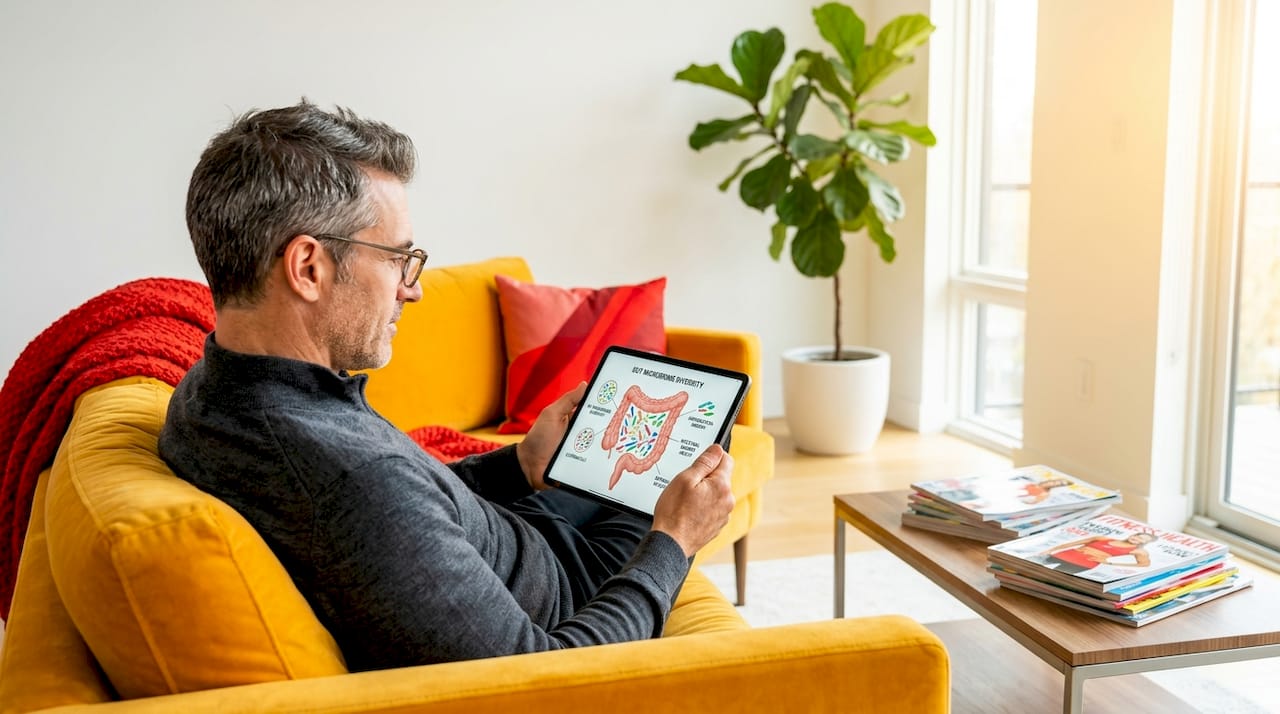
Now that we’ve covered basic immune interactions, let’s break down the specific mechanisms that connect gut function and immune resilience. One of the most underappreciated aspects of probiotic science involves the metabolites these microbes produce as byproducts of their activity.
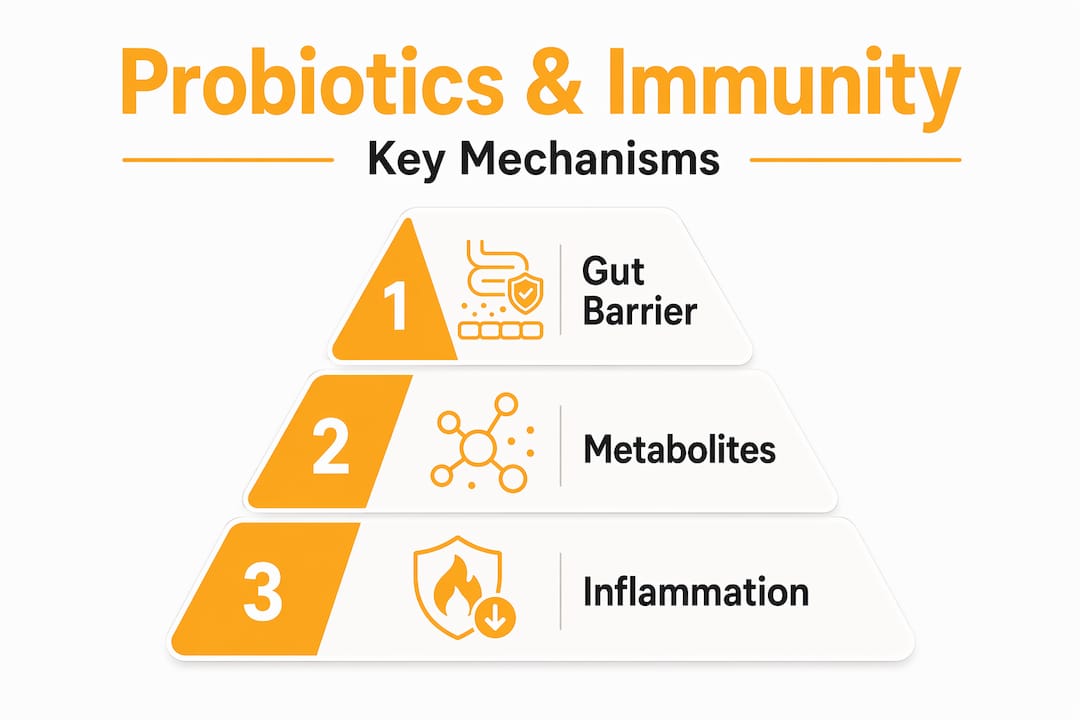
Probiotics produce antimicrobial metabolites including short-chain fatty acids (SCFAs) and bacteriocins that actively suppress pathogens and support gut homeostasis. SCFAs like butyrate, propionate, and acetate are particularly significant. Butyrate, for example, is the primary energy source for colonocytes (the cells lining your colon) and plays a direct role in regulating inflammation by inhibiting certain pro-inflammatory signaling pathways.
Here’s a breakdown of key metabolites and their immune functions:
| Metabolite | Produced by | Primary immune function |
|---|---|---|
| Butyrate (SCFA) | Faecalibacterium prausnitzii, Roseburia spp. | Reduces gut inflammation, feeds colonocytes |
| Propionate (SCFA) | Bacteroides spp., Veillonella spp. | Regulates dendritic cell activity |
| Acetate (SCFA) | Bifidobacterium spp. | Supports epithelial barrier integrity |
| Bacteriocins | Lactobacillus spp. | Directly kills competing pathogens |
| Lactic acid | Most Lactobacillus strains | Lowers gut pH, inhibits pathogen growth |
The significance of SCFAs extends beyond the gut. Research shows they can travel through the bloodstream and influence immune cells in distant tissues, including the lungs and lymph nodes. This systemic reach is part of why gut health is increasingly linked to respiratory immunity.
The importance of gut microbiome importance becomes clearer when you consider that disrupting the microbial community, through antibiotics, poor diet, or chronic stress, doesn’t just affect digestion. It reduces SCFA production, weakens the gut barrier, and leaves the immune system operating with less support than it needs.
Key points on metabolite-driven immune support:
- Homeostasis matters more than stimulation. A well-regulated immune response is more valuable than a hyperactive one. SCFAs help prevent the kind of chronic low-grade inflammation that drives many modern diseases.
- Diet is the fuel. Probiotic bacteria need prebiotic fiber to produce SCFAs in meaningful amounts. Without adequate fiber intake, even a high-quality probiotic will underperform.
- Bacteriocins are natural antibiotics. These peptides produced by beneficial bacteria can selectively target harmful species without disrupting the broader microbial community the way pharmaceutical antibiotics do.
What the evidence actually shows: Who really benefits?
With a foundational overview on probiotic mechanics, it’s important to translate those mechanisms into real-world, evidence-based outcomes. The clinical picture is more specific than most supplement marketing suggests.
The strongest evidence comes from upper respiratory tract infections (URTIs). A 2022 Cochrane Review covering 23 randomized controlled trials found that probiotics modestly but consistently reduce both the risk and duration of URTIs compared to placebo. The effect sizes aren’t dramatic, but they’re real and reproducible across multiple strains and populations.
A more recent and surprising finding involves cancer patients. A meta-analysis of 12 studies found that probiotics prolonged survival and improved response rates in cancer patients receiving immune checkpoint inhibitor therapy. This is one of the most compelling clinical signals in probiotic research, suggesting that gut microbiome composition directly affects how well certain immunotherapy treatments work.
Populations with the clearest evidence-based benefit:
- Children in daycare or school settings — multiple RCTs show reduced frequency and duration of respiratory infections
- Older adults (65+) — age-related immune decline (immunosenescence) appears partially addressable with targeted strains
- Athletes under heavy training loads — intense exercise temporarily suppresses immune function; specific strains show protective effects
- People recovering from antibiotic treatment — restoring microbial balance supports immune recovery
- Cancer patients on immunotherapy — emerging but compelling evidence for improved treatment outcomes
- Individuals with certain GI conditions — particularly those with inflammatory bowel conditions where immune dysregulation is central
| Population | Evidence quality | Key benefit observed |
|---|---|---|
| Children (URTI prevention) | Strong (multiple RCTs) | Fewer sick days, shorter illness |
| Older adults | Moderate | Improved vaccine response, fewer infections |
| Athletes | Moderate | Reduced post-exercise immune suppression |
| Post-antibiotic recovery | Moderate | Faster microbiome restoration |
| Cancer/immunotherapy patients | Emerging (meta-analysis) | Improved survival and response rates |
| Healthy adults (general) | Weak/mixed | Minimal consistent benefit |
The last row is important. For generally healthy adults with no specific condition, the evidence for routine probiotic use is genuinely thin. The immune-gut research consistently shows that the people who benefit most are those dealing with a defined disruption or vulnerability in their immune or gut function.
Pro Tip: If you’re healthy and not in a high-risk category, the most evidence-backed approach to immune support isn’t a probiotic supplement. It’s a high-fiber diet that naturally feeds your existing beneficial bacteria and promotes robust SCFA production.
Limits and controversies: Diversity, dosage, and safety
While the evidence is compelling in some populations, a closer look reveals critical nuances, controversies, and safety caveats that health-savvy readers shouldn’t miss.
One of the most common assumptions about probiotics is that they increase gut microbiota diversity, essentially adding more species to your internal ecosystem. A meta-analysis of 22 RCTs found no significant effect on gut microbiota diversity in healthy populations. Probiotic supplements typically introduce one to a few strains; they don’t reliably colonize the gut long-term or meaningfully shift the overall microbial landscape in people who are already healthy.
The NIH Office of Dietary Supplements is direct about this: there are no formal recommendations for probiotic use in healthy people, and risks exist for immunocompromised individuals. This isn’t a fringe position. It reflects the current state of evidence.
“Probiotics are not a panacea. Their effectiveness is strain-specific, context-dependent, and often modest. Treating them as a universal immune booster misrepresents what the science supports.” — Probiotics in Health and Disease, SciEPublish
Common myths worth addressing directly:
- “More CFUs means better results.” Colony-forming unit counts don’t reliably predict clinical outcomes. A lower-dose product with a well-researched strain often outperforms a high-CFU product with poorly studied strains.
- “All probiotics work the same way.” Different species and strains have completely different mechanisms, target tissues, and evidence bases. Lactobacillus rhamnosus GG behaves nothing like Bifidobacterium infantis 35624.
- “Probiotics are always safe.” For healthy adults, serious adverse events are rare. But for immunocompromised individuals, premature infants, and people with certain GI conditions, introducing live microorganisms carries real risk including bacteremia (bacteria entering the bloodstream).
The exploring microbiota diversity research also highlights that probiotic effectiveness is strain-specific and context-dependent, meaning a supplement that worked well for your training partner may have zero measurable effect on you. Individual microbiome composition, diet, genetics, and health status all shape the outcome.
Who should avoid probiotics without medical supervision:
- Individuals on immunosuppressive therapy
- People with central venous catheters
- Premature infants
- Those with short bowel syndrome or compromised gut barriers
- Anyone with a recent serious infection
Practical steps: How to approach probiotics for immune support
With all controversies and evidence in mind, here’s a grounded approach to making smart decisions about probiotics and immune health.
Step-by-step framework:
- Identify your specific goal. Are you recovering from antibiotics? Trying to reduce URTI frequency? Supporting athletic recovery? Your goal determines which strains are relevant.
- Consult a healthcare provider first. This is especially important if you’re immunocompromised, pregnant, managing a chronic condition, or considering probiotics for a child.
- Research the specific strain, not just the brand. Use databases like the World Gastroenterology Organisation’s probiotic guidelines or the NIH to verify that your target strain has clinical evidence for your specific concern.
- Check the label for full strain designation. A properly labeled product will include genus, species, and alphanumeric strain code (e.g., Lactobacillus rhamnosus GG, not just “Lactobacillus”).
- Pair probiotics with prebiotic-rich foods. Garlic, onions, leeks, asparagus, oats, and bananas feed beneficial bacteria and amplify the effects of supplementation.
- Give it adequate time. Most clinical trials run 8 to 12 weeks. Expecting results in a week or two is unrealistic.
- Reassess based on outcomes. If you’re not seeing measurable benefits after a full trial period, the strain may not be the right fit for your biology or goal.
Lifestyle factors that genuinely synergize with probiotic use:
- High-fiber diet: The single most impactful variable for gut microbiome health
- Adequate sleep: Sleep deprivation directly disrupts gut barrier function and immune regulation
- Stress management: Chronic stress alters gut motility and microbial composition through the gut-brain axis
- Regular moderate exercise: Shown to increase microbial diversity independently of supplementation
- Limiting unnecessary antibiotic use: Preserves the microbial foundation that probiotics are meant to support
The probiotic and gut synergy research makes clear that condition-specific probiotic use yields far better outcomes than blanket supplementation. Treat probiotics as a targeted tool, not a daily insurance policy.
The real-world view: Why probiotic hype misses the mark for most healthy people
Here’s the uncomfortable truth that most supplement content won’t tell you: for the majority of healthy, reasonably well-nourished adults, a quality probiotic supplement will likely do very little for their immune system. That’s not cynicism. That’s what the controlled trials consistently show.
The probiotic industry has done a masterful job of connecting “gut health” with “immune health” in consumers’ minds, and that connection is scientifically real. But the leap from “gut health matters for immunity” to “this probiotic capsule will strengthen your immune system” is where marketing outpaces evidence. The mechanisms are real. The clinical outcomes in healthy people are not consistently impressive.
What actually moves the needle on immune health for most people is far less exciting to market: consistent sleep, a diet rich in diverse plant foods, stress reduction, and moderate physical activity. These factors shape the gut microbiome more profoundly and reliably than any supplement. Exploring holistic gut wellness through lifestyle first gives probiotics a better environment to work in when targeted use is actually warranted.
The people who benefit most from probiotics are those with a specific disruption, a defined clinical condition, or a high-risk context. For everyone else, the smarter investment is in the dietary and lifestyle foundation that makes gut-immune function robust in the first place. Probiotics are a useful, evidence-backed tool in specific contexts. They are not a substitute for the fundamentals.
Explore evidence-based gut health solutions with Fitness Health®
You’ve now got a clear picture of what probiotics can and can’t do for your immune health. The next step is putting that knowledge into action with solutions that are grounded in real science, not marketing claims.

At Fitness Health®, we combine evidence-based product selection with in-depth educational content so you can make decisions that actually align with your health goals. Whether you’re looking for targeted probiotic formulas, prebiotic support, or a broader gut health program, our platform is built to help fitness-focused individuals navigate the supplement landscape with confidence. Explore our gut health range and educational resources to find the right approach for your specific needs, not just a one-size-fits-all solution.
Frequently asked questions
Do all probiotic supplements improve immune health?
No. Probiotic effectiveness is strain-specific, meaning only certain strains with proven clinical evidence for immune outcomes will deliver results; a generic “probiotic blend” label is not sufficient.
Should healthy adults take probiotics routinely for immunity?
There is no formal recommendation for routine probiotic use in healthy people; the strongest evidence supports targeted use for specific conditions or populations rather than daily supplementation as a general immune strategy.
Are probiotics safe for everyone?
Probiotics are generally safe for healthy adults, but risks exist for immunocompromised individuals, premature infants, and those with compromised gut barriers, where live microorganisms can cause serious complications.
Can probiotics prevent the common cold?
Some strains may help. A Cochrane Review found that probiotics modestly reduce both the risk and duration of upper respiratory tract infections, though the effect is not dramatic and varies by strain.
Is a more diverse microbiome guaranteed with probiotic use?
No. Research shows no significant diversity increase in gut microbiota among healthy individuals using probiotic supplements, as most strains don’t permanently colonize or broadly reshape an already-stable microbial community.