The best-supported OTC appetite suppressant categories in 2026 are viscous fibers (especially glucomannan), higher-protein supplementation, psyllium-based fiber blends, and the green tea extract plus caffeine combination. A smaller set of herbal extracts, including saffron and 5-HTP, show early promise in limited trials. One critical distinction before anything else: prescription GLP-1 medications like orforglipron (Foundayo) are a separate, far more potent medical category approved in 2026, and they are not the same as OTC “GLP-1 biomimetic” supplements marketed at health food stores.
The top OTC categories ranked by human evidence strength:
- Viscous fiber / glucomannan — multiple RCTs and meta-analyses; strongest OTC evidence
- Protein supplementation — well-established satiety mechanism; broad trial support
- Psyllium husk / fiber blends — consistent GI and appetite data; moderate-to-strong evidence
- Green tea extract + caffeine — modest but consistent metabolic effects in human trials
- 5-HTP — small RCTs suggest appetite/craving reduction; limited replicability
- Saffron extract (Satiereal) — early trial signal on snacking behavior; weak-to-moderate evidence
Safety callout: Check all current medications before starting any supplement, particularly anticoagulants, SSRIs, SNRIs, and diabetes drugs. Avoid most herbal appetite suppressants during pregnancy or breastfeeding. If you have a history of eating disorders or bipolar disorder, consult a clinician first. OTC supplements are not substitutes for prescription treatment.
Key Takeaways
Viscous fiber and protein supplementation have the strongest human trial evidence for appetite control among OTC options in 2026, while prescription GLP-1 medications represent a separate, far more potent medical category that requires clinician oversight.
| Point | Details |
|---|---|
| Fiber and protein lead the evidence | Glucomannan, psyllium, and protein supplements have the most consistent human trial support for appetite control. |
| Prescription GLP-1s are a different category | Oral GLP-1 drugs approved in 2026 produce substantially greater weight loss than any OTC supplement. |
| Safety check comes first | Review medications with a pharmacist before starting; SSRIs, anticoagulants, and diabetes drugs all have documented interactions. |
| Expect modest, gradual results | Appetite signals may improve within 1–4 weeks; meaningful weight changes typically take 8–12 weeks of consistent use. |
| Fitnesshealth stocks vetted options | Fitnesshealth carries third-party-tested fiber, protein, and green tea extract products with transparent ingredient dosing. |
Table of Contents
- What does the human trial evidence actually show?
- Which supplement categories are worth your attention in 2026?
- How do you choose the right supplement for your situation?
- What are the safety rules and interaction alerts you need to know?
- When should you expect to see results?
- What does the 2026 research landscape actually look like?
- A practical 6–8 week plan for using supplements alongside diet
- Why an evidence-first approach is the only one worth taking
- Fitnesshealth stocks evidence-focused supplement categories worth considering
- Sources
What does the human trial evidence actually show?
The honest answer is that the evidence quality varies sharply across categories, and a 2026 narrative review published in Nutrients makes this plain: many popular weight-management supplements lack robust human clinical trials, and marketing routinely overstates what the data supports.
Evidence grades at a glance:
- Strong (multiple RCTs + meta-analyses): Viscous fiber/glucomannan, dietary protein strategies
- Moderate (human trials, smaller samples or shorter durations): Psyllium, green tea + caffeine, psyllium-based blends
- Weak (small or single RCTs, limited replication): 5-HTP, saffron extract, most other herbal extracts
- Very weak or absent (animal data only, or observational): Most proprietary “GLP-1 biomimetic” OTC blends, raspberry ketones, garcinia cambogia
The NCCIH is direct about this: complementary and alternative approaches for weight control have limited or mixed evidence overall, and clinical consultation is recommended before use.
On the prescription side, Yale Medicine’s 2026 summary documents that oral GLP-1 medications produce substantially greater weight loss than anything available OTC. The effect-size gap is not marginal. Readers considering prescription-level options need a clinician, not a supplement aisle.
Which supplement categories are worth your attention in 2026?
Here is a category-by-category breakdown, ordered by evidence strength. Each profile covers the mechanism, what human trials actually found, the dose ranges used in those trials, and the main safety considerations.
Viscous fiber / glucomannan
Glucomannan is a water-soluble fiber derived from the konjac root. It expands in the stomach, slows gastric emptying, and creates a physical sense of fullness before meals. RCTs and meta-analyses on glucomannan report modest average weight differences favoring glucomannan versus placebo in controlled trials. The effect is real but not dramatic. Trial doses typically run 2–4 g per day taken with water 30–60 minutes before meals. GI side effects (bloating, loose stools) are common at the start. Evidence: Strong for fiber category; modest effect size.

Protein supplementation
Higher protein intake is one of the most consistent appetite-control strategies in nutrition research. Protein activates satiety hormones including GLP-1 and PYY, and it slows gastric emptying. Whey, casein, and plant-based protein powders all contribute when they raise total daily protein intake. Registered dietitians consistently point to protein as a foundational satiety tool, not a supplement afterthought. For context on how protein fits into a broader weight-management plan, Fitnesshealth’s guide on protein’s role in weight management covers the practical side in detail. Evidence: Strong; mechanism well-established across many trials.
Psyllium husk and fiber blends
Psyllium is a soluble fiber with a strong safety record and consistent data on reducing postmeal glucose spikes and increasing satiety. It works similarly to glucomannan but is better tolerated by most people. Fiber blends combining psyllium with inulin or beta-glucan show additive effects in some trials. Typical trial doses are 5–10 g per day in divided doses with meals. Start low to avoid gas and bloating. For a deeper look at fiber supplement options, the Fitnesshealth guide on fiber supplements for weight loss is a practical next read. Evidence: Moderate-to-strong.
Green tea extract plus caffeine
This combination is the most studied herbal approach for modest metabolic support. Human trials and meta-analyses show small but consistent effects on energy expenditure and appetite markers, particularly when paired with lifestyle changes. The caffeine component does most of the heavy lifting on appetite suppression. Trial doses for green tea extract typically range from 270–1,200 mg/day of catechins (EGCG), usually alongside 80–300 mg caffeine. People sensitive to caffeine, those with hypertension, or anyone taking stimulant medications should be cautious. Evidence: Moderate.
5-HTP (5-hydroxytryptophan)
5-HTP is a precursor to serotonin, and the appetite-suppression theory is that raising serotonin activity reduces carbohydrate cravings and overall caloric intake. Small RCTs report short-term appetite and craving reductions, but sample sizes are limited and replication is modest. Trial doses typically range from 100–300 mg per day. The most significant safety concern is serotonin syndrome if combined with SSRIs, SNRIs, MAOIs, or triptans. This is a hard contraindication. Evidence: Weak-to-moderate; do not combine with serotonergic medications.
Saffron extract (Satiereal)
A small number of RCTs using a standardized saffron extract called Satiereal found reductions in snacking frequency and appetite scores in women. The mechanism likely involves serotonin modulation. The same limited-trial caveat applies here: studies are small, short, and not widely replicated. Typical trial doses are around 88 mg twice daily of the Satiereal extract. Side effects are generally mild (dry mouth, nausea at higher doses). Evidence: Weak; promising signal, not confirmed.
Caffeine / methylxanthines
Caffeine alone has a modest, well-documented short-term appetite-suppressing effect and a small thermogenic contribution. The effect diminishes with habitual use as tolerance builds. It is the active driver in most “fat burner” blends. Doses used in trials range from 100–400 mg/day. Risks include insomnia, elevated heart rate, anxiety, and dependence. Anyone with cardiovascular conditions or anxiety disorders should be careful. Evidence: Moderate for short-term appetite suppression; tolerance limits long-term utility.
Other herbal extracts (Garcinia cambogia, raspberry ketones, CLA)
These remain popular in marketing but have very weak human evidence. Most supporting data comes from animal models or small, poorly controlled trials. A 2026 narrative review in Nutrients specifically flags this category as one where marketing claims routinely outpace the science. They are not recommended as primary appetite-control tools.
Dosage reference by category:
| Category | Common trial dose range | Typical form |
|---|---|---|
| Glucomannan | 2–4 g/day before meals | Capsule or powder |
| Psyllium husk | 5–10 g/day in divided doses | Powder |
| Green tea extract (EGCG) | 270–1,200 mg/day catechins | Capsule |
| Caffeine | 100–400 mg/day | Capsule or tablet |
| 5-HTP | 100–300 mg/day | Capsule |
| Saffron (Satiereal) | 88 mg twice daily | Capsule |
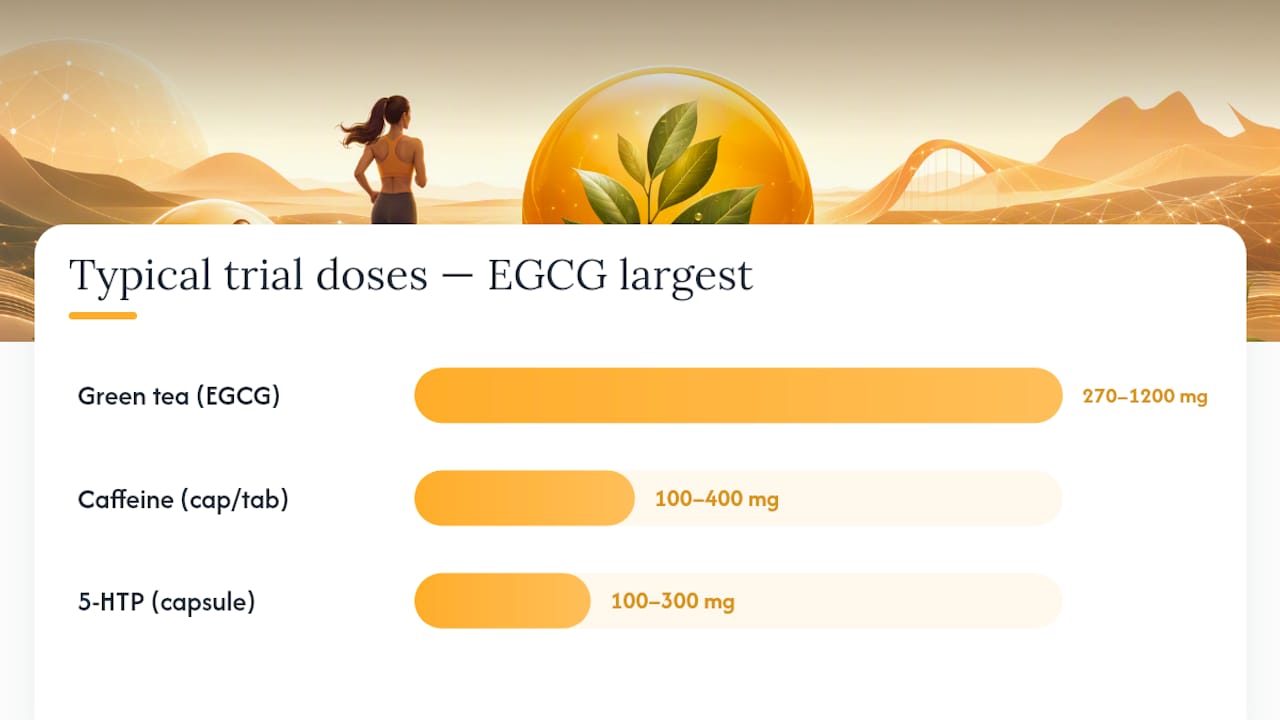
All dose ranges reflect amounts used in cited human trials, not manufacturer recommendations.
How do you choose the right supplement for your situation?
Safety and your current medication list come first. Everything else, including evidence strength and personal preference, comes second. That is not a hedge; it is the single most important filter.
Before picking a category, work through these questions:
- Are you taking any prescription medications? SSRIs, SNRIs, anticoagulants (warfarin), diabetes medications, and stimulants all have documented interactions with common appetite-suppressant ingredients.
- Are you pregnant or breastfeeding? Most herbal appetite suppressants lack safety data for pregnancy, and several have known risks.
- Do you have a history of an eating disorder, bipolar disorder, or anxiety? Serotonergic supplements (5-HTP, saffron) and stimulants (caffeine, green tea extract) can worsen these conditions.
- Are you scheduled for surgery within the next two weeks? Several herbal extracts affect bleeding time and anesthesia response.
Once you have cleared those filters, match the category to your actual gap. If your diet is already high in protein but low in fiber, a glucomannan or psyllium supplement addresses a real deficit. If you are already eating 35+ grams of fiber daily, adding more may not move the needle.
Red flags on any supplement label:
- Claims of “rapid weight loss” or “lose X pounds in Y days”
- Proprietary blends that hide individual ingredient doses
- No third-party testing seal (NSF Certified for Sport, USP, or Informed Sport)
- Ingredients listed only by a trademarked blend name with no breakdown
What to tell your clinician: Bring the full ingredient list, not just the product name. Ask specifically about interactions with your current medications, whether the dose range is appropriate for your weight and health status, and whether a prescription option (GLP-1 medications) would be more appropriate given your goals.
Pro Tip: Ask your pharmacist, not just your doctor, about supplement-drug interactions. Pharmacists are specifically trained in drug interactions and can often flag a conflict in under five minutes.
What are the safety rules and interaction alerts you need to know?
The single most important safety rule: check every ingredient against your current medications before you start. This applies even to supplements marketed as “natural” or “plant-based.”
High-priority interactions and contraindications:
- Anticoagulants (warfarin, heparin): Green tea extract, fish oil, and several herbal extracts can increase bleeding risk.
- SSRIs / SNRIs / MAOIs: 5-HTP and saffron extract carry a real serotonin syndrome risk. This is a hard stop.
- Diabetes medications (insulin, metformin, GLP-1 agonists): Fiber supplements can alter glucose absorption timing; glucomannan in particular may require medication timing adjustments.
- Stimulant medications (Adderall, Ritalin): Caffeine-containing supplements compound cardiovascular and CNS stimulation.
- Pregnancy and breastfeeding: Avoid herbal appetite suppressants; fiber supplements (psyllium, glucomannan) are generally considered safer but still warrant clinician sign-off.
- Bipolar disorder: Serotonergic supplements can destabilize mood in some people.
- Thyroid conditions: Some herbal blends contain iodine-rich seaweed or compounds that interact with thyroid function.
The AMA recommends that clinicians steer patients away from unproven supplements and prioritize evidence-based medical therapies. That guidance is worth taking seriously even if you are self-directing your supplement choices.
Practical dosing principles:
Start at the lower end of the trial dose range for the first two weeks. Watch for GI effects (bloating, cramping, loose stools) with fiber supplements, and take them with a full glass of water. Green tea extract is best taken with food to reduce nausea. Caffeine-containing products should be avoided after 2 PM if sleep is a concern. Do not stack multiple stimulant-containing supplements.
Look for NSF Certified for Sport, USP Verified, or Informed Sport seals. These programs test for label accuracy and banned substances. A product without any third-party certification is a product you cannot verify.
When should you expect to see results?
Appetite reduction tends to be the first signal, and it can appear within one to four weeks for fiber-based supplements when doses are adequate and taken consistently before meals. Measurable weight changes take longer.
A realistic timeline:
- Days 3–14: Reduced pre-meal hunger, smaller portions, less between-meal snacking (fiber and protein supplements)
- Weeks 2–6: Modest reductions in caloric intake if appetite signals are being followed; early weight changes possible
- Weeks 6–12: Measurable weight differences versus baseline, typically modest for OTC supplements
- Week 12+: If no meaningful change in appetite or weight has occurred, reassess the supplement choice, dose, and dietary context
Mayo Clinic’s guidance is clear that sustainable weight loss depends on diet, physical activity, and medical oversight when needed. Supplements can assist, but they are unlikely to replace those foundations for substantial, lasting results.
The contrast with prescription GLP-1 medications is stark. Yale Medicine’s 2026 summary documents that oral GLP-1 drugs like orforglipron produce substantially greater weight loss than anything available OTC, with effect sizes that dwarf what fiber or herbal supplements achieve. If your goal requires more than modest support, that conversation belongs with a clinician.
Realistic OTC expectations: Most people using well-supported OTC appetite suppressants alongside a calorie-aware diet see modest reductions in appetite and gradual weight changes over 8–12 weeks. Expecting dramatic results from OTC supplements alone sets you up for disappointment and, sometimes, for chasing increasingly aggressive products.
What does the 2026 research landscape actually look like?
The most significant development in 2026 is the approval of oral GLP-1 medications. Yale Medicine’s coverage of orforglipron (Foundayo) marks this as a genuine shift in what prescription-level appetite suppression can achieve. This changes the reference point for what “effective” means in weight management, and it makes the gap between OTC supplements and prescription medicine wider and more visible than ever.
For OTC supplements, the 2026 picture is more of the same: a narrative review in Nutrients published this year confirms that most popular weight-management supplements still lack robust long-term RCTs. The categories with the strongest evidence (fiber, protein, green tea + caffeine) have not changed dramatically. What has changed is the regulatory and safety environment.
The FDA’s ongoing adulteration alerts remain a live concern. Weight-loss products continue to be flagged for containing hidden prescription drugs, including sibutramine (banned in the U.S.) and undisclosed stimulants. Third-party testing is the only consumer-side defense against this.
What we still do not know: Long-term safety data for most herbal appetite suppressants beyond 12 weeks is sparse. The interaction profile between OTC supplements and the new oral GLP-1 medications has not been studied. And the optimal combination of fiber type, dose, and meal timing for maximum appetite suppression in free-living adults remains an open question.
For a broader look at which ingredients have the most consistent evidence, Fitnesshealth’s fat-burning ingredient checklist covers the evidence landscape in practical terms.
A practical 6–8 week plan for using supplements alongside diet
The safest starting point is a single, well-evidenced supplement at the low end of the trial dose range, combined with a protein-first meal structure and a simple tracking habit. Do not start multiple supplements simultaneously.
Step-by-step plan:
-
Week 0 (prep): Review your current medications with a pharmacist or clinician. Choose one supplement category based on your dietary gap (fiber if your diet is low in it; protein if you are under-eating protein). Purchase a product with a third-party testing seal. Set a baseline: record your average daily hunger (1–10 scale), typical portion sizes, and current weight.
-
Weeks 1–2 (start low): Begin at the lower end of the trial dose range. Take fiber supplements with a full glass of water 30 minutes before your largest meal. Log hunger scores before and after meals, note any GI side effects, and track weekly weight.
-
Weeks 3–4 (assess): If GI tolerance is good and appetite signals are responding, you can move toward the mid-range trial dose. If side effects persist, drop back down. Compare your week 4 hunger scores and portions to your baseline.
-
Weeks 5–6 (adjust or add): If appetite control is improving and weight is trending in the right direction, maintain the current approach. If results are flat, reassess whether the supplement is addressing a real dietary gap or whether dietary behavior needs adjustment first.
-
Weeks 7–8 (decision point): If no meaningful change in appetite or weight has occurred after eight weeks of consistent use, the supplement is likely not the right fit for your situation. Stop it, and consider a clinician consultation, particularly if your weight-loss goals are substantial.
Daily tracking template: Hunger score before breakfast (1–10), hunger score before dinner (1–10), estimated portion size (small/medium/large), any GI symptoms, weekly weight (same day, same time, same conditions).
Pro Tip: Eat protein first at every meal before adding carbohydrates. Pairing a protein-first plate with a glucomannan or psyllium supplement taken 30 minutes before the meal creates a two-stage satiety signal: the fiber expands in your stomach, and the protein activates satiety hormones. This combination is more effective than either approach alone, and it mirrors the meal structure used in the most successful fiber-supplement trials.
For practical meal and snack ideas that pair well with this approach, Fitnesshealth’s functional fitness nutrition guide has concrete examples you can use immediately.
Why an evidence-first approach is the only one worth taking
The supplement industry has a long history of selling hope ahead of data. Every few years a new compound gets marketed as a breakthrough, the clinical trials catch up, and the effect size turns out to be modest at best. Glucomannan, green tea extract, and protein are not exciting. They do not have compelling origin stories or celebrity endorsements. But they have something more useful: actual human trial data showing they do something.
The arrival of oral GLP-1 medications in 2026 sharpens this point. When a prescription drug can produce substantially greater appetite suppression and weight loss than any OTC supplement, the honest framing for supplements changes. They are not the answer for everyone. For people with significant obesity or metabolic disease, a clinician conversation about prescription options is more important than any supplement stack.
What supplements can do is fill real dietary gaps. If you are not getting enough fiber, a glucomannan or psyllium supplement addresses that gap directly. If your protein intake is low, a protein supplement raises it efficiently. Those are legitimate, evidence-supported uses. The mistake is expecting a supplement to do the work that diet, sleep, stress management, and physical activity are supposed to do.
The AMA’s position is worth sitting with: prioritize evidence-based medical therapies and clinician oversight. That is not anti-supplement. It is pro-honesty about what supplements can and cannot achieve.
Fitnesshealth stocks evidence-focused supplement categories worth considering
If you have worked through this guide and identified a dietary gap that a well-evidenced supplement could address, Fitnesshealth carries the categories that have the strongest human trial support: vetted fiber supplements (including glucomannan and psyllium-based options), protein powders, and third-party-tested green tea extracts. Every product on the site is selected with label transparency and quality checks in mind, not just marketing claims.

The difference between buying a supplement from a quality-focused retailer and grabbing the cheapest option on a marketplace is third-party testing. Fitnesshealth prioritizes products with verifiable testing, transparent ingredient dosing, and no proprietary blends that hide what you are actually taking. That matters because, as the FDA’s adulteration alerts confirm, the weight-loss supplement category has a documented contamination problem.
Browse the full range of evidence-backed weight-management supplements at Fitnesshealth and find the category that fits your dietary gap. If you are taking prescription medications or are pregnant, consult a clinician before starting any supplement.
This article provides general health information and is not a substitute for professional medical advice. Confirm current supplement-drug interactions with a qualified healthcare provider.
Sources
The most reliable starting points for independent verification are PubMed/NCBI for trial-level data, the FDA’s safety notice database for adulteration alerts, and NCCIH for government-level evidence summaries on complementary approaches.
- Top weight-loss supplements – Forbes Health
- Nutrients — narrative review on weight-management supplements
- PubMed article on glucomannan and weight loss
- PMCID article on green tea, caffeine, and weight outcomes
- NCCIH — weight control
- FDA public notification — hidden drug ingredients in weight-loss products
- Yale Medicine — GLP-1 weight-loss pills: what you need to know
- AMA — reasons to steer patients away from supplements for weight loss
- Mayo Clinic — weight loss overview