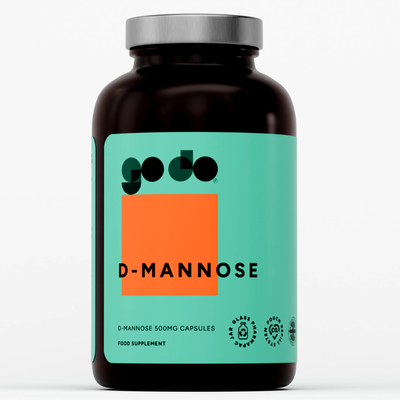
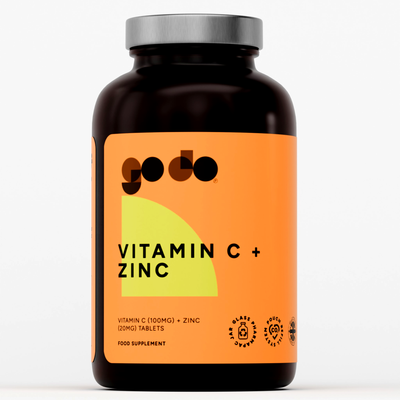
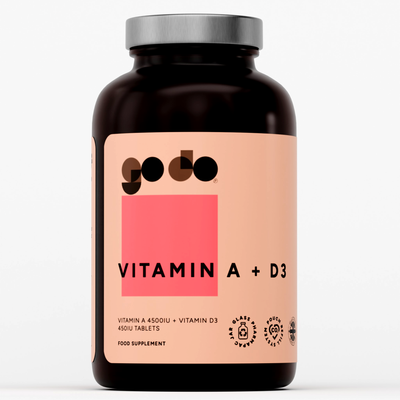
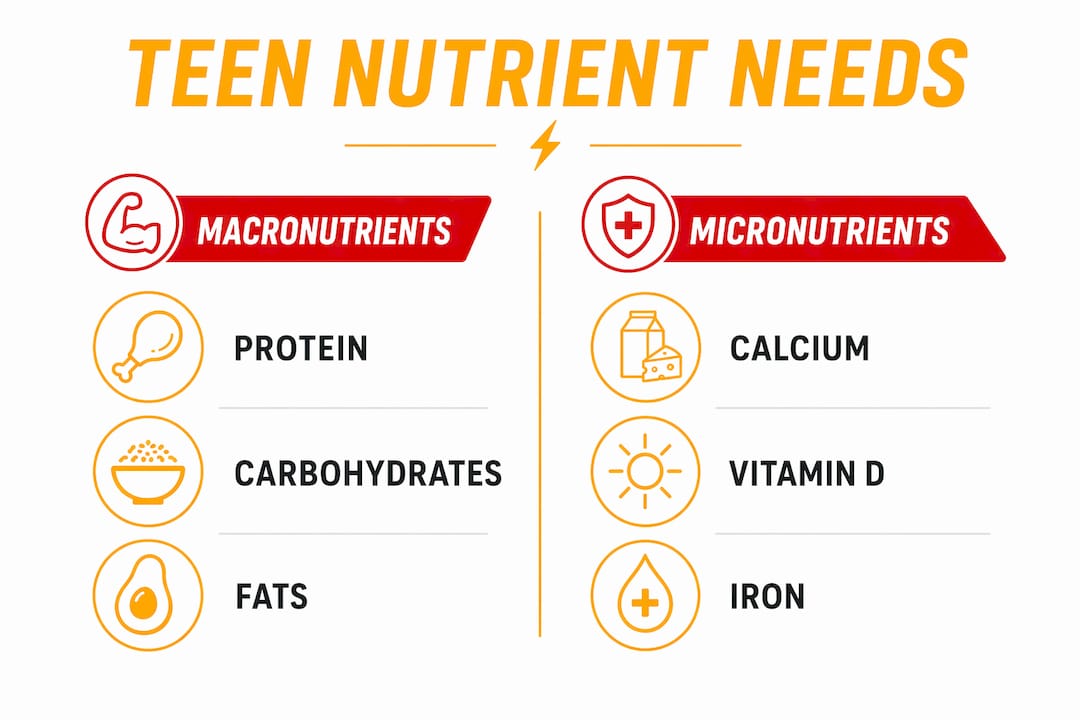
Teenagers need a specific set of nutrients to support rapid growth, hormonal development, and athletic performance: adequate energy from carbohydrates and healthy fats, protein for muscle and tissue repair, and a cluster of micronutrients including calcium, vitamin D, iron, zinc, magnesium, phosphorus, B-vitamins, vitamin C, iodine, and omega-3 DHA/EPA. The food-first principle applies here: whole foods deliver these nutrients in combinations the body uses well, and supplements are gap-fillers, not replacements.
Three things worth monitoring closely:
- Iron status in menstruating females (target: 15 mg/day for ages 14–18)
- Vitamin D levels, especially in teens with limited sun exposure
- Dietary calcium intake, since most U.S. teens fall short of the 1,300 mg/day RDA
Table of Contents
- What macronutrients do active teenagers actually need?
- Which vitamins and minerals matter most for adolescent growth?
- Who is most at risk for nutrient shortfalls?
- How do you choose safe supplements for a teenager?
- How do you monitor progress and know when supplements are working?
- A sample day of eating for an active teenager
- Key Takeaways
- Why food-first still wins, even for competitive teen athletes
- Fitnesshealth has the supplements active teens actually need
- Useful sources and further reading
What macronutrients do active teenagers actually need?
Energy needs climb sharply during adolescence. According to the Lancet Series on adolescent nutrition, adolescence accounts for roughly 20% of final adult height and about 50% of adult weight, which means caloric and macronutrient demands are genuinely elevated, not just perceived that way. For athletic teens, those demands go higher still.
Protein: the most misunderstood macronutrient for teens
Most U.S. teens already meet or exceed their protein needs from diet alone. The dietary reference intake for protein for males and females aged 14–18 is set with specific targets. Active teens doing strength or endurance training may benefit from 1.2–1.7 g/kg body weight daily, but the priority for most is food quality, not raw protein volume. Eggs, Greek yogurt, chicken, legumes, and cottage cheese cover the range without a protein powder in sight.

Carbohydrates and fats
Carbohydrates should make up roughly 45–65% of total calories for teens, per DRI guidelines. Complex sources like oats, sweet potatoes, brown rice, and whole-grain bread sustain energy through training and support glycogen recovery. Fats should primarily come from unsaturated sources, and saturated fat intake should be limited. Omega-3 DHA and EPA from fatty fish (salmon, sardines, mackerel) support brain development and reduce exercise-related inflammation. Teens who rarely eat fish are prime candidates for an omega-3 supplement.
Hydration and the energy drink problem
Active teens need an adequate amount of total water daily, including fluids from food. Before training, 16–20 oz of water 2 hours prior is a practical target; during, 6–8 oz every 15–20 minutes; after, replace losses by weight. Energy drinks are a different story. They deliver caffeine, sugar, and stimulants that interfere with sleep, spike cortisol, and displace nutrient-dense calories. For adolescents, they offer no performance benefit that water and a banana cannot match.
Pro Tip: A simple rule for teen athletes: if the drink has more than 5 ingredients or contains caffeine, it does not belong in a training bag.
Which vitamins and minerals matter most for adolescent growth?
The micronutrient picture for teens is more complex than most adults realize. The Proceedings of the Nutrition Society reports that Western adolescent populations consistently fall short across multiple micronutrients, with real consequences for immunity, bone density, cognitive function, and growth.
| Nutrient | Primary role in teens | RDA/AI (ages 14–18) | Top food sources |
|---|---|---|---|
| Calcium | Bone and teeth mineralization | 1,300 mg/day | Dairy, fortified plant milk, sardines, kale |
| Vitamin D | Calcium absorption, immune function | 600 IU (15 µg)/day | Fatty fish, fortified milk, sunlight |
| Iron | Oxygen transport, energy metabolism | 15 mg/day (female ages 14–18) | Red meat, lentils, fortified cereal, spinach |
| Zinc | Growth, immune defense, wound repair | — | Beef, pumpkin seeds, chickpeas, cashews |
| Magnesium | Muscle function, bone structure | — | Almonds, black beans, whole grains, leafy greens |
| Phosphorus | Bone formation, energy production | 1,300 mg/day | Meat, dairy, eggs, legumes |
| Vitamin C | Collagen synthesis, iron absorption | — | Bell peppers, citrus, strawberries, broccoli |
| B-vitamins (B6, B12, folate) | Energy metabolism, red blood cell production | Varies by B-vitamin | Whole grains, meat, eggs, leafy greens |
| Iodine | Thyroid hormone synthesis | — | Iodized salt, seafood, dairy |
| Vitamin A | Vision, immune response, cell growth | — | Liver, sweet potato, carrots, eggs |
| Omega-3 DHA/EPA | Brain development, inflammation control | — | Salmon, mackerel, sardines, walnuts |
The bone-health window you cannot reopen
Adolescence is the single most important period for building peak bone mass. The Proceedings of the Nutrition Society frames this directly: calcium, vitamin D, magnesium, and phosphorus must be adequate during the teen years to optimize skeletal density and reduce fracture risk decades later. You can build strong bones in adulthood, but the foundation is poured between ages 10 and 20. Miss that window and no amount of supplementation later fully compensates.
Iron deserves a separate note for female teens. Menstruation increases iron losses significantly, and the recommended target of 15 mg/day for females aged 14–18 reflects that reality. Lean red meat, lentils, and fortified cereals are the most practical food sources; pairing them with vitamin C improves absorption meaningfully.
Who is most at risk for nutrient shortfalls?
Not every teen faces the same gaps. HealthyChildren.org notes that skipping breakfast and heavy reliance on processed foods are among the most common patterns driving deficiencies, particularly for iron, zinc, calcium, and vitamin D.
The groups most likely to fall short:
- Menstruating females: iron and calcium losses make deficiency a real risk without targeted intake
- Vegetarian and vegan teens: iron, zinc, B12, omega-3 DHA/EPA, and calcium all require deliberate planning; plant-based nutrient strategies matter here
- Picky eaters: narrow food variety almost always means micronutrient gaps
- Weight-class or calorie-restricted athletes: low energy availability suppresses hormones and bone accrual
- High-volume endurance athletes: sweat losses increase magnesium and iron needs
- Teens with limited sun exposure: vitamin D synthesis drops sharply indoors or in northern latitudes
Red flags that warrant professional review: persistent fatigue, poor recovery between training sessions, delayed growth, frequent illness, stress fractures, or low energy availability signs (irritability, irregular periods, performance decline).
Before supplementing with high-dose iron or vitamin D, get a blood test first. A CBC with ferritin and a serum 25(OH)D draw takes minutes and prevents the real risk of over-supplementing iron, which is toxic in excess. Clinical testing is not optional for symptomatic teens.
Pro Tip: A two-week food log combined with monthly weight and performance tracking gives parents and coaches a concrete picture of where intake is falling short, without guesswork.
How do you choose safe supplements for a teenager?
The Linus Pauling Institute recommends a daily multivitamin/mineral providing approximately 100% of the daily value for most vitamins and minerals as a practical gap-filler for teens aged 14–18. That is the starting point, not a ceiling. One important caveat: avoid multivitamins with high preformed vitamin A (retinol), which can accumulate and cause toxicity at doses above the Tolerable Upper Intake Level.
Checklist for choosing a teen-appropriate supplement:
- Third-party tested: look for USP, NSF International, or Informed Sport certification
- Age-appropriate dosing: adult formulas often exceed safe limits for teens
- No proprietary blends: full ingredient transparency is non-negotiable
- Zero stimulants: caffeine, synephrine, and similar compounds have no place in teen supplements
- Clear label: serving size, ingredient amounts, and allergens all visible
Targeted supplements that may genuinely be needed:
- Vitamin D: 600–1,000 IU daily when diet and sun exposure are insufficient, consistent with Endocrine Society and Linus Pauling Institute guidance
- Iron: only after a confirmed blood test showing deficiency; never supplement iron speculatively
- Calcium/magnesium: most multivitamins supply only a fraction of the 1,300 mg calcium RDA, so a targeted supplement is often needed if dairy intake is low
- Omega-3 (DHA/EPA): relevant for teens who rarely eat fatty fish; look for a product with at least 250–500 mg combined DHA/EPA per serving
Adult high-dose sports formulas, pre-workout products, and energy drinks are not appropriate for adolescents. The sports supplement protocols designed for adult athletes carry dosing assumptions that do not translate safely to a 15-year-old’s physiology.
How do you monitor progress and know when supplements are working?
Recommended baseline and follow-up tests for teens on dietary interventions or supplements:
- CBC with ferritin: catches iron deficiency before it becomes anemia
- Serum 25(OH)D: the only reliable way to assess vitamin D status
- Basic metabolic panel: relevant when supplementing minerals long-term
- Bone density referral: indicated for teens with stress fractures, low energy availability, or a history of eating disorders
Safe upper limits matter. Exceeding Tolerable Upper Intake Levels without clinician oversight carries real risk, particularly for fat-soluble vitamins (A, D, E, K) and iron. The rule is simple: more is not better, and a blood test is cheaper than treating toxicity.
Timeline expectations:
- Iron repletion after confirmed deficiency: several weeks to months
- Vitamin D status improvement: typically weeks with consistent supplementation
- Bone density gains: months to years of consistent calcium, vitamin D, and weight-bearing exercise
- Performance and recovery improvements from optimized energy and hydration: often noticeable within days to weeks
Monitoring checklist for parents and coaches: symptom log updated weekly, lab work every 3–6 months during active growth spurts, training load adjusted when recovery markers decline, and a full dietary reassessment every 3 months.
A sample day of eating for an active teenager
This one-day plan covers the major nutrient targets through food, with supplement notes where gaps commonly appear.
Breakfast: Greek yogurt (1 cup) with mixed berries and a handful of granola. Calcium, protein, B-vitamins, vitamin C, and probiotics in one bowl.
Mid-morning snack: Apple with almond butter. Magnesium, healthy fats, fiber.
Lunch: Whole-grain wrap with grilled chicken, spinach, roasted red peppers, and hummus. Iron, zinc, vitamin C, folate, complex carbohydrates.
Pre-training snack (1 hour before): Banana with a small handful of trail mix. Fast-acting carbohydrates, magnesium, potassium.
Post-training recovery meal: Salmon fillet with brown rice and steamed broccoli. Omega-3 DHA/EPA, vitamin D, phosphorus, B12, vitamin C.
Dinner: Lentil soup with whole-grain bread and a side salad with olive oil dressing. Iron, folate, fiber, healthy fats.
Optional evening snack: Warm milk or fortified oat milk with a small handful of walnuts. Calcium, vitamin D (if fortified), omega-3 ALA.
Dairy-free swap: Replace Greek yogurt with fortified coconut or soy yogurt; use fortified oat milk in place of cow’s milk. Vegetarian swap: Replace salmon with pan-seared tofu and flaxseed oil dressing for omega-3s. For whole-food inspiration beyond these basics, eating for optimal health offers practical meal ideas that translate well to active teens.
Where supplements fit: A daily teen multivitamin covers B-vitamin and trace mineral gaps. Add vitamin D (600–1,000 IU) if sun exposure is limited. If dairy is avoided, a calcium/magnesium supplement fills what the multivitamin misses. Omega-3 capsules (DHA/EPA) make sense when fatty fish appears fewer than twice a week.
Pro Tip: Batch-cook brown rice and lentils on Sunday. A teen who has ready-to-eat whole foods in the fridge is far less likely to reach for processed snacks before training.
Key Takeaways
Teenagers need a food-first diet rich in calcium, vitamin D, iron, zinc, magnesium, and omega-3s, with a daily multivitamin as a practical gap-filler and targeted supplements only where blood tests confirm deficiency.
| Point | Details |
|---|---|
| Calcium and vitamin D are non-negotiable | The RDA is 1,300 mg calcium and 600 IU vitamin D daily; most U.S. teens fall short of both. |
| Iron is critical for menstruating females | The recommended target is 15 mg/day for females aged 14–18, with supplement use guided by blood test confirmation. |
| Multivitamin as a gap-filler | The Linus Pauling Institute recommends a daily multivitamin/mineral for ages 14–18; it rarely covers calcium or magnesium fully. |
| Test before high-dose supplementation | A CBC with ferritin and serum 25(OH)D test guides safe dosing and prevents toxicity. |
| Fitnesshealth for vetted supplements | Fitnesshealth carries third-party-tested multivitamins, vitamin D, omega-3s, and mineral supplements appropriate for active teens. |
Why food-first still wins, even for competitive teen athletes
The conversation around teen nutrition in athletic circles tends to jump straight to supplements, which is understandable. Parents and coaches want to do everything right. But the research from Dr. Shane A. Norris and colleagues, published in the Lancet Series, makes a point worth sitting with: adolescent nutrition shapes puberty timing, cardiorespiratory fitness, and neurodevelopment simultaneously. That is not a short-term performance equation. It is a decades-long investment.
The Linus Pauling Institute’s recommendation for a daily multivitamin is pragmatic, not a concession that food does not matter. It acknowledges that real teens eat real diets with real gaps, and a well-chosen multivitamin closes those gaps without replacing the food-first foundation. What it does not do is substitute for the calcium and magnesium a teen needs, which is why targeted supplementation for those minerals often makes sense alongside a multivitamin.
The instinct to reach for adult-strength sports formulas for a 14-year-old is one I see often in fitness communities, and it is worth pushing back on directly. Adolescent physiology is not simply a scaled-down adult physiology. Dosing thresholds differ, and the consequences of exceeding Tolerable Upper Intake Levels are more serious during active growth. Measured, age-appropriate supplementation guided by testing is the approach that actually serves athletic teens well, both now and twenty years from now.
Fitnesshealth has the supplements active teens actually need
Getting the nutrient foundation right for an active teenager does not require a complicated stack. It requires quality products dosed appropriately for age, tested by a third party, and free of stimulants.

Fitnesshealth carries a curated range of third-party-tested supplements that match the guidance in this article: daily multivitamins formulated for teens and young adults, vitamin D at 600–1,000 IU, omega-3 products with meaningful DHA/EPA per serving, and calcium/magnesium combinations for teens whose diet falls short. Every product on the site is selected with ingredient transparency and clean dosing in mind, no proprietary blends, no hidden stimulants. Browse the full range at Fitnesshealth and use the educational guides alongside each product to match the right supplement to the right gap. If you are supporting an athlete in training, the minerals for gym performance guide is a practical next read.
Useful sources and further reading
The claims in this article draw from the following authoritative sources. Each is worth reading directly if you are making clinical or coaching decisions for a teen.
- Linus Pauling Institute — Adolescents: primary source for multivitamin recommendations, RDA/AI values, and vitamin D supplementation guidance for ages 14–18
- Proceedings of the Nutrition Society — Optimal growth and development in teenagers: evidence base for micronutrient shortfalls in Western adolescent populations and the bone-health window
- Lancet Series / UC Davis — Nutrition in adolescent growth and development: Dr. Shane A. Norris and colleagues on adolescence as a nutrition-sensitive phase affecting multiple physiological systems
- NCBI Bookshelf — Dietary Reference Intakes for Ages 4–18: official DRI tables for macronutrients and micronutrients used throughout this article
- HealthyChildren.org — A Teenager’s Nutritional Needs: practical guidance on common dietary patterns and shortfalls in U.S. teens
- AboutKidsHealth — Healthy eating for teens: source for the 15 mg/day iron target for adolescent females and behavioral patterns affecting nutrient intake
- PMC — Essential micronutrients in children and adolescents: narrative review covering iron, zinc, vitamin A, vitamin D, iodine, and folate in pediatric populations
A note on personalized guidance: this article provides general nutrition information for educational purposes, not medical advice. For lab testing, clinical diagnosis, or a personalized supplement plan, consult a pediatrician or registered sports dietitian who can assess your teen’s individual status.
Recommended
- Why Plant-Based Nutrients Matter for Athletic Performance – Fitness Health
- Minerals That Boost Gym Performance: Your Athlete’s Guide – Fitness Health
- Peak Performance Nutrition: Your Complete Athlete’s Guide – Fitness Health
- Performance supplements for competition: top choices for serious athle – Fitness Health