

Peak performance nutrition is defined as the deliberate, timed manipulation of macronutrients, micronutrients, and hydration to maximize athletic output and accelerate recovery. Unlike general healthy eating, this approach treats food as a training variable. The 4Ps framework, which stands for Personalize, Periodize, Prefuel, and Prepare, gives athletes a structured method to align nutrition with training demands. Fitnesshealth supports this approach through evidence-based supplements and educational resources designed for serious athletes and active individuals.
What is peak performance nutrition and how does it work?
Peak performance nutrition is the science of matching what you eat to what your body demands at each stage of training. General healthy eating follows broad dietary guidelines. Performance nutrition goes further by adjusting macronutrient ratios, meal timing, and hydration based on training load, competition schedule, and individual physiology.
Nutrition and training adaptations are directly linked. Nutrient availability affects the cellular processes that drive gains in endurance and strength. Without the right fuel at the right time, training stress produces less adaptation.
The core principles break down into four areas:
- Macronutrient targeting. Carbohydrates fuel high-intensity work. Protein repairs and builds muscle. Fat supports hormonal function and lower-intensity aerobic output.
- Micronutrient sufficiency. Iron, vitamin D, zinc, and magnesium each play specific roles in energy production and immune function.
- Hydration management. Fluid loss beyond 2% of body mass measurably impairs performance and thermoregulation.
- Nutrient timing. When you eat matters as much as what you eat, especially around training sessions and competition.
Pro Tip: Track your training load weekly. On high-volume days, increase carbohydrate intake. On rest days, reduce carbs and keep protein steady. This single adjustment prevents both underfueling and unnecessary calorie surplus.
How should athletes personalize and periodize their nutrition?
Performance nutrition requires periodization aligned with macro, meso, and microcycles. A macrocycle covers an entire season. A mesocycle covers a training block of several weeks. A microcycle covers a single week. Nutrition shifts at each level to match the physical demand.

Personalization goes beyond sport type. Body weight, training history, gut tolerance, and performance goals all shape the right approach. A 75 kg endurance runner preparing for a marathon needs a different carbohydrate strategy than a 90 kg strength athlete in an off-season hypertrophy block.
Key adjustments by training phase:
- Base phase (low intensity, high volume). Moderate carbohydrates, higher fat, consistent protein.
- Build phase (high intensity, high volume). Elevated carbohydrates to fuel harder sessions and support glycogen replenishment.
- Competition phase. Carbohydrate loading, precise meal timing, and reduced fiber intake to minimize gastrointestinal risk.
- Recovery phase. Reduced overall calories, maintained protein, focus on micronutrient replenishment.
Micronutrient deficiencies like iron and vitamin D silently limit performance by causing fatigue that athletes often attribute to overtraining. Addressing these gaps through food first, and targeted supplementation second, restores energy and endurance.
| Nutrient | Primary role | Performance impact |
|---|---|---|
| Iron | Oxygen transport | Low iron causes fatigue and reduced VO2 max |
| Vitamin D | Muscle function, immunity | Deficiency linked to increased injury risk |
| Zinc | Protein synthesis, recovery | Supports muscle repair and immune defense |
| Magnesium | Energy metabolism | Deficiency impairs sleep and muscle contraction |
What should athletes eat before competition?
Pre-competition nutrition has one job: deliver sustained energy without causing gastrointestinal distress. Choosing low-fiber, high-carb, easily digestible foods before an event reduces the risk of stomach cramps, bloating, and energy crashes mid-competition.
Practical pre-event guidelines:
- Eat a carbohydrate-rich meal 3–4 hours before competition. White rice, pasta, or bread with a lean protein source works well for most athletes.
- Avoid high-fat and high-fiber foods within 2 hours of the start. Both slow gastric emptying and increase GI distress risk.
- Drink approximately 7 ml per kg of body weight 2–3 hours before the event. This pre-loads fluid stores without causing discomfort.
- Consume 4 oz of fluid every 15–20 minutes during exercise to maintain hydration and thermoregulation.
There is no universal pre-competition breakfast that works for every athlete. What matters is testing your fueling strategy during training, not on race day. Athletes who trial their pre-event meals in practice arrive at competition knowing exactly what their gut tolerates.
Pro Tip: Build a personal “race day food list” during training. Log what you ate, when you ate it, and how your stomach felt during the session. Three to four trials gives you reliable data before the event that counts.
How does nutrition support muscle recovery after exercise?
Recovery nutrition is where training gains are either locked in or lost. The body’s window for muscle protein synthesis is most active immediately after exercise. Consuming protein right after training accelerates repair and reduces muscle breakdown.
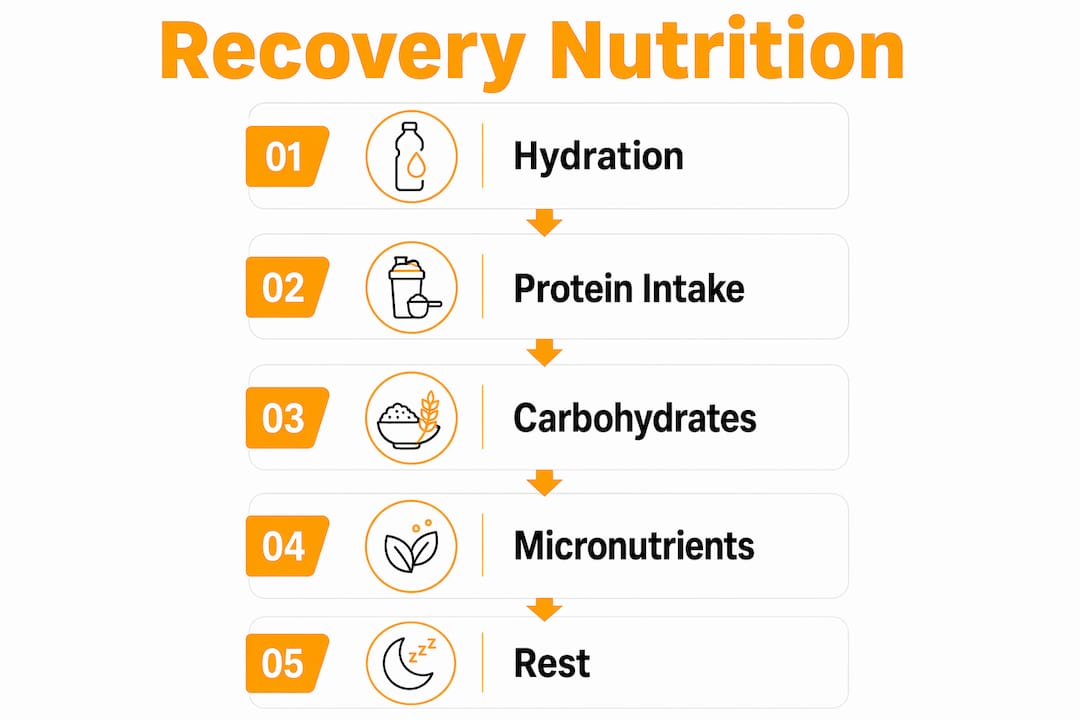
Athletes should target 1.6–2.2g of protein per kg of body weight daily to maximize muscle protein synthesis. For a 75 kg athlete, that means 120–165g of protein per day. Spreading intake across 4–5 meals produces better results than front-loading protein at dinner.
Recovery nutrition follows a clear sequence:
- Consume protein within 30–60 minutes post-training. Whey protein, eggs, or Greek yogurt all deliver fast-absorbing amino acids. Learn more about protein synthesis and muscle repair to understand the biological process.
- Replenish glycogen with carbohydrates. A 3:1 or 4:1 carbohydrate-to-protein ratio accelerates glycogen restoration after long or intense sessions.
- Rehydrate fully. Weigh yourself before and after training. Drink 16–24 oz of fluid for every pound lost.
- Address micronutrient gaps. Zinc and magnesium support overnight recovery and sleep quality. Fitnesshealth covers the specifics of zinc’s role in athletic recovery in detail.
Supplements provide minimal benefit when foundational nutrition and hydration are inconsistent. Establishing regular meal timing and hitting daily macronutrient targets produces more reliable gains than any ergogenic aid used on top of a poor diet.
Key Takeaways
Peak performance nutrition requires personalized, periodized nutrient timing across all training phases to produce consistent gains in performance, recovery, and competition readiness.
| Point | Details |
|---|---|
| Periodize your nutrition | Adjust carbohydrates and calories to match each training phase, not just your sport. |
| Hit your protein target | Consume 1.6–2.2g of protein per kg of body weight daily, spread across 4–5 meals. |
| Hydrate before you’re thirsty | Drink 7 ml per kg of body weight 2–3 hours before competition to pre-load fluid stores. |
| Test pre-event meals in training | Trial your race day food choices during practice to avoid GI distress on competition day. |
| Fix micronutrient gaps first | Iron, vitamin D, and zinc deficiencies cause fatigue that no supplement stack can override. |
Why most athletes are leaving performance on the table
Most athletes I work with eat the same way on a hard interval day as they do on a rest day. That single habit costs more than any missed workout. Nutrition that does not shift with training load either underfuels hard sessions or overfuels easy ones. Both outcomes slow adaptation.
The athletes who improve fastest are not the ones with the most expensive supplement stacks. They are the ones who plan their meals the same way they plan their training. They know what they will eat before a hard session, what they will consume within an hour after it, and how they will adjust on a recovery day.
Micronutrient deficiencies are the hidden performance thief I see most often. An athlete who feels chronically tired, gets sick frequently, or stalls in training despite consistent effort often has a correctable iron or vitamin D gap. Micronutrient deficiencies can masquerade as fatigue, and fixing them can restore energy levels that no amount of extra sleep or rest days will recover.
My advice is simple. Build consistency in your daily food intake before you add anything else. Get your protein, carbohydrates, and hydration right across the week. Then layer in timing, periodization, and targeted supplementation. That sequence works. Reversing it wastes time and money.
— Rene
How Fitnesshealth supports your performance nutrition goals
Fitnesshealth brings together evidence-based supplements and practical nutrition resources built specifically for athletes and active individuals who take their training seriously.

Whether you are fine-tuning your recovery nutrition timing or building a supplement protocol that supports your training cycle, Fitnesshealth has the products and guides to back it up. The platform offers targeted formulas for recovery, endurance, and micronutrient support, all grounded in the same periodization principles covered in this article. Athletes who want a full overview of programs, supplements, and equipment can find everything in one place. Consistent nutrition paired with quality supplementation is where real performance gains compound over time.
FAQ
What is peak performance nutrition in simple terms?
Peak performance nutrition is the practice of eating specific foods, in specific amounts, at specific times to fuel training and speed up recovery. It goes beyond general healthy eating by matching nutrient intake to training demands.
How much protein do athletes need for recovery?
Athletes need 1.6–2.2g of protein per kg of body weight daily. Consuming protein within 30–60 minutes after training produces the strongest muscle repair response.
What should I eat before a competition?
Eat a high-carbohydrate, low-fiber, easily digestible meal 3–4 hours before your event. Test your pre-event meals during training to confirm your gut tolerates them before race day.
Why do micronutrients matter for athletic performance?
Iron, vitamin D, and zinc deficiencies cause fatigue, reduced endurance, and slower recovery. These gaps are often mistaken for overtraining and go unaddressed for months.
Are supplements necessary for peak performance?
Supplements are secondary to consistent daily nutrition. Athletes who nail their macronutrient targets, meal timing, and hydration get more from supplementation than those who use supplements to compensate for a poor diet.
Recommended
- Sports-Specific Supplement Protocol: 2026 Athlete Guide – Fitness Health
- Why Probiotics Benefit Competitive Athletes: 2026 Guide – Fitness Health
- Performance supplements for competition: top choices for serious athle – Fitness Health
- Best Supplements for Endurance: Top Picks for Athletes – Fitness Health










