The best supplements for endurance are defined as compounds with consistent, research-backed evidence for improving stamina, delaying fatigue, and supporting recovery in trained athletes. Caffeine, creatine, nitrates, beta-alanine, and electrolytes lead every credible ranking in 2026. Performance gains from these compounds are typically modest but reliable, and that consistency is exactly what separates them from the crowded field of overhyped products. Your baseline nutrition, training load, and individual biology all shape how much benefit you actually get.
1. What are the best supplements for endurance athletes?
The five most evidence-backed endurance training supplements are caffeine, creatine, dietary nitrates, beta-alanine, and electrolytes. Each targets a different physiological pathway, which is why combining them produces better results than relying on any single compound. Performance gains from each are typically in the 2–3% range per compound. That sounds small, but stacked across a race or a training block, those margins add up fast.
2. Caffeine: the most proven performance booster
Caffeine delivers a consistent 3% performance improvement across more than 100 trials in trained endurance athletes. That makes it the single most reliable compound in any endurance supplement stack. The mechanism is straightforward: caffeine blocks adenosine receptors, reducing perceived effort and delaying fatigue signals to the brain.
Dosing matters. The effective range is 3–6 mg per kilogram of body weight, taken 30–60 minutes before exercise. A 70 kg runner, for example, needs roughly 210–420 mg pre-race. Caffeine tolerance builds quickly, so cycling off for 7–10 days before a key event restores full sensitivity.
Pro Tip: Take caffeine with a small amount of carbohydrate pre-race. The combination improves both absorption speed and glycogen sparing during long efforts.
3. Creatine: not just for strength athletes
Creatine supports endurance performance through three distinct mechanisms: improved glycogen storage, faster recovery between hard sessions, and better output during high-intensity surges like race finishes. Creatine at 3–5g daily is the standard protocol for endurance athletes. It is one of the most studied supplements in sports nutrition, and its benefits extend beyond the gym.

One underappreciated benefit is cognitive support under fatigue. Creatine helps maintain mental sharpness during the later stages of long events, where decision-making and pacing judgment deteriorate. One practical caution: creatine causes a 1–2 kg water weight increase that may matter in weight-sensitive sports like climbing or lightweight rowing. Test it well before your competition season.
4. Nitrates (beetroot juice): oxygen efficiency in a bottle
Dietary nitrates, most commonly consumed as beetroot juice, improve VO₂ max and time to exhaustion by approximately 2–3% through vasodilation and improved oxygen delivery to working muscles. The standard protocol is 500 mL of beetroot juice taken 2–3 hours before exercise. This is one of the most practical natural energy supplements available because it requires no loading phase.
The catch is a significant non-responder rate. Roughly 30% of athletes see no measurable benefit from nitrate supplementation. Response correlates with baseline vegetable intake: athletes who already eat high volumes of leafy greens have more saturated nitric oxide pathways and gain less from supplementation. If you eat a vegetable-poor diet, nitrates are likely to work well for you.
5. Beta-alanine: the acid buffer for hard efforts
Beta-alanine buffers muscle acidity during high-intensity efforts lasting 30 seconds to 10 minutes, improving performance by 2–3% in that window. It works by increasing muscle carnosine levels, which neutralize the hydrogen ions that cause the burning sensation and force you to slow down. This makes it especially valuable for events with repeated surges, like criterium cycling or track running.
Effective dosing requires consistency. Split doses of 3–6g daily over several weeks are needed to fully saturate muscle carnosine. The common side effect is a harmless tingling sensation called paresthesia, which fades as your body adapts. Splitting doses into smaller amounts throughout the day reduces this effect significantly.
6. Electrolytes: the most overlooked endurance supplement
Electrolytes are the most underrated category among top endurance boosters. Sodium, magnesium, and potassium maintain fluid balance, nerve signaling, and muscle contraction during prolonged exercise. Sodium replacement of 500–1,000 mg per hour is the standard recommendation in hot climates or during efforts exceeding 90 minutes. Neglecting sodium in particular creates a dangerous sodium imbalance in the blood, which impairs performance and can become a medical emergency.
Sweat rate and sweat sodium concentration vary significantly between athletes. A salty sweater doing a summer marathon needs a very different electrolyte strategy than a low-sweat cyclist in cool conditions. Testing your own sweat rate during training gives you the data to dial in your protocol before race day.
7. How to stack endurance supplements effectively
Stacking caffeine, creatine, nitrates, and beta-alanine targets four separate physiological pathways simultaneously. That combination covers energy availability, oxygen delivery, acid buffering, and recovery without redundancy. A well-designed supplement stack follows a clear sequence.
- Build your foundation first: protein, iron, magnesium, and vitamin D.
- Add creatine and beta-alanine as daily baseline supplements.
- Introduce nitrates 2–3 weeks before a target event to assess your response.
- Add caffeine as a race-day or key session tool, not a daily habit.
- Adjust electrolyte intake based on session duration, climate, and sweat rate.
Assess your response over 4–8 weeks before adding or removing anything. Foundational nutrition must be solid before advanced stacks deliver their full effect. Expensive multi-ingredient products rarely outperform this simple, sequenced approach.
Pro Tip: Non-stimulant supplements like creatine, beta-alanine, and nitrates complement caffeine without adding stress to your central nervous system. Use them as your daily base and reserve caffeine for when it counts.
8. Individual factors that affect supplement response
Personal variability is real and significant. The 30% non-responder rate for nitrates is the clearest example, but beta-alanine response also varies based on muscle fiber composition and baseline carnosine levels. Baseline nutrition status shapes how much any supplement can move the needle.
Several situational supplements are worth knowing:
- Sodium bicarbonate: Effective for repeated sprint events and high-intensity intervals. It buffers blood acidity rather than muscle acidity, complementing beta-alanine. Gut tolerance is the main limiting factor.
- Tart cherry juice: Reduces muscle soreness and accelerates recovery through natural polyphenols. Best used in the 48 hours before and after hard efforts.
- Vitamin D: Deficiency directly impairs muscle function and immune resilience. Athletes training indoors or in low-sunlight climates should test and correct levels.
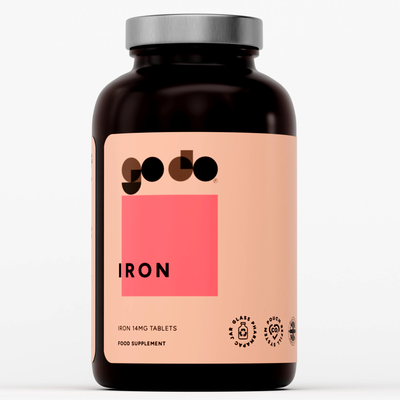
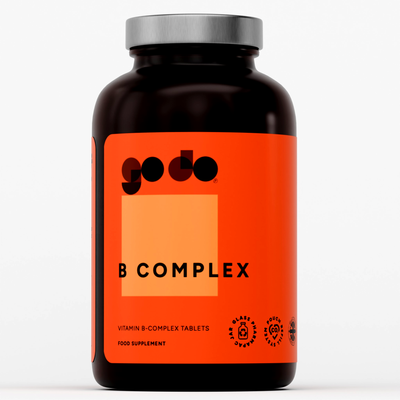
- B-complex vitamins and iron: Both are critical for energy metabolism and oxygen transport. Iron deficiency is common in female endurance athletes and dramatically limits performance even before anemia develops.
9. Best intra-workout and recovery supplements
Intra-workout nutrition is where many endurance athletes leave performance on the table. Carbohydrates remain the primary fuel source for efforts above 70% of maximum effort, and the form of carbohydrate matters. Cyclic dextrin empties from the stomach faster than simple sugars and causes less gut distress during high-intensity efforts. Isomaltulose provides a slower, more sustained energy release suited to longer, steadier efforts.
| Supplement | Primary Role | Best Timing |
|---|---|---|
| Cyclic dextrin | Sustained energy, low gut distress | During exercise |
| Electrolytes | Hydration, nerve function | During and after exercise |
| Tart cherry juice | Reduced soreness, faster recovery | 48 hours pre and post effort |
| Creatine | Recovery, glycogen support | Daily, post-exercise |
| Probiotics | Gut health, immune support | Daily with food |
Recovery supplements matter as much as pre-workout choices. Creatine and beta-alanine both support muscle repair and prepare you for the next hard session. Probiotics and micronutrients protect gut health and immune function, which are frequently compromised in high-volume training blocks.
Key takeaways
The most effective approach to endurance supplementation combines caffeine, creatine, nitrates, beta-alanine, and electrolytes, each targeting a distinct physiological pathway, with individual testing over 4–8 weeks to confirm response.
| Point | Details |
|---|---|
| Caffeine leads the evidence | A consistent 3% performance gain makes caffeine the most reliable single supplement for endurance. |
| Creatine benefits endurance too | Daily creatine at 3–5g supports glycogen storage, recovery, and high-intensity surges. |
| Test nitrate response individually | Roughly 30% of athletes do not respond to beetroot juice; baseline diet predicts response. |
| Stack in sequence, not all at once | Build from foundational nutrition before adding advanced compounds like nitrates or sodium bicarbonate. |
| Intra-workout carbs matter | Cyclic dextrin reduces gut distress and sustains energy better than simple sugars during long efforts. |
What I actually tell athletes about supplements
Most athletes I work with arrive with a supplement drawer full of products they bought before fixing their diet. That is the wrong order. A creatine protocol built on top of chronic iron deficiency or inadequate protein does almost nothing. The supplements covered here work best when your food intake is already solid.
The other mistake I see constantly is treating caffeine as a daily crutch rather than a performance tool. When you drink coffee every morning and then add a pre-workout on top, you have already spent your caffeine sensitivity before the race starts. Cycling off for 10 days before a target event feels uncomfortable, but the performance difference on race day is real.
My honest recommendation: start with creatine and electrolytes as your daily foundation. Add beta-alanine if your events involve repeated hard efforts. Use nitrates in the 2–3 weeks before a key race and track whether your times actually improve. Save caffeine for the moments that count. That stack costs less than most single-ingredient “performance” products on the market, and the evidence behind it is stronger than almost anything else you will find.
— Rene
Take your endurance training further with Fitnesshealth
Fitnesshealth offers a full range of science-backed supplements and training programs built specifically for athletes who want to perform at their best. Whether you are preparing for your first marathon or targeting a personal record, the right supplement stack makes a measurable difference when the foundation is right.

From creatine and electrolytes to recovery formulas and performance supplements for competition, Fitnesshealth carries products matched to every phase of your training cycle. The site also provides detailed guides to help you build a protocol that fits your sport, your schedule, and your biology. Visit Fitnesshealth to find the stack that works for you.
FAQ
What is the single best supplement for endurance?
Caffeine is the most consistently effective endurance supplement, delivering a reliable 3% performance improvement across more than 100 trials in trained athletes.
How long does beta-alanine take to work?
Beta-alanine requires several weeks of consistent daily dosing at 3–6g to fully saturate muscle carnosine levels and produce measurable performance benefits.
Does creatine help with long-distance running?
Creatine supports endurance running through improved glycogen storage, faster recovery between sessions, and stronger output during finishing kicks or race surges.
Why does beetroot juice not work for some athletes?
Roughly 30% of athletes are non-responders to nitrates. The effect is smaller in athletes who already consume high volumes of vegetables, as their nitric oxide pathways are already well-saturated.
What are the best intra-workout supplements for endurance?
Cyclic dextrin and electrolytes are the top intra-workout supplements for endurance. Cyclic dextrin provides sustained energy with low gut distress, while electrolytes maintain hydration and nerve function throughout long efforts.