A sports-specific supplement protocol is a targeted regimen of supplements designed to enhance athletic performance, recovery, and nutrition based on individual sport demands and physiology. Generic supplement stacks ignore the fact that a marathon runner and a combat athlete have almost nothing in common nutritionally. The most effective athlete nutrition plan starts with evidence-based staples like creatine monohydrate, caffeine, and beta-alanine, then layers in sport-specific adjustments based on lab testing and training phase. This guide gives you the exact dosing, timing, and personalization strategies to build a protocol that actually fits your sport.
What are the foundational supplements for athletes?
Creatine monohydrate is the most research-supported performance enhancement supplement available. It improves repeated sprint ability by 5–15%, which directly supports late-match performance in team sports and combat athletes. You can reach full saturation with a 3–5g daily maintenance dose over 3–4 weeks, or accelerate that with a loading phase of 20g per day for 7 days. Both approaches work. The loading phase just gets you there faster.
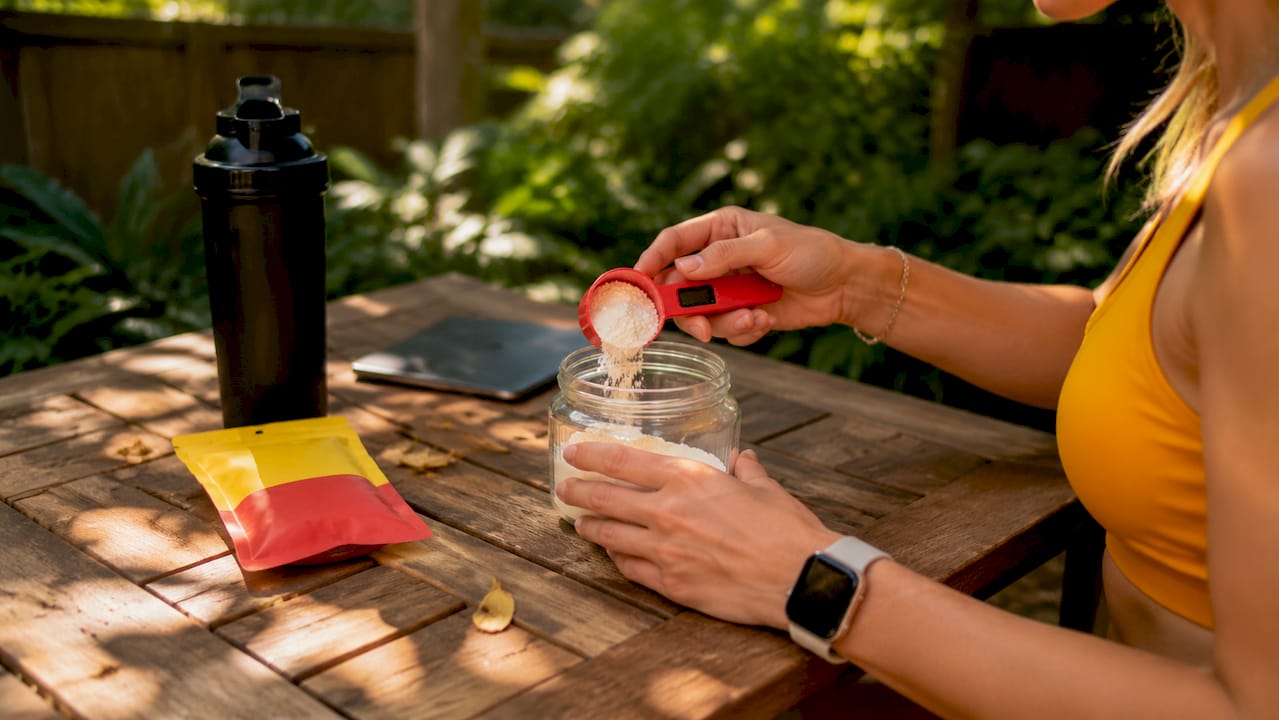
Caffeine is the second pillar of any solid performance supplement plan. The evidence-backed dose is 3–6 mg/kg of body weight, taken 30–60 minutes before training or competition. That means a 180-pound (82 kg) athlete targets roughly 246–492 mg per session. Cycling caffeine 5 days on and 2 days off preserves its effectiveness over time.
Beta-alanine rounds out the core three. It buffers acid buildup in muscles during high-intensity efforts, which matters most in sports with repeated sprint or grappling demands. The recommended dose is 3.2–6.4g daily, split across multiple servings to reduce the skin tingling side effect. Benefits accumulate over 4–8 weeks, so patience is non-negotiable here.
Beyond the core three, these supplements fill critical gaps:
- Electrolytes: Sodium, potassium, and magnesium replace minerals lost in sweat and prevent cramping, especially in hot or humid conditions.
- Omega-3 fatty acids: 2–4g of EPA+DHA daily reduces inflammation and supports brain health, which is critical in contact sports.
- Vitamin D: Deficiency is common in indoor athletes and directly impacts muscle function and immune response.
| Supplement | Daily Dose | Timeline to Effect |
|---|---|---|
| Creatine monohydrate | 3–5g (maintenance) | 3–4 weeks |
| Caffeine | 3–6 mg/kg | Acute (same session) |
| Beta-alanine | 3.2–6.4g | 4–8 weeks |
| Omega-3 (EPA+DHA) | 2–4g | 4–8 weeks |
| Vitamin D | Based on lab results | 8–12 weeks |
Pro Tip: A smart supplementation plan treats nutrition, hydration, and sleep as the foundation. Supplements fill gaps or provide small performance edges on top of that base. Never reverse that order.
How do you customize your protocol by sport?
Sport type determines which supplements move from “useful” to “essential.” Endurance athletes lose more sodium and potassium per hour than power athletes, making electrolyte supplementation a higher priority. Combat sport athletes benefit most from beta-alanine and sodium bicarbonate together, since both buffer acidity during the late rounds when fatigue peaks. Power and strength athletes get the most return from creatine, since phosphocreatine stores directly fuel short, maximal efforts.
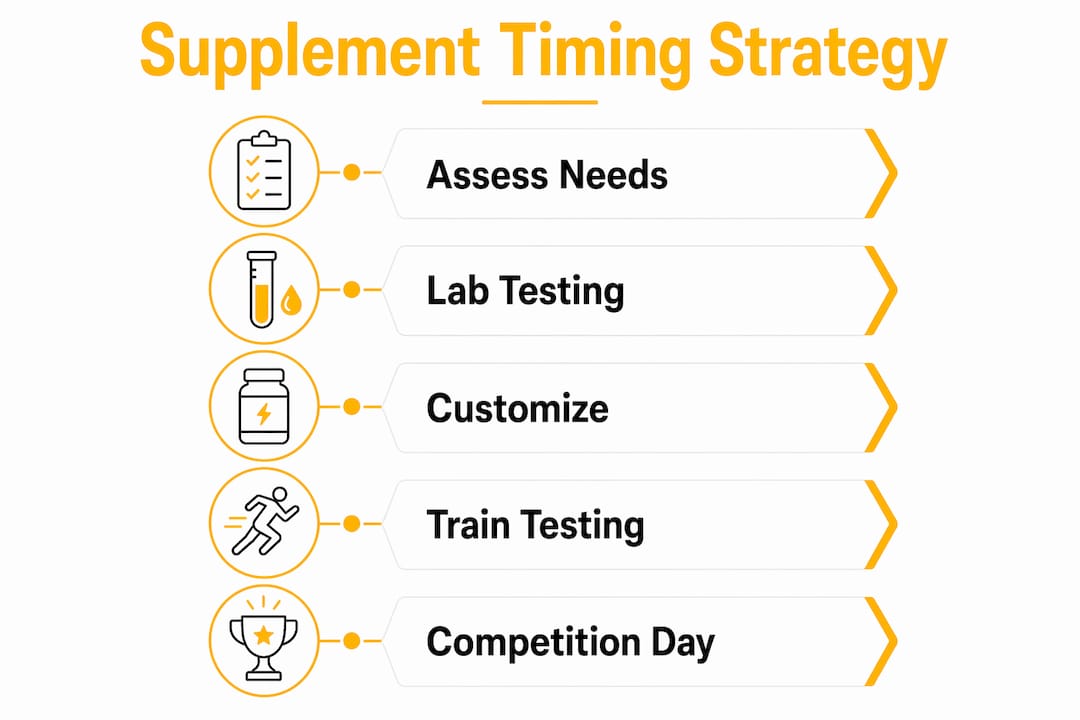
Lab testing is the step most athletes skip, and it costs them. Annual testing for vitamin D, B12, and iron/ferritin identifies real deficiencies before you spend money on supplements you may not need. Correcting a confirmed iron deficiency in an endurance athlete will do more for performance than any ergogenic aid. Blanket multivitamin use without testing is guesswork.
Weight-class athletes face a specific creatine challenge. Creatine causes 1–2 kg of intracellular water retention, which can push an athlete over their weight class at a critical weigh-in. Strategic pauses from creatine in the final 7–10 days before a weigh-in are standard practice for wrestlers, boxers, and MMA fighters. You can build a supplement stack that accounts for these timing windows without losing the long-term benefits.
Key customization factors to assess before finalizing your protocol:
- Sport energy system (aerobic vs. anaerobic vs. mixed)
- Training volume and phase (off-season vs. competition block)
- Body weight requirements and weigh-in schedules
- Confirmed nutrient deficiencies from lab work
- History of GI sensitivity to specific supplements
Pro Tip: Test every supplement during training, not on competition day. The IOC consensus statement is clear: competition day is reserved for proven protocols only.
What is the optimal timing strategy for supplement intake?
Timing separates a good protocol from a great one. The sequence below reflects what the research actually supports for training and competition days:
- Morning: Take creatine at any consistent time daily. Timing relative to training matters less than daily consistency.
- 60 minutes pre-training: Take beta-alanine with food to reduce tingling. Split the daily dose across morning and pre-training.
- 30–60 minutes pre-training: Take caffeine at 3–6 mg/kg. On competition day, match this timing to your event start, not your warm-up.
- During training: Use electrolytes in water for sessions over 60 minutes or in hot conditions.
- Post-training: Take omega-3s with a fat-containing meal to maximize absorption.
“Never introduce a new supplement on competition day. Your match-day protocol should be a replica of what you have already tested and confirmed in training.” — IOC Dietary Supplement Guidance
Caffeine cycling deserves specific attention. Using caffeine every single day blunts its effect within weeks. A 5-days-on, 2-days-off cycle maintains the acute performance boost over an entire season. Schedule your off days on low-intensity recovery sessions, not before key workouts or competitions.
Pro Tip: On competition day, pair caffeine with a carbohydrate-rich meal 60–90 minutes before your event. Carbohydrates enhance caffeine absorption and provide the glycogen your muscles need for peak output.
What mistakes do athletes make with supplement protocols?
Inconsistency is the most common error. Beta-alanine and creatine require weeks of daily dosing to reach effective tissue concentrations. Missing three days in a row does not erase progress, but chronic inconsistency means you never reach the saturation level where benefits appear.
Antioxidant overconsumption is a subtler and more damaging mistake. High doses of vitamin C (500mg or more) or vitamin E (400 IU or more) taken around training can blunt the mitochondrial adaptations your body is trying to make. This means heavy antioxidant supplementation during a hard training block can actually reduce the fitness gains from that block. Learn more about antioxidant use in athletes before adding high-dose products to your stack.
Additional pitfalls to avoid:
- Skipping hydration with creatine: Creatine pulls water into muscle cells. Inadequate fluid intake increases cramping risk and reduces the supplement’s effectiveness.
- Relying on multivitamins as a foundation: A multivitamin does not correct a significant deficiency. Only targeted, dose-appropriate supplementation does that.
- Adding too many supplements at once: Introducing three new products simultaneously makes it impossible to identify what is working or causing side effects.
Pro Tip: If beta-alanine tingling bothers you, split your dose into four smaller servings of 800mg spread across the day. The tingling is harmless but taking smaller doses eliminates it for most athletes.
Key takeaways
A sports-specific supplement protocol built on creatine, caffeine, and beta-alanine, confirmed by lab testing and timed precisely to training phase, delivers the most consistent performance and recovery results.
| Point | Details |
|---|---|
| Start with the core three | Creatine, caffeine, and beta-alanine have the strongest evidence base for most athletes. |
| Lab test before supplementing | Annual testing for vitamin D, B12, and iron prevents unnecessary spending and excess risk. |
| Time caffeine precisely | Take 3–6 mg/kg body weight 30–60 minutes before training or competition for peak effect. |
| Customize by sport type | Weight-class athletes must pause creatine before weigh-ins; endurance athletes prioritize electrolytes. |
| Avoid antioxidant overload | High-dose vitamin C or E around training can reduce the fitness gains from hard sessions. |
What i have learned from real-world supplement protocols
The uncomfortable truth about supplement protocols
Most athletes I have worked with arrive with the same problem: they are taking too much of the wrong things and not enough of the right ones. They have a drawer full of products but no lab work, no timing plan, and no idea whether their vitamin D is at 20 ng/mL or 60 ng/mL. That gap between product ownership and actual protocol design is where performance gets left on the table.
The athletes who see the clearest results are not the ones with the longest supplement lists. They are the ones who run their bloodwork, identify two or three real deficiencies, fix those first, and then layer in creatine and caffeine with precise timing. That process takes discipline, not money.
One thing I push hard on: never treat a supplement protocol as separate from your nutrition and sleep. A creatine protocol on top of poor sleep and a caloric deficit will underperform every time. The recovery nutrition timing around your training sessions matters more than most athletes realize. Get that right first, then add your ergogenic aids on top of a solid base.
— Rene
Build your personalized athlete protocol with Fitnesshealth
Knowing the science is step one. Having the right products and a plan built around your sport is step two.

Fitnesshealth offers a full range of performance enhancement supplements, sport-specific vitamin protocols, and athlete nutrition products backed by current evidence. Whether you are a competitive endurance athlete, a strength sport competitor, or a team sport player, Fitnesshealth has the specific training supplements and expert guidance to match your goals. Explore programs, supplements, and equipment designed to support every phase of your training year, from off-season building blocks to competition-day protocols.
FAQ
What is a sports-specific supplement protocol?
A sports-specific supplement protocol is a structured regimen of supplements tailored to an athlete’s sport demands, physiology, and training phase. It differs from generic stacks by prioritizing evidence-based products at precise doses and timing windows.
How long does creatine take to work?
Creatine reaches full saturation in 3–4 weeks at a 3–5g daily maintenance dose. A 7-day loading phase of 20g per day accelerates this timeline significantly.
Should i cycle caffeine as an athlete?
Yes. Cycling caffeine 5 days on and 2 days off preserves its acute performance effect over a full season. Daily use without breaks reduces its effectiveness within weeks.
Can antioxidant supplements hurt my training?
High doses of vitamin C (500mg or more) or vitamin E (400 IU or more) taken around training sessions can blunt mitochondrial adaptations. Use antioxidant supplements only when a confirmed deficiency exists.
How do i know which supplements i actually need?
Annual lab testing for vitamin D, B12, and iron/ferritin identifies real deficiencies. Start by correcting confirmed gaps before adding performance-focused supplements to your protocol.
Recommended
- Joint Support Supplements for Sports: 2026 Athlete Guide – Fitness Health
- Muscle Recovery Supplement Benefits for Athletes in 2026 – Fitness Health
- Performance supplements for competition: top choices for serious athle – Fitness Health
- Why Probiotics Benefit Competitive Athletes: 2026 Guide – Fitness Health