Why plant-based nutrients matter: the fitness case
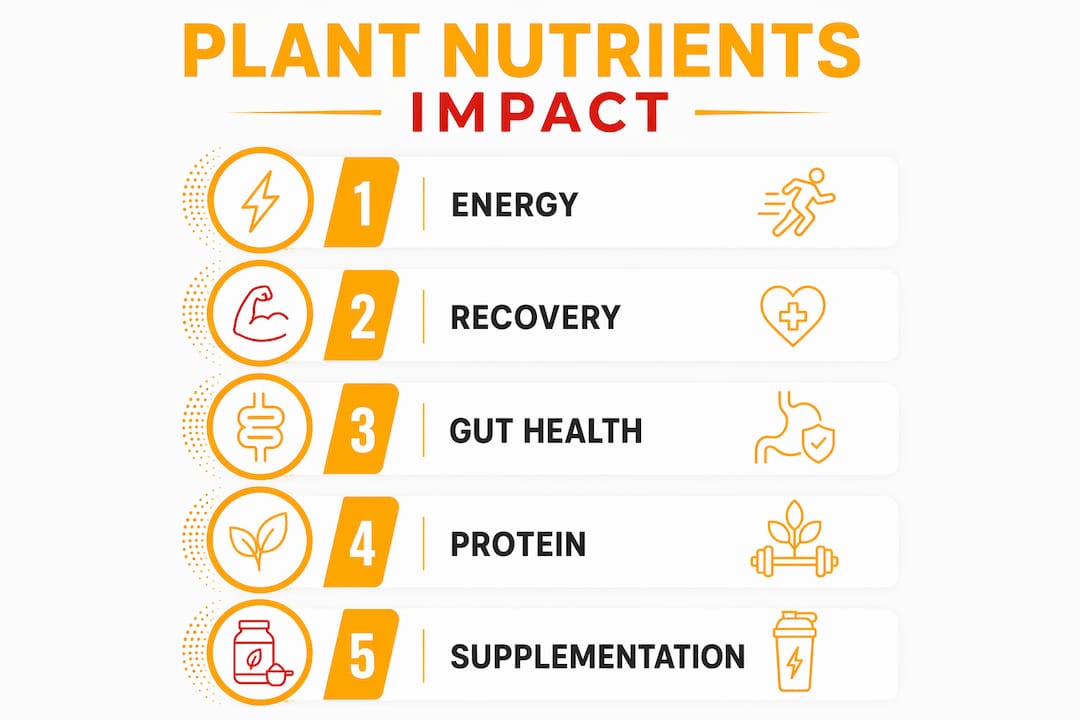
Plant-based nutrients deliver something no isolated supplement can replicate: a dense matrix of vitamins, minerals, antioxidants, fiber, and phytochemicals that work together to support performance, recovery, and long-term health. For athletes, that synergy is the point.
Here is what plant-based nutrition actually does for your body in training:
- Reduces exercise-induced inflammation through polyphenols, flavonoids, and carotenoids found in fruits, vegetables, and spices
- Supports gut microbiome diversity, which directly improves nutrient absorption and immune resilience critical for recovery
- Delivers fiber, folate, vitamin E, and magnesium at levels that plant-focused diets consistently exceed compared to meat-heavy eating patterns
- Provides antioxidant protection against oxidative stress generated by intense training sessions
- Presents real bioavailability challenges for iron, zinc, calcium, and omega-3s that athletes must actively manage
- Creates a vitamin B12 gap that cannot be closed through food alone on a strict plant-based diet
The bottom line: plant-based nutrition gives you powerful tools for performance, but only if you use them strategically.
What the science actually shows about plant nutrients and health
Epidemiological evidence consistently links well-planned plant-based dietary patterns to lower risk of cardiovascular disease, type 2 diabetes, certain cancers, and all-cause mortality. For athletes, that matters beyond longevity. Chronic low-grade inflammation is one of the biggest barriers to consistent training, and plant bioactives directly address it.
Specific compounds earn their reputation here. Ellagic acid, found in pomegranates and berries, and sulforaphane, concentrated in broccoli and other cruciferous vegetables, are among the bioactive phytochemicals most studied for their anti-inflammatory and antioxidant effects. Polyphenols and flavonoids from fruits, vegetables, and spices reduce exercise-induced oxidative stress and support faster physiological recovery between sessions.
Gut health is the underrated performance variable. Fiber-rich plant foods improve microbiome diversity and metabolic activity, which enhances how efficiently your body absorbs nutrients and manages inflammation. Athletes with poor gut microbiome diversity absorb less from every meal they eat, plant-based or otherwise.

Pro Tip: Rotate your plant sources weekly. Eating the same vegetables repeatedly limits microbiome diversity. Aim for at least 20 different plant foods per week, including legumes, whole grains, seeds, and a variety of colored vegetables.
The plant vs. animal debate is the wrong conversation
The most useful shift in sports nutrition thinking right now is moving away from “plant versus animal” as a binary. Research published in Animal Production Science concludes that plant-sourced and animal-sourced nutrients are complementary, not competitive, and that the future food system needs both.
For athletes specifically, this framing is practical. Plants supply carbohydrates, fiber, vitamin C, vitamin E, folate, and a broad spectrum of secondary metabolites. Animal sources supply complete proteins with higher bioavailability, vitamin B12, heme iron, zinc, and the long-chain omega-3s EPA and DHA in their most metabolically active forms. Trying to get everything from one kingdom creates gaps; combining them strategically closes those gaps.
The Digestible Indispensable Amino Acid Score (DIAAS) makes this concrete. Plant proteins generally score lower than animal proteins because they tend to be low in leucine, lysine, or methionine, the amino acids most critical for muscle protein synthesis. That does not mean plant protein is inadequate. It means athletes need to combine sources deliberately.
How to navigate quality, labels, and supplementation
Not every product with “plant-based” on the label deserves a place in your nutrition plan. Ultra-processed plant alternatives frequently lack key amino acids and deliver lower bioavailability than whole food versions of the same ingredients. The marketing often outpaces the nutrition.
What to look for on labels:
- Complete amino acid profile listed, or a combination of sources (e.g., pea plus rice protein)
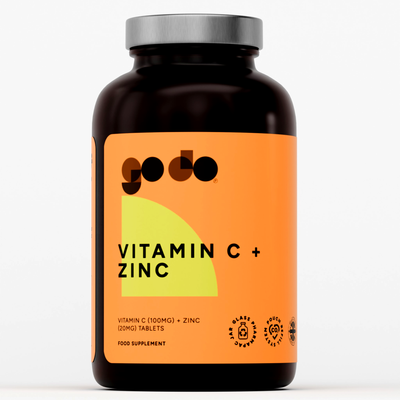
- Iron and zinc content with a note on absorption enhancers like vitamin C
- Vitamin B12 and vitamin D listed as added or fortified
- Minimal added sodium, refined carbohydrates, and saturated fat
- Whole food ingredients listed first, not isolates or concentrates as the primary source
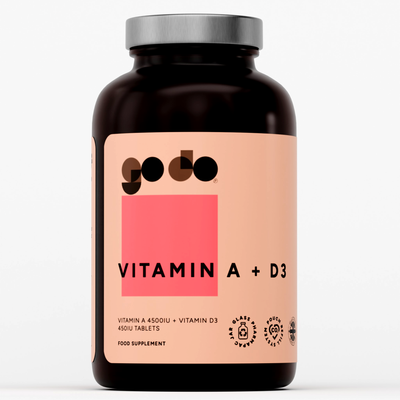
Three supplements are non-negotiable for plant-focused athletes. Vitamin B12 is essentially absent from plant foods in bioavailable quantities. Deficiency causes anemia and neurological damage, and no amount of dietary variety fixes it without supplementation or fortification. Vitamin D is inadequate in most plant foods and in most Americans regardless of diet. Omega-3s from plants come as ALA, which the body converts to EPA and DHA at low efficiency. Algae-based omega-3 supplements bypass that conversion problem entirely.
For iron, the pairing strategy is straightforward. Non-heme iron from plant sources is inhibited by phytates and polyphenols, but pairing vitamin C-rich foods with iron-rich meals measurably improves absorption. Spinach with lemon juice, lentils with bell pepper, oats with strawberries. Simple combinations with real impact.
Putting it together: performance and recovery in practice
Plant antioxidants do their most useful work in the 24–48 hours after hard training. Tart cherry, beetroot, and turmeric are among the most studied sources for reducing post-exercise muscle soreness and inflammation. These are not fringe supplements; they are whole foods with a growing body of evidence supporting recovery.
Protein timing and combination matter as much as total intake. Eating rice and legumes at the same meal, or combining hemp seeds with oats, creates a more complete amino acid profile than either source alone. The goal is ensuring leucine thresholds are met at each meal to trigger muscle protein synthesis. Athletes eating exclusively plant proteins often need slightly higher total protein intake to compensate for lower DIAAS scores.
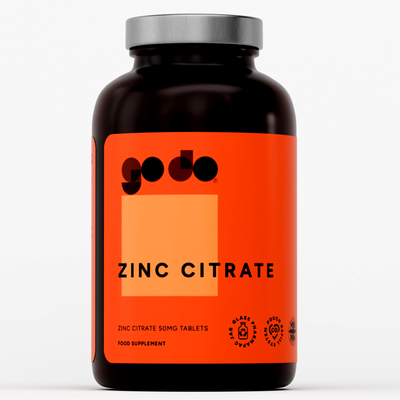
Gut health connects directly to how well all of this works. Probiotic support alongside a fiber-rich plant diet improves the microbiome environment that determines how efficiently you absorb every nutrient you eat. Athletes who address gut health alongside macronutrient planning tend to see faster recovery and more consistent energy. For zinc specifically, plant sources like pumpkin seeds and legumes are solid options, though absorption is lower than from animal sources. Understanding zinc’s role in recovery helps athletes prioritize it rather than overlook it.
A practical day looks like this: oats with hemp seeds and berries at breakfast, a lentil and bell pepper bowl at lunch, a post-workout smoothie with pea protein, spinach, and algae-based omega-3s, and a dinner built around tempeh or edamame with cruciferous vegetables. That structure covers fiber, antioxidants, complete amino acids, and the micronutrients most at risk on a plant-forward diet. For a full framework on athlete nutrition planning, the details go deeper than any single meal template.
Fitnesshealth has the supplements plant-based athletes actually need

Getting the plant-based nutrition framework right is one thing. Having the right supplements to fill the gaps is another. Fitnesshealth stocks the specific formulas that matter most for plant-focused athletes: bioavailable B12, algae-derived omega-3s, vitamin D3, and targeted recovery blends built around real nutritional science rather than marketing claims.
Every product on Fitnesshealth.co is selected with the fitness-focused consumer in mind, not the casual health shopper. The educational content goes alongside the products, so you understand what you are taking and why. If you are serious about getting the most from a plant-based approach to training, browse the supplement range and find what your current stack is missing.
Key Takeaways
Plant-based nutrients give athletes powerful tools for performance and recovery, but strategic supplementation and food combining are required to close the bioavailability gaps that plant sources alone cannot fill.
| Point | Details |
|---|---|
| Phytochemicals reduce inflammation | Compounds like ellagic acid and sulforaphane directly lower exercise-induced oxidative stress and chronic inflammation. |
| B12 requires supplementation | Vitamin B12 is essentially absent from plant foods in bioavailable quantities; deficiency causes anemia and neurological damage. |
| Combine plant proteins deliberately | Pairing sources like rice and legumes creates a complete amino acid profile to support muscle protein synthesis. |
| Pair vitamin C with plant iron | Eating vitamin C-rich foods alongside plant iron sources measurably improves non-heme iron absorption. |
| Fitnesshealth covers the gaps | Fitnesshealth offers targeted supplements including B12, algae omega-3s, and vitamin D formulated for plant-focused athletes. |