Most people think gut health is about avoiding bloating or staying regular. That framing sells the gut microbiome short by about a trillion microorganisms. Your gut houses roughly 38 trillion microbial cells, and understanding why gut microbiome matters health is one of the most important shifts you can make in how you approach your overall wellness. This isn’t just about digestion. Your microbiome shapes your immune responses, your mood, your metabolic rate, and your long-term disease risk. This guide breaks down the science and gives you practical tools to act on it.
Table of Contents
- What is the gut microbiome and why is it important?
- How gut microbiome imbalance impacts health: from obesity to brain function
- How diet shapes your gut microbiome and boosts beneficial metabolites
- Gut microbiome’s role in immune balance and aging
- Practical steps to improve and maintain a healthy gut microbiome
- Why common gut health advice misses the bigger microbiome picture
- Explore Fitness Health® programs and supplements to support your gut microbiome
- Frequently asked questions
Key Takeaways
| Point | Details |
|---|---|
| Gut microbiome basics | Your gut hosts trillions of microbes vital for digestion, immunity, and overall health. |
| Impact of imbalance | A disrupted gut microbiome contributes to chronic diseases like obesity, diabetes, and depression. |
| Dietary influence | Fiber-rich plant diets nourish beneficial microbes that produce disease-preventing compounds. |
| Immune and aging link | Gut microbes regulate immune balance, and diversity declines with age but can be preserved by diet. |
| Practical gut health steps | Eating diverse fiber, avoiding processed foods, and managing lifestyle habits build a resilient microbiome. |
What is the gut microbiome and why is it important?
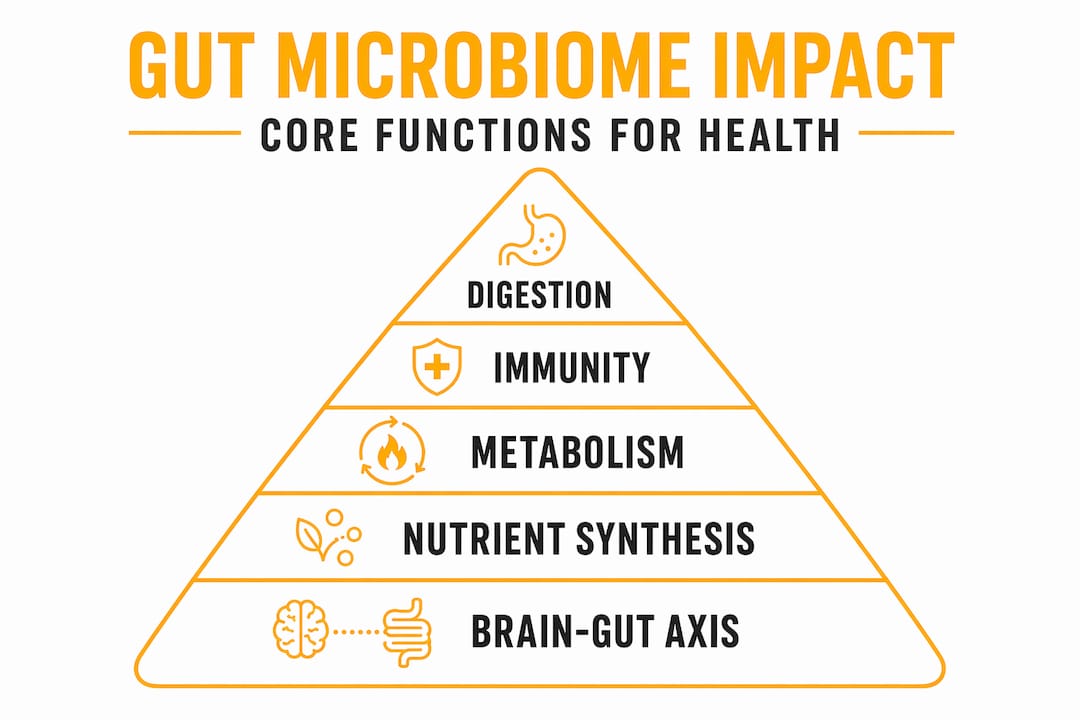
The gut microbiome is a living ecosystem of bacteria, fungi, viruses, and other microorganisms that reside primarily in your large intestine. Think of it as a virtual organ, one that doesn’t show up on a standard anatomy chart but performs functions no other organ can replicate. It influences digestion, immunity, metabolism, and even how your brain processes stress and emotion.
What makes the microbiome so powerful is what its members produce. Beneficial microbes synthesize vitamins B and K, generate short-chain fatty acids (SCFAs) that fuel the cells lining your gut, and maintain the intestinal barrier that keeps pathogens out of your bloodstream. SCFAs, particularly butyrate, are not just fuel. They actively suppress inflammation and signal your immune system to stay calibrated.
Here’s what a healthy gut microbiome does for you every day:
- Breaks down complex carbohydrates your body cannot digest on its own
- Produces essential vitamins, including B12, folate, and vitamin K2
- Trains your immune system to distinguish threats from harmless substances
- Maintains the intestinal barrier, preventing “leaky gut” and systemic inflammation
- Regulates appetite and metabolism through hormonal signaling
You can explore the gut health basics that underpin many of these functions to understand how they connect to your daily habits.
With a clear understanding of what the gut microbiome is, let’s explore how its balance or imbalance affects your health.
How gut microbiome imbalance impacts health: from obesity to brain function
Dysbiosis is the term for microbial imbalance in the gut, meaning fewer beneficial bacteria and more harmful ones. When dysbiosis takes hold, the intestinal barrier weakens. Harmful compounds leak into the bloodstream, triggering low-grade systemic inflammation that quietly damages tissues over time.
The metabolic consequences are significant. Gut microbiota dysbiosis contributes to obesity, type 2 diabetes, and metabolic syndrome through enhanced energy harvest, increased intestinal permeability, and chronic inflammation. This means your gut bacteria can literally affect how many calories you extract from food and whether your cells respond properly to insulin.
“Microbial imbalances are thought to play a role in colon cancer, diabetes, depression, Alzheimer’s, Parkinson’s, and cardiovascular disease.” — Mayo Clinic
The brain connection is one of the most surprising aspects of gut health impact. Your gut and brain communicate directly through the vagus nerve and through microbial metabolites that cross into circulation. Dysbiosis disrupts this communication, and researchers now link gut imbalances to depression, anxiety, and neurodegenerative conditions.
Key health risks tied to gut microbiome imbalance:
- Obesity and insulin resistance driven by altered energy metabolism
- Type 2 diabetes linked to chronic low-grade inflammation
- Depression and anxiety through disrupted gut-brain signaling
- Alzheimer’s and Parkinson’s disease associated with neuroinflammation
- Cardiovascular disease connected to inflammatory metabolites from harmful bacteria
Understanding the weight management connections between gut health and metabolism can help you see why diet changes alone sometimes fall short without addressing the microbiome. Similarly, cardiovascular health is deeply tied to what your gut bacteria are producing. Even fiber and heart wellness are more connected than most people realize.
Understanding the risks of imbalance highlights the importance of nurturing a resilient and diverse microbiome.
How diet shapes your gut microbiome and boosts beneficial metabolites
Your gut bacteria eat what you eat. That simple fact carries enormous consequences. Diets high in sugary, processed foods starve beneficial bacteria, causing them to begin breaking down the gut lining itself for fuel. That’s not a metaphor. Fiber-deprived microbes literally consume the mucus layer protecting your intestinal wall.

On the other side, plant-based diets promote beneficial bacteria and SCFA production through fiber fermentation, while meat-heavy diets encourage harmful microbial shifts linked to inflammation. This doesn’t mean you need to go fully plant-based. It means the ratio and variety of plant foods on your plate directly shapes what your microbiome produces.
One finding that doesn’t get nearly enough attention: mixing different types of fiber works better than eating one type consistently. Fiber mixtures boost SCFA production by 32.8% more than expected compared to single fiber sources across multiple health conditions. Eating only oat fiber every day is far less effective than rotating between oats, lentils, flaxseed, and leafy greens.
Foods that actively support gut microbiome and wellness:
- Legumes (lentils, chickpeas, black beans): rich in prebiotic fiber that feeds Bifidobacterium
- Fermented foods (yogurt, kefir, kimchi, sauerkraut): deliver live cultures directly
- Colorful vegetables (beets, artichokes, garlic, onions): contain diverse plant polyphenols and fibers
- Whole grains (oats, barley, rye): provide beta-glucan fiber with strong SCFA-producing effects
- Fruits with skin (apples, pears, berries): deliver pectin and polyphenols that feed diverse microbial species
Understanding how vitamin synthesis connects to your gut bacteria helps explain why nutrient deficiencies sometimes persist even when your diet looks good on paper. The antioxidant benefits of plant-rich diets also feed directly into supporting gut microbes that reduce oxidative stress in the intestinal lining.
Pro Tip: Rotate your fiber sources weekly rather than eating the same “healthy” foods daily. Microbial diversity mirrors dietary diversity, and a wider range of fibers feeds a broader range of beneficial species.
Now that you know how diet influences your microbes, let’s explore the deeper immune and metabolic benefits tied to a healthy microbiome.
Gut microbiome’s role in immune balance and aging
About 70% of your immune system lives in and around your gut. That’s not a coincidence. Your microbiome actively trains immune cells from infancy, teaching them what to attack and what to tolerate. This training never fully stops.
One of the most important mechanisms involves regulatory T cells, or Tregs. These are immune cells that prevent overreaction. The gut microbiome balances pro-inflammatory Th17 cells and anti-inflammatory Tregs, and this balance is essential for immune tolerance and preventing autoimmune conditions. When dysbiosis disrupts this balance, the immune system can begin attacking the body’s own tissues.
Aging adds another layer of complexity. Gut microbiome diversity declines after age 50, accelerating frailty and immune faltering. A fiber-rich variety of plant foods can counteract these effects. This is why the relationship between gut and health becomes even more critical as you get older, not less.
Steps to support your gut’s immune function at any age:
- Eat 30 or more different plant foods per week to maximize microbial diversity
- Include prebiotic-rich foods daily such as garlic, leeks, asparagus, and bananas
- Manage chronic stress because cortisol directly reduces beneficial Lactobacillus populations
- Prioritize sleep since gut bacteria follow circadian rhythms and disrupted sleep shifts microbial composition
- Stay physically active as regular moderate exercise measurably increases gut microbial diversity
Pro Tip: The “30 plants per week” target from the American Gut Project is more achievable than it sounds. Herbs, spices, and seeds count. Adding turmeric, cumin, flaxseed, and walnuts to your week gets you there faster than you’d expect.
The connection between immune system support and your microbiome is one of the strongest arguments for treating gut health as a daily practice rather than a periodic cleanse. And since stress and gut health are bidirectionally linked, managing your nervous system is genuinely a gut health strategy.
With the immune and aging connection clear, let’s translate this knowledge into practical strategies to enhance your gut health starting today.
Practical steps to improve and maintain a healthy gut microbiome
Knowing why gut health matters is only useful if you act on it. These steps are grounded in current research and designed for real daily life.
Daily habits that protect your microbiome:
- Diversify your fiber intake by rotating fruits, vegetables, legumes, and whole grains throughout the week
- Limit ultra-processed foods including packaged snacks, fast food, and refined sugars that feed harmful bacteria
- Cut back on alcohol since even moderate alcohol disrupts microbial balance and increases intestinal permeability
- Exercise regularly because lifestyle habits like exercise and stress management directly protect gut microbiome health
- Avoid unnecessary antibiotics since a single course can disrupt your microbiome for up to a year
- Use probiotics strategically with guidance from a healthcare provider rather than randomly
Fiber mixtures offer more significant SCFA boosts than single fibers, which is why variety beats volume when it comes to gut health strategies.
| Habit | Gut microbiome effect | Difficulty |
|---|---|---|
| Eating 30+ plant foods per week | Increases microbial diversity significantly | Moderate |
| Limiting processed sugar | Reduces harmful bacterial overgrowth | Moderate |
| Regular aerobic exercise | Boosts beneficial Bifidobacterium and Lactobacillus | Low |
| Avoiding unnecessary antibiotics | Preserves microbial diversity | Low |
| Managing stress daily | Reduces cortisol-driven microbial disruption | Moderate |
| Eating fermented foods | Introduces live beneficial cultures | Low |
Foods to limit for better gut health:
- Refined sugars and high-fructose corn syrup
- Ultra-processed snack foods and fast food
- Excessive red meat without fiber balance
- Artificial sweeteners, which some research links to dysbiosis
- Alcohol in quantities beyond one drink per day
Explore gut health strategies that combine dietary changes with nutritional support and antioxidant intake for a more complete picture of what daily gut care looks like.
Pro Tip: Don’t overhaul your diet overnight. Adding two new plant foods per week is more sustainable and gives your microbiome time to adapt without causing digestive discomfort from sudden fiber increases.
Having these practical strategies equips you to nurture your gut microbiome daily for lasting health benefits.
Why common gut health advice misses the bigger microbiome picture
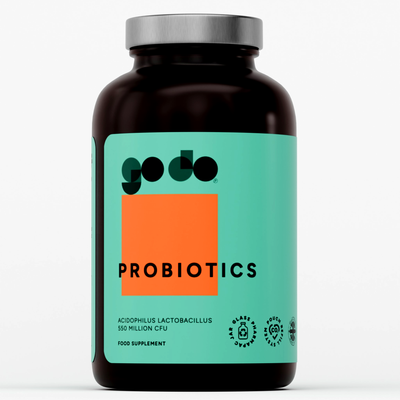
Here’s something the probiotic industry doesn’t advertise: swallowing a capsule of Lactobacillus acidophilus does very little if your gut environment can’t support it. Most probiotic strains don’t colonize permanently. They pass through. Any benefit is transient unless your diet creates conditions where beneficial microbes can actually thrive.
The gut flora significance is less about which specific species you have and more about what your microbial community collectively produces. Microbiome functional stability can be maintained despite shifts in microbial composition, which means the metabolic output matters more than any individual strain’s abundance. Two people can have entirely different microbial profiles and equally healthy guts, as long as the functional outputs like SCFA production and barrier integrity are intact.
This is where most gut health advice oversimplifies. It focuses on adding a single probiotic or cutting one food group, ignoring the ecosystem logic that governs how microbiomes actually work. Diversity is the goal. Metabolic function is the measure. A single supplement cannot deliver either of those things on its own.
The aging dimension gets almost no attention in popular gut health content. After 50, the microbial shifts are significant enough to affect immune function, cognitive health, and physical resilience. Addressing this requires more than a daily yogurt. It requires sustained dietary diversity, stress management, sleep quality, and in many cases, targeted supplementation guided by someone who understands your specific health picture.
The most durable gut health improvements come from treating your microbiome as the dynamic, individualized ecosystem it is. Explore advanced gut health insights to go deeper on personalized approaches that move beyond one-size-fits-all advice.
Explore Fitness Health® programs and supplements to support your gut microbiome
Understanding the science is the first step. Putting it into practice consistently is where most people need support. That’s exactly what Fitness Health® is built for.

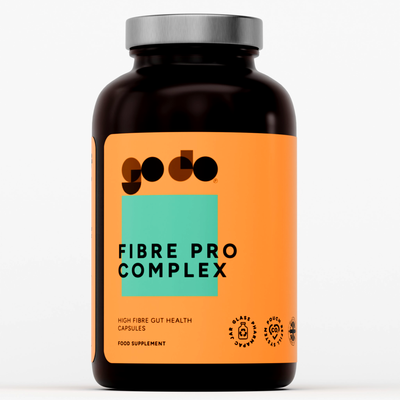
Fitness Health® programs and supplements are designed to bridge the gap between knowing and doing. From fiber-rich prebiotic formulas that support SCFA production to expert-guided nutrition programs that integrate gut health with your fitness and wellness goals, the platform gives you tools grounded in the same research covered in this guide. Whether you’re looking to diversify your fiber intake, support your immune system as you age, or find supplements that complement a whole-food diet, Fitness Health® offers a curated range of solutions to help you build a microbiome that works for you long-term.
Frequently asked questions
What is the gut microbiome?
The gut microbiome is a vast community of trillions of microorganisms in your digestive tract that help digest food, produce vitamins, and support your immune system. It functions like a vital internal organ that influences nearly every system in your body.
How does my diet affect my gut microbiome?
Your diet shapes the diversity and activity of gut microbes. Fiber-rich plant foods nourish beneficial bacteria and promote production of healthful short-chain fatty acids that protect the gut lining and reduce inflammation.
What health problems can result from an unhealthy gut microbiome?
An imbalanced gut microbiome is linked to obesity, diabetes, cardiovascular disease, certain cancers, and neurological disorders like depression and Parkinson’s. Metabolic and neurological disorders are among the most well-documented consequences of sustained dysbiosis.
Can probiotics alone fix my gut health?
Probiotics can help, but their benefits depend heavily on your existing microbiome and diet. Focusing on dietary fiber diversity and consistent lifestyle changes is more effective long-term than relying on any single supplement.
What simple steps can I take to improve my gut microbiome?
Eat a varied fiber-rich diet with fruits, vegetables, and whole grains, limit processed foods and alcohol, stay active, manage stress, and avoid unnecessary antibiotics. Lifestyle habits that protect your microbiome are the same ones that support your overall health.