

Medicinal mushrooms are fungi containing bioactive compounds that modulate immune function, reduce inflammation, and support cognitive and physical well-being. These are not psychoactive mushrooms. The term “medicinal fungi” refers to species like Reishi, Lion’s Mane, Turkey Tail, and Cordyceps, which have been studied in clinical trials for specific health outcomes. Their core compounds, including beta-glucans, triterpenoids, ergothioneine, and glutathione, work through measurable biochemical pathways. Understanding how medicinal mushrooms support health means looking at those mechanisms directly, not at marketing claims.
How do medicinal mushrooms support health at the cellular level?
Beta-glucans are the most studied bioactive compounds in medicinal mushrooms. They bind to immune receptors like dectin-1, activating downstream immune signaling without overstimulating the immune system. Think of it as a fire drill rather than a fire. Your immune cells rehearse their response, so they are ready when a real threat arrives.
Triterpenoids, found in high concentrations in Reishi, add a second layer of benefit. Reishi triterpenoids regulate cortisol and contribute anti-inflammatory, antiviral, and antioxidant effects. These are not mild actions. They affect the same stress-response pathways that chronic inflammation exploits.
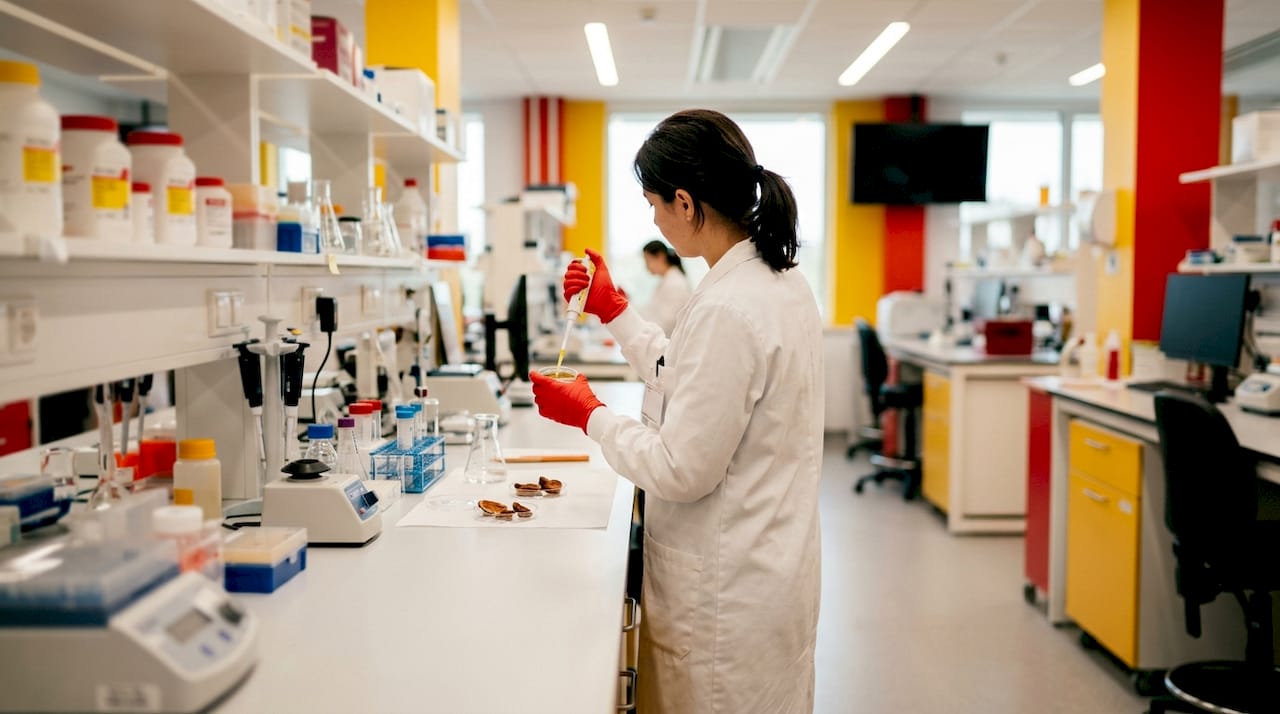
Ergothioneine is a lesser-known compound that deserves attention. Mushrooms are one of the only dietary sources of this amino acid, which acts as a built-in cellular protector. It shields DNA from oxidative damage and supports healthy cellular aging. That makes it relevant not just for immune support but for long-term wellness.
Pro Tip: When buying a mushroom supplement, look for a stated beta-glucan percentage on the label. A product listing only “whole mushroom powder” with no beta-glucan content gives you no way to verify potency.
Which mushroom species have the strongest clinical evidence?
Not all medicinal mushrooms carry equal scientific weight. The evidence varies sharply by species, and treating them as interchangeable is a mistake.
| Species | Key Evidence | Study Type |
|---|---|---|
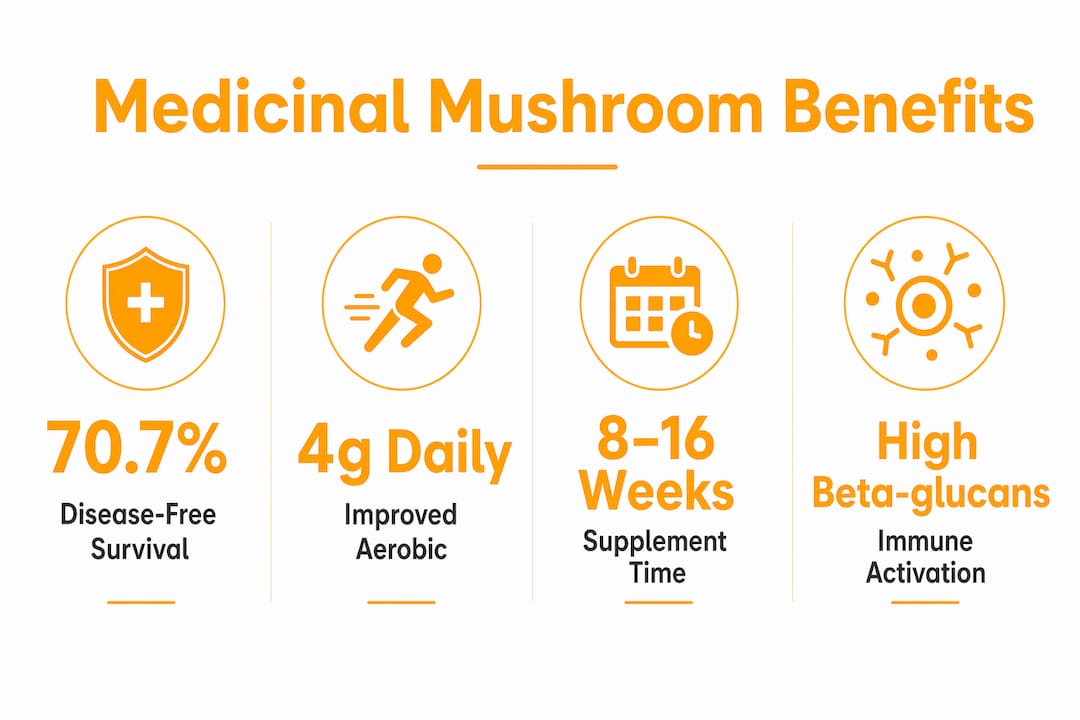
| Turkey Tail (PSK extract) | 70.7% disease-free survival vs. 59.4% control at five years in gastric cancer patients | Phase III multicenter RCT, n=262 |
| Lion’s Mane | Improved cognitive function in older adults with mild cognitive impairment over 16 weeks | Double-blind RCT, n=30 |
| Reishi | 51.6% clinical improvement in fatigue vs. 24.6% placebo in neurasthenia patients | Double-blind RCT, n=132 |
| Cordyceps militaris | VO2max improved by ~4.8 ml/kg/min; exhaustion time extended by 70 seconds at 4g daily | RCT, n=28 |
| Chaga | No strong human trial data currently available | Preclinical only |
Turkey Tail’s PSK extract has the most rigorous human data of any medicinal mushroom. Its phase III trial results are meaningful because they come from a multicenter design with a large sample. Lion’s Mane shows real promise for cognition, but the cognitive benefits declined after people stopped taking it. That tells you something important: sustained use matters.
Cordyceps militaris is worth noting for active people. A 4g daily dose improved aerobic capacity in a controlled trial. If you pair it with a structured training program, the endurance data becomes relevant. Chaga, despite its popularity, lacks human trial evidence. Popularity is not the same as proof.
How do mushrooms reduce inflammation and slow cellular aging?
Mushrooms contain two antioxidants that most foods do not: ergothioneine and glutathione. Both protect DNA from oxidative damage and support cellular repair. Ergothioneine in particular acts like a built-in shield in skin cells, preventing DNA damage from oxidative stress. That mechanism directly connects to healthy aging.
Chronic inflammation is a driver of most age-related diseases, from cardiovascular disease to cognitive decline. Medicinal mushrooms’ anti-inflammatory compounds work by modulating the signaling pathways that keep inflammation running past its useful point. This is not the same as suppressing inflammation entirely, which would impair immune defense.
The honest caveat here is that most antioxidant and anti-inflammatory research on mushrooms comes from cell and animal studies. Clinical translation to humans is still catching up. The mechanisms are real and well-documented. The human dosing data for anti-aging outcomes specifically is thinner. You can read more about how antioxidants support recovery in active people on the Fitnesshealth blog.
- Ergothioneine shields skin and immune cells from oxidative damage
- Glutathione supports cellular detoxification and DNA repair
- Triterpenoids reduce pro-inflammatory cytokine activity
- Beta-glucans prime immune cells without triggering chronic activation
Pro Tip: Mushroom-based beverages like ceremonial matcha with mushrooms offer a practical way to get consistent daily exposure to these compounds without adding more capsules to your routine.
What should you know before buying a mushroom supplement?
Choosing a medicinal mushroom supplement requires more scrutiny than most supplement categories. Here is what the clinical and quality evidence actually tells you.
-
Check for standardized beta-glucan content. Most US mushroom products use mycelium grown on grain, which dilutes active compounds with starch. A fruiting body extract with a stated beta-glucan percentage is a more reliable choice.
-
Match the species to your goal. Reishi for fatigue and stress, Lion’s Mane for cognition, Cordyceps for endurance, Turkey Tail for immune support. There is no single mushroom that does everything well.
-
Expect a timeline, not a quick fix. Lion’s Mane required 16 weeks of daily use before cognitive improvements appeared in clinical trials. Benefits that build over weeks are real. Benefits you feel in three days are likely placebo.
-
Check for drug interactions before starting. Medicinal mushrooms can interact with anticoagulants, immunosuppressants, and diabetes medications. Reishi in particular can interfere with transplant rejection prevention drugs. Talk to your doctor if you take any of these.
-
Look for third-party testing. Standardized extraction methods and verified bioactive content are the baseline for a trustworthy product. A label that lists only “mushroom blend” with no further detail is a red flag.
Key Takeaways
Medicinal mushrooms support health through specific bioactive compounds, and the evidence is strongest when you match the right species to the right health goal.
| Point | Details |
|---|---|
| Beta-glucans drive immune benefits | They bind dectin-1 receptors to prime immune readiness without overstimulation. |
| Species specificity matters | Turkey Tail, Lion’s Mane, Reishi, and Cordyceps each have distinct clinical evidence for different outcomes. |
| Product quality varies widely | Choose fruiting body extracts with stated beta-glucan percentages over generic whole mushroom powders. |
| Drug interactions are real | Consult a physician before use if you take anticoagulants, immunosuppressants, or diabetes medications. |
| Sustained use is required | Clinical benefits typically require weeks of consistent dosing and may taper after stopping. |
What I’ve learned from years of watching the mushroom supplement market
The medicinal mushroom category has a credibility problem, and it is self-inflicted. Brands make broad wellness claims that the science does not support uniformly across all species. Consumers buy Chaga because it sounds powerful, when the human trial data simply does not exist yet. Meanwhile, Turkey Tail’s PSK extract has phase III cancer-adjunct data that most people have never heard of.
My honest view: the mushrooms with the strongest evidence are not always the ones with the best marketing. Prioritize species-specific products with verified beta-glucan content and a clear clinical rationale for your goal. If you are managing a serious condition or taking prescription medications, the interaction risks are not theoretical. Reishi interfering with transplant drugs is documented, not speculative.
Medicinal fungi work best as part of a broader wellness approach. Combining them with consistent sleep, resistance training, and a whole-food diet amplifies what the compounds can do. They are not a replacement for lifestyle. They are a meaningful addition to one.
— Rene
Fitnesshealth resources for natural supplement decisions
Choosing the right mushroom supplement is easier when you have reliable, evidence-based guidance alongside quality products.
Fitnesshealth brings together educational content and vetted supplement options for people who want natural health solutions grounded in real research. Whether you are looking at mushroom supplement quality or exploring how medicinal fungi fit into a broader wellness plan, the Fitnesshealth platform covers the science without the hype. The blog also covers related topics like muscle recovery supplements and antioxidant support for active people, giving you a complete picture of how natural compounds work together. If you want to go deeper on performance nutrition, the athlete supplement guide is a strong next step.
FAQ
What are the main health benefits of medicinal mushrooms?
Medicinal mushrooms support immune modulation, reduce fatigue, improve cognitive function, and provide antioxidant protection through compounds like beta-glucans, triterpenoids, ergothioneine, and glutathione. Benefits are species-specific, not universal across all mushroom products.
Are mushrooms good for immune support?
Yes. Beta-glucans in species like Turkey Tail bind to immune receptors and enhance immune readiness without overstimulating the system. Turkey Tail’s PSK extract has phase III clinical trial data supporting immune-related outcomes in cancer patients.
How long does it take for mushroom supplements to work?
Clinical trials show that meaningful benefits typically require 8–16 weeks of consistent daily use. Lion’s Mane cognitive improvements appeared after 16 weeks and declined after supplementation stopped.
What is the difference between fruiting body and mycelium products?
Fruiting body extracts contain higher concentrations of active beta-glucans. Most US mycelium-on-grain products are diluted with starch from the grain carrier, reducing potency. Always check the label for a stated beta-glucan percentage.
Can medicinal mushrooms interact with medications?
Yes. Reishi, in particular, can interfere with immunosuppressants used to prevent transplant rejection. Medicinal mushrooms also carry interaction risks with anticoagulants and diabetes medications. Consult your physician before starting any mushroom supplement if you take prescription drugs.










