For years, the fitness industry focused almost exclusively on macronutrients: protein, carbs, and fats. In 2026, the conversation has shifted toward the microscopic level. We are no longer just asking "How much protein am I getting?" but "How many polyphenols am I consuming?"
Polyphenols are the functional powerhouses of the plant world. They are the secondary metabolites plants produce to protect themselves from UV radiation and pathogens. When we consume them, those protective benefits translate to human biology. This year, "high-polyphenol" has become a benchmark for food quality, particularly as we look toward longevity and cellular health.
In this guide, we will break down the science of polyphenols, identify the top functional superfoods for 2026, and show you how to integrate these "longevity molecules" into your daily routine.
What Exactly Are Polyphenols?
Polyphenols are a category of over 8,000 compounds found in plant-based foods. They are divided into four main groups: flavonoids, phenolic acids, polyphenolic amides, and other polyphenols (like resveratrol and curcumin).
Their primary function in the human body is acting as antioxidants. However, current 2026 research shows they do much more than just "neutralize free radicals." They act as signaling molecules that communicate with our DNA, helping to turn on "longevity genes" like SIRT1 and downregulate inflammatory pathways.
Key Benefits of a High-Polyphenol Diet:
- Reduced Oxidative Stress: They protect cells from damage caused by metabolic waste and environmental toxins.
- Improved Heart Health: Polyphenols enhance nitric oxide production, which relaxes blood vessels and improves circulation.
- Metabolic Support: They help regulate blood sugar levels by slowing down carbohydrate digestion.
- Neuroprotection: These compounds cross the blood-brain barrier to support cognitive function and focus.

The Big Three: 2026’s Essential High-Polyphenol Sources
If you want to maximize your polyphenol intake without overcomplicating your diet, you need to focus on three specific "functional staples."
1. High-Phenolic Extra Virgin Olive Oil (EVOO)
Not all olive oil is created equal. In 2026, savvy consumers are looking for "High-Phenolic" certifications. This refers specifically to the concentration of oleocanthal and oleacein. Oleocanthal is a natural anti-inflammatory agent that works similarly to ibuprofen but without the gastric side effects.
The Protocol: Aim for 2 tablespoons (approx. 30ml) of high-quality EVOO daily. To preserve the polyphenols, use it as a finishing oil on salads or steamed vegetables rather than for high-heat frying.
2. Dark Berries and Anthocyanins
Berries: specifically blackberries, blueberries, and blackcurrants: are packed with anthocyanins. These are the pigments that give berries their deep blue and purple hues. Anthocyanins are specifically linked to improved insulin sensitivity and "neuro-nutrition," feeding the brain's ability to maintain focus throughout the day.
The Protocol: Consume 1 cup (approx. 150g) of dark berries daily. Frozen berries are often superior to fresh ones in terms of polyphenol density because they are picked and frozen at peak ripeness.
3. Green Tea and Matcha (EGCG)
Green tea contains a specific catechin called epigallocatechin gallate (EGCG). In the context of 2026’s focus on metabolic health, EGCG is a cornerstone. It supports fat oxidation and provides a steady release of energy without the "crash" associated with high-caffeine energy drinks.
The Protocol: Drink 2 to 3 cups of high-quality green tea or 1 teaspoon of ceremonial grade matcha daily. Steeping green tea for at least 3–5 minutes ensures maximum polyphenol extraction.
The Science of Longevity: Fighting Oxidative Stress
The reason polyphenols have taken center stage in 2026 is their role in "Geroprotection": the slowing of the biological aging process. As we age, our bodies accumulate oxidative damage. Polyphenols trigger a process called hormesis.
Hormesis is a beneficial stress response. By introducing small amounts of plant-derived "stressors" (polyphenols), we prompt our cells to strengthen their own antioxidant defense systems. This makes your body more resilient over time.
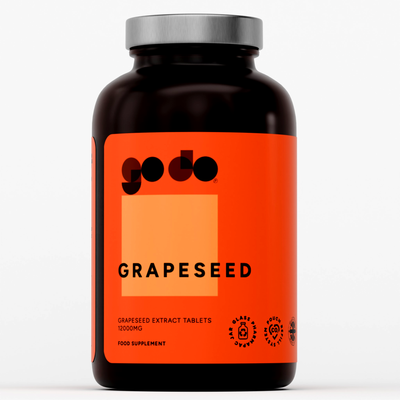
For those looking to supplement their dietary intake, exploring targeted antioxidants can help bridge the gap, especially during periods of high physical or mental stress.

The Gut-Brain Axis: Polyphenols as Prebiotics
One of the most exciting trends of 2026 is "Fibermaxxing," which we’ve discussed in previous updates. However, fiber doesn’t work alone. Polyphenols act as a "selective prebiotic."
While most fiber feeds a broad range of gut bacteria, polyphenols specifically encourage the growth of beneficial strains like Akkermansia muciniphila. This specific bacterium is responsible for maintaining a healthy gut lining, which prevents systemic inflammation.
When you combine high-polyphenol foods with a robust gut health regimen, you create a synergistic effect that boosts both your immunity and your mood.
The "Fibermaxxing" Polyphenol Combo:
- Morning: Overnight oats with 1 tbsp chia seeds (fiber) and 1/2 cup blueberries (polyphenols).
- Lunch: Leafy greens with 1/2 avocado (fiber) and a drizzle of high-phenolic EVOO (polyphenols).
- Evening: Roasted broccoli (fiber) topped with toasted walnuts and pomegranate seeds (polyphenols).
Maximizing Bioavailability: How to Get the Most Benefit
Eating polyphenol-rich food is only half the battle; your body needs to be able to absorb them. Many polyphenols are fat-soluble, meaning they require a source of dietary fat to be effectively transported through the digestive tract.
- Add Fat: Always pair your berries or green tea with a small amount of healthy fat (like nuts or seeds).
- Avoid Milk in Tea: Some studies suggest that the proteins in dairy milk (casein) can bind to polyphenols in tea and coffee, making them harder to absorb. Opt for black tea or use a splash of plant-based milk.
- Store Correctly: Polyphenols are sensitive to light and heat. Store your olive oil in a dark glass bottle in a cool cupboard, not on the windowsill.

2026 Superfood Spotlight: The "New" Contenders
While olive oil and berries are classics, 2026 has introduced a few "new" functional superfoods that are topping the charts for polyphenol density:
- Cacao Nibs: Raw cacao is one of the highest sources of flavanols on the planet. Aim for 10-15g of raw nibs or 90% dark chocolate.
- Pomegranate Arils: These contain punicalagins, which are potent compounds specifically beneficial for heart health and exercise recovery.
- Purple Carrots and Potatoes: Anthocyanins aren't just for fruit anymore. These heirloom vegetable varieties offer significantly higher antioxidant capacity than their orange or white counterparts.
Daily Polyphenol Checklist
To ensure you are hitting your "Longevity Quota," aim to tick off at least four of these five categories every day:
- 1-2 Tbsp High-Phenolic EVOO: Used as a dressing or finishing oil.
- 1 Serving of Deeply Colored Fruit: Berries, pomegranate, or cherries.
- 2-3 Cups of Green or Black Tea: Steeped for at least 3 minutes.
- 1 Serving of Bitter Vegetables: Arugula (rocket), kale, or radicchio.
- 1 Small Serving of Dark Chocolate or Cacao: Minimum 85% cacao solids.
Summary of Key Takeaways
The transition to functional superfoods in 2026 is about precision. By focusing on high-polyphenol intake, you are doing more than just "eating healthy": you are providing your cells with the chemical instructions they need to function optimally.
- Focus on Color: The deeper the color, the higher the polyphenol content.
- Prioritize Quality: Look for certifications in olive oil and organic labels for berries to avoid pesticide interference.
- Support the Gut: Remember that your microbiome is the gateway to polyphenol absorption.
- Consistency is Key: The benefits of polyphenols are cumulative. One "superfood meal" won't change your biology, but a daily habit will.
If you’re looking to optimize your health further, check out our FAQs for more information on how to balance your nutrition and supplement protocols. In 2026, the best medicine is a well-informed diet.
Safety Note: While polyphenols are generally safe, always consult with a healthcare professional before making significant dietary changes, especially if you are taking blood-thinning medication or managing a chronic condition. For more details on our commitment to health, see our organisation values.