Longevity is no longer just about living a long life; it is about extending your "healthspan": the period of life spent in good health, free from chronic disease and disabilities. While high-intensity interval training (HIIT) and heavy lifting often dominate fitness headlines, low-impact cardio remains the foundational pillar for sustainable health.
Low-impact cardio refers to any aerobic activity that increases your heart rate while minimizing the jarring forces on your joints. By reducing the "pounding" associated with running or jumping, you can maintain a high volume of activity over decades rather than weeks. This consistency is the most significant predictor of long-term cardiovascular health and metabolic resilience.
The Science of Low-Impact Training and Lifespan
The connection between cardiovascular fitness and longevity is primarily measured through VO2 max: the maximum amount of oxygen your body can utilize during exercise. Research consistently shows that individuals with higher VO2 max levels have significantly lower mortality rates. However, achieving and maintaining these levels requires frequent training.
High-impact exercises, while effective, often lead to overuse injuries as we age. Low-impact cardio allows for "Zone 2" training: a steady state of exercise where you can still hold a conversation. This specific intensity promotes mitochondrial biogenesis (the creation of new energy-producing powerhouses in your cells) and improves metabolic flexibility without the systemic inflammation often triggered by high-impact, high-stress workouts.
To support your body's ability to recover from these sessions, maintaining optimal Heart Health through proper nutrition and supplementation is essential.
Why Impact Matters: Preserving Your Joints
Every time your foot hits the pavement during a run, your joints absorb force equal to 2.5 to 3 times your body weight. Over thousands of repetitions, this can lead to cartilage wear and tear, chronic inflammation, and osteoarthritis.
Low-impact cardio protects the integrity of your skeletal system. By keeping at least one foot on the ground (or using water for buoyancy), you significantly reduce the load on your ankles, knees, and hips. This preservation of joint health ensures that you can remain mobile well into your 70s, 80s, and beyond. If you are already experiencing stiffness, targeting your Joint Health with specific nutrients can help maintain the lubrication and cushioning needed for movement.

Top 5 Low-Impact Exercises for Longevity
1. Swimming and Water Aerobics
Swimming is often cited as the "perfect" exercise. Due to water’s buoyancy, your body weight is reduced by up to 90%, virtually eliminating joint impact. It provides a full-body workout that engages the core, upper body, and legs while forcing the respiratory system to work efficiently.
Longevity Tip: Focus on varied strokes (freestyle, breaststroke, and backstroke) to ensure a full range of motion in the shoulder girdle.
2. Cycling (Indoor and Outdoor)
Cycling is a closed-chain kinetic exercise, meaning your feet are in constant contact with the pedals. This provides a smooth, circular motion that builds leg strength and cardiovascular endurance without the "thud" of running. It is particularly effective for improving insulin sensitivity and lower-body muscular endurance.
Longevity Tip: Ensure your bike is professionally fitted. A seat that is too low or too high can cause unnecessary strain on the patellar tendon.
3. Power Walking and Rucking
Walking is the most accessible form of low-impact cardio. To turn a standard stroll into a longevity-boosting workout, increase the pace or add a slight incline. "Rucking": walking with a weighted vest or backpack: adds a strength component that helps maintain bone density without the impact of running.
Longevity Tip: Aim for 120–130 steps per minute to reach a moderate aerobic zone.
4. The Elliptical and Vertical Climber
These machines mimic the motion of running or climbing stairs but remove the foot-to-ground impact. They allow for high-intensity intervals (HIIT) in a low-impact environment, making them ideal for boosting VO2 max without risking a stress fracture.
5. Rowing
Rowing is a powerhouse for longevity because it utilizes 86% of the body's muscles. It combines cardiovascular conditioning with functional pulling strength. Because you are seated, the impact on the lower extremities is negligible.
Longevity Tip: Focus on form: drive with the legs first, then lean back slightly, then pull with the arms. Improper rowing form can lead to lower back strain.
Programming Your Longevity Routine
To maximize the benefits of low-impact cardio, you must balance volume and intensity. Use the following framework to structure your week:
- Zone 2 Training (The Foundation): Perform 150–300 minutes per week. This should be a steady-state effort where you are breathing harder than usual but can still speak in full sentences. Walking and cycling are perfect for this.
- Vigorous Intervals (The Peak): Once or twice a week, include a session that pushes your heart rate higher. This could be 4 minutes of vigorous rowing followed by 3 minutes of rest, repeated 4 times.
- Consistency over Intensity: For longevity, it is better to do 30 minutes of low-impact cardio every day than 2 hours of high-impact cardio once a week.
Maintaining high energy levels for these sessions is often a hurdle. Utilizing natural Energy boosters can help you stay consistent with your routine even on busy days.

The Role of Nutrition and Recovery
Cardiovascular health is inextricably linked to metabolic health. Exercise creates oxidative stress; while this is a necessary signal for the body to get stronger, it must be managed. Consuming a diet rich in Antioxidants helps neutralize excess free radicals produced during aerobic metabolism, speeding up recovery times.
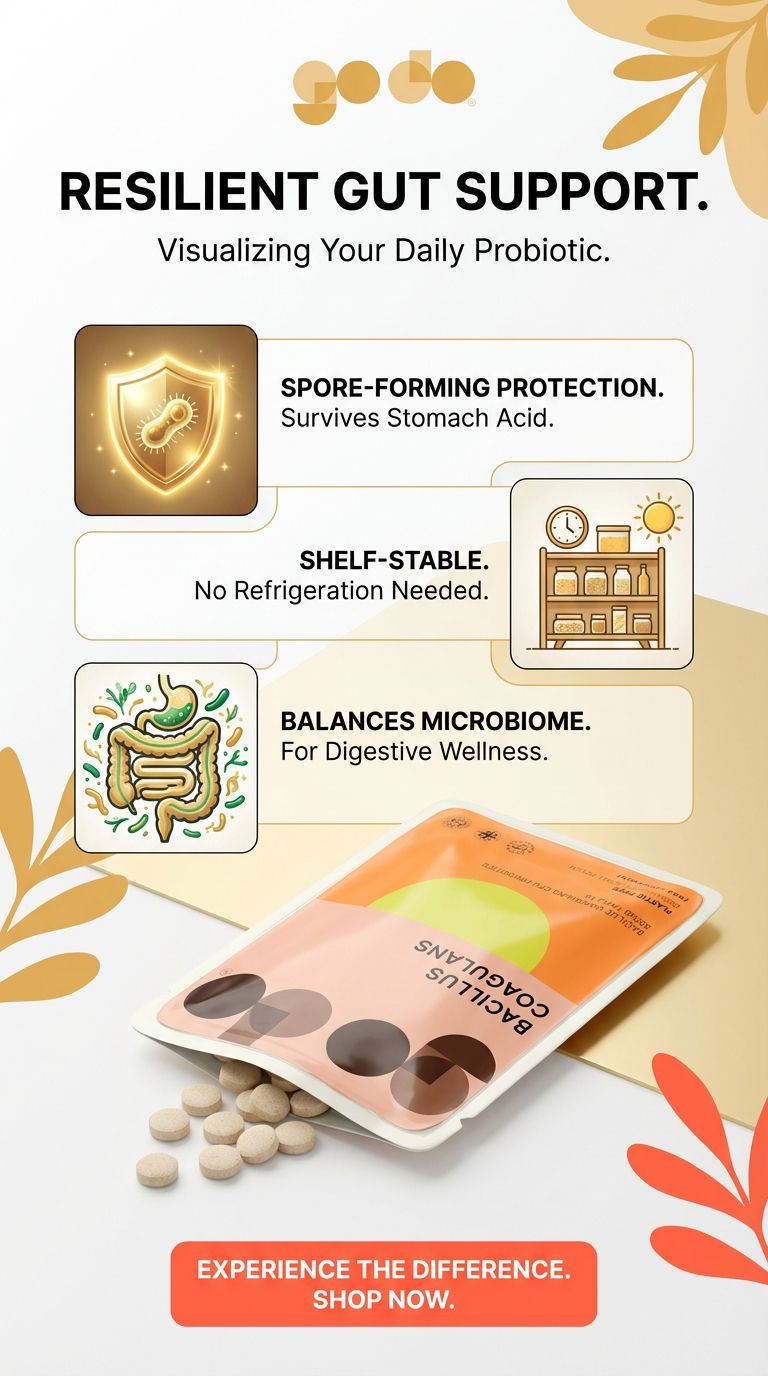
Furthermore, gut health plays a surprising role in athletic performance and longevity. A healthy microbiome reduces systemic inflammation and improves nutrient absorption, ensuring your muscles and heart get the fuel they need.
Strategic Supplementation for the Aerobic Athlete
To thrive in a low-impact cardio program, consider these key areas of support:
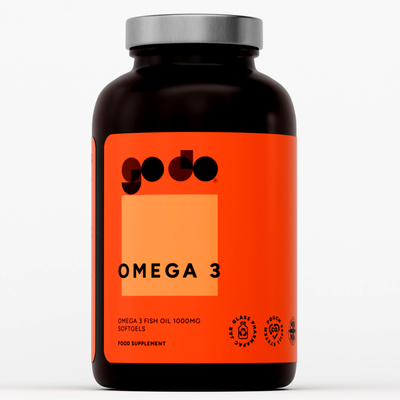
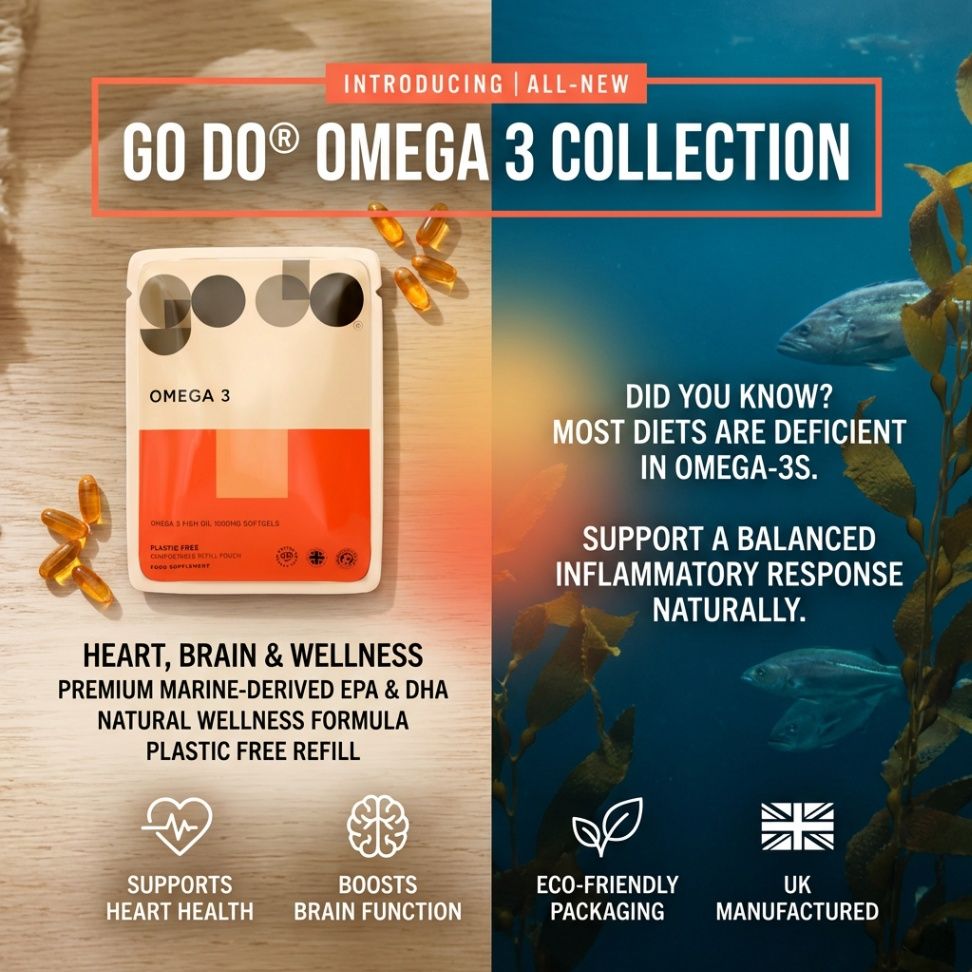
- Omega-3 Fatty Acids: Essential for reducing exercise-induced inflammation and supporting heart rhythm.
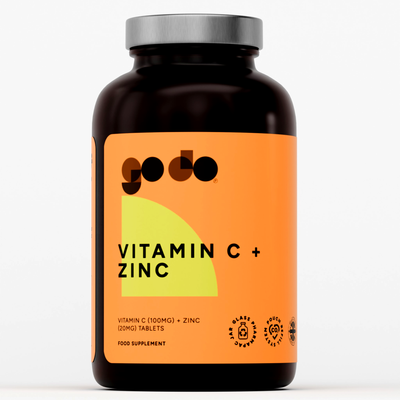
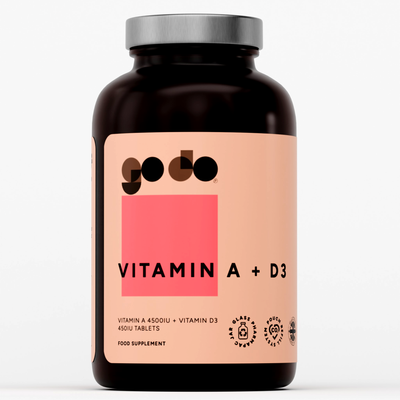
- Magnesium and Electrolytes: Vital for muscle contraction and preventing cramps during long endurance sessions. Explore our Vitamins & Minerals to find high-quality formulations.
- Protein: Even though the impact is low, the muscular demand is high. Ensure you are getting enough protein to repair muscle tissue, especially if you are combining cardio with Strength & Fitness training.
Summary Checklist for Low-Impact Success
- Choose your "Big Three": Pick three low-impact activities you enjoy (e.g., walking, swimming, cycling).
- Monitor your Heart Rate: Use a wearable to ensure you are spending enough time in Zone 2.
- Prioritize Mobility: Supplement your cardio with 10 minutes of stretching to maintain joint range of motion.
- Hydrate and Refuel: Support your cardiovascular system with targeted nutrition and heart-healthy supplements.
- Listen to your Body: If a joint feels "hot" or sharp, switch to a different low-impact modality for a few days.
Low-impact cardio is the "slow and steady" approach that wins the race of life. By choosing movements that respect your physiology while challenging your heart, you build a body that is not only fit today but resilient for decades to come.
10 Fresh Topics for Future Articles
- Exercise Snacking: Why 10-Minute Micro-Workouts are the Future of Desk-Bound Fitness.
- The Cortisol Connection: How Over-Training Can Lead to Weight Gain and Brain Fog.
- Mitochondrial Health: The Invisible Key to Anti-Aging and Infinite Energy.
- Rucking for Longevity: Why Carrying Weight is the Ultimate Functional Cardio.
- The Circadian Fitness Link: Why Timing Your Workout Matters for Sleep and Hormones.
- Bone Density for Women: How to Prevent Osteoporosis Through Progressive Overload.
- Nasal Breathing vs. Mouth Breathing: How to Increase Your VO2 Max Naturally.
- The Science of Sauna: Using Heat Therapy for Heart Health and Muscle Recovery.
- Gut-Brain-Muscle Axis: How Your Microbiome Influences Your Athletic Performance.
- The Hybrid Athlete: How to Build Strength and Endurance Simultaneously Without Burnout.