The fitness world loves a good showdown. Weights vs. cardio. Morning workouts vs. evening sessions. And perhaps the most heated debate of all: HIIT vs. LISS.
If you've ever wondered whether you should be gasping for air in 20-minute sprint sessions or plodding along comfortably for an hour, you're not alone. Both camps have passionate supporters who'll swear their method is the golden ticket to a healthy heart and a longer life.
Here's the truth: the answer isn't as black and white as the internet would have you believe. Let's break down what the science actually says about these two training styles and figure out which one deserves a permanent spot in your routine.
What Exactly Are HIIT and LISS?
Before we dive into the cardiovascular benefits, let's get our definitions straight.
HIIT (High-Intensity Interval Training) involves short bursts of all-out effort followed by rest or low-intensity recovery periods. Think 30 seconds of sprinting followed by 90 seconds of walking, repeated for 15-25 minutes. Your heart rate shoots up to 80-95% of its maximum during the work intervals.
LISS (Low-Intensity Steady State) is exactly what it sounds like: sustained, moderate-effort exercise maintained for longer periods. A 45-minute jog where you can hold a conversation, a brisk walk, or a leisurely cycle all qualify. Heart rate typically stays at 50-65% of maximum throughout.
Both methods improve cardiovascular fitness. They just take very different routes to get there.

The Case for HIIT: Maximum Results, Minimum Time
HIIT has earned its reputation as the time-crunched exerciser's best mate. Research consistently shows that 20 minutes of high-intensity intervals can deliver cardiovascular improvements comparable to 45 minutes of steady-state work.
Key Benefits for Heart Health
- Rapid VO2 max improvements: HIIT pushes your heart to work harder, forcing adaptations that increase your maximum oxygen uptake faster than moderate exercise.
- Improved insulin sensitivity: High-intensity work enhances glucose regulation, reducing risk factors for type 2 diabetes and metabolic syndrome.
- Dual-system training: HIIT improves both aerobic and anaerobic capacity simultaneously, giving your cardiovascular system a more complete workout.
- Blood pressure reduction: Studies show HIIT produces similar reductions in blood pressure to longer steady-state sessions.
The efficiency argument is compelling. If you're genuinely pressed for time, HIIT delivers impressive bang for your buck.
The Catch
HIIT is demanding. Properly executed high-intensity intervals leave you genuinely breathless: not slightly winded, but hands-on-knees, questioning-your-life-choices breathless. This intensity comes with trade-offs:
- Higher stress on joints, muscles, and connective tissue
- Greater nervous system fatigue
- Longer recovery requirements between sessions
- Increased injury risk if form deteriorates during fatigue
You simply cannot do true HIIT every day. Your body needs time to recover, which brings us to an often-overlooked factor in long-term heart health.
The Case for LISS: The Slow and Steady Approach
LISS might seem boring compared to its flashier cousin, but underestimate it at your peril. This training style has been keeping hearts healthy long before interval training became trendy.

Key Benefits for Heart Health
- Sustainable training volume: Lower intensity means you can train more frequently without accumulating excessive fatigue.
- Joint-friendly: The reduced impact makes LISS suitable for people with joint concerns, older adults, or those returning from injury.
- Stress hormone regulation: Unlike HIIT, which temporarily spikes cortisol, LISS tends to reduce stress hormones, supporting overall metabolic health.
- Foundation building: LISS develops your aerobic base: the cardiovascular infrastructure that supports all other training.
- Improved blood flow: Sustained moderate effort enhances circulation and reduces heart disease risk over time.
The Trade-Off
LISS requires more time to achieve equivalent cardiovascular improvements. If your schedule barely accommodates 20 minutes of exercise, committing to 45-60 minute sessions becomes genuinely challenging.
There's also the psychological factor. Some people find steady-state cardio mind-numbingly dull. Boredom is a legitimate barrier to long-term adherence, and a workout you won't do consistently won't help your heart much.
Recovery and Heart Rate Variability: The Missing Piece
Here's where the conversation gets interesting. Long-term heart health isn't just about how hard you train: it's about how well you recover.
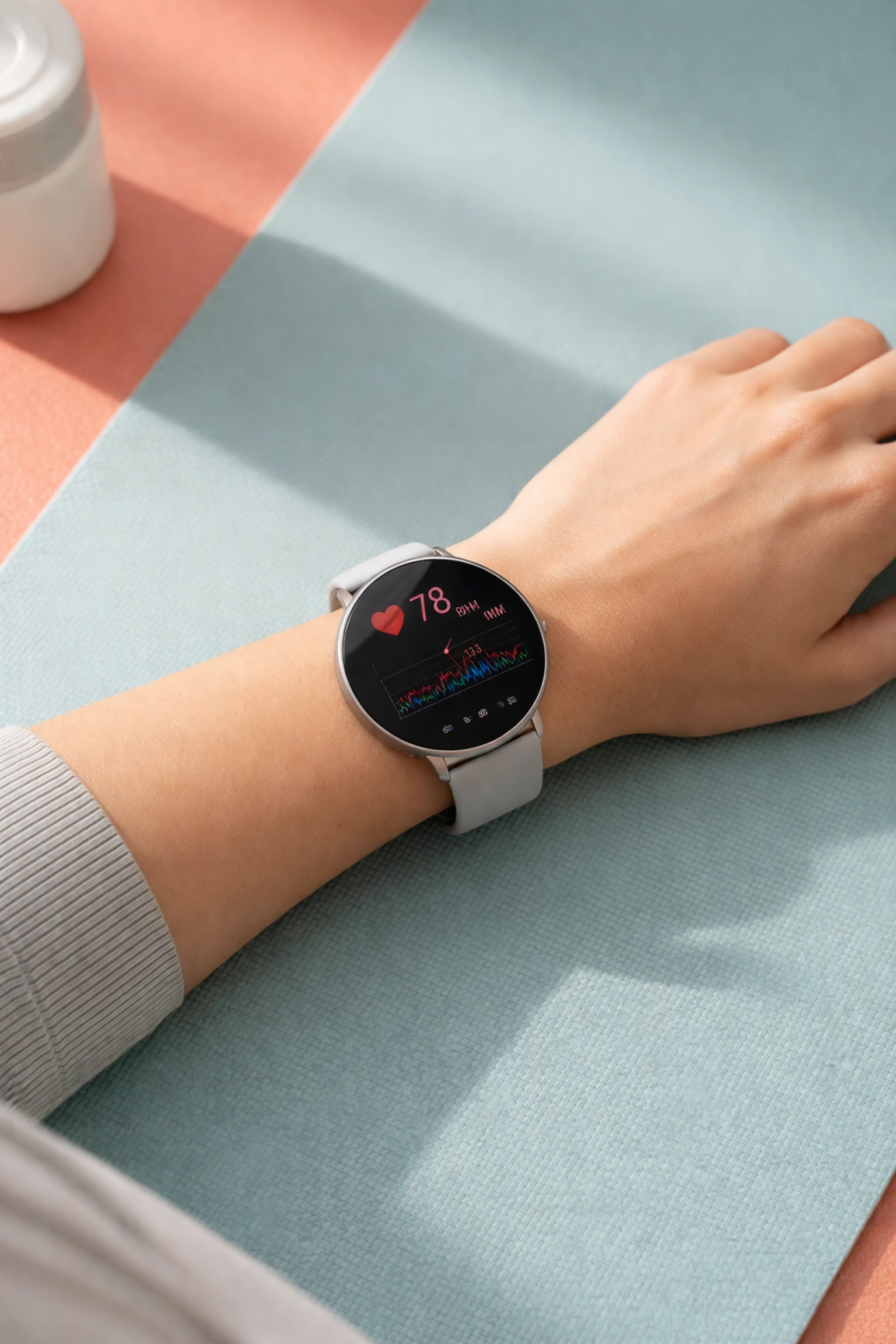
Heart Rate Variability (HRV) measures the variation in time between heartbeats. Higher HRV generally indicates better cardiovascular fitness, improved stress resilience, and a more adaptable autonomic nervous system. It's become a key metric for serious athletes and health-conscious individuals tracking their recovery.
How Each Method Affects HRV
HIIT temporarily suppresses HRV in the hours and days following a session. This is normal: your body is recovering from significant stress. However, chronic HIIT without adequate recovery can lead to persistently low HRV, indicating accumulated fatigue and potential overtraining.
LISS tends to have a neutral or positive effect on HRV, particularly when performed at truly low intensities. It can actually aid recovery from harder sessions while still providing cardiovascular benefits.
Practical Implications
If you're monitoring your HRV (many smartwatches now offer this feature), pay attention to trends:
- Consistently declining HRV suggests you may need more recovery time
- A single HIIT session shouldn't cause concern, but back-to-back high-intensity days will take their toll
- LISS on low-HRV days can maintain fitness without digging a deeper recovery hole
Supporting your recovery with proper nutrition matters too. Magnesium, for instance, plays a crucial role in muscle relaxation, sleep quality, and nervous system function: all factors that influence how quickly you bounce back from intense training.
Long-Term Adherence: The Real Winner
Here's the uncomfortable truth that fitness debates often ignore: the best exercise for your heart is the one you'll actually do consistently for years.
Research on exercise adherence paints a clear picture:
- Enjoyment predicts consistency. People who find their workouts genuinely engaging stick with them longer.
- Injury prevents progress. Overly aggressive training increases injury risk, and injuries derail exercise habits.
- Variety reduces burnout. Doing the same thing repeatedly, whether HIIT or LISS, eventually becomes stale for most people.
A programme you follow for six months and then abandon delivers far less long-term cardiovascular benefit than a sustainable routine you maintain for decades.
The Verdict: Why You Probably Need Both
If you've been hoping for a definitive winner, sorry to disappoint. The evidence suggests that combining HIIT and LISS provides the most comprehensive cardiovascular benefits while minimising the downsides of either approach alone.
A Balanced Weekly Approach
Here's a practical framework for incorporating both methods:
| Training Type | Frequency | Duration | Purpose |
|---|---|---|---|
| HIIT | 1-2 sessions | 15-25 minutes | VO2 max, time efficiency, metabolic boost |
| LISS | 2-3 sessions | 30-60 minutes | Aerobic base, recovery, stress reduction |
| Rest/Active Recovery | 1-2 days | Variable | Adaptation, injury prevention |
Guidelines by Fitness Level
Beginners: Start with LISS to build a foundation. Add one HIIT session per week after 4-6 weeks of consistent training.
Intermediate: Balance 1-2 HIIT sessions with 2-3 LISS sessions. Monitor how you feel and adjust based on recovery.
Advanced: Can handle 2-3 HIIT sessions weekly, but should still include LISS for recovery and aerobic maintenance.
Practical Takeaways
-
Stop thinking either/or. Both HIIT and LISS improve cardiovascular health through different mechanisms. Use both.
-
Match intensity to recovery. If you're tired, stressed, or showing low HRV, opt for LISS over HIIT.
-
Prioritise consistency over intensity. A moderate routine you maintain for years beats an aggressive programme you abandon after months.
-
Support recovery actively. Quality sleep, proper nutrition, and supplements like magnesium help your body adapt to training stress.
-
Listen to your body. Joint pain, persistent fatigue, and declining performance are signals to back off, not push harder.
Your heart doesn't care about fitness trends or gym debates. It responds to consistent, progressive cardiovascular training: whatever form that takes. The real win is finding a sustainable mix that keeps you moving, recovering, and showing up year after year.
That's how you build a heart that lasts.