Scroll through fitness social media these days, and you'll notice something unexpected: influencers aren't just posting about crushing high-intensity workouts anymore. Instead, they're sharing 60-minute walks, easy bike rides, and Zone 2 cardio sessions that look almost... boring. This shift represents more than just a trend: it reflects a growing understanding of how aerobic base building and mitochondrial health form the foundation of genuine fitness.
Zone 2 cardio has emerged from the shadows of professional endurance training into mainstream fitness culture, promoted by longevity experts, exercise physiologists, and even bodybuilders who've discovered its surprising benefits. But what exactly is Zone 2 training, and does the average person really need to spend 3-4 hours weekly doing "easy" cardio?
What Zone 2 Cardio Actually Means
Zone 2 cardio represents moderate-intensity aerobic exercise performed at 60-70% of maximum heart rate. This places it firmly in the aerobic energy system, where the body primarily burns fat for fuel rather than relying on carbohydrates. The defining characteristic isn't just the heart rate number: it's the ability to maintain a conversation while exercising, though you're definitely working harder than a casual stroll.
Exercise physiologists define Zone 2 as the highest intensity at which lactate production remains stable rather than accumulating in the bloodstream. This metabolic marker indicates that your aerobic system can efficiently clear the lactate being produced, maintaining what scientists call "steady-state" exercise.

For most people, Zone 2 corresponds to a brisk walk with incline, easy cycling, swimming at conversational pace, or rowing at moderate intensity. The key isn't the specific activity: it's maintaining that aerobic, fat-burning intensity where your breathing increases but never becomes laboured.
Why Longevity Experts Champion Easy Cardio
The Zone 2 obsession among longevity researchers stems from its profound effects on mitochondrial health. Mitochondria, often called the powerhouses of cells, become more numerous and efficient through consistent Zone 2 training. Research shows this type of exercise stimulates mitochondrial biogenesis, literally growing new mitochondria: while improving their ability to produce energy from fat.
Dr Peter Attia, a prominent longevity physician, advocates for Zone 2 training specifically because of its metabolic flexibility benefits. When mitochondria efficiently burn fat, the body maintains better blood sugar control, reduces oxidative stress, and improves insulin sensitivity. These adaptations extend far beyond athletic performance into markers of healthy ageing.
Influencers have latched onto Zone 2 partly because it fits perfectly into busy lifestyles. Unlike high-intensity sessions that require recovery time, Zone 2 workouts can be performed daily without accumulated fatigue. You can take work calls during Zone 2 walks, listen to podcasts during easy bike rides, or catch up on audiobooks while maintaining the target intensity.
The psychological appeal also matters. Zone 2 feels sustainable and enjoyable rather than punishing, making it easier to maintain consistency: the most important factor for long-term fitness adaptations.
How to Actually Determine Your Zone 2
Calculating Zone 2 intensity requires more precision than generic heart rate formulas suggest. The traditional "220 minus age" equation often proves inaccurate, especially for trained individuals or those with naturally high or low resting heart rates.
Heart Rate Testing Methods:
The most accurate approach involves professional lactate testing, where blood lactate levels are measured at increasing exercise intensities. Zone 2 corresponds to approximately 2 millimoles of lactate per litre of blood. However, most people don't have access to lactate analysers.
A practical alternative uses heart rate variability during a step test. Warm up thoroughly, then increase intensity every 3-5 minutes while monitoring heart rate. Zone 2 typically falls at 65-75% of maximum heart rate, but individual variation means this range serves only as a starting point.
The Talk Test:
Perhaps the most accessible method involves the conversational pace test. During Zone 2 exercise, you should be able to speak in complete sentences without gasping for air, but you wouldn't want to give a presentation. If you can sing, you're in Zone 1. If you can only manage short phrases, you've moved into Zone 3.
Nasal Breathing Test:
Another practical marker involves maintaining nasal-only breathing throughout the session. When exercise intensity forces mouth breathing, you've likely exceeded Zone 2. This method works particularly well for beginners learning to recognize the correct intensity.

For UK fitness enthusiasts without access to professional testing, combining heart rate monitoring with the talk test provides reasonable accuracy for establishing Zone 2 training zones.
The Science of Aerobic Base Building
Zone 2 training triggers specific physiological adaptations that improve both performance and metabolic health. The aerobic system responds to consistent moderate-intensity exercise by increasing stroke volume: the amount of blood pumped with each heartbeat. This allows the heart to work more efficiently at all intensities.
Capillary density increases around muscle fibres, improving oxygen delivery and waste removal. These structural changes enhance endurance capacity while reducing the cardiovascular stress of daily activities.
The mitochondrial adaptations prove particularly significant. Zone 2 exercise increases both the size and number of mitochondria, while improving their enzymatic capacity for fat oxidation. This enhanced "fat-burning machinery" provides sustained energy without the peaks and crashes associated with carbohydrate dependence.
Research demonstrates that individuals with superior Zone 2 capacity show better glucose tolerance, lower inflammation markers, and improved cardiovascular risk profiles. These benefits extend to cognitive function, with aerobic fitness correlating with better memory and executive function as people age.
Balancing Zone 2 with High-Intensity Training
The polarized training model, used by elite endurance athletes, suggests spending approximately 80% of training time at low intensity (Zone 1-2) and 20% at high intensity (Zone 4-5). This approach avoids the "moderate intensity trap" where athletes spend too much time in Zone 3: too hard for aerobic development, too easy for anaerobic adaptation.
For recreational exercisers, this might translate to 3-4 Zone 2 sessions weekly plus 1-2 higher-intensity workouts. The Zone 2 sessions build the aerobic foundation that supports higher-intensity performance while providing active recovery between demanding workouts.
However, individual goals matter enormously. Powerlifters might use Zone 2 primarily for recovery and cardiovascular health, while endurance athletes build massive aerobic bases with 6+ hours weekly. The key lies in matching Zone 2 volume to specific objectives rather than following generic recommendations.

Strength training and Zone 2 cardio complement each other effectively. The aerobic improvements enhance recovery between sets and training sessions, while resistance training maintains muscle mass that supports metabolic health.
Do You Really Need 3-4 Hours Weekly?
The "minimum effective dose" for Zone 2 benefits appears lower than many influencers suggest. Research indicates that even 150 minutes weekly of moderate-intensity exercise: equivalent to 2.5 hours: provides substantial health benefits. However, the dose-response relationship continues well beyond this threshold.
For basic health maintenance, 2-3 hours of Zone 2 training weekly delivers meaningful improvements in cardiovascular fitness, metabolic flexibility, and longevity markers. Individuals seeking performance improvements or significant body composition changes may benefit from higher volumes.
The practical reality involves finding sustainable amounts that fit individual lifestyles. Someone managing a demanding career might prioritise 30-minute daily Zone 2 walks, while retired individuals could enjoy 90-minute cycling sessions. Consistency trumps perfection in accumulating Zone 2 adaptations.
British exercise guidelines recommend 150-300 minutes of moderate-intensity activity weekly for health benefits. Zone 2 training fits perfectly within these recommendations while providing more specific metabolic adaptations than generic "moderate exercise."
Polarized vs Moderate Intensity Training
The polarized training model contrasts sharply with the "moderate everything" approach common in commercial fitness. Rather than training primarily in Zone 3 (moderately hard), polarized training emphasises easy and hard sessions with minimal middle-ground work.
Zone 3 training: where many group fitness classes operate: often feels challenging enough to seem productive while being too intense for optimal aerobic development. This intensity frequently leaves participants too tired for high-quality harder sessions while missing the specific adaptations of true Zone 2 work.
Research comparing training approaches consistently shows superior results from polarized programmes across various populations. The easy sessions become truly easy, allowing for harder work during intense sessions and better recovery between training blocks.
For time-pressed individuals, this might mean choosing between genuine Zone 2 sessions and proper high-intensity intervals rather than defaulting to moderate-intensity classes that provide limited specific adaptations.
Practical Zone 2 Implementation
Starting Zone 2 training requires patience with the seemingly slow pace. Many fitness enthusiasts initially struggle with exercising "easy enough," having become accustomed to leaving every session exhausted.
Getting Started:
Begin with 20-30 minute sessions 2-3 times weekly, focusing on maintaining the target intensity rather than maximising duration. Gradually increase session length by 5-10 minutes every 2-3 weeks as aerobic capacity improves.
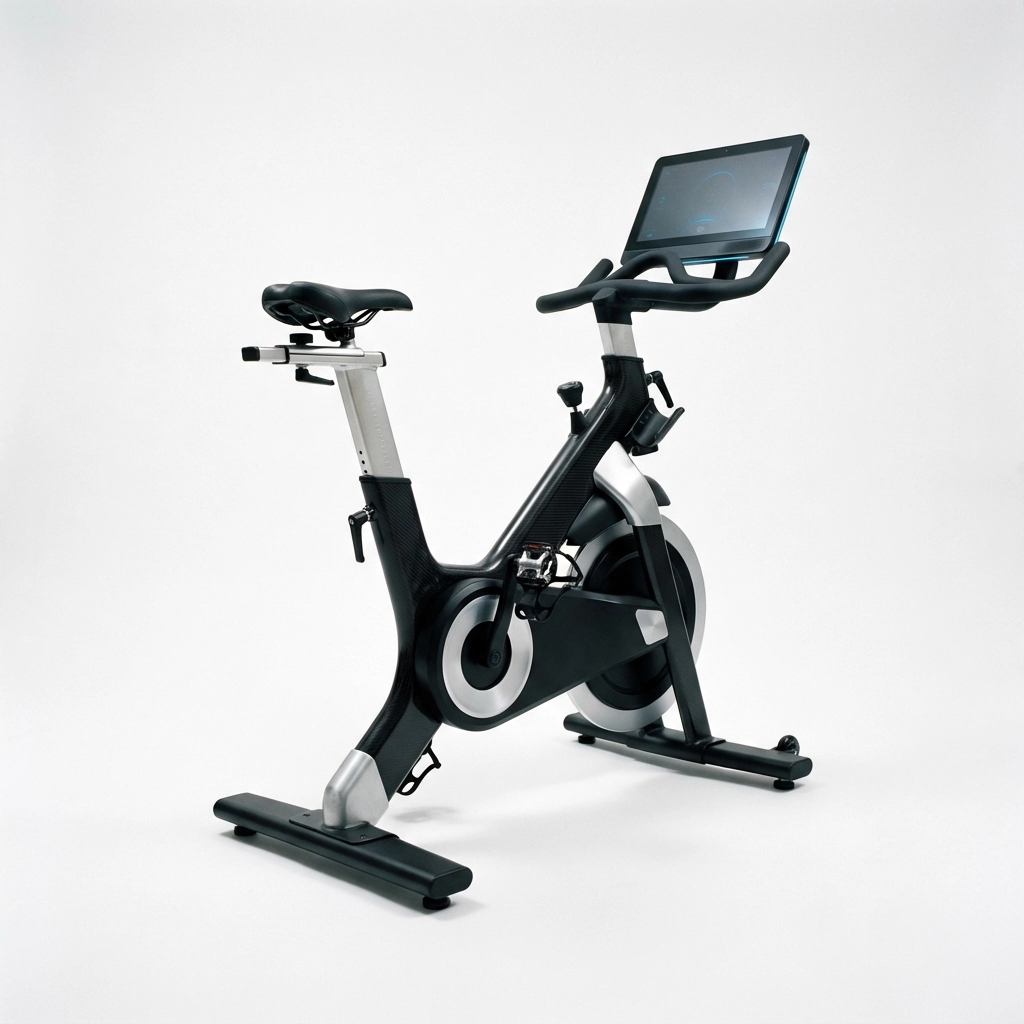
Choose activities that feel sustainable and enjoyable. Walking remains the most accessible option, particularly with incline to reach target heart rates. Cycling, swimming, rowing, and elliptical training all work effectively when intensity is properly controlled.
Monitoring Progress:
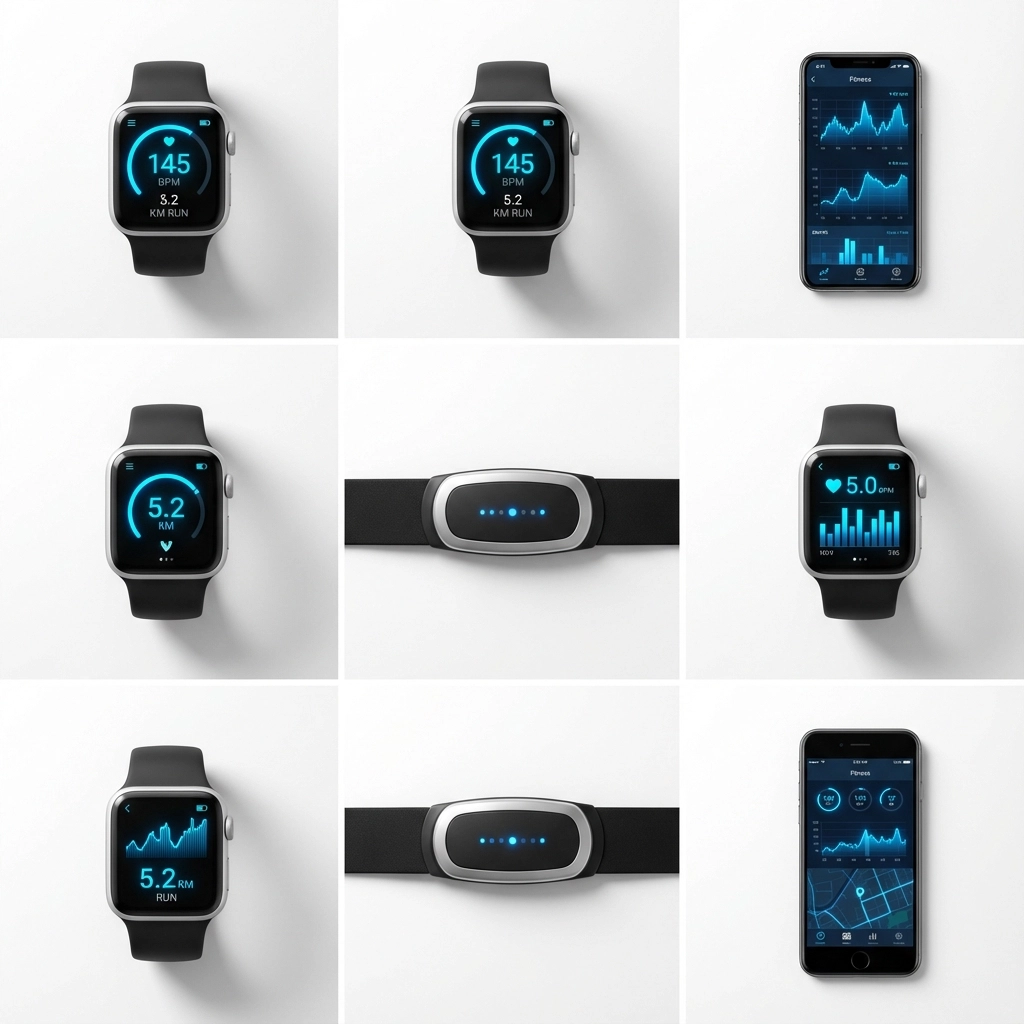
Track improvements through decreased heart rate at standard paces, improved heart rate recovery, or increased power output at Zone 2 heart rates. These metrics provide more meaningful feedback than simply completing prescribed durations.
The beauty of Zone 2 training lies in its simplicity and sustainability. Unlike complex programming or expensive equipment, it requires only the discipline to exercise easier than instinct suggests, trusting the science of aerobic adaptation over the psychological satisfaction of intense effort.
Zone 2 cardio represents a return to fundamental exercise physiology principles that somehow got lost in the pursuit of more extreme training methods. For individuals seeking sustainable fitness improvements, metabolic health benefits, and genuine longevity adaptations, spending time in this often-overlooked training zone might be exactly what their programme needs.