The year is 2026, and the "one-size-fits-all" diet is officially a relic of the past. Remember when we all tried the same keto plan or followed a generic 1,200-calorie PDF we found online? In 2026, those methods look as outdated as a dial-up modem.
Today, nutrition has moved out of the realm of guesswork and into the era of precision. AI is no longer just a chatbot you ask for recipes; it is the central nervous system of your kitchen, syncing with your blood markers, your sleep data, and even your DNA to tell you exactly what to eat at 6:00 PM on a Tuesday.
At Fitness Health, we’ve seen the shift firsthand. Our customers are no longer asking "Is broccoli good for me?" Instead, they’re asking, "Does my current glucose spike suggest I should pair this broccoli with more healthy fats or a different protein source?"
In this guide, we’ll explore how AI and wearable technology have killed the generic diet and how you can leverage these tools to optimize your health.
The Death of the "Generic" Diet
For decades, the health industry operated on averages. If a diet worked for 60% of a study group, it was marketed to 100% of the population. But humans are bio-individual. Your gut microbiome, your metabolic rate, and your genetic predispositions are as unique as your fingerprint.
Generic diets failed because they ignored these variables. A "healthy" high-carb diet for an endurance athlete could be a metabolic disaster for someone with insulin resistance. By 2026, AI has bridged this gap. It processes millions of data points to understand why your body reacts to a banana differently than your neighbor’s does.
The Tech Stack: How Your Kitchen Became "Smart"
The "AI Kitchen" isn't necessarily about robot arms flipping pancakes (though that technology exists). It’s about a seamless data loop between your body and your meal plan.
1. Wearables and Real-Time Data
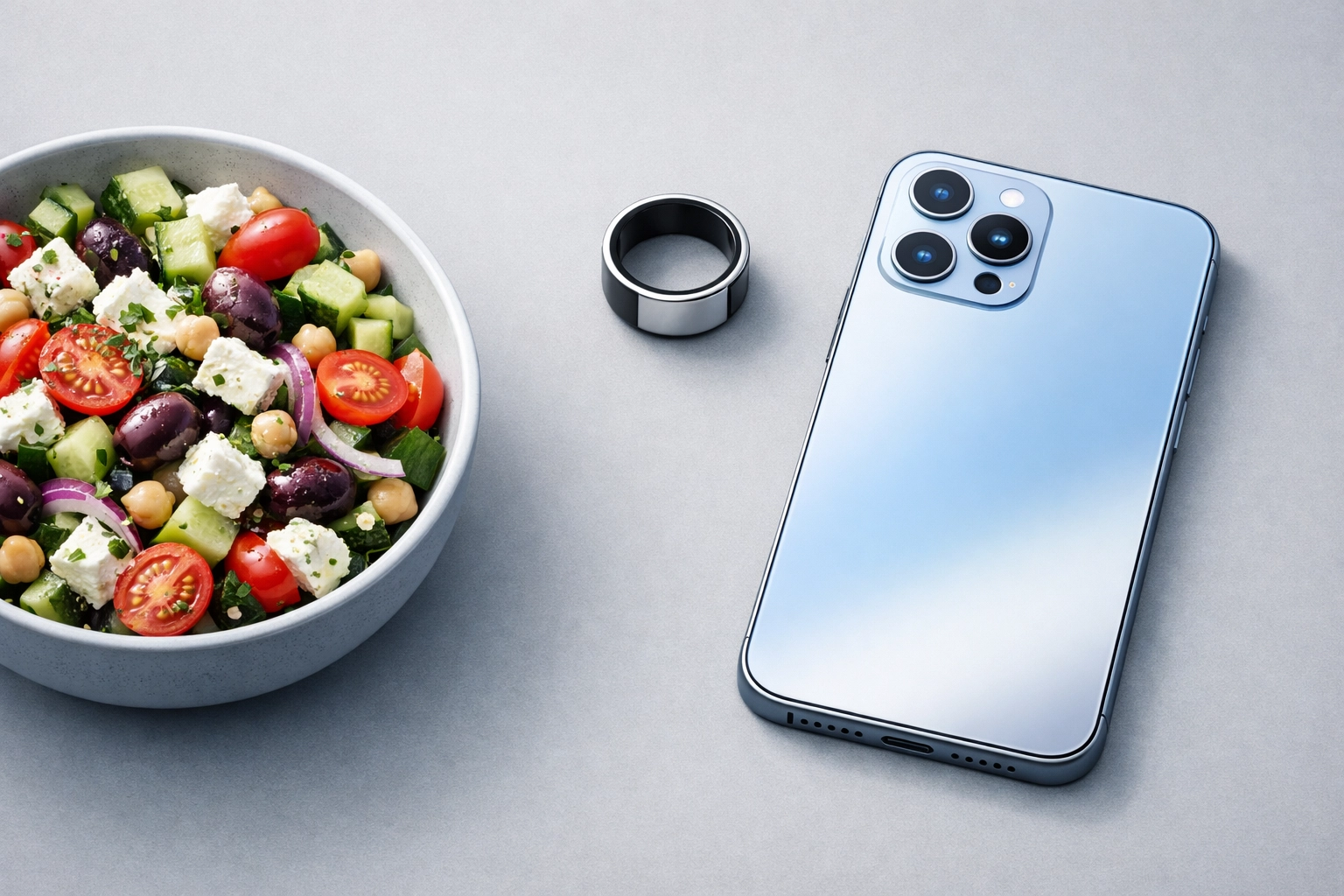
The foundation of personalized nutrition in 2026 is the wearable. Devices like smart rings, advanced watches, and Continuous Glucose Monitors (CGMs) provide a 24/7 stream of data.
- Glucose Monitoring: Real-time feedback on how specific foods affect your blood sugar.
- Recovery Scores: If your wearable shows poor recovery (low HRV), your AI nutritionist might increase your intake of antioxidants or magnesium for that day.
- Sleep Quality: AI can identify if a late-night meal disrupted your REM cycle and adjust your dinner time for the following evening.
2. Microbiome and Genetic Testing
At-home testing kits have become standard. By analyzing your gut bacteria, AI can determine which "superfoods" your body can actually process. If your gut health is compromised, the AI won't recommend high-fiber raw kale; it will suggest fermented foods or specific probiotic-rich meals to heal the lining first.
3. Smart Refridgerators and Inventory AI
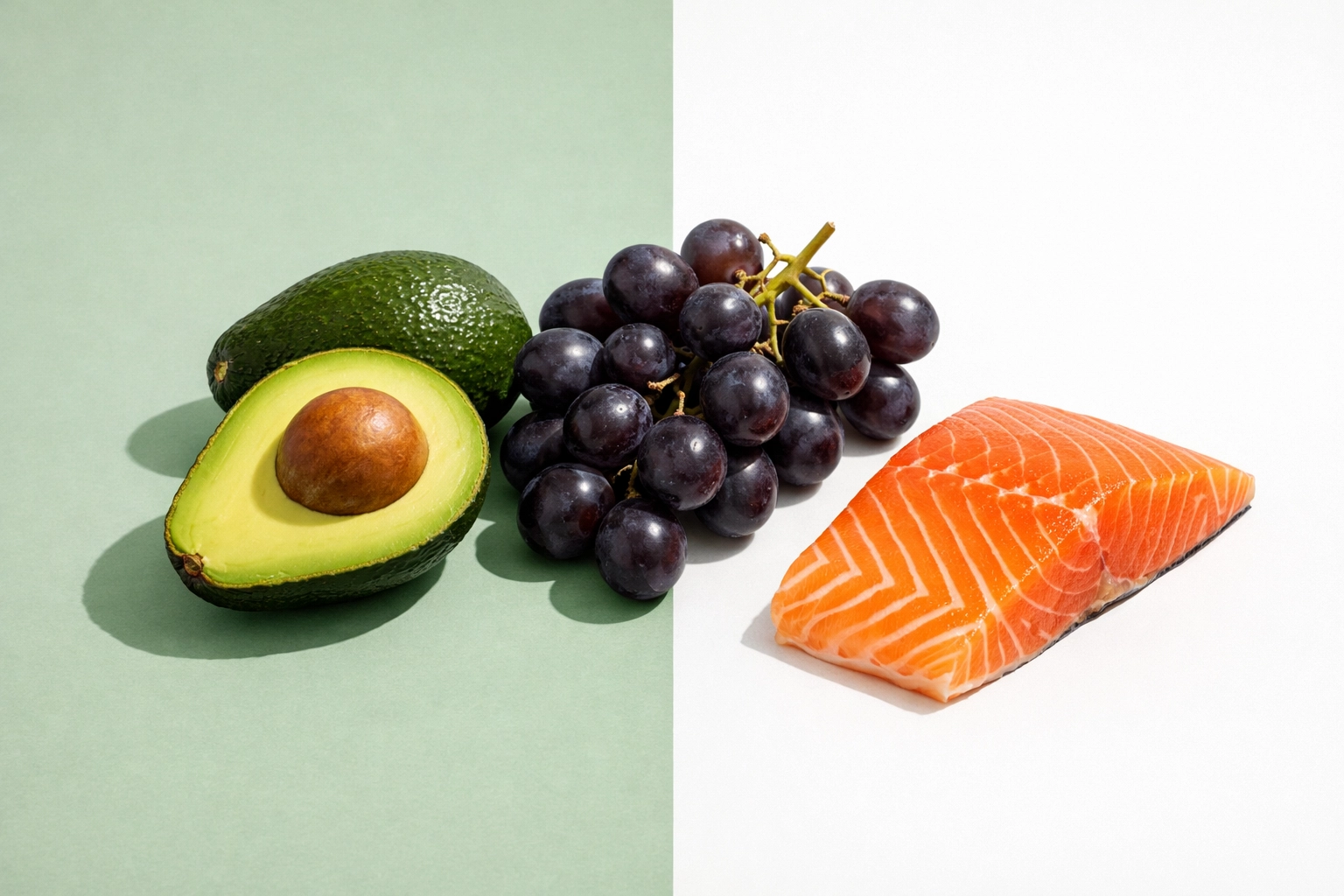
Modern apps now scan your fridge and pantry. When your AI identifies that you are low on Vitamin D-rich foods during a week with little sunlight, it doesn't just tell you; it adds salmon or fortified mushrooms to your digital grocery list and suggests a recipe that takes 15 minutes to cook.
How AI Creates Your Hyper-Personalized Meal Plan
So, how does this actually look in practice? Let’s break down the step-by-step process that AI uses to build your 2026 meal plan.
Step 1: The Data Sync
Your AI nutrition platform pulls data from your health apps. It knows you ran 5 miles this morning, slept 6 hours, and that your menstrual cycle is in the luteal phase (which increases caloric needs).
Step 2: Biomarker Analysis
If you’ve recently done a blood test or a saliva swab, the AI looks at markers like Ferritin, Vitamin D, and B12. It notes that your iron is slightly low, so it prioritizes heme-iron sources or pairs plant-based iron with Vitamin C for better absorption.
Step 3: Predictive Planning
The AI doesn't just react; it predicts. It knows you have a high-stress meeting at 2:00 PM. To prevent a "brain fog" crash, it plans a lunch high in omega-3s and low-glycemic index carbohydrates to keep your cognitive function sharp. This is what we call "Neuro-Nutrition."
The Role of Supplements in an AI-Driven World
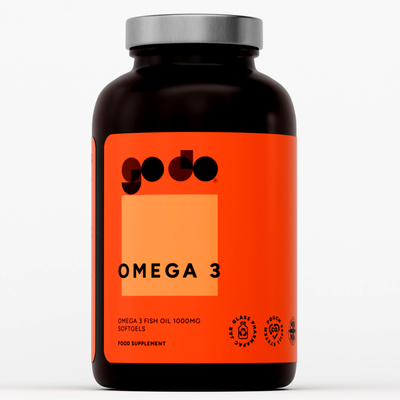
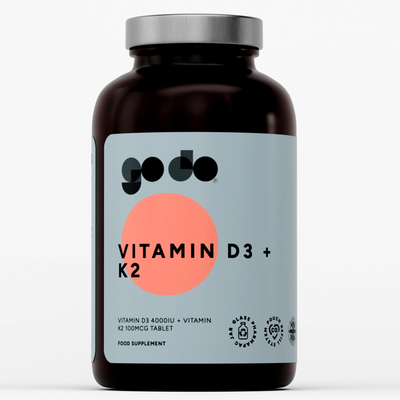
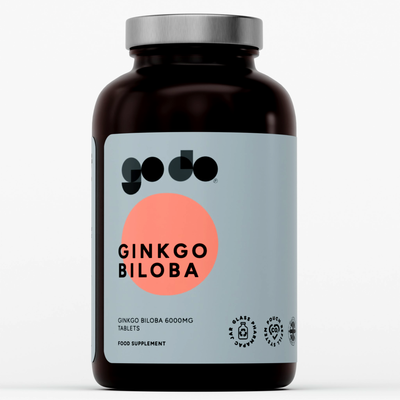
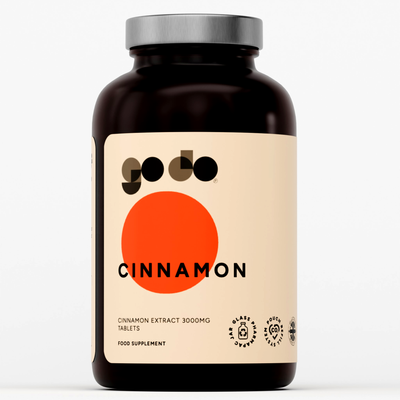
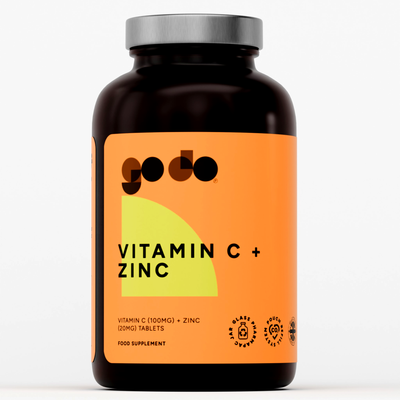
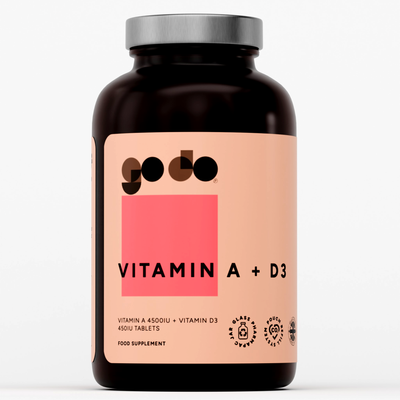
Even with a perfect AI meal plan, gaps can exist. In 2026, supplementation is no longer about taking a "multivitamin" and hoping for the best. It is about targeted, data-backed support.
- Weight Management: For those using modern medical interventions, our weight loss collection offers support that complements AI-tracked caloric deficits.
- Immune Precision: If your AI detects a rise in resting heart rate (an early sign of illness), it might prompt you to increase your intake from our immunity collection.
- Optimizing the Gut: AI often identifies specific "gaps" in the microbiome that can be filled with targeted probiotics.
Why This Matters for Longevity
Personalized nutrition isn't just about looking good in the short term; it’s about "Healthspan": the number of years you live in good health. By avoiding the systemic inflammation caused by eating foods that don't "agree" with your biology, you reduce the long-term risk of chronic disease.
Generic diets often lead to the "yo-yo" effect. Because they aren't sustainable or tailored to your hunger hormones, you eventually quit. AI-driven plans adapt to your cravings and social life. If the AI sees you’re at a restaurant (via GPS), it can suggest the best menu item for your specific metabolic goals.
How to Get Started with AI Nutrition Today
You don't need a futuristic laboratory in your house to start benefiting from these trends. Here is how you can transition from a generic diet to a personalized one:
- Invest in a Wearable: Start with a device that tracks sleep and activity. This is the "input" your AI needs.
- Use a Smart Tracking App: Move away from simple calorie counters. Use apps that integrate with your wearable and offer "AI Coaching" features.
- Test, Don't Guess: Order a microbiome or basic blood panel. Knowing your baseline is essential for the AI to provide accurate recommendations.
- Listen to the Feedback Loop: If the AI suggests a meal and you feel bloated afterward, log it. The machine learning algorithm will learn your "intolerances" faster than you can.
Summary: The Future is on Your Plate
By the end of 2026, the idea of a "diet" will be replaced by "nutritional flow." You won't be on a diet; you will be in a constant state of nutritional adjustment based on your body’s needs.
Key Takeaways:
- Generic diets are dead: They ignore the complexities of individual biology.
- Data is king: Wearables and biomarkers provide the blueprint for what you should eat.
- AI is the bridge: It translates complex biological data into simple, actionable meal plans.
- Precision supplements: Use data to choose supplements that fill specific gaps rather than using a shotgun approach.
At Fitness Health, we are committed to providing the educational resources and high-quality products you need to navigate this high-tech landscape. Whether you are looking to optimize your gut or boost your immunity, the future of health is personal.
For more information on our values and how we support your journey, visit our organisation values page or browse our latest blog posts.
Disclaimer: While AI provides powerful insights, always consult with a healthcare professional before making significant changes to your diet or supplement routine, especially if you have underlying health conditions. See our full disclaimer for more details.