You've probably heard that high-intensity workouts are the best way to get fit. Sweat buckets, push your limits, feel the burn. But what if the real secret to living longer and healthier isn't about going harder: it's about going easier?
Enter Zone 2 training. This low-intensity approach has become a hot topic among longevity researchers, elite athletes, and everyday fitness enthusiasts alike. The science is compelling: training at a comfortable, conversational pace triggers powerful adaptations in your cells that can literally add years to your life.
Let's break down exactly what Zone 2 training is, why it works, and how you can start reaping the benefits today.
What Exactly Is Zone 2 Training?
Zone 2 refers to a specific heart rate range: typically 60-70% of your maximum heart rate. At this intensity, you're working hard enough to elevate your breathing but not so hard that you can't hold a conversation.
Think of it as the "talk test" zone. If you can chat with a mate while exercising without gasping for air, you're probably in Zone 2. If you can belt out a full song, you're going too easy. If you can only manage one-word answers, you've pushed too hard.
Common Zone 2 activities include:
- Brisk walking
- Light jogging
- Easy cycling
- Steady swimming
- Rowing at a relaxed pace
The key characteristic? Sustainability. You should be able to maintain Zone 2 effort for 45 minutes to several hours without feeling wiped out.

The Mitochondrial Connection: Your Cellular Powerhouses
Here's where things get genuinely exciting. Zone 2 training doesn't just improve your fitness: it transforms your cells from the inside out.
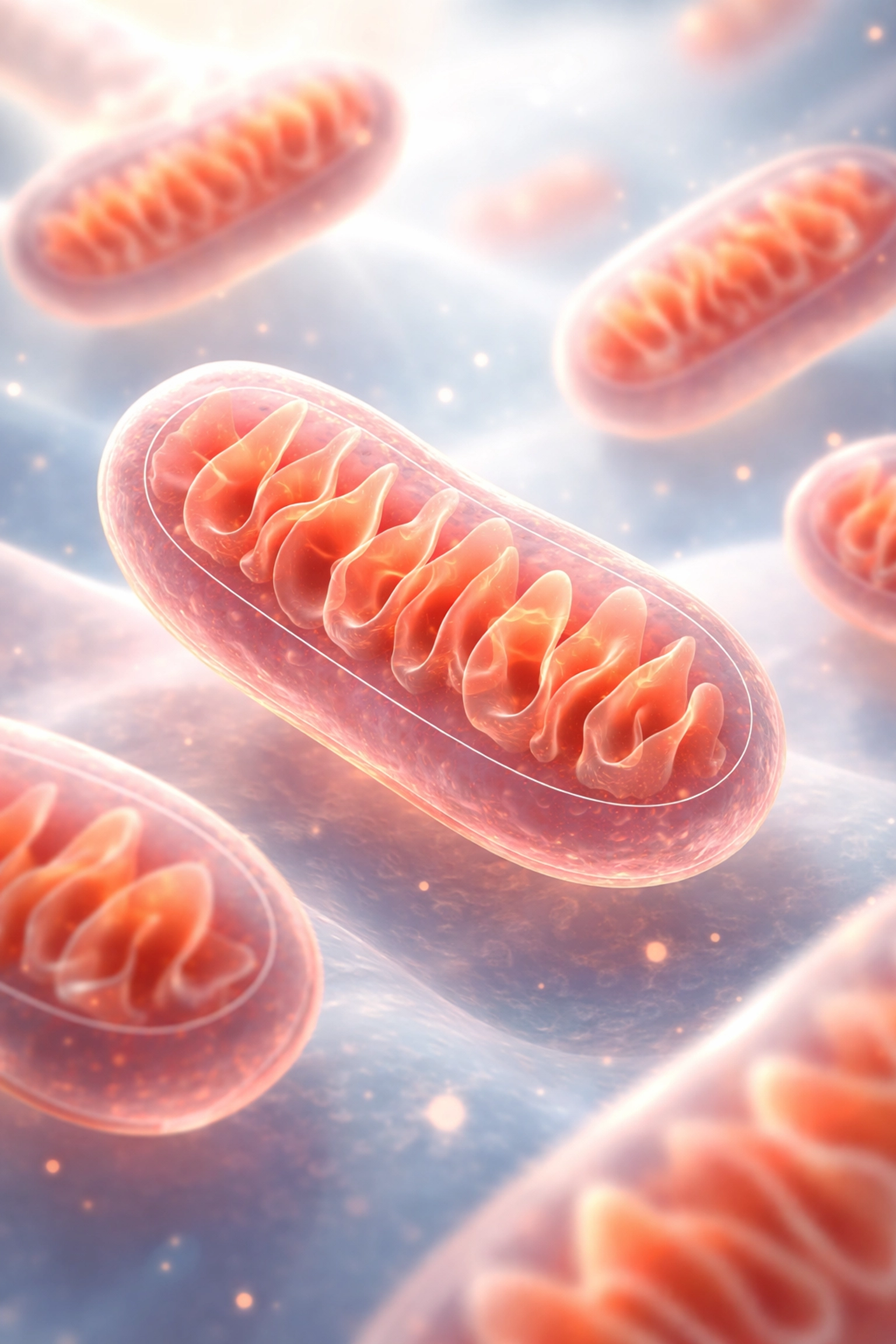
Your mitochondria are the tiny power plants inside every cell, responsible for converting food into usable energy (ATP). As you age, mitochondrial function naturally declines. This decline contributes to fatigue, metabolic problems, and even neurodegenerative diseases.
Zone 2 training activates something called PGC-1α: the master regulator of mitochondrial biogenesis. In plain English, this means your body starts building more mitochondria and making the existing ones work more efficiently.
The benefits cascade from there:
- Increased energy production at the cellular level
- Better insulin sensitivity and blood sugar regulation
- Enhanced autophagy: your body's cellular cleanup process
- Reduced chronic inflammation
- Improved DNA repair mechanisms
Research even suggests Zone 2 training may help preserve telomere length: the protective caps on your chromosomes that shorten with age. Longer telomeres are associated with longer, healthier lives.
Fat Oxidation: Teaching Your Body to Burn Fat
At Zone 2 intensity, your body primarily burns fat for fuel rather than carbohydrates. This isn't just useful for body composition: it's crucial for something called metabolic flexibility.
Metabolic flexibility refers to your body's ability to switch seamlessly between burning carbs and burning fat depending on what's available and what's needed. Young, healthy individuals do this effortlessly. But as we age: especially with sedentary lifestyles: this ability deteriorates.
Poor metabolic flexibility is linked to:
- Type 2 diabetes
- Obesity
- Cardiovascular disease
- Chronic fatigue
Zone 2 training essentially retrains your metabolism. By consistently working at an intensity where fat is the primary fuel source, you build more fat-burning enzymes and improve your body's ability to access stored fat for energy.
The practical upshot? More stable energy throughout the day, better endurance, and a metabolism that functions like it did when you were younger.
Cardiovascular Benefits Without the Stress
High-intensity training definitely has its place. But it also places significant stress on your heart and requires substantial recovery time. Zone 2 training delivers impressive cardiovascular benefits without the wear and tear.
Regular Zone 2 work improves:
- Stroke volume: the amount of blood your heart pumps with each beat
- Capillary density: more blood vessels reaching your muscles and organs
- Heart rate variability: a key marker of stress resilience and autonomic health
- Endothelial function: the health of your blood vessel linings
Studies show moderate-intensity aerobic exercise reduces cardiovascular disease risk by 30-40%. You'll also likely see lower resting heart rate, reduced blood pressure, better cholesterol profiles, and decreased arterial stiffness.
Because Zone 2 is low-stress, you can perform it almost daily without accumulating fatigue or risking overtraining. This consistency is what drives long-term adaptations.
How to Find Your Zone 2
The most accurate way to determine your Zone 2 is through metabolic testing with lactate measurements. But for most people, simpler methods work perfectly well.
Method 1: Heart Rate Calculation
- Estimate your maximum heart rate: 220 minus your age
- Calculate 60-70% of that number
- Train within that range
For a 40-year-old: Max HR = 180. Zone 2 = 108-126 bpm.
Method 2: The Talk Test
- You can speak in full sentences
- Breathing is elevated but controlled
- You could maintain this pace for an hour or more
- Effort feels "moderate" or about 4-5 out of 10
Method 3: Nose Breathing
If you can breathe exclusively through your nose during exercise, you're likely in Zone 2 or below. The moment you need to open your mouth to get enough air, you've probably crossed into Zone 3.
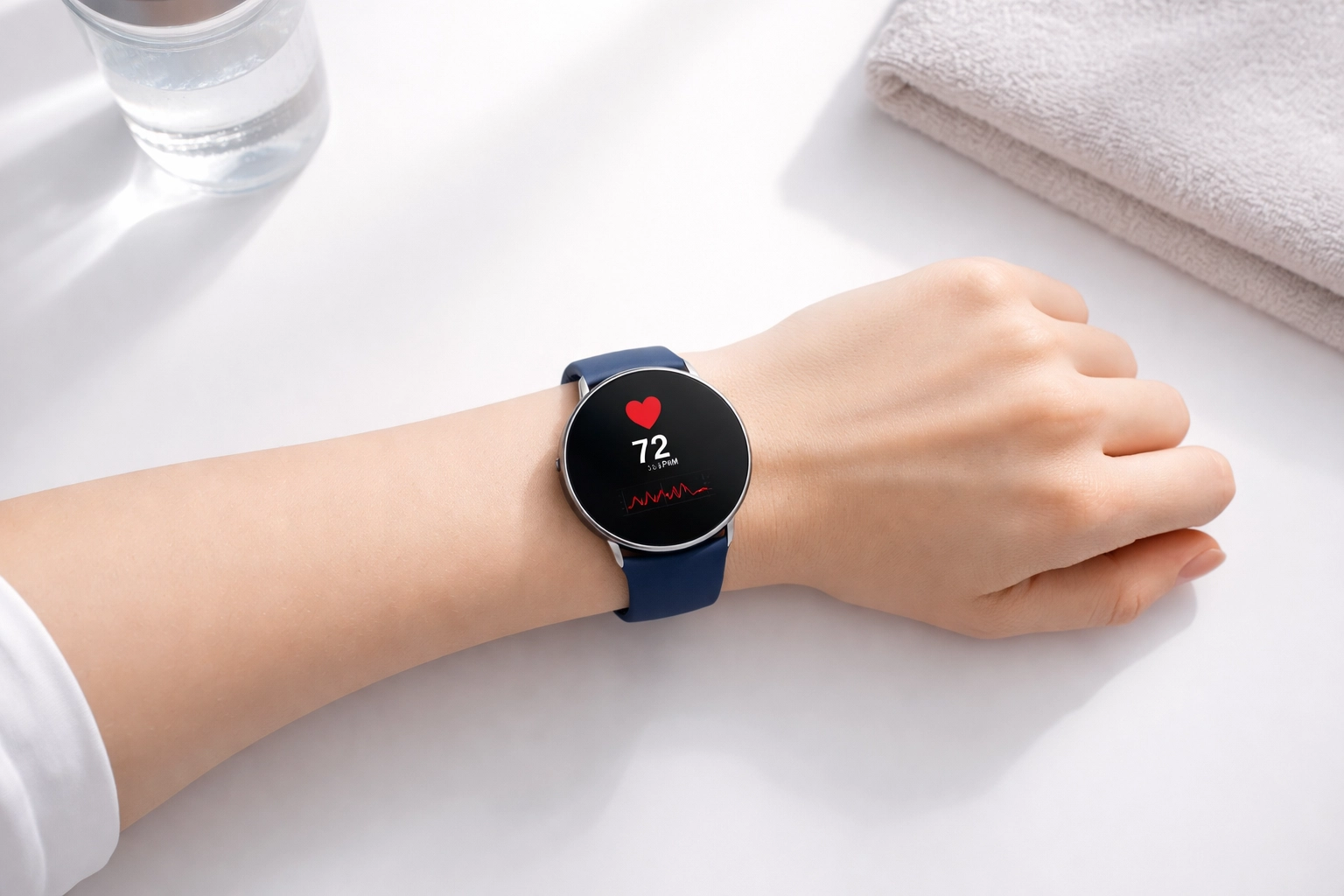
A basic heart rate monitor or fitness watch makes tracking much easier. Chest straps tend to be more accurate than wrist-based monitors, especially during movement.
Practical Implementation: How Much and How Often
The research suggests aiming for 2.5-3 hours of Zone 2 training per week. This can be broken into sessions of 30-60 minutes, 4-5 times weekly.
A sensible weekly structure might look like:
| Day | Activity | Duration |
|---|---|---|
| Monday | Brisk walk | 45 mins |
| Tuesday | Rest or strength training | : |
| Wednesday | Easy cycling | 40 mins |
| Thursday | Light jog | 30 mins |
| Friday | Rest or strength training | : |
| Saturday | Long walk or easy hike | 60 mins |
| Sunday | Active recovery | : |
If you're also doing high-intensity work, follow the 80/20 rule: roughly 80% of your cardio should be Zone 2, with only 20% at higher intensities. This approach, used by elite endurance athletes, maximises adaptation while minimising burnout and injury.
Supporting Your Training With the Right Nutrients
Zone 2 training demands a lot from your mitochondria. Supporting cellular energy production through nutrition can enhance your results.
Coenzyme Q10 (CoQ10) plays a critical role in mitochondrial function. It's essential for the electron transport chain: the final stage of ATP production. As we age, natural CoQ10 levels decline, which may contribute to reduced energy and exercise capacity.
Supplementing with CoQ10 can support:
- Cellular energy production
- Antioxidant protection for mitochondria
- Recovery from aerobic exercise
- Overall cardiovascular health
You can explore CoQ10 and other energy-supporting supplements in the Fitness Health supplements range.
Other nutrients that support mitochondrial health include magnesium, B vitamins, and omega-3 fatty acids.
Timeline: When Will You See Results?
Consistency matters more than perfection. Here's what to expect:
Weeks 2-4: Mitochondrial adaptations begin. You may notice slightly improved energy levels and easier recovery from workouts.
Weeks 6-8: Metabolic improvements become noticeable. Fat oxidation increases, and you may find Zone 2 effort feels easier than before.
Months 3-6: Significant cardiovascular benefits develop. Resting heart rate drops, endurance improves markedly, and you can sustain higher outputs while staying in Zone 2.
Long-term: Continued training maintains and builds upon these adaptations, contributing to reduced disease risk and improved healthspan.
Even modest amounts help. Research indicates that as little as 11 minutes daily of moderate-intensity activity can reduce premature death risk. And it's never too late: individuals starting regular aerobic exercise in their 60s and 70s still experience significant longevity benefits.
Getting Started Today
Zone 2 training isn't glamorous. There's no dramatic before-and-after transformation, no social media-worthy intensity. But the compound effect of consistent, low-intensity work is profound.
Start with three 30-minute sessions this week. Walk briskly, cycle gently, or swim at a comfortable pace. Monitor your heart rate if possible, but don't stress over precision: the talk test works fine.
The goal is to make Zone 2 a sustainable habit. It should feel easy because it is easy. That's the whole point.
Your mitochondria will thank you. Your heart will thank you. And decades from now, you'll be grateful you invested in the kind of fitness that truly lasts.