We’ve all been there: dragging ourselves to the gym, feeling like our legs are made of lead, and wondering if we’ve finally hit that dreaded wall called "overtraining." But here’s a little secret from the fitness world: true overtraining syndrome is actually pretty rare for the average gym-goer. Most of the time, what we’re actually dealing with is a massive case of under-recovering. According to the experts over at Healthline, overtraining is a serious clinical condition that can take months to fix, while under-recovery is usually just our body’s way of saying "Hey, I need a nap and a decent meal!"
Table of Contents
- The Myth of the Overtrained Athlete
- Signs of Under-Recovery in Athletes
- How to Improve Workout Recovery Naturally
- Fueling the Repair: The Role of Supplements
- Mental Recovery: More Than Just Physical
- Evidence-Based Benefits of Proper Recovery
- Safety First: When to Pump the Brakes
The Myth of the Overtrained Athlete
It’s easy to blame a bad week on overtraining. We love the idea that we’ve worked too hard, right? It feels like a badge of honor. But for most of us who aren't professional athletes training six hours a day, our volume isn't actually the problem. The problem is what happens during the other 23 hours of the day. If you're crushing it in the gym but surviving on four hours of sleep and a diet of coffee and stress, your body isn't overtrained: it's just running on empty.
Think of your body like a high-performance car. You can drive it fast and hard, but if you never change the oil or refill the tank, it’s going to break down. That’s not the road’s fault, and it’s not because you drove too many miles. It’s because the maintenance didn't keep up with the mileage. Recognizing this shift in perspective is the first step toward how to improve workout recovery naturally without having to cut out your favorite workouts.
Signs of Under-Recovery in Athletes
So, how do you know if you're actually in the "under-recovery" zone? There are some pretty specific signs of under recovery in athletes (and weekend warriors alike) that you should keep an eye on. It’s not just about sore muscles; your body has a whole "check engine" light system that starts flashing when things are off.
First, look at your mood. If you’re suddenly snappy with your partner or feeling "meh" about things you usually love, your central nervous system might be fried. Then, check your sleep. Ironically, when we’re under-recovered, we often have a harder time falling asleep: this is called "tired but wired." You might also notice a nagging injury that won't go away or a resting heart rate that's 5-10 beats higher than usual in the morning. If your progress has stalled and you're feeling these vibes, it's time to look at your recovery game.

How to Improve Workout Recovery Naturally
When people ask about the best supplements for muscle recovery after 40 or even in their 20s, I always tell them to start with the basics: sleep and hydration. You can’t out-supplement a bad lifestyle. Improving your recovery naturally starts with creating a "wind-down" routine that actually works. Dim the lights, put the phone away, and maybe dive into a book.
Hydration is another huge one. Your muscles are mostly water, and even slight dehydration can make your recovery feel like a crawl. Aim for consistent water intake throughout the day, not just a gallon during your workout. And let's talk about food. Your body needs building blocks to repair those tiny muscle tears. This means getting enough protein and complex carbs to replenish your energy stores. If you're skipping meals or drastically cutting calories while training hard, you're essentially asking your body to build a house with no bricks.
Fueling the Repair: The Role of Supplements
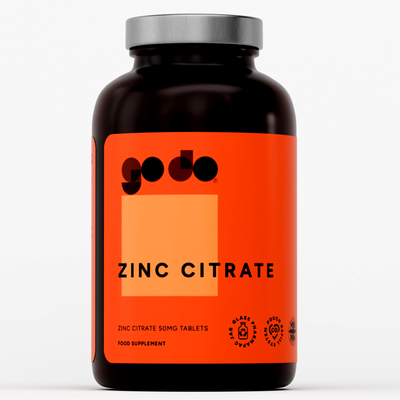
Once you’ve got your sleep and food dialed in, that’s where high-quality supplements come into play. They aren't magic pills, but they are incredible tools to bridge the gaps. For example, Zinc Magnesium B6 is a classic for a reason. Magnesium is involved in over 300 biochemical reactions in the body, including muscle function and relaxation. Taking it before bed can help you drift into that deep, restorative sleep where the real magic happens.

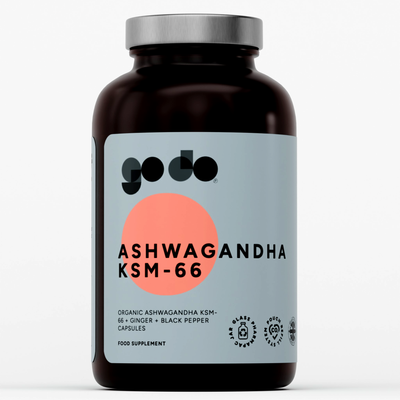
Another heavy hitter for recovery is Ashwagandha. If your "life stress" is high, your cortisol levels are probably through the roof, which makes it nearly impossible for your body to prioritize muscle repair. Ashwagandha is an adaptogen that helps your body manage that stress, making it one of the best supplements for muscle recovery after 40 when life responsibilities tend to peak.
Mental Recovery: More Than Just Physical
We often forget that our brains need a break just as much as our biceps do. Constant "brain fog" is a major indicator of under-recovery. When your mind is fatigued, your "mind-muscle connection" suffers, and your risk of injury goes up because you aren't as focused during your lifts. This is where nootropics like Lion's Mane can be a game-changer. They support cognitive function and nerve health, helping your "internal computer" reboot after a hard week.

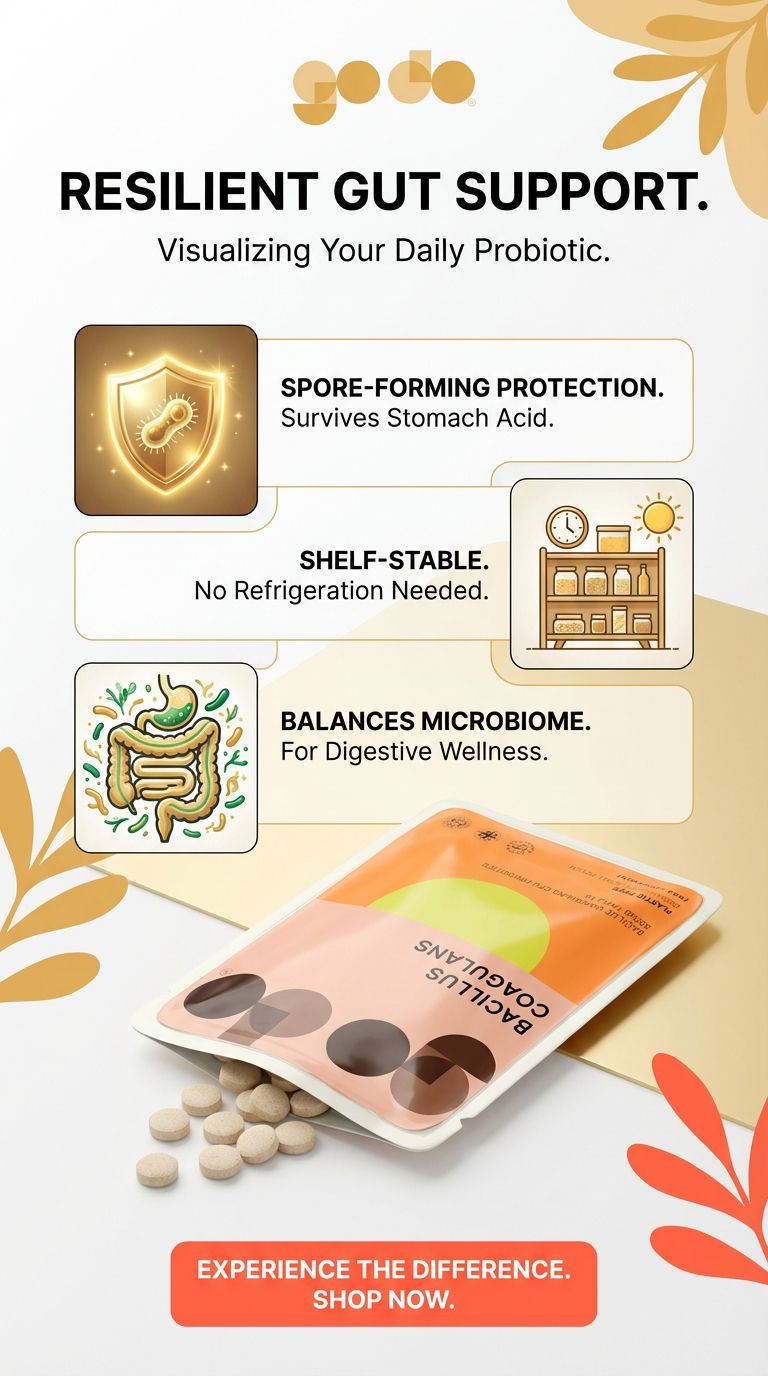
Don't ignore your gut, either! Believe it or not, your gut health plays a massive role in how you recover. If your gut is inflamed, you aren't absorbing the nutrients from your food properly. Adding a solid probiotic ensures that all that good protein and those vitamins you're taking are actually getting to where they need to go. It’s all connected, friends!
Evidence-Based Benefits of Proper Recovery
When you finally prioritize recovery over "just doing more," the benefits are honestly mind-blowing. It's not just about feeling less sore; it's about actually seeing the results of your hard work.
- Increased Muscle Growth: Muscle doesn't grow in the gym; it grows while you sleep. Proper recovery allows protein synthesis to happen efficiently.
- Hormonal Balance: Quality rest keeps your testosterone and growth hormone levels optimal while keeping cortisol in check.
- Reduced Injury Risk: Rested muscles and alert minds mean better form and fewer "oops" moments in the gym.
- Better Mood and Motivation: You'll actually want to train again because you feel energized rather than depleted.
- Improved Immune Function: Intensive training temporarily suppresses the immune system; recovery gives it the chance to bounce back so you don't catch every cold that goes around.
Safety First: When to Pump the Brakes
While supplements are great, it's important to use them wisely. Always listen to your body and consult with a pro if something feels really off.
- Listen to the Red Flags: If you have persistent chest pain, extreme dizziness, or a heart rate that won't come down, stop training and see a doctor.
- Check for Interactions: If you’re on medication (especially for blood pressure or anxiety), talk to your GP before starting Ashwagandha or high-dose Magnesium.
- Start Low: When trying a new supplement, start with the recommended dose to see how your body reacts.
- Don't Mask Pain: Supplements should support recovery, not just hide the pain so you can train on an injury.
At Fitness Health, we’re all about helping you find that perfect balance. We believe in high-quality, UK-made supplements that don't break the bank. Whether you're looking for that deep sleep with Magnesium or a brain boost with Lion's Mane, we've got your back with eco-friendly packaging and formulas that actually work.