Astaxanthin has emerged as one of the most scientifically validated supplements for protecting both eye and skin health. This powerful carotenoid antioxidant, naturally found in marine organisms, delivers measurable benefits backed by clinical research. Here's what you need to know about using astaxanthin effectively, including proper dosages and how to select quality supplements in the UK market.
What Is Astaxanthin and How Does It Work?
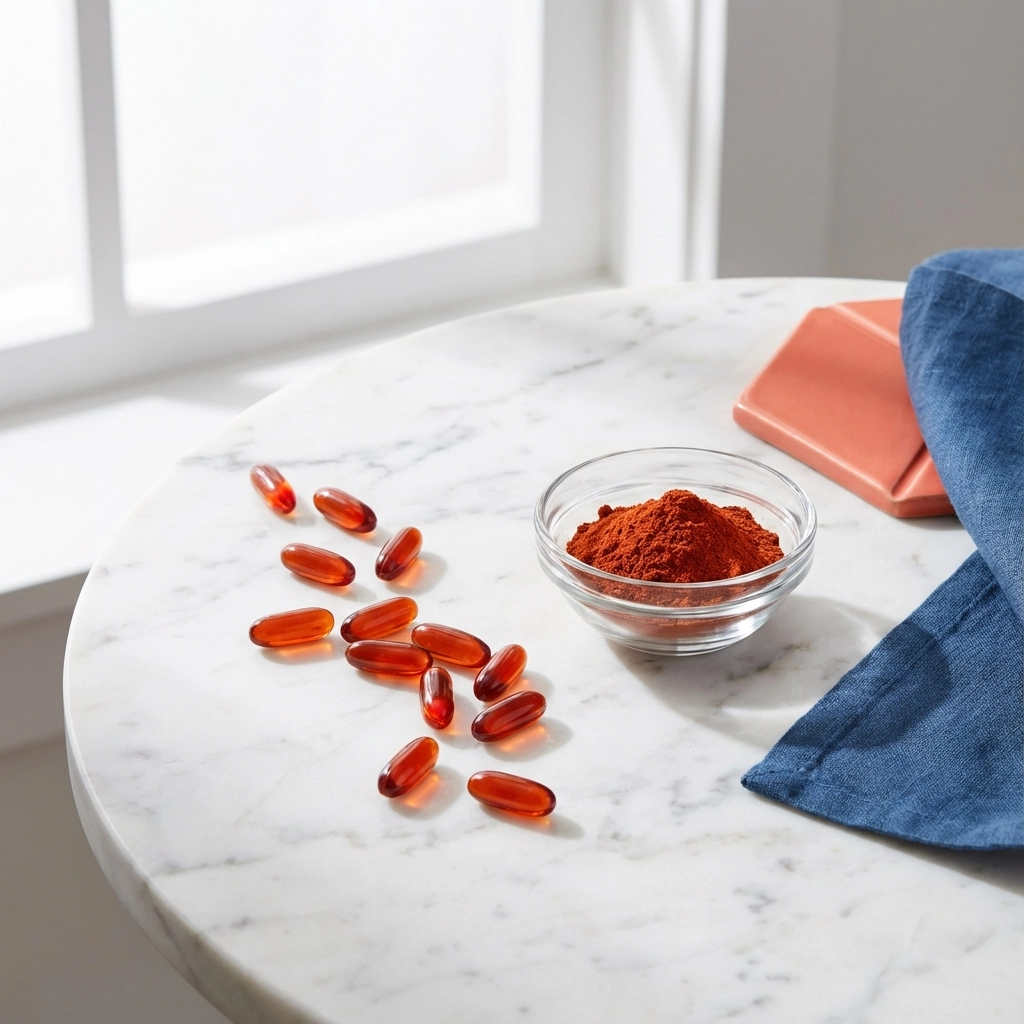
Astaxanthin is a red-orange carotenoid that gives salmon, shrimp, and other seafood their distinctive colour. Unlike many antioxidants, astaxanthin can cross the blood-retina barrier, allowing it to provide direct protection to eye tissues. Its molecular structure makes it exceptionally effective at neutralising free radicals: up to 6,000 times more powerful than vitamin C in laboratory studies.
The compound works by embedding itself into cell membranes, where it provides continuous antioxidant protection. This unique positioning allows astaxanthin to protect both the water-soluble and fat-soluble parts of cells simultaneously, offering comprehensive cellular defence against oxidative stress.
Documented Eye Health Benefits
Clinical research demonstrates several specific improvements in eye function and comfort with astaxanthin supplementation:
Digital Eye Strain Relief
Studies show astaxanthin reduces eye fatigue from prolonged screen exposure. Research participants taking 6-12mg daily experienced significant improvements in focusing ability, with refocusing time improving by 46% and accommodation ability (the eye's ability to focus at different distances) improving by 27% after just one month.
Dry Eye Improvement
Multiple clinical trials demonstrate astaxanthin's effectiveness for mild-to-moderate dry eye symptoms. The supplement helps increase tear production and reduces inflammation in the tear ducts, providing relief for people experiencing chronic eye dryness.
Age-Related Vision Protection
Long-term supplementation may help prevent or slow progression of age-related macular degeneration (AMD), cataracts, and glaucoma. Astaxanthin's ability to improve blood flow to the retina helps maintain healthy vision as you age.
Blue Light Protection
Astaxanthin acts as a natural filter against harmful blue light from screens and LED lighting. This protection reduces oxidative damage to retinal cells that can accumulate over time from constant digital device exposure.
Proven Skin Health Benefits
A comprehensive 2021 review of nine clinical trials revealed significant skin improvements with astaxanthin supplementation:
Wrinkle and Fine Line Reduction
Participants taking 6mg daily showed visible improvements in fine lines around the eyes after eight weeks. The supplement works by protecting existing collagen from oxidative damage while simultaneously stimulating new collagen synthesis.
Enhanced Skin Hydration
Research demonstrates measurable increases in skin moisture content and elasticity. Astaxanthin helps maintain the skin's natural barrier function, preventing water loss and keeping skin supple.
Improved Skin Texture and Firmness
Clinical studies document improvements in overall skin texture, with participants reporting smoother, more even-toned skin. Age spots on the cheek area also showed reduction in Japanese research studies.
UV Damage Protection
While not a replacement for sunscreen, astaxanthin provides internal photoprotection that may help repair existing UV damage and prevent future damage. The antioxidant helps neutralise free radicals created by sun exposure before they can damage skin cells.

Evidence-Based Dosage Recommendations
Research consistently points to specific dosage ranges for optimal benefits:
For Skin Health: 3-6mg daily provides the foundation for skin improvements. Most clinical studies showing visible results used 6mg daily for 8-16 weeks.
For Eye Health: 6-12mg daily for approximately one month delivers measurable improvements in eye comfort and focusing ability. Higher doses (12mg) may be more effective for people with significant digital eye strain.
For General Antioxidant Support: 2-4mg daily offers baseline antioxidant protection, though this lower range may not provide the specific skin and eye benefits documented in clinical trials.
Take astaxanthin with meals containing healthy fats to improve absorption, as it's a fat-soluble compound. Consistency matters more than timing: the benefits build over weeks rather than appearing immediately.
Safety Profile and Potential Side Effects
Astaxanthin demonstrates an excellent safety profile in clinical research. Most studies report no significant adverse effects at doses up to 12mg daily for extended periods.
Rare Side Effects:
- Mild stomach upset if taken on an empty stomach
- Temporary orange-tinted skin with very high doses (over 20mg daily)
- Possible interactions with blood-thinning medications
Who Should Avoid Astaxanthin:
- People allergic to shellfish or algae (depending on the source)
- Those taking blood thinners without medical supervision
- Pregnant or breastfeeding women (insufficient safety data)
The orange skin tinting is harmless and reversible, similar to beta-carotene supplementation, but typically only occurs at doses well above recommended ranges.

How to Choose Quality Astaxanthin Supplements in the UK
When selecting astaxanthin supplements, several factors determine product quality and effectiveness:
Source Material
Look for astaxanthin derived from Haematococcus pluvialis microalgae rather than synthetic versions. Natural astaxanthin shows superior bioavailability and potency in research studies.
Dosage Clarity
Quality products clearly state the exact astaxanthin content per serving. Avoid products that list "proprietary blends" without specific milligram amounts.
Third-Party Testing
Choose brands that provide certificates of analysis showing purity testing for contaminants like heavy metals, pesticides, and microbials.
Extraction Method
CO2 extraction or similar gentle methods preserve the compound's integrity better than harsh chemical solvents.
Additional Ingredients
Some formulations include complementary nutrients like vitamin E or omega-3 fatty acids that may enhance absorption or provide synergistic benefits.
UK-Specific Considerations
Verify that products meet UK supplement regulations and carry appropriate licensing. Look for MHRA (Medicines and Healthcare products Regulatory Agency) compliance and proper labelling in English.

Combining Astaxanthin with Other Supplements
Astaxanthin works well alongside other evidence-based supplements:
For Enhanced Eye Health:
- Lutein and zeaxanthin (10-20mg combined daily)
- Omega-3 fatty acids (1000-2000mg daily)
- Vitamin D3 (2000-4000 IU daily)
For Optimal Skin Health:
- Vitamin C (500-1000mg daily)
- Collagen peptides (10-20g daily)
- Hyaluronic acid (100-200mg daily)
Space supplements throughout the day to avoid competition for absorption, and always take fat-soluble vitamins like astaxanthin with meals.
Timeline for Expected Results
Based on clinical research timelines:
Week 1-2: Improved eye comfort during screen time, reduced end-of-day eye fatigue
Week 4-6: Measurable improvements in focusing ability and accommodation
Week 8-12: Visible skin texture improvements, increased hydration, initial wrinkle reduction
Week 12-16: Continued skin improvements, potential reduction in age spots
Individual results vary based on baseline health, dosage consistency, and lifestyle factors like sun exposure and screen time.
Cost-Effectiveness Analysis
Quality astaxanthin supplements typically cost £15-40 monthly for therapeutic doses. When compared to expensive eye drops for dry eyes (£10-20 monthly) or premium anti-aging skincare (£50-200 monthly), astaxanthin provides comprehensive benefits at a competitive price point.
Calculate cost per milligram of actual astaxanthin when comparing products, as capsule counts can be misleading if potency varies significantly between brands.
Bottom Line Recommendations
Astaxanthin offers legitimate, research-backed benefits for both eye and skin health when used consistently at appropriate doses. The 6mg daily dosage provides the best balance of efficacy and value for most people seeking skin and eye support.
Choose natural astaxanthin from microalgae sources, take with fatty meals for optimal absorption, and maintain consistent daily use for 8-12 weeks to evaluate effectiveness. While individual results vary, the scientific evidence strongly supports astaxanthin as a worthwhile addition to a comprehensive health routine focused on protecting vision and maintaining skin quality as you age.
For those experiencing significant digital eye strain or early signs of skin aging, astaxanthin supplementation represents one of the most evidence-based interventions available without prescription requirements.