Gen Z isn't just buying supplements: they're completely rewriting the rules of how, why, and what we consume for wellness. With over 70% experiencing daily anxiety and stress, this generation has become the primary force behind a supplement market explosion that's projected to reach £8.2 trillion by 2034.
Unlike previous generations who treated supplements as an afterthought, Gen Z approaches wellness with the urgency of a lifestyle revolution. They're not waiting until their 40s to think about health. They're 22 and already researching nootropics, discussing gut health on TikTok, and demanding transparency from brands in ways that have fundamentally shifted industry priorities.
Mental Health Drives Everything
The most significant factor separating Gen Z from previous generations is their approach to mental wellness. They're the most anxious generation on record, but instead of suffering in silence, they're taking proactive steps through supplementation.
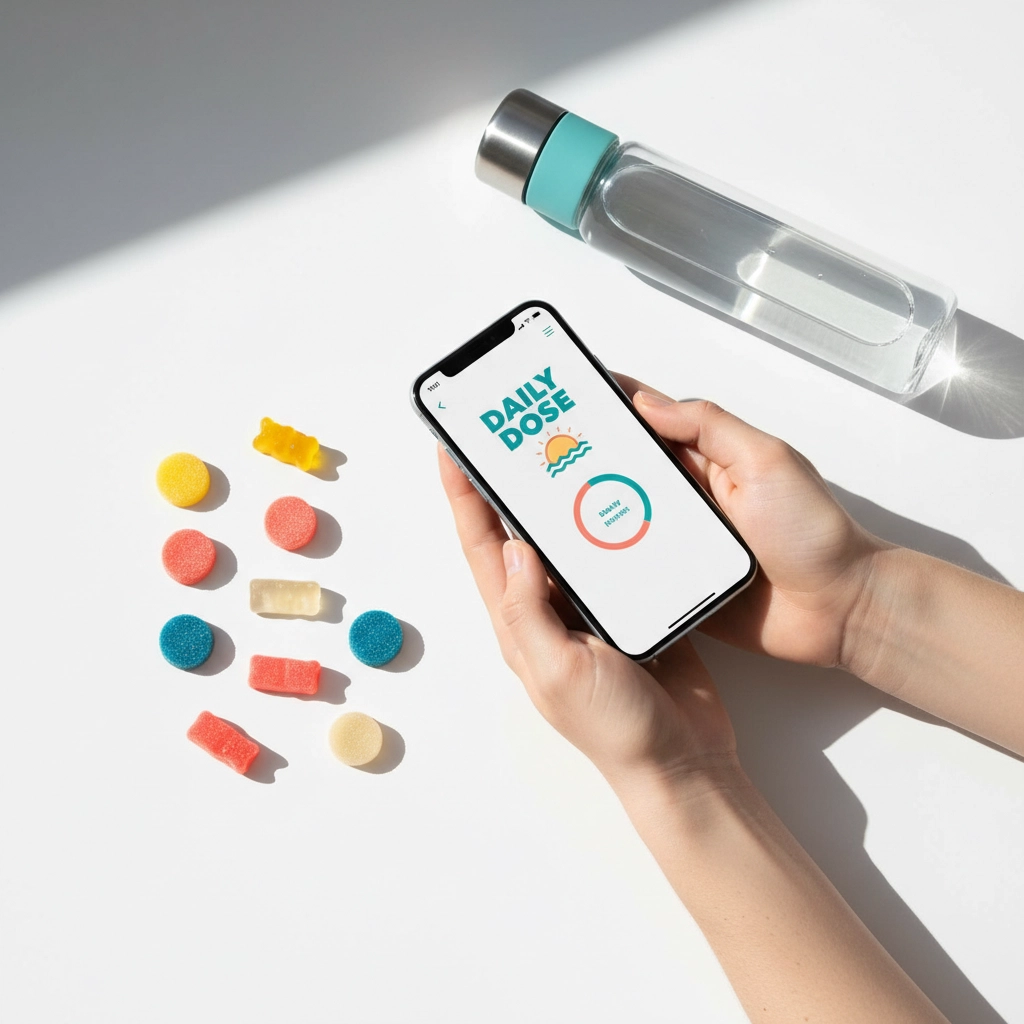
Mental health trends that were once confined to clinical settings are now mainstream consumer behaviors. Gummies for stress relief, adaptogens for anxiety management, and cognitive support supplements have moved from niche wellness stores to everyday routines. This isn't about treating diagnosed conditions: it's about daily management and prevention.
The statistics tell the story: nootropics alone are projected to expand from £15.8 billion to £54.2 billion within the next decade. Gen Z views cognitive enhancement and stress management as essential daily maintenance, not emergency intervention.
Functional Foods Over Pill Bottles
Here's where Gen Z gets really different: they're rejecting traditional supplement formats entirely. While Boomers and Gen X grew up with vitamin bottles and daily pill routines, Gen Z prefers functional foods that integrate seamlessly into their lifestyle.
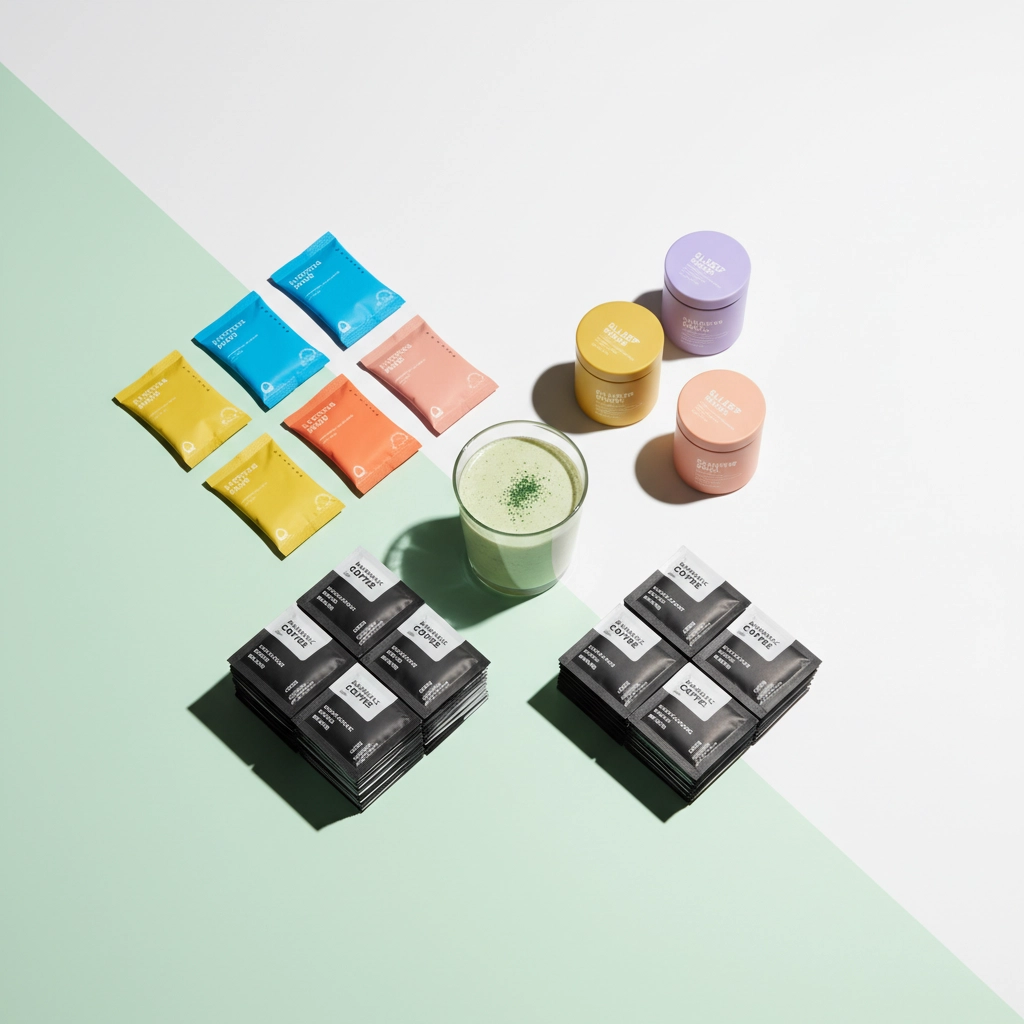
Taking a pill bottle feels clinical and serves as a constant reminder of health struggles. Consuming a fortified coffee, hydration mix, or wellness snack feels natural and socially acceptable. This psychological shift has massive market implications.
Popular functional formats among Gen Z:
- Hydration powders and electrolyte mixes
- Protein-enhanced snacks and drinks
- Adaptogenic coffee blends
- Wellness gummies and chews
- Fortified plant-based alternatives
This preference stems from Gen Z's desire for convenience without compromise. They want the benefits of supplementation without the stigma or inconvenience of traditional formats.
Transparency Isn't Optional: It's Expected
Gen Z consumers are extraordinarily savvy researchers. They expect complete transparency about ingredients, sourcing, manufacturing processes, and scientific backing. Generic wellness claims don't work. Vague "proprietary blends" are deal-breakers.
Over 40% of Gen Z follows specialty diets including high-protein, plant-based, keto, or gluten-free lifestyles. More than 50% specifically follow high-protein diets. They actively avoid artificial sweeteners, corn syrup, artificial colors, and petroleum-derived ingredients.
What Gen Z demands from supplement brands:
- Complete ingredient transparency
- Third-party testing verification
- Science-backed formulations
- Sustainable packaging
- Ethical sourcing practices
- Clear benefit explanations
This level of scrutiny has elevated the entire industry standard. Brands succeeding with Gen Z invest heavily in clean formulations, transparent labeling, and authentic storytelling rather than flashy marketing claims.
Social Media Discovery Changes Everything
Gen Z discovers supplements through completely different channels than older generations. Instead of doctor recommendations or pharmacy browsing, they rely on creator content, influencer reviews, and peer recommendations across social platforms.
TikTok wellness creators, Instagram fitness influencers, and YouTube health channels have become the primary education sources for supplement information. This social-media-led discovery creates viral trends around specific products and categories.
How social media drives supplement trends:
- Viral before-and-after transformations
- Ingredient education through short-form content
- Peer reviews and authentic testimonials
- Lifestyle integration demonstrations
- Community-driven discussions about effectiveness
Brands with compelling online narratives, authentic Gen Z-oriented aesthetics, and strong social media presence capture disproportionate market share compared to traditional supplement companies.
The Categories Gen Z Actually Wants
Investment and innovation are flowing toward specific supplement categories based on Gen Z preferences. The fastest-growing segments align directly with their values and lifestyle priorities.
Top Gen Z supplement categories:
Mental Wellness: Adaptogens, nootropics, stress-support formulas Gut Health: Probiotics, digestive enzymes, fiber supplements Beauty-from-Within: Collagen, biotin, skin-supporting nutrients Plant-Based Options: Vegan protein, algae-based omega-3s, plant minerals Performance Enhancement: Natural pre-workouts, recovery formulas, hydration support
The gut health market alone is valued at £86.7 billion in 2025 and expected to more than double by 2034. Plant-based supplements are expanding at 9-10% annually, driven primarily by Gen Z demand.

How Gen Z Differs from Millennials and Boomers
The generational divide in supplement consumption is stark. Understanding these differences explains why Gen Z is driving such dramatic market changes.
Boomers: Focus on basic vitamins, joint health, and managing age-related concerns. Prefer traditional formats and trust doctor recommendations.
Millennials: Bridge generation that introduced wellness trends but still relies heavily on traditional supplement formats. More open to functional foods than Boomers.
Gen Z: Preventative approach, mental health focus, transparency demands, social media discovery, functional food preferences, and lifestyle integration priorities.
Gen Z treats supplementation as lifestyle enhancement rather than health problem-solving. They're not waiting for issues to develop: they're optimizing from the start.
Market Investment Follows Gen Z Preferences
The supplement revolution has attracted unprecedented capital investment. Strategic buyers and private equity firms are consolidating markets around Gen Z-preferred categories and formats.
Recent major acquisitions include Nestlé's £374 million purchase of yFood and Müller's £120 million acquisition of Biotiful. Private equity involvement in vitamins, minerals, and supplements is notably stronger than in other consumer sectors.
Investment strategies focus on:
- International expansion of Gen Z-popular brands
- Development of higher-margin functional foods
- Operational optimization for direct-to-consumer sales
- Technology integration for personalized nutrition
The Risks and Considerations
While Gen Z's approach to supplementation shows impressive health consciousness, there are important considerations for both consumers and the industry.
Potential risks:
- Over-reliance on social media for health information
- Mixing multiple supplements without professional guidance
- Prioritizing trends over individual nutritional needs
- Potential interactions with medications
Industry concerns:
- Quality control across rapidly expanding product lines
- Regulation keeping pace with innovation
- Ensuring safety in functional food formulations
For those exploring natural bodybuilding success or women's wellness, professional guidance remains essential regardless of generation.
FAQs About Gen Z Supplement Trends
Are Gen Z's supplement trends actually healthier?
Gen Z's focus on prevention, mental health, and clean ingredients generally supports better long-term health outcomes. However, the emphasis on social media discovery over professional guidance creates potential risks that require balanced approaches.
What are the main risks of following Gen Z supplement trends?
The primary risks include over-supplementation, mixing incompatible products, following trends without considering individual needs, and relying on non-medical sources for health decisions. Always consult healthcare providers before starting new supplement regimens.
Will Gen Z supplement preferences continue to drive market changes?
Absolutely. Gen Z's purchasing power is increasing rapidly, and their preferences for transparency, functionality, and mental health support are becoming industry standards. Their influence will likely strengthen as they enter peak earning years.
Gen Z isn't just participating in the supplement market: they're completely reshaping it. Their emphasis on mental health, transparency, and lifestyle integration has created the biggest wellness revolution we've ever seen. As this generation continues to mature and increase their purchasing power, expect their preferences to become the new normal for supplement innovation and marketing across all age groups.