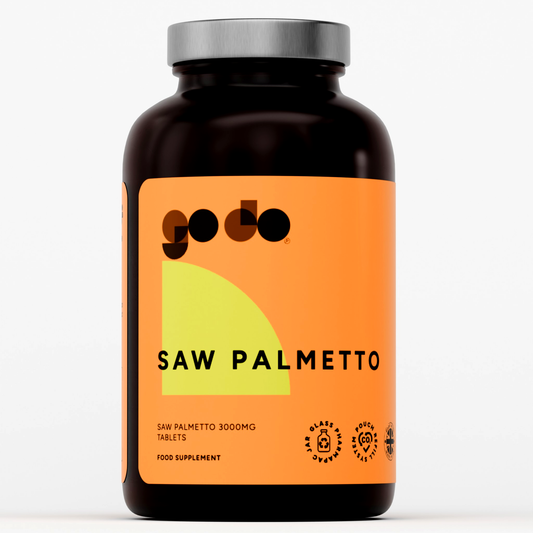
Saw palmetto supplements have gained significant attention for supporting prostate health and hormonal balance, particularly among men over 40. The 3000mg vegan formulation represents one of the highest-strength options available, but does the research support such high doses? Let's examine what UK and international studies reveal about saw palmetto's effectiveness, safety profile, and optimal dosing strategies.
Understanding Saw Palmetto: The Basics
Saw palmetto (Serenoa repens) is a small palm tree native to the southeastern United States. The extract comes from the tree's dark berries, which contain fatty acids and plant sterols believed to support prostate function and hormonal balance.
The primary mechanism involves inhibiting 5-alpha-reductase, an enzyme that converts testosterone into dihydrotestosterone (DHT). Elevated DHT levels contribute to prostate enlargement and male pattern baldness, making saw palmetto an attractive natural intervention for these conditions.

The 3000mg Dosage: Higher Than Clinical Standards
Most clinical trials investigating saw palmetto's effectiveness used doses between 100-320mg daily. The 3000mg formulation represents approximately 10 times the standard research dose, raising important questions about necessity and safety.
Standard Clinical Doses:
- 160mg twice daily (most common)
- 320mg once daily
- Up to 960mg in some extended studies
Why Higher Doses Emerged:
- Marketing differentiation
- Consumer demand for "stronger" formulations
- Assumption that more equals better results
However, no clinical evidence supports the superior effectiveness of 3000mg doses over standard amounts. Higher concentrations don't automatically translate to better outcomes and may increase side effect risks.
Prostate Health: What the Research Shows
Benign Prostatic Hyperplasia (BPH) Studies
The evidence for saw palmetto in treating enlarged prostate symptoms presents mixed results. A comprehensive 2009 Cochrane review concluded that saw palmetto provides little improvement in lower urinary tract symptoms compared to placebo.
Key Study Findings:
A 2011 double-blind trial involving 369 men tested saw palmetto extract at up to 320mg daily (three times standard dose) and found no significant reduction in BPH-related urinary symptoms compared to placebo.
Conversely, a 2014 study of 225 men demonstrated that combination therapy using saw palmetto plus lycopene, selenium, and tamsulosin proved more effective than single treatments for improving symptom scores and urinary flow rates.
Combination Therapy Success
Recent research suggests saw palmetto works better alongside other compounds rather than as a standalone treatment. The 2018 SPRITE study involving 404 participants found that saw palmetto combined with selenium and lycopene performed comparably to tadalafil 5mg for improving urinary symptoms.
Effective Combinations Include:
- Saw palmetto + lycopene + selenium
- Saw palmetto + zinc + lycopene
- Saw palmetto + beta-sitosterol

Hormonal Support Mechanisms
Saw palmetto's hormonal benefits extend beyond prostate health, though the evidence varies by application.
DHT Reduction
Research indicates saw palmetto can reduce local DHT concentrations in prostate tissue without significantly suppressing systemic testosterone levels. This selective action potentially minimizes hormonal side effects while targeting specific concerns.
Measured Benefits:
- 38% reduction in tissue DHT levels (clinical study)
- Maintained normal testosterone ranges
- Reduced inflammation markers
Hair Loss Applications
Limited clinical evidence supports saw palmetto for male pattern baldness. Small studies suggest modest improvements in hair density and growth, but results remain inconsistent across trials.
Vegan Formulation Advantages
Traditional saw palmetto supplements often use gelatin capsules, making them unsuitable for plant-based diets. Vegan formulations typically employ:
- Cellulose-based capsules
- No animal-derived ingredients
- Often combined with complementary plant extracts
- Enhanced absorption through plant-based delivery systems
The vegan aspect doesn't affect the active compound's potency but ensures broader dietary compatibility.
Safety Considerations for High-Dose Formulations
While saw palmetto generally demonstrates good tolerance, the 3000mg dose raises specific safety concerns.
Common Side Effects
- Gastrointestinal disturbances
- Mild headaches
- Diarrhea or constipation
- Fatigue
- Decreased libido (rare)
Serious Adverse Events (Rare)
Medical literature documents isolated cases of:
- Hemopericardium (bleeding around the heart)
- Blood in urine
- Acute pancreatitis
- Severe liver damage
- Blood clotting abnormalities
Drug Interactions
Saw palmetto doesn't appear to interact with common medications, but high doses may amplify effects of:
- Blood-thinning medications
- Hormone replacement therapies
- 5-alpha-reductase inhibitor drugs
Who Should Consider Saw Palmetto Supplementation
Primary Candidates
Men over 40 experiencing:
- Frequent nighttime urination
- Weak urine stream
- Difficulty starting urination
- Feeling of incomplete bladder emptying
- Early signs of male pattern baldness
Women with:
- PCOS-related elevated androgens
- Unwanted hair growth (hirsutism)
- Hormonal acne
Who Should Avoid High-Dose Formulations
- Pregnant or nursing women
- Children and adolescents
- Individuals with liver conditions
- People taking blood thinners
- Those with hormone-sensitive cancers

Optimal Dosing Strategies
Based on clinical research, effective saw palmetto supplementation follows these guidelines:
Standard Approach
- Start with 160mg twice daily
- Take with meals to improve absorption
- Continue for 6-8 weeks before evaluating results
- Combine with lycopene (10-15mg) and selenium (50-100mcg)
High-Dose Considerations
If considering 3000mg formulations:
- Consult healthcare provider first
- Monitor for side effects closely
- Consider dividing doses throughout the day
- Regular blood work monitoring
Comparing UK Supplement Brands
When selecting saw palmetto supplements, prioritize products that:
- Use standardized extracts (85-95% fatty acids)
- Third-party testing for purity
- GMP-certified manufacturing
- Clear labeling of active compounds
- Transparent dosing information
Quality indicators include CO2 extraction methods and standardization to specific fatty acid profiles rather than simple berry powder.
Practical Implementation Tips
Timing and Absorption
- Take with fatty meals for better absorption
- Consistent daily timing improves results
- Avoid taking with dairy products initially
Monitoring Progress
- Track urinary symptoms weekly
- Note any changes in energy levels
- Monitor sleep quality improvements
- Photograph hair growth areas if relevant
Lifestyle Combinations
Enhance saw palmetto effectiveness through:
- Regular exercise (particularly pelvic floor strengthening)
- Zinc-rich foods
- Adequate hydration
- Stress management techniques

When to Expect Results
Clinical studies suggest saw palmetto benefits typically emerge within:
- 4-6 weeks for mild urinary improvements
- 8-12 weeks for measurable prostate health changes
- 3-6 months for hair growth effects
- 2-4 weeks for hormonal acne improvements
Frequently Asked Questions
Is 3000mg safe for daily use? No clinical studies have tested this dose long-term. Standard doses (160-320mg) show better safety profiles with established effectiveness.
Can women take saw palmetto supplements? Yes, but evidence for benefits in women remains limited. Consult healthcare providers before use, especially during reproductive years.
Does saw palmetto affect PSA levels? Research indicates saw palmetto doesn't significantly alter PSA readings, even at higher doses.
How does it compare to prescription medications? Saw palmetto typically provides milder effects than prescription alpha-blockers or 5-alpha-reductase inhibitors but with fewer side effects.
Making an Informed Decision
The 3000mg saw palmetto dosage exceeds clinically tested amounts, and higher doses haven't demonstrated superior effectiveness. Standard doses combined with complementary compounds often provide better results with established safety profiles.
Before starting any high-dose saw palmetto regimen, consider consulting healthcare providers familiar with herbal medicine interactions and monitoring requirements. The goal should be finding the minimum effective dose rather than assuming maximum potency equals optimal results.
For comprehensive nutritional support, explore our natural supplement options designed with evidence-based dosing and quality assurance standards.